
Introduction to AI Immersion Week at Northeastern University
Northeastern University (2025 USNews Ranking: 54) ‘s AI Immersion Week was not just an event; it was a transformative experience that brought together 28 graduate students eager to dive into the world of artificial intelligence. The initiative aimed to enhance their technical skills while providing a comprehensive understanding of AI’s impact across various sectors. This immersive week kicked off on March 17, 2025, and took students on a journey between the university’s Seattle and Silicon Valley campuses, showcasing the dynamic nature of AI education through experiential learning.
The event was designed to foster hands-on experiences that would equip students with the tools they need to excel in an AI-driven landscape. Participants were not just passive recipients of knowledge; they engaged actively in workshops, hack-a-thons, and industry visits, allowing them to apply theoretical concepts in real-world scenarios. This approach aligns perfectly with the growing emphasis on experiential learning in higher education, which is increasingly recognized as vital for preparing students for the challenges of the modern workforce.
The week unfolded with a series of meticulously curated activities. Students began their journey in Seattle, where they attended a workshop hosted by OneSixOne Ventures. This session focused on venture capital and the criteria for evaluating AI business ideas, inspiring students like Jenny Huang to consider careers in identifying promising tech products. It was a perfect introduction to the entrepreneurial spirit that characterizes the AI landscape today.
As the cohort traveled to Silicon Valley, they delved deeper into the intricacies of AI through a hack-a-thon where they utilized Salesforce’s Agentforce software to create innovative AI applications. This hands-on project not only tested their technical skills but also encouraged collaboration and critical thinking. Harshika Santoshi, a data science master’s student, emphasized the importance of preparation and guidance from industry experts, noting how these elements significantly enhanced the learning experience.
Workshops led by industry leaders, such as Curt Carlson, a Northeastern business professor, provided students with vital strategies for refining their product ideas. These preparatory sessions proved invaluable as students faced challenges while working on their projects. Surya Shivam, another participant, pointed out the necessity of documenting their work and seeking help when needed, highlighting the collaborative nature of the learning process.
The immersive experience didn’t stop at workshops and hack-a-thons. Following their intense week of learning, students attended the Salesforce TDX conference, where they had the opportunity to engage with seasoned professionals and gain insights into the practical applications of Agentforce. Aisha Abdur Rahim, a computer science master’s student, shared how her newfound confidence in discussing the software with industry leaders was a game-changer for her career aspirations.
Throughout the week, students also visited major companies like T-Mobile and Microsoft, learning firsthand about AI’s role in corporate environments. They participated in workshops such as “Demystifying Generative AI” at the Amazon Web Services Skills Center, which provided foundational knowledge on machine learning and the evolution of generative AI. This exposure was crucial, as it not only broadened their understanding of AI applications but also allowed them to envision the future of their careers within this rapidly evolving field.
In addition to technical skills, the AI Immersion Week emphasized the importance of networking and professional connections. By interacting with industry leaders and peers, students were able to build relationships that could pave the way for future opportunities. This blend of hands-on learning, industry engagement, and networking is what makes experiential learning so impactful in higher education.
As the world increasingly pivots towards AI, initiatives like Northeastern University’s AI Immersion Week are essential for preparing students to navigate this complex landscape. By immersing themselves in real-world applications and engaging with industry experts, students are not only enhancing their technical skills but also gaining the confidence and connections necessary to thrive in their future careers.
The Role of Experiential Learning in AI Education
Experiential learning stands as a cornerstone of modern education, particularly in fields as dynamic and rapidly evolving as artificial intelligence (AI). The significance of hands-on experiences cannot be overstated, especially when it comes to understanding the practical applications of AI and its implications in various industries. During Northeastern University’s AI Immersion Week, students were not merely learning about AI in a theoretical context; they were actively engaging in experiences that would shape their understanding and prepare them for real-world challenges.
Take, for instance, the hack-a-thon with Salesforce, where students dove headfirst into creating AI applications using the Agentforce software. This was not just about coding; it was a real-world simulation of what it means to develop AI solutions under pressure and with limited resources. Harshika Santoshi, a data science master’s student, highlighted how crucial the preparatory workshops were in equipping them with the necessary strategies to tackle challenges. Such experiences underscore the value of experiential learning, as students are able to apply their knowledge in a practical setting, fostering a deeper understanding of the subject matter.
The workshops throughout the week were equally enlightening. Led by industry experts like Curt Carlson, these sessions focused on critical skills such as prompt engineering and venture capital evaluation. In one workshop, students learned how to refine their product ideas to ensure market viability, a skill that is essential in today’s competitive tech landscape. The hands-on approach not only helped students grasp complex concepts but also instilled a sense of confidence in their abilities to innovate and contribute to the AI field.
Moreover, the exposure to real-world applications of AI during visits to companies like T-Mobile and Microsoft further enriched the students’ learning experience. These visits provided invaluable insights into how AI is integrated into corporate strategies and operations. The workshop titled “Demystifying Generative AI” at the Amazon Web Services Skills Center was particularly noteworthy. It offered students a foundational understanding of machine learning and the evolution of generative AI, preparing them to engage with cutting-edge technologies that are shaping the future of work.
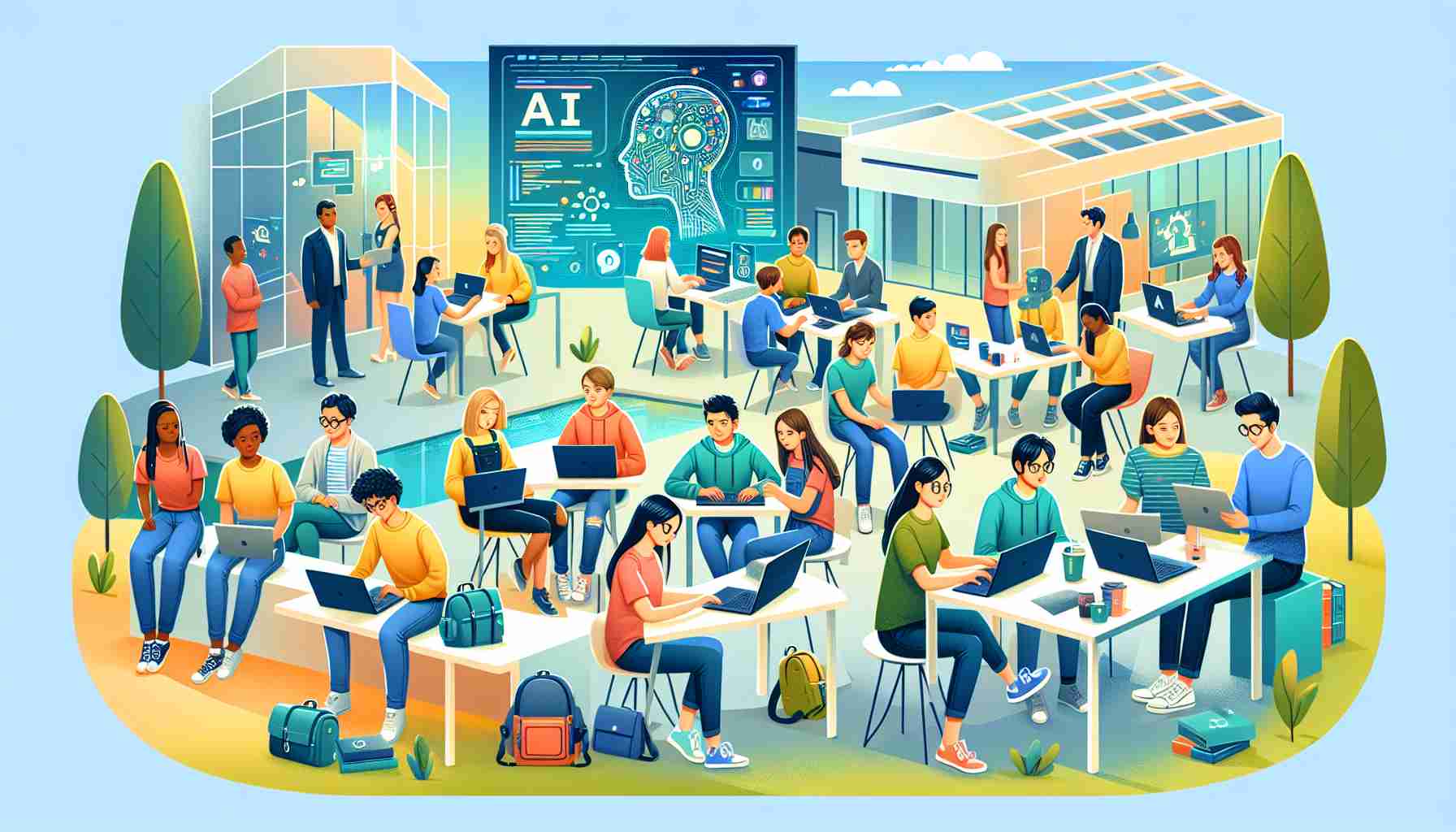
The importance of experiential learning extends beyond the technical skills acquired; it also fosters essential soft skills that are often overlooked in traditional educational settings. Collaboration, problem-solving, and adaptability were at the forefront during the immersion week. Surya Shivam’s emphasis on documenting work and seeking assistance reflects a culture of collaboration that is vital in tech environments. The ability to work effectively in teams and communicate ideas clearly is just as crucial as technical proficiency, especially in a field where innovation is driven by collective effort.
Connecting these experiences to broader trends in experiential learning across various disciplines, it becomes clear that this approach is gaining traction as a preferred method of education. Institutions are increasingly recognizing that traditional lecture-based learning is insufficient to prepare students for the complexities of the modern workforce. The World Economic Forum has underscored the necessity for reskilling and upskilling, and experiential learning initiatives like Northeastern’s AI Immersion Week are perfectly aligned with this need.
As students navigate the evolving landscape of AI, they are also engaging with the ethical implications of their work. Understanding AI’s impact on society, including issues related to bias and privacy, is crucial for future leaders in technology. Experiential learning provides a platform for students to explore these challenges in a supportive environment, preparing them to make informed decisions in their careers.
In conclusion, the AI Immersion Week at Northeastern University exemplifies the power of experiential learning in higher education. By immersing themselves in hands-on projects, workshops led by industry experts, and real-world applications of AI, students are not only enhancing their technical skills but also developing the critical thinking and collaboration abilities necessary for success in the tech industry. As the demand for AI expertise continues to grow, initiatives like this will play a pivotal role in shaping the next generation of innovators and leaders, ensuring they are well-equipped to tackle the challenges and opportunities that lie ahead.
AI Applications in Business: Insights and Challenges
The journey through Northeastern University’s AI Immersion Week was a whirlwind of discovery, innovation, and real-world application. Students had the opportunity to engage directly with industry leaders from tech giants like T-Mobile, Microsoft, and Amazon, gaining insights that went far beyond textbook learning. These interactions were pivotal in showcasing the diverse applications of AI in business, as well as the challenges that come with implementing such transformative technologies.
One of the most striking insights from the week was the sheer breadth of AI applications across various sectors. During a workshop at T-Mobile, students learned how AI is revolutionizing customer service through predictive analytics and personalized experiences. This aligns with broader trends in the industry, where companies are increasingly leveraging AI to enhance customer interactions and streamline operations. For instance, a recent report highlighted that businesses utilizing AI-driven chatbots have seen a 30% increase in customer satisfaction due to faster response times and more tailored service. This kind of hands-on exposure allowed students to grasp not only the technical aspects of AI but also its strategic importance in driving business success.
At Microsoft, discussions centered around the integration of AI into cloud computing and enterprise solutions. Students were introduced to the concept of AI as a service, which enables businesses to harness advanced machine learning capabilities without the need for extensive in-house expertise. This is particularly relevant in today’s fast-paced market, where agility and innovation are crucial. The ability to deploy AI solutions quickly can give companies a significant competitive edge, a lesson that resonated deeply with students as they envisioned their future careers.
However, the week wasn’t without its challenges. The discussions also brought to light the complexities associated with AI implementation in corporate environments. Security concerns were a recurring theme, especially regarding data privacy and the ethical use of AI technologies. Students learned that while AI can enhance operational efficiency, it also raises questions about how data is collected, stored, and utilized. A recent study indicated that 67% of organizations express concerns about AI-related data breaches, underscoring the need for robust security measures and ethical guidelines. This reality check was essential for students, as it highlighted the importance of not just technical skills but also a strong ethical framework when working with AI.
The need for effective training and adaptation was another critical point of discussion. As companies adopt AI technologies, there is often a skills gap that must be addressed. According to a report from the World Economic Forum, 85 million jobs may be displaced by shifts in labor between humans and machines by 2025, yet 97 million new roles may emerge that are more adapted to this new division of labor. This statistic emphasizes the urgency for educational institutions and businesses to collaborate in developing training programs that equip workers with the necessary skills to thrive in an AI-enhanced job market. The immersion week served as a microcosm of this larger trend, where students actively engaged in learning how to adapt to and leverage these technologies.
The hack-a-thon experience, where students created AI applications using Salesforce’s Agentforce software, was particularly enlightening in this regard. Participants faced real-world challenges, from technical glitches to time constraints, which mirrored the pressures they would encounter in a corporate setting. Surya Shivam’s insights on the importance of documentation and collaboration echoed the sentiment that effective teamwork and communication are vital in overcoming obstacles. This hands-on experience not only honed their technical skills but also prepared them for the collaborative nature of modern workplaces.
Moreover, the week’s activities underscored the significance of continuous learning in the rapidly evolving field of AI. As technologies advance, so too must the knowledge and skills of those working with them. The immersive nature of the program instilled a mindset of adaptability and resilience, equipping students to navigate the uncertainties that lie ahead in their careers. The emphasis on experiential learning aligns with broader educational trends, where institutions are increasingly recognizing the need to prepare students for a workforce that demands not only technical prowess but also the ability to adapt and innovate.
In conclusion, Northeastern’s AI Immersion Week provided a comprehensive overview of the applications and challenges of AI in business. By engaging with industry leaders, participating in hands-on projects, and addressing the ethical implications of their work, students emerged with a nuanced understanding of the AI landscape. They are now better equipped to enter a job market that is not only competitive but also rapidly evolving, ready to tackle the challenges and seize the opportunities that AI presents. As the tech world continues to change, so too will the role of education in shaping the next generation of innovators and leaders.
Networking and Industry Engagement: Building Professional Connections
The AI Immersion Week at Northeastern University was a vibrant tapestry of learning, collaboration, and networking that underscored the importance of building professional connections in today’s tech landscape. For the students involved, this experience was not merely about honing their technical abilities; it was also a crucial opportunity to engage with industry professionals, establish relationships, and gain insights into the myriad pathways their careers could take.
One of the standout moments of the week was the students’ participation in the Salesforce TDX conference. This event served as a launchpad for students to connect with seasoned professionals and industry leaders, allowing them to step into the world of networking—a vital skill in any career, but especially in the tech industry. The connections made during this conference could open doors to internships, job opportunities, and mentorships that might not be accessible through traditional job searching methods. As Nathan Eddy pointed out in his article on networking, many positions in tech are never advertised, making personal connections invaluable for job seekers.
The importance of mentorship was a recurring theme throughout the week. Engaging with industry leaders not only provided students with firsthand insights into the practical applications of AI but also allowed them to seek guidance on navigating their career paths. Aisha Abdur Rahim, a computer science master’s student, expressed how her confidence soared after discussing Agentforce with industry veterans. This kind of interaction is crucial; it helps students understand the nuances of their chosen field and the potential career trajectories available to them. Mentorship can often be the difference between feeling lost in the vast tech landscape and having a clear direction and support system.
Moreover, the collaborative spirit fostered during the hack-a-thon highlighted the essence of teamwork in tech careers. Surya Shivam’s emphasis on documenting work and seeking help illustrates a culture of collaboration that is essential in the tech industry. As technology continues to evolve, so does the nature of work; it increasingly demands that professionals work together across disciplines to innovate and solve complex problems. This week of immersive learning not only equipped students with technical skills but also reinforced the idea that networking and collaboration are key to success in the rapidly changing job market.
The broader implications of networking were also evident in discussions about the evolving job market in technology. As automation and AI reshape industries, the skills required are changing too. According to a report from the World Economic Forum, significant job displacement is expected, but new roles will emerge that require adaptability and continuous learning. This reality underscores the importance of building a professional network that can provide support, insights, and opportunities as students transition into their careers.
In the spirit of networking, the week also encouraged students to leverage platforms like LinkedIn to maintain connections and follow up with industry contacts. This proactive approach is essential in an era where personal branding and visibility can significantly impact career advancement. As Langni Zeng noted in her reflections on networking, the ability to engage authentically and offer value in professional interactions is a skill that can greatly enhance one’s career trajectory.
Furthermore, the immersion week exemplified how experiential learning can be a catalyst for personal and professional growth. By bridging the gap between classroom learning and real-world application, students were able to cultivate not only their technical skills but also their soft skills, such as communication and collaboration. These experiences are invaluable as they prepare to enter a workforce that increasingly values versatility and the ability to work well with others.
To wrap it all up, networking and industry engagement were not just side notes during Northeastern’s AI Immersion Week; they were integral to the students’ experiences. The connections made, the mentorship sought, and the collaborative projects undertaken all contributed to a richer understanding of what it means to pursue a career in technology. As students navigate their paths in the ever-evolving landscape of AI and tech, the relationships they built during this week will undoubtedly serve as a foundation for their future success. In a field where change is the only constant, having a robust professional network can be a game-changer, enabling them to adapt, innovate, and thrive.
Conclusion: The Future of AI Education and Career Readiness
As the dust settles on Northeastern University’s AI Immersion Week, it’s clear that this initiative was more than just an educational endeavor; it was a pivotal moment for students preparing to step into a world increasingly defined by artificial intelligence. The week’s activities provided a unique blend of hands-on learning, networking, and exposure to real-world challenges, all of which are crucial for shaping the future of AI education and career readiness.
The key takeaways from this immersive experience are profound. First and foremost, the integration of experiential learning into the curriculum has proven to be an effective strategy for preparing students to navigate the complexities of AI and technology. By engaging directly with industry leaders and participating in practical projects, students gained insights that textbooks alone could never provide. This kind of learning fosters a deeper understanding of AI applications, challenges, and ethical considerations, equipping students with the knowledge they need to make informed decisions in their future careers.
Moreover, the emphasis on adaptability and continuous learning cannot be overstated. As the job market evolves, so too must the skill sets of those entering it. The AI Immersion Week reinforced the importance of being proactive in engaging with industry trends and seeking out opportunities for growth. Students learned that the ability to pivot and adapt to new technologies is paramount in a landscape where AI is reshaping job roles and responsibilities. This adaptability is a critical skill, as organizations increasingly seek individuals who can thrive in dynamic environments.
Networking emerged as another vital component of career readiness during the week. The connections made with professionals from leading tech companies not only provided students with mentorship opportunities but also opened doors to potential job prospects. The importance of building a professional network that can offer support, insights, and guidance as they transition into the workforce was highlighted repeatedly. This aspect of the immersion experience underscores the notion that success in tech is often as much about who you know as what you know.
In conclusion, Northeastern University’s AI Immersion Week exemplifies how experiential learning initiatives can effectively prepare students for the challenges and opportunities of the future. By fostering a culture of continuous learning, adaptability, and proactive engagement with industry trends, students are better equipped to navigate the rapidly changing job market. As they step forward into their careers, the skills and connections gained during this week will undoubtedly serve as a solid foundation for their success in an AI-driven world.
Reference:
- Northeastern Students Enhance AI Skills During Immersion Week
- AI Stocks: Best Artificial Intelligence Stocks To Watch Amid ChatGPT Hype
- Cisco Introduces AI Defense for Enterprise Security
- Real-World Uses of AI in Business: What You Need to Know Today
- Experiential Learning: A Key to Student Success at Lake Forest College
- How Experiential Learning Empowers Humanities Ph.D.s Beyond Academia
- The Importance of Experiential Learning in Higher Education
- Advantages and Challenges of AI in Companies
- Navigating the Challenges of Generative AI Implementation in Businesses
- 8 Generative AI Challenges Businesses Must Navigate
- The Importance of Networking in Job Search and Tech Careers
- How McKinsey Shaped My Professional Networking Skills: The Concept of ‘Biz Rizz’
- The Evolving Networking Job Market for 2025
- Generative AI’s Impact on Job Markets: A Gender and Demographic Perspective
- Generative AI, the American Worker, and the Future of Work
- Over 60 Statistics on AI’s Impact on Jobs in 2024