
Navigating the University Landscape: First Steps and Lasting Connections
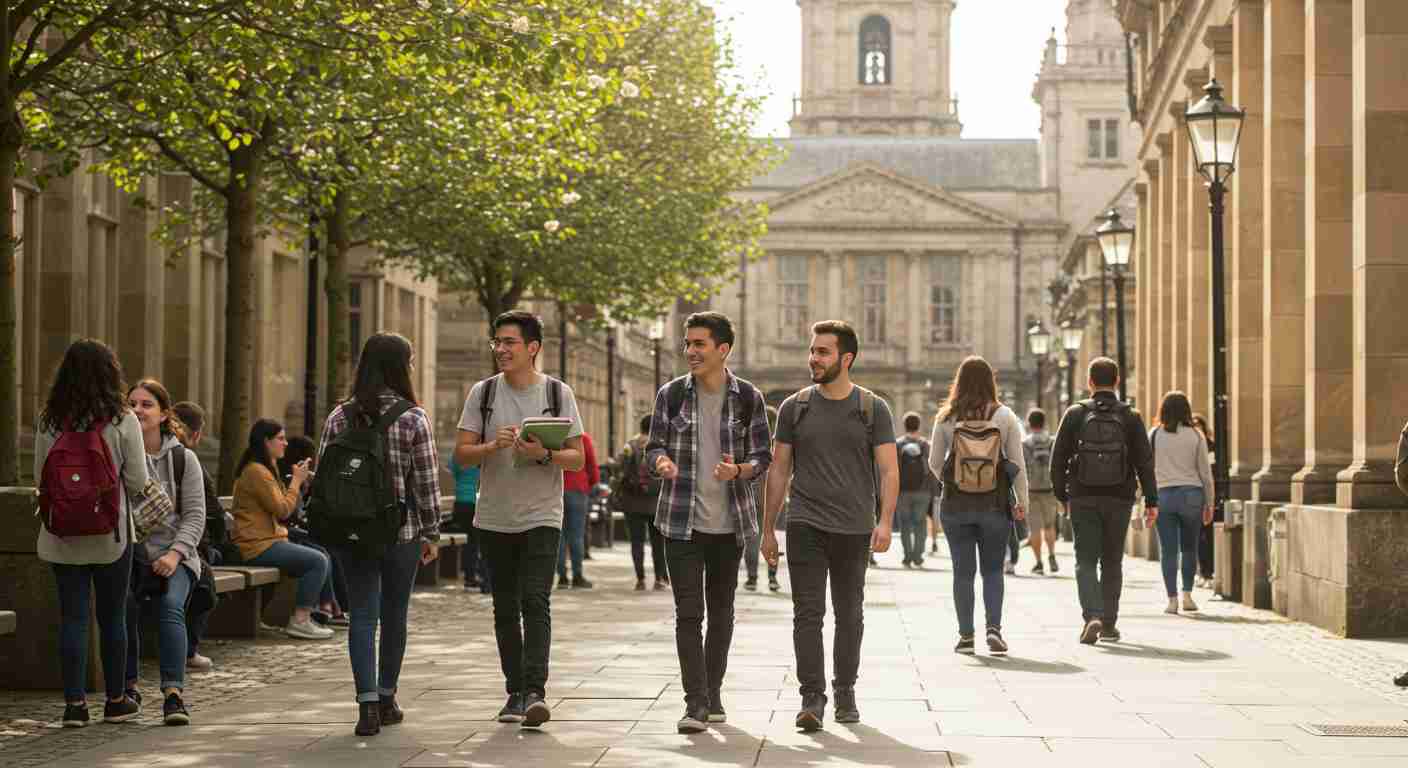
As you embark on your university journey, a foundational step towards a rewarding experience lies in actively forging connections. Kayla Lok, a Boston University student herself, strongly emphasizes the importance of proactively engaging with your peers and professors from the outset. Studies show that initiating conversations with those around you in class, even if it feels a bit daunting, can lead to invaluable study groups, collaborative project partners, and even lifelong friendships. Pay attention here! These casual introductions are the seeds of your academic and social network.
Lok also highlights a crucial avenue for academic support and guidance: professors’ office hours. It’s not just about seeking help when you’re struggling; visiting during office hours is an opportunity to introduce yourself, discuss your interests, and demonstrate your engagement with the course material. According to recent data, professors often view students who utilize office hours as more invested and proactive learners. Here’s an interesting fact: building rapport with your professors can open doors to research opportunities, valuable advice on career paths, and strong letters of recommendation down the line. This aligns with broader advice on building lasting relationships with college professors, who often serve as mentors beyond the classroom. Their expertise and professional networks can be instrumental in shaping your academic and professional trajectory.
Beyond direct academic and social connections, immersing yourself in the university environment itself is key. Treat the campus as a vibrant ecosystem, and don’t hesitate to explore its various nooks and crannies. This initial exploration can foster a sense of belonging and ownership, making the university feel less like an institution and more like your community. Approaching this new phase with a positive mindset is also paramount. Recognizing that everyone is in a similar boat, navigating a new environment and often feeling a mixture of excitement and apprehension, can make the initial steps feel more manageable. Embracing challenges with an open attitude and a willingness to learn will set a strong foundation for your success.
Embracing the City and Prioritizing Well-being: A Balanced Approach to College Life
Stepping beyond the immediate campus environment, the city of Boston itself becomes an integral part of your university experience, much like an extension of the classroom. As Lok advises, embracing the city with a spirit of exploration can significantly enrich your time at university. However, navigating a vibrant metropolis like Boston, especially with a student budget, requires a strategic approach. Fortunately, numerous avenues exist to experience the city affordably. Studies show that utilizing public transportation, such as the MBTA (the “T”), is a highly cost-effective way to traverse the city, allowing you to discover diverse neighborhoods without the expense of car ownership or ride-sharing. Furthermore, don’t underestimate the power of your Boston University ID; many museums, theaters, and attractions offer student discounts or even free admission. Always inquire about student perks before purchasing tickets.
Here’s an interesting fact: making the most of a Boston winter on a budget is entirely possible. While the colder months might suggest staying indoors, opportunities abound for affordable winter fun. Ice skating at the Frog Pond on the Boston Common, for instance, offers a quintessential New England experience. While there are nominal fees for admission and skate rental, it remains a budget-friendly activity, especially when compared to other winter pastimes. For a dose of culture and warmth, major art institutions like the Museum of Fine Arts (MFA) often provide complimentary admission to students with a valid ID, and the Isabella Stewart Gardner Museum offers discounted student rates. These cultural havens provide not only a respite from the cold but also a wealth of artistic and historical exploration. The Boston Public Library, with its stunning architecture and quiet reading rooms, also serves as an excellent, free retreat for studying, relaxing, or attending one of its many complimentary events, such as book talks and film screenings. Even a simple stroll through the snow-dusted Boston Common or Public Garden can be a delightful and cost-free way to experience the city’s beauty.
Concurrently with outward exploration, prioritizing your internal well-being is paramount for a fulfilling university journey. Research consistently highlights the crucial role of self-care in managing the unique stressors of college life. Establishing and maintaining a consistent routine, as recommended by mental health experts, can provide a sense of stability and control amidst academic demands. This includes prioritizing adequate sleep; studies indicate that over half of college students get less than the recommended seven hours, which can negatively impact academic performance and mood. Here’s an interesting fact: regular physical activity, beyond its physical benefits, is a powerful tool for boosting mood, improving cognitive function, and alleviating symptoms of anxiety and depression. Aiming for at least 2.5 hours of exercise per week, whether through campus fitness classes, gym visits, or simply walks, can make a significant difference.
Nutrition also plays a critical role; a balanced diet supports clear thinking, while processed foods can contribute to inflammation and mood disturbances. Staying hydrated is equally vital, as even mild dehydration can mimic symptoms of depression and anxiety. Beyond these foundational elements, incorporating mindfulness, meditation, or gratitude practices can profoundly enhance mental health. These practices, which focus on the present moment and cultivating appreciation, have been linked to reduced stress and improved self-awareness. Moreover, maintaining a clean and organized living space can positively impact your mood and reduce feelings of overwhelm, transforming your dorm room into a sanctuary.
A common apprehension for many first-year students is attending events or exploring the city alone. However, studies suggest that embracing these solo experiences can be a catalyst for building independence and confidence. It’s perfectly normal to feel a bit anxious, but remember that many attendees at campus events may also be experiencing similar feelings, creating an opportunity to connect. Strategies for overcoming social anxiety when attending events alone can be incredibly beneficial. Here’s an interesting fact: rather than trying to hide discomfort, embracing authenticity and letting go of “safety behaviors” like avoiding eye contact or over-rehearsing conversations can actually make you appear more approachable and likable. This aligns with the advice to simply “be yourself.” Practicing self-compassion and recognizing that social interactions are learning opportunities, where progress, not perfection, is the goal, can also ease these anxieties. Making small, achievable goals, such as introducing yourself to one new person, can gradually build your confidence. Furthermore, actively seeking out individuals with shared interests, perhaps through clubs or events, can naturally lead to friendships and alleviate the feeling of being alone. The key is to remember that quality connections often matter more than quantity, and cultivating these relationships, even if they start small, is a vital aspect of personal growth during university.
The Power of Mentorship and Community: Building a Supportive University Ecosystem
The university experience is not solely about academic pursuits; it is profoundly shaped by the strength of its community and the presence of supportive relationships. As Kayla Lok suggests, the act of “paying it forward” by helping new students transition is a cornerstone of a healthy university ecosystem. This sentiment is vividly illustrated by Washington and Lee University‘s International Student Mentors Program. Veronika Kolosova, a graduating senior, describes her involvement as her most cherished W&L experience, emphasizing the profound impact of being the “first indication” of kindness and support for students arriving from across the globe. For those venturing to a new country, this initial friendly face can be a critical anchor. Studies show that this peer-to-peer connection is invaluable for fostering a sense of belonging, particularly for international students who are navigating not only a new academic environment but also a new culture.
The W&L program’s success is also a testament to intentional design and effort. Hunter Swanson, associate director of international education, collaborated with a sociology research lab to develop an algorithm for student pairings and create training resources for mentors. This data-driven approach, coupled with faculty support, ensures that mentors are equipped to guide their mentees effectively. Elena Lee, another student mentor, highlights the joy of hearing diverse stories and serving as a point of contact for practical and social integration questions. This proactive approach, where upper-division students actively welcome newcomers, directly combats the isolation many first-year students might feel. Here’s an interesting fact: research indicates that strong peer connections in the first year of university are significantly correlated with higher retention rates and overall student success.
Forsyth Technical Community College’s faculty mentorship program further underscores the vital role of guidance. By restructuring their advising model, they freed up faculty time, allowing professors to formally engage as mentors. This initiative recognizes that faculty are not just instructors but crucial guides for academic and career planning. Students are introduced to their faculty mentors early on, creating an essential point of contact for support. The program’s key responsibilities include bridging academic learning with career and transfer opportunities, encouraging participation in career fairs, and providing industry insights. This direct faculty involvement, as highlighted by the college, is strongly linked to improved student achievement, with a majority of students believing faculty should act as mentors.
The importance of faculty mentorship extends to building robust professor-student relationships. As the article from St. John’s University emphasizes, professors can be vital support systems, offering guidance through challenging coursework and assisting with major academic decisions. Their mentorship can provide valuable advice, clarify complex subjects, and offer constructive feedback, fostering both academic and personal growth. Matthew de Prado’s experience illustrates this, as faculty inspiration and support directly influenced his career path in advertising. Furthermore, these relationships can significantly benefit students seeking graduate school opportunities, with faculty mentors providing crucial insights and writing strong letters of recommendation. Pay attention here! The effort students invest in engaging with professors—through asking thoughtful questions, utilizing office hours, and participating in research—directly cultivates these beneficial relationships.
Beyond formal programs, the broader university culture plays a significant role in fostering mentorship and community. Trine University‘s “Instant Admission” initiative, for example, aims to break down barriers for marginalized students by providing direct admission and financial aid. Their early engagement strategies, including programs like “Trine Pals” and STEM Camps, facilitate campus exposure and offer mentorship from Trine University students. These early interactions, from elementary school onwards, establish a pipeline of support and familiarity, making the transition to university smoother. As these students progress, they are encouraged to participate in campus visits and competitions, further strengthening their connection to the university. Looking ahead, these students are envisioned to become student ambassadors, assisting new students and incoming freshmen in their acclimation, thus perpetuating a cycle of support and community building. This mirrors Lok’s call to “pay it forward,” creating a sustained network of care and guidance. The commitment to fostering these early connections, even before formal enrollment, demonstrates a university’s dedication to building a truly supportive ecosystem. The ultimate aim is to create an environment where established students naturally extend a welcoming hand to those following in their footsteps, fostering a sense of belonging that is crucial for academic and personal flourishing.
Reference:
- Advice to First-Years From an Upperclassman at Boston University
- Building Lasting Relationships with College Professors: A Guide for Students
- Making the Most of a Boston Winter on a Budget for Students
- Seven Self-Care Tips for College Students
- Navigating Loneliness: Strategies for Making and Keeping Friends
- How to Be Yourself When You Have Social Anxiety
- Washington and Lee University’s International Student Mentors Program Fosters Welcoming Environment
- Forsyth Tech Enhances Student Success with Faculty Mentorship Program
- Education One Welcomes First Cohort of Instant Admit Students to Trine University