
Introduction: The Global Scholars Program as a Model for Future Education
Yet, amidst this cacophony of opinions and rapidly shifting geopolitical sands, a crucial question emerges: how can institutions of higher education best prepare the next generation to not only navigate but also lead in this increasingly complex world? The answer, it seems, lies in fostering innovative, interdisciplinary approaches that bridge the gap between theoretical knowledge and practical application.
Enter William & Mary (2025 USNews Ranking: 54) ’s Global Scholars Program (GSP), a bold initiative designed to do just that. Launched in 2022, the GSP represents a significant step towards redefining the landscape of higher education, offering a year-long, immersive experience that integrates international fieldwork, hands-on policymaking, and mentorship from seasoned global experts. The program, a collaborative effort between the Global Research Institute (GRI) and the W&M Washington Center, with support from the Reves Center for International Studies and Arts & Sciences, isn’t just about acquiring knowledge; it’s about applying it in real-world contexts, from the corridors of power in Washington, D.C., to international hubs like Brussels and Beijing. Beginning in the 2025-2026 academic year, the GSP will further expand its reach with a new themed track focusing on “American Statecraft and Great Power Competition,” directly addressing one of the most pressing geopolitical challenges of our time.
This innovative program aligns seamlessly with William & Mary’s Vision 2026, a strategic plan that prioritizes expanding the university’s global footprint and fostering transformative learning experiences. But beyond institutional alignment, the GSP speaks to a broader, more fundamental shift in the demands placed upon higher education. The challenges facing the world today – climate change, global health crises, economic inequality, and geopolitical instability – are multifaceted and interconnected, defying simple, siloed solutions. Addressing these challenges requires individuals who can think critically, collaborate across disciplines, and translate knowledge into effective action. As higher education evolves to meet these needs, the GSP serves as a compelling case study, demonstrating how universities can adapt to cultivate the next generation of global leaders.
The Imperative of Interdisciplinary Education in Addressing Global Challenges
The need for such adaptation is becoming increasingly clear across the global academic community. Institutions like Oxford University are actively exploring and promoting interdisciplinary research as a key strategy for tackling these multifaceted issues. Professor Christine Gerrard, Director of The Oxford Research Centre in the Humanities (TORCH), emphasizes that universities worldwide are recognizing the enhanced societal impact that comes with breaking down disciplinary silos. This recognition is manifested in various initiatives, from Oxford University Press’s online platform “Intersections” to collaborative calls with the Berlin University Oxford alliance, and the establishment of interdisciplinary fellowships by the Royal Society of Chemistry (RSC). Even traditional academic structures are being re-evaluated, with many universities adapting their courses to encourage interdisciplinary engagement.
The resurgence of interdisciplinarity, initially gaining traction in the 1970s, is fueled by several converging factors. The complexity of modern problems demands holistic solutions that draw upon expertise from diverse fields. There is also a growing desire among scholars to collaborate within a global community, sharing knowledge and perspectives to accelerate progress. The rise of Artificial Intelligence (AI) further necessitates interdisciplinary approaches, as evidenced by Oxford’s Institute for Ethics in AI and the Oxford Internet Institute (OII), which bring together experts from ethics, computer science, and social sciences to address the complex challenges posed by AI. While institutions like Oxford, with their deeply rooted traditions of single-subject degrees, face unique challenges in fostering interdisciplinarity, they are actively seeking to overcome these barriers through initiatives like the Vice-Chancellor’s Colloquium, designed to promote creative thinking and collaborative problem-solving among academics and students from various disciplines.
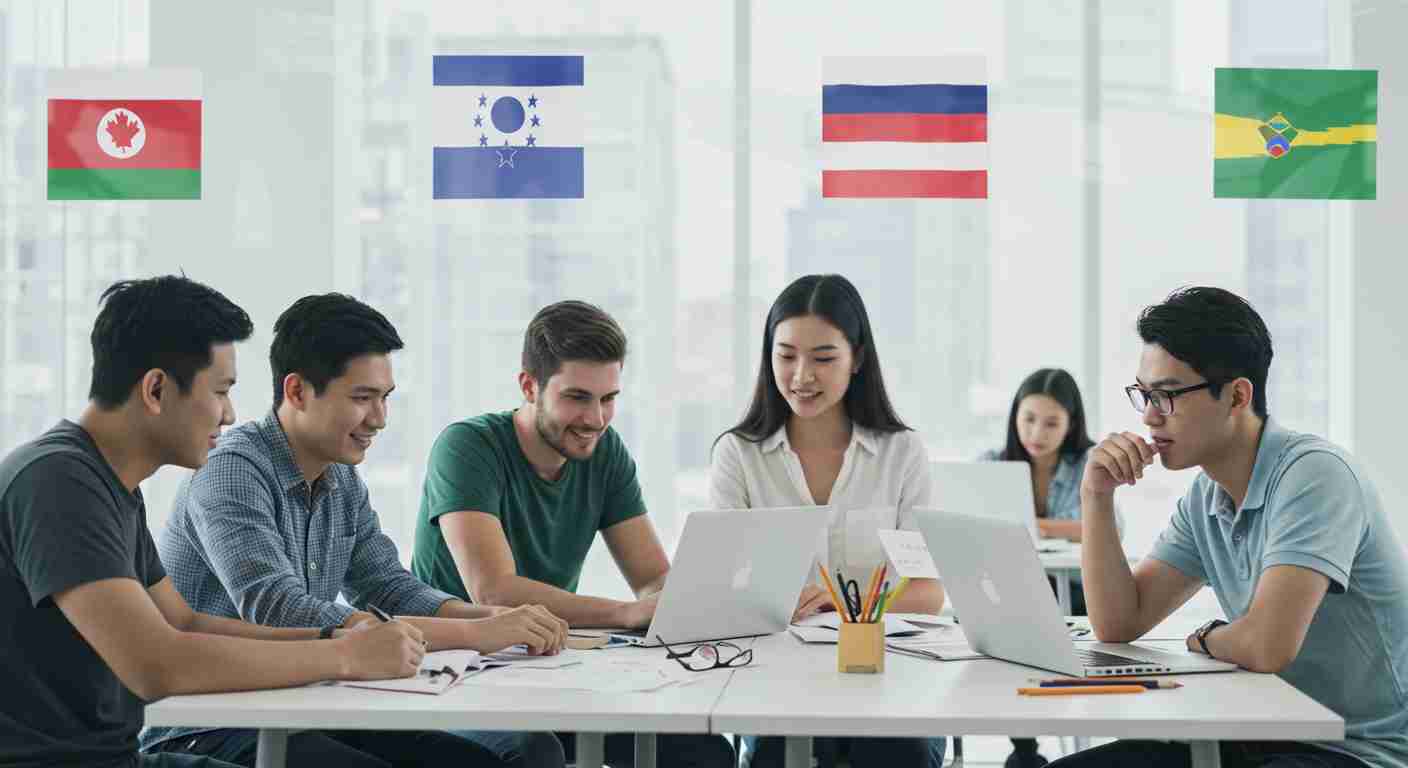
This global trend is further reinforced by initiatives like the U.S. National Science Foundation’s (NSF) Innovations in Graduate Education (IGE) program. The NSF recognizes that addressing complex global challenges requires a new generation of STEM leaders equipped with the skills to collaborate across disciplines and drive innovation. The IGE program funds projects that foster interdisciplinary research and prepare STEM graduates to apply knowledge from various fields to real-world problems. These projects extend beyond traditional university and research lab settings, emphasizing the importance of communication, leadership, and conflict resolution skills in interdisciplinary teams. By empowering a diverse workforce and fostering a global perspective, the NSF aims to accelerate innovation and create solutions that address pressing global issues such as climate change, sustainable food production, and cybersecurity.
The Global Young Scientists Summit (GYSS) in Singapore serves as another powerful example of the international momentum behind interdisciplinary education and collaboration. This annual summit brings together young researchers from around the world to share their work and learn from leading scientists, fostering a culture of collaboration and encouraging participants to look beyond their own areas of expertise. Speakers at the summit consistently emphasize the transformative potential of interdisciplinary approaches, highlighting how sharing ideas and fostering trust among researchers can lead to significant advancements. Professor Dame Sue Black, President of St John’s College at the University of Oxford, shared her own experiences with interdisciplinary collaboration, emphasizing the importance of relying on the expertise of others to achieve breakthrough results. The GYSS underscores the value of collaborative, interdisciplinary approaches in tackling complex global issues, demonstrating that the challenges of the 21st century require solutions that transcend traditional disciplinary boundaries.
The GSP, in its design and execution, embodies these principles. By bringing together students from diverse academic backgrounds and immersing them in real-world policy challenges, the program fosters the critical thinking, collaboration, and problem-solving skills that are essential for success in an increasingly interconnected world. The program’s emphasis on international fieldwork, hands-on policymaking, and mentorship provides students with a unique opportunity to apply their knowledge to real-world problems, preparing them to become effective and impactful leaders in the global arena. The GSP is not simply an academic program; it is a microcosm of the interconnected world, where collaboration and interdisciplinary thinking are not just desirable but essential for addressing the challenges and opportunities that lie ahead.
Preparing Future Leaders for International Policymaking: The Role of Applied Learning
The Global Scholars Program goes further than simply acknowledging the need for practical experience; it meticulously integrates it into the very fabric of the curriculum. Applied learning isn’t a supplementary add-on but a core component, designed to equip students with the tangible skills demanded by careers in international policymaking. The program’s structure is built around immersive experiences, offering students a diverse range of opportunities to engage directly with the complexities of foreign policy and global development. Central to this approach are internships, carefully structured to provide guided experiences in Washington, D.C., the heart of American policymaking, as well as remote and international placements that offer exposure to diverse political and cultural landscapes.
These internships provide invaluable hands-on experience, allowing students to contribute to real-world foreign policy initiatives and global development projects. They work alongside seasoned professionals, gaining insights into the inner workings of government agencies, international organizations, and non-governmental organizations. This direct engagement allows students to translate academic theories into practical strategies, fostering a deeper understanding of the challenges and opportunities facing policymakers today. Complementing these internship experiences is participation in the Washington Center’s D.C. Winter Seminars (DCWS), which serve as a vital bridge connecting students with policymakers and industry experts. These seminars provide a unique platform for students to engage in direct dialogue with leaders in the field, gaining firsthand perspectives on the pressing issues shaping the global landscape.
This focus on practical application aligns with a broader trend in the professional world, as highlighted in a Nature article on science-policy advisors. The article underscores the increasing demand for professionals who possess the ability to bridge the gap between academic research and real-world policy implementation. These advisors play a crucial role in translating scientific findings into actionable policy recommendations, working in high-stakes environments ranging from United Nations assemblies to legislative agencies. The skills cultivated within the GSP, such as critical thinking, communication, and collaboration, are precisely those that enable graduates to excel in these demanding roles, making them highly competitive in the global job market. GSP equips students with the ability to not only understand complex issues but also to effectively communicate and advocate for evidence-based solutions, preparing them to navigate the intricacies of the policy-making process.
The program’s emphasis on applied learning is further illustrated by the types of issues that future policymakers will grapple with. Consider, for example, the Federal Reserve’s readiness to cut interest rates, a decision with far-reaching implications for the global economy. Understanding the economic indicators that drive such decisions, as well as the potential consequences for inflation, employment, and international trade, requires a deep understanding of economic theory and policy. The GSP provides students with the analytical tools and practical experience necessary to grapple with these complex issues, preparing them to make informed decisions in the face of uncertainty. By exposing students to real-world policy challenges and providing them with opportunities to develop practical skills, the GSP is helping to cultivate a new generation of leaders who are equipped to address the complex challenges facing the world today.
Mentorship and Community: Fostering Growth and Leadership in a Global Context
Beyond the curriculum and applied learning experiences, the Global Scholars Program distinguishes itself through its robust mentorship and community-building initiatives. Recognizing that leadership development is not solely an individual pursuit, the GSP fosters a supportive ecosystem where students are connected with a diverse network of mentors and peers who provide guidance, encouragement, and a sense of belonging. At the heart of this ecosystem is a multi-layered mentorship model that connects students with alumni, faculty advisors, and seasoned professionals from various fields. This network of mentors serves as a valuable resource, offering students career insights, advice on navigating their liberal arts education, and support as they explore their professional aspirations. Alumni mentors, having successfully transitioned from the GSP to careers in international affairs, provide invaluable perspectives on the challenges and opportunities that lie ahead. Faculty advisors offer academic guidance and help students connect their coursework to real-world issues. Seasoned professionals, including diplomats, policy analysts, and leaders from international organizations, share their experiences and provide insights into the intricacies of global policymaking.
The emphasis on mentorship aligns with broader trends in leadership development, particularly in fields like global health, as highlighted in articles on women in leadership. WomenLift Health’s Leadership Journey, for example, is a year-long program that equips mid-career women with mentorship, coaching, and leadership development tools to enhance their impact in the global health sector. Similarly, the GAIA Start for Council Creation Program, an initiative by World Merit, provides young changemakers with mentorship and resources to launch impactful projects aligned with the Sustainable Development Goals (SDGs). These programs recognize that mentorship is crucial for empowering individuals, fostering diversity and inclusion, and building a pipeline of future leaders. By connecting students with experienced professionals who can share their knowledge and insights, the GSP is helping to cultivate the next generation of global leaders.
In addition to formal mentorship programs, the GSP actively fosters a strong sense of community among its students. The program is designed to create a peer-to-peer support system where students can learn from each other, share their experiences, and collaborate on projects. This sense of community is fostered through cohort-based learning, group projects, and social events that encourage students to connect with their peers on a personal level. The program’s collaborative environment not only enhances the learning experience but also promotes the development of essential leadership skills, such as teamwork, communication, and conflict resolution. Students learn to work effectively in diverse teams, to listen to different perspectives, and to build consensus around shared goals.
These connections, both with mentors and peers, are instrumental in helping students develop the leadership skills and global perspective needed to make a positive impact on the world. By providing guidance, support, and a sense of belonging, the GSP empowers students to take risks, to challenge themselves, and to pursue their passions. The program’s emphasis on mentorship and community creates a nurturing environment where students can grow both personally and professionally, transforming them into confident, compassionate, and effective leaders. The bonds forged within the GSP extend beyond the program itself, creating a network of alumni and mentors who continue to support and inspire future generations of global scholars. This lasting network serves as a powerful testament to the program’s success in fostering a culture of collaboration, mentorship, and leadership.
Navigating the Future: US-China Strategic Competition and the Liberal Arts in a Shifting World Order
The skills and experiences cultivated within the GSP framework are particularly relevant when viewed against the backdrop of the evolving geopolitical landscape. The intensifying strategic competition between the United States and China presents a complex challenge for future policymakers, demanding a nuanced understanding of both the opportunities and risks involved. Articles analyzing Chinese scholars’ perspectives on US-China relations reveal a growing perception within China that the U.S. is a politically unstable system, regardless of who occupies the White House. This perspective underscores the need for American policymakers to develop strategies that are both robust and adaptable, capable of navigating a relationship marked by both competition and potential cooperation. Programs like the GSP, and specifically its U.S.-China Strategic Competition cohort, are designed to equip students with the knowledge and analytical skills necessary to understand these complex dynamics.
By immersing students in the study of geopolitical and economic tensions, these programs foster a deeper understanding of the historical, cultural, and political factors that shape the relationship between the two countries. Moreover, the upcoming American Statecraft cohort, with its focus on American diplomacy, will further enhance students’ ability to navigate the intricacies of international relations and develop effective strategies for promoting U.S. interests in a multipolar world. These initiatives align with the recommendations put forth in the Carnegie Endowment report on realistic scenarios for coexistence between the U.S. and China. The report emphasizes the importance of pragmatic approaches, resisting both excessive optimism and skepticism, and envisioning a constructive future for the relationship through evidence-based analysis. The GSP, by fostering critical thinking and analytical skills, empowers students to engage with these complex issues in a nuanced and informed manner.
A liberal arts education plays a crucial role in preparing students for this complex world. Beyond specific technical skills, a liberal arts education cultivates critical thinking, adaptability, and cross-cultural understanding—qualities that are essential for navigating a rapidly changing world. It fosters the ability to analyze information objectively, to consider multiple perspectives, and to communicate effectively across cultural boundaries. These skills are particularly valuable in the context of US-China relations, where cultural misunderstandings and misperceptions can easily escalate tensions. As highlighted in a CSIS commentary on China in Latin America, the U.S. faces a growing challenge from China’s increasing influence in the region. Developing a comprehensive U.S. strategy to counter this influence requires a deep understanding of China’s motivations, its approach to international relations, and the specific vulnerabilities of Latin American democracies. Future policymakers, many of whom may emerge from programs like the GSP, will play a crucial role in shaping that strategy, ensuring that it is both effective and sustainable. In conclusion, the GSP, grounded in the principles of a liberal arts education and focused on the pressing challenges of our time, offers a powerful model for preparing students for the complexities and opportunities of the 21st century.
Reference:
- The Global Scholars Program: A Bold Model for Applied Learning, Careers, and Global Impact
- Expert Comment: Is an interdisciplinary research approach key to tackling global challenges?
- STEM Research and Interdisciplinary Collaboration: A Synergy for Innovation and Increased Participation
- Tackling Global Challenges With Interdisciplinary Solutions
- Science-Policy Advisers Shape Programmes That Solve Real-World Problems
- Fed Policymakers Signal Readiness to Cut Interest Rates
- Faculty Selected for Global Health Leadership Program
- Global Action Impact Accelerator (GAIA) Start for Council Creation Program 2025
- Chinese Scholars Highlight Prolonged US-China Competition
- U.S.-China Relations for the 2030s: Toward a Realistic Scenario for Coexistence
- Ending the Strategic Vacuum: A U.S. Strategy for China in Latin America