
The Diverse Tapestry of Cornell University’s Class of 2028
On August 19, 2024, Cornell University welcomed a vibrant cohort of 3,574 new students and 520 transfer students, marking the beginning of the Class of 2028. This diverse group hails from all corners of the United States and 57 countries, bringing with them a rich tapestry of backgrounds and interests that span the realms of art, politics, science, and entrepreneurship. Notably, 16.3% of these students are the first in their families to attend college, a statistic that underscores the importance of access to higher education. Lisa Nishii, the Vice Provost for Undergraduate Education at Cornell, emphasized that despite their varied backgrounds, these students share a common desire to fully engage with the educational opportunities at Cornell, challenge themselves, and explore their identities in relation to others. Many chose Cornell for its longstanding commitment to addressing significant global issues.
Among the new students is Andy Duryea from Alaska, who founded a nonprofit organization aimed at providing luggage, food, and warm clothing to children in need. He expressed his eagerness to connect with peers from diverse backgrounds and learn from their passion for making a difference in the world. The transfer students, too, bring a wealth of life experiences, including 20 veterans. Katherine Ruelan, who served five years in the Marine Corps, transferred to Cornell’s College of Engineering from Rowan University.
International student Keya Aggarwal initiated a movement in India to enhance opportunities for students with disabilities. She hopes to improve assistive technology at Cornell and is committed to developing sustainable self-powered vehicles and devices, believing that engineering is a direct pathway to effecting global change. Other new students, such as Alexandra Michaels and Konny Ezeama, are also actively promoting social responsibility and positive change in their respective fields.
Michaels created a curriculum addressing substance abuse among middle school students and published a work aimed at reducing the stigma surrounding mental health issues. Ezeama collaborates with Black youth in Rhode Island to foster leadership skills and community awareness. The new students are filled with anticipation for Cornell’s courses, clubs, and social networks, eager to find opportunities that will transform their lives.
In summary, the Class of 2028 not only brings diverse backgrounds and experiences but also harbors ideals of changing the world, ready to embark on a new journey at Cornell University.
The Impact of Diverse Backgrounds on Student Experiences at Cornell University
The diversity of the Class of 2028 at Cornell University is not merely a statistic; it is a vital component of the educational experience that enriches the academic environment. The impact of diverse backgrounds on student experiences can be seen in various initiatives and events at Cornell, such as the “Soup & Hope” speaker series, which celebrated its 17th year in April 2024. This series invites speakers to share their life stories, highlighting the struggles and achievements that shape their identities. One particularly inspiring story came from Subash Bhandari, a doctoral student in biomedical engineering who immigrated from Nepal eight years ago. Bhandari’s journey from a home without electricity to pursuing a Ph.D. in the United States exemplifies the resilience and determination that many students from diverse backgrounds bring to Cornell.
The “Soup & Hope” series aims to foster a sense of community by sharing personal narratives that resonate with the audience. Participants, including staff and students, share their experiences, emphasizing the importance of hope in their lives. Joel Harter, the director of the Office of Spirituality and Meaning at Cornell, shared his own story about empathy and interfaith dialogue, underscoring the significance of listening and understanding in today’s society.
The stories shared during this series reflect the broader narrative of the Class of 2028, where students from various backgrounds come together to learn from one another. The diversity of experiences not only enhances individual growth but also cultivates a collaborative learning environment that prepares students to tackle complex global challenges.
The Role of First-Generation College Students in Higher Education
The presence of first-generation college students in the Class of 2028 is particularly noteworthy. Research indicates that classroom diversity significantly impacts academic performance, especially in STEM (science, technology, engineering, and mathematics) fields. A study led by Nicholas Bowman, a professor of educational policy at the University of Iowa, explored the representation of underrepresented minority (URM) students and first-generation college students in STEM courses. The findings, published in the journal AERA Open, revealed that higher representation of these groups correlates with improved academic outcomes for all students.
The study analyzed data from nearly 12,000 students across 20 institutions, demonstrating that as the proportion of URM and first-generation students increased in STEM classrooms, the performance gap between these students and their peers decreased significantly. Specifically, the achievement gap for URM students narrowed by 27%, while the gap for first-generation students decreased by 56%. This research highlights the importance of creating diverse learning environments that not only benefit individual students but also promote educational equity.
In light of recent Supreme Court rulings that restrict race-based admissions policies, the findings of this study underscore the need for colleges and universities to prioritize diversity in their classrooms. Institutions must strive to create environments that foster meaningful interactions among students from different backgrounds, particularly in fields where disparities have historically existed.
Initiatives by Students to Address Global Issues and Social Responsibility
The commitment of Cornell University students to addressing global issues and social responsibility is evident in their initiatives and projects. For instance, the University of Connecticut (UConn) recently announced a new Master of Science program in Social Responsibility & Impact in Business, designed to cultivate professionals capable of making a positive impact in economic, environmental, and social sustainability. This program reflects a growing recognition of the need for systemic change to address pressing global challenges.
The program, developed by the marketing department of the business school, welcomes students from diverse backgrounds and emphasizes the importance of interdisciplinary collaboration. Robin Coulter, the department chair, noted that many students are passionate about social responsibility and are at the forefront of transformative change across various fields. The curriculum will equip students with the knowledge and skills necessary to promote sustainable business models, understand corporate social responsibility (CSR) regulations, and drive global innovation for positive social change.
UConn also offers an accelerated master’s degree program for undergraduate students, allowing them to earn credits that count toward both their bachelor’s and master’s degrees, thereby reducing the overall cost of graduate education. This initiative not only makes advanced education more accessible but also encourages students to engage with social responsibility issues early in their academic careers.
The graduates of this program will be well-prepared for careers as corporate social responsibility managers, market strategists, ESG analysts, sustainability consultants, and policy advocates. The emphasis on collaboration and professional networking within the program will help students build a strong community of like-minded professionals dedicated to making a difference.
The Experiences of Transfer Students and Veterans in Adapting to University Life
Transfer students and veterans represent another vital aspect of the diverse student body at Cornell University. Their unique experiences contribute to the richness of the university community. For example, a report from the University of California system highlighted the success of transfer students in the Class of 2024, with approximately 32% of graduates coming from California community colleges. Many of these students are the first in their families to earn a degree, and their stories reflect the transformative power of education.
Brandon Sánchez Mejia, a transfer student from the University of California-Berkeley, grew up in a challenging environment in El Salvador but persevered through community college to become the first in his family to graduate. His photography, which explores themes of masculinity, was showcased on campus, demonstrating the creative contributions of transfer students.
Similarly, Vinh Ton from the University of California-Davis actively engaged in campus activities to support fellow transfer students, illustrating the sense of community that often develops among students with shared experiences. Tatyana Hazelwood, a transfer student at the University of California-Irvine, achieved a 4.0 GPA in community college and completed two majors after transferring, showcasing the academic potential of transfer students.
The experiences of veterans, such as Shadoe Neri-Dewitt from the University of California-Santa Barbara (2024 USNews Ranking: 35) , further enrich the university environment. Neri-Dewitt utilized veteran benefits to complete her education and plans to pursue a Ph.D. focused on addiction and mental health research. The diverse backgrounds of transfer students and veterans not only enhance the academic landscape but also foster a culture of resilience and determination within the university community.
The Importance of Student-Led Movements for Social Change and Innovation
Student-led movements play a crucial role in driving social change and innovation within higher education. A recent example comes from Florida International University (FIU), where a group of engineering students won a $25,000 prize in a competition organized by the Ford Foundation for their innovative project, “Mango.” This online marketplace aims to connect local farmers with consumers, promoting sustainable agricultural practices.
The “Mango” team, composed of mechanical engineering students, identified logistical challenges faced by small farmers in South Florida’s restaurant industry. Their project not only addresses the demand for fresh, locally sourced food but also empowers farmers by providing them with targeted growth strategies. The success of the “Mango” team in the competition highlights the potential of student-led initiatives to create meaningful solutions to real-world problems.
Kiesha Moodie, the director of social innovation at FIU, emphasized the importance of such competitions in helping students understand complex issues in practice. The “Mango” team plans to continue their efforts by participating in the Hult Prize, a global social innovation challenge that encourages young entrepreneurs to tackle pressing global issues.
The achievements of student-led movements like “Mango” reflect the entrepreneurial spirit and commitment to social responsibility that characterize many students at U.S. colleges and universities. These initiatives not only foster innovation but also inspire a new generation of leaders dedicated to making a positive impact on society.
Conclusion
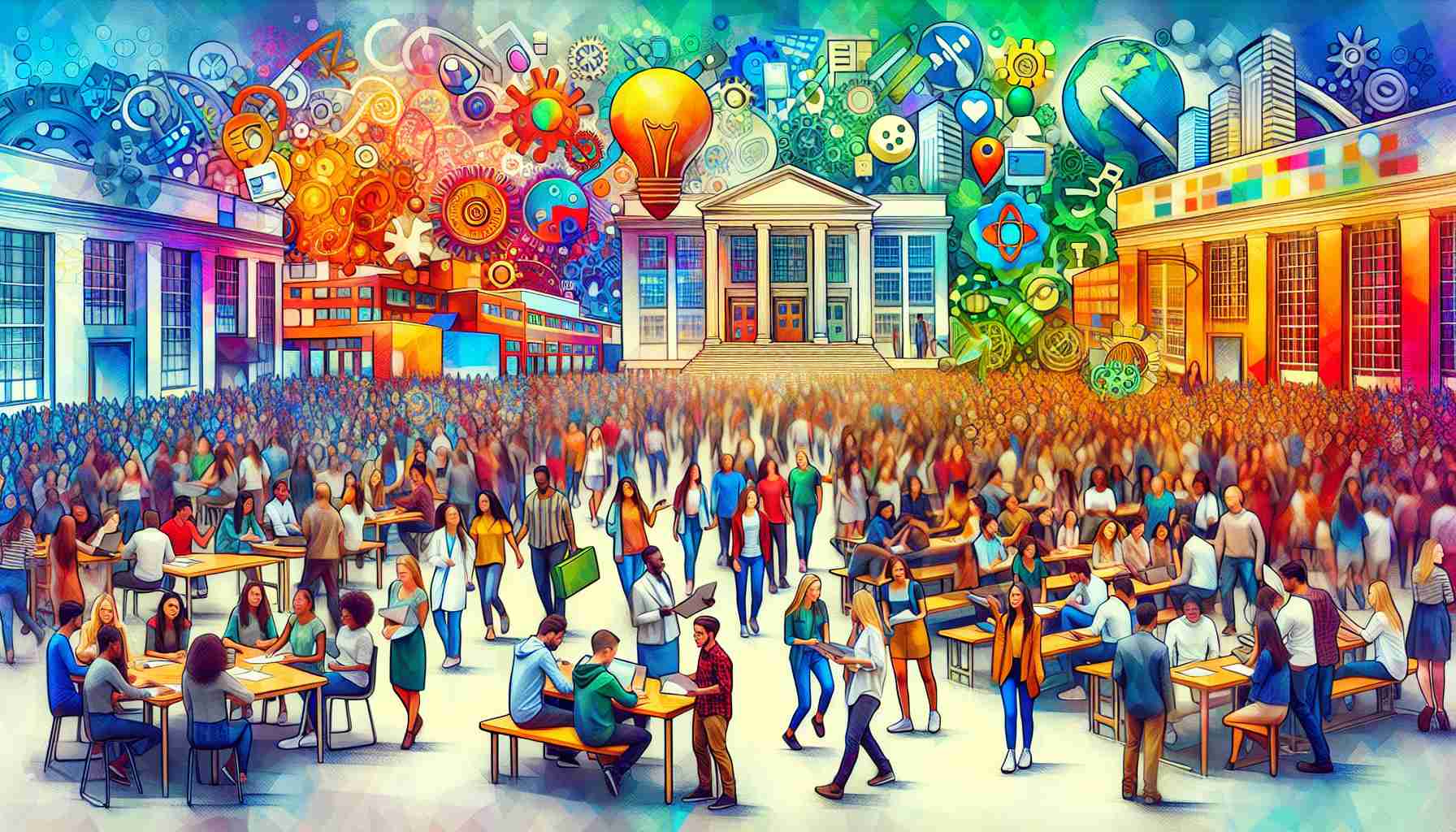
The Class of 2028 at Cornell University embodies a diverse and dynamic group of students, each bringing unique backgrounds, experiences, and aspirations to the university community. Their collective commitment to addressing global issues, promoting social responsibility, and fostering innovation reflects the values that underpin higher education in the United States. The impact of diverse backgrounds on student experiences is profound, as evidenced by initiatives like the “Soup & Hope” series and the research highlighting the importance of representation in academic settings.
First-generation college students play a pivotal role in shaping the educational landscape, and their presence at Cornell underscores the need for institutions to prioritize diversity and inclusion. The experiences of transfer students and veterans further enrich the university environment, fostering a culture of resilience and determination.
As student-led movements continue to drive social change and innovation, it is clear that the Class of 2028 is poised to make a significant impact on the world. Their journey at Cornell University is not just about personal growth; it is about harnessing their collective potential to create a better future for all. In this way, the Class of 2028 is not only embarking on a new academic journey but also taking the first steps toward becoming the changemakers of tomorrow.
News References:
- Class of 2028 Changemakers at Cornell University
- Soup & Hope Speaker Series Inspires with Stories of Perseverance
- Classroom Diversity Linked to Higher STEM Grades
- New Master’s Degree in Social Responsibility & Impact in Business
- Transfer Students Triumph in the Class of 2024
- Student-led AI Innovation Wins $25K in Ford Foundation Competition