
The Transformative Impact of Virginia Tech’s Innovation Campus
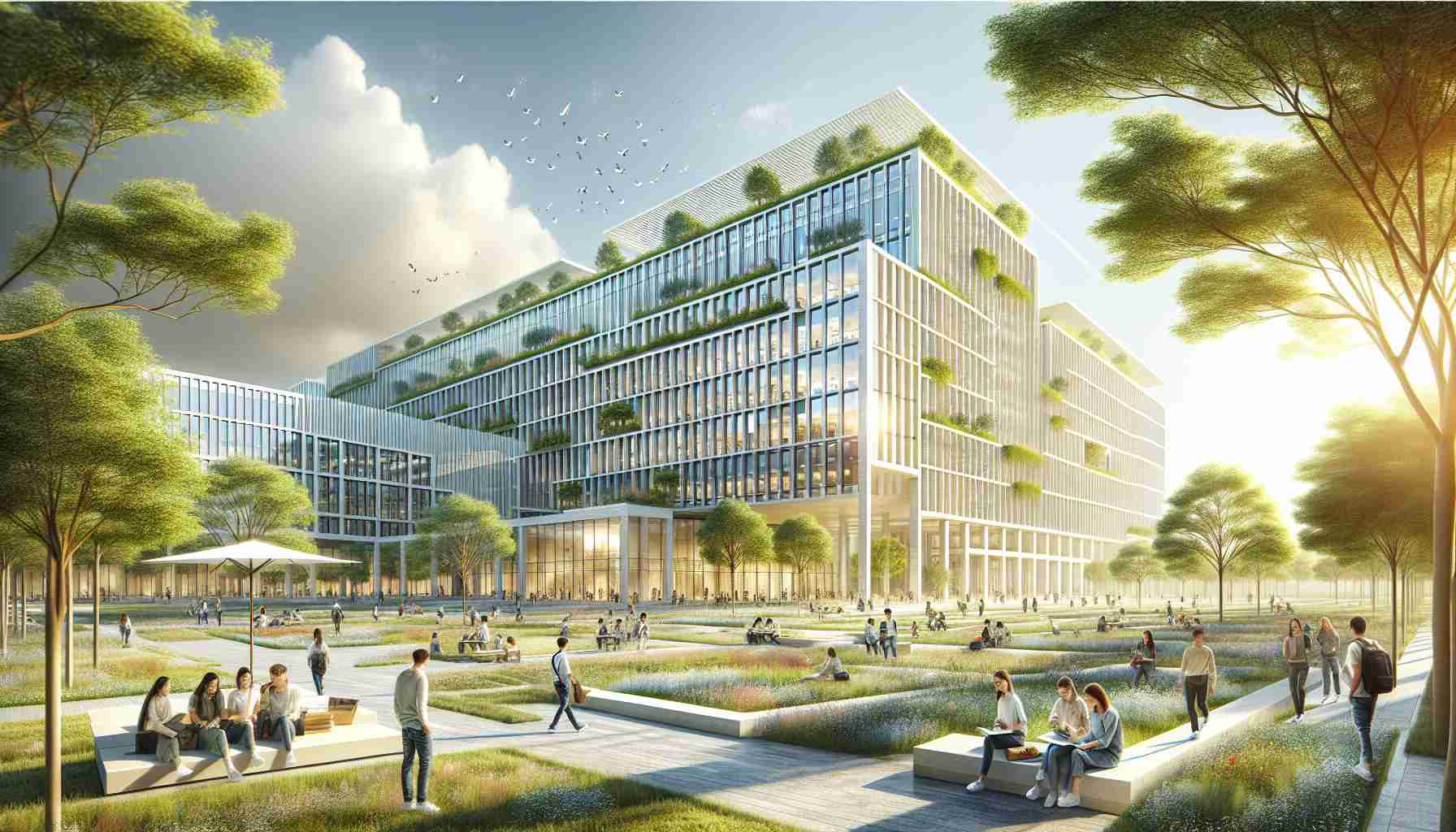
On August 9, 2024, Virginia Tech announced a significant milestone in its ongoing commitment to innovation and education through the development of its Innovation Campus. This initiative is spearheaded by alumnus Sven Shockey, who has played a pivotal role in designing the campus’s first building, Academic Building One. As the Vice President and Design Director at SmithGroup, Shockey’s vision for this 300,000 square-foot, 11-story structure is set to open in the spring of 2025, accommodating 550 master’s students and 50 doctoral candidates, primarily in the fields of computer science and computer engineering. The establishment of this campus is not only a testament to Virginia Tech’s dedication to advancing technology education but also a catalyst for economic growth in Northern Virginia, attracting major corporations like Amazon, Boeing, and Raytheon to the region.
The Economic Ripple Effect of the Innovation Campus
The Innovation Campus is poised to have a profound impact on the local economy. David Baker, the Assistant Vice President and Chief of Staff at Virginia Tech’s Innovation Campus, has been instrumental in fostering collaborations between the university and local stakeholders. His previous experience in government relations has equipped him with the skills necessary to navigate the complexities of urban development and community engagement. The campus’s strategic location in Alexandria, Virginia, has already begun to attract significant investment and talent, which in turn has influenced major corporations to relocate their headquarters to the area.
The influx of students and faculty associated with the Innovation Campus will create a demand for housing, retail, and services, thereby stimulating local businesses. Moreover, the presence of a highly educated workforce will enhance the region’s appeal to tech companies seeking to establish a foothold in a competitive market. As these companies invest in the local economy, they will create jobs, further driving economic growth and innovation.
Sven Shockey: A Journey of Professional Growth
Sven Shockey’s career trajectory is a remarkable example of how education can shape an individual’s professional journey. Graduating from Virginia Tech’s College of Architecture and Urban Studies in 1998, Shockey’s ascent to Vice President and Design Director at SmithGroup is a testament to his dedication and expertise in the field of architecture. His involvement in the design of the Innovation Campus is not just a professional achievement; it is a personal milestone that reflects his commitment to his alma mater.
Shockey’s design philosophy emphasizes the integration of sustainable practices and innovative technologies, aligning with Virginia Tech’s guiding principles for the Innovation Campus. His pride in contributing to the architectural landscape of his university underscores the importance of alumni engagement in higher education. Alumni like Shockey serve as vital links between academic institutions and the professional world, fostering a culture of mentorship and collaboration that benefits current students.
Sustainable Design Principles in Educational Architecture
The design of the Innovation Campus is grounded in sustainable principles that are increasingly vital in modern educational buildings. According to a recent article by the U.S. Green Building Council, there are five key principles for designing regenerative buildings that not only focus on sustainability but also promote harmony with the surrounding ecosystem. These principles include:
-
Relationship with Nature: Buildings should effectively utilize natural resources, such as sunlight and rainwater, to minimize reliance on external resources.
-
Biodiversity: Architectural designs should create spaces that support local ecosystems, fostering habitats for plants and animals.
-
Circular Economy: The use of recyclable and reusable materials is essential to reduce construction waste and promote sustainability.
-
Adaptability: Buildings must be designed to withstand the challenges posed by climate change, ensuring their long-term functionality.
-
Community Engagement: The design process should involve local residents to ensure that the building meets the needs of the community and promotes social sustainability.
By adhering to these principles, the Innovation Campus will not only provide a state-of-the-art educational environment but also serve as a model for future developments in higher education. The emphasis on sustainability aligns with the growing demand for environmentally responsible practices in architecture, making the campus a beacon of innovation in the field.
The Role of Higher Education in Attracting Tech Companies
The relationship between higher education institutions and the tech industry is increasingly symbiotic. As seen in the case of Virginia Tech, the establishment of the Innovation Campus is a strategic move to attract tech companies to Northern Virginia. This trend is not isolated; other regions, such as Houston, Texas, are also witnessing a resurgence in their aerospace industries, driven by educational investments and partnerships.
For instance, the University of Houston (2024 USNews Ranking: 133) has been selected by NASA to establish an aerospace engineering research center, providing students with opportunities to engage in cutting-edge research. Similarly, Texas A&M University has signed a lease to build a $200 million space research institute at the Johnson Space Center, further solidifying Texas’s position as a leader in aerospace activities.
These examples illustrate how higher education institutions can play a crucial role in fostering innovation and attracting industry investment. By developing specialized programs and research centers, universities can create a pipeline of skilled graduates ready to meet the demands of the tech industry. This not only benefits the institutions but also enhances the local economy and job market.
Conclusion
The development of Virginia Tech’s Innovation Campus represents a significant step forward in the university’s mission to foster innovation and education in technology. Under the leadership of alumni like Sven Shockey, the campus is set to become a hub for advanced studies in computer science and engineering, while simultaneously driving economic growth in Northern Virginia. The principles of sustainable design integrated into the campus’s architecture reflect a broader commitment to environmental responsibility and community engagement.
As higher education institutions continue to play a pivotal role in attracting tech companies, the collaboration between academia and industry will only strengthen. The Innovation Campus serves as a model for how universities can leverage their resources and expertise to create a lasting impact on their communities and the economy at large. In this way, Virginia Tech is not only shaping the future of its students but also contributing to the broader narrative of innovation and progress in the United States.