
This article was originally reported in September 2025.
Many students cannot afford to work a summer for free, and many small nonprofits cannot afford to pay interns. Washington University in St. Louis (WashU) addresses both problems through its St. Louis Fellows Program, which places undergraduates in full-time summer internships with local nonprofits, foundations and government agencies and pays them a stipend. In September 2025, WashU reported that the program, which began in 2008 with 12 fellows, had grown to 45 fellows, with plans to expand further (WashU Source, September 26, 2025).
How the program works
The St. Louis Fellows Program is run by WashU’s Gephardt Institute for Civic and Community Engagement. In 2025 fellows received a base stipend of $7,500. Stephanie Kurtzman, the institute’s Peter G. Sortino Executive Director, said the program responds to the fact that many organizations cannot afford interns and many students cannot work unpaid, giving students career and civic leadership experience while helping partner organizations meet mission-critical goals (WashU Source).
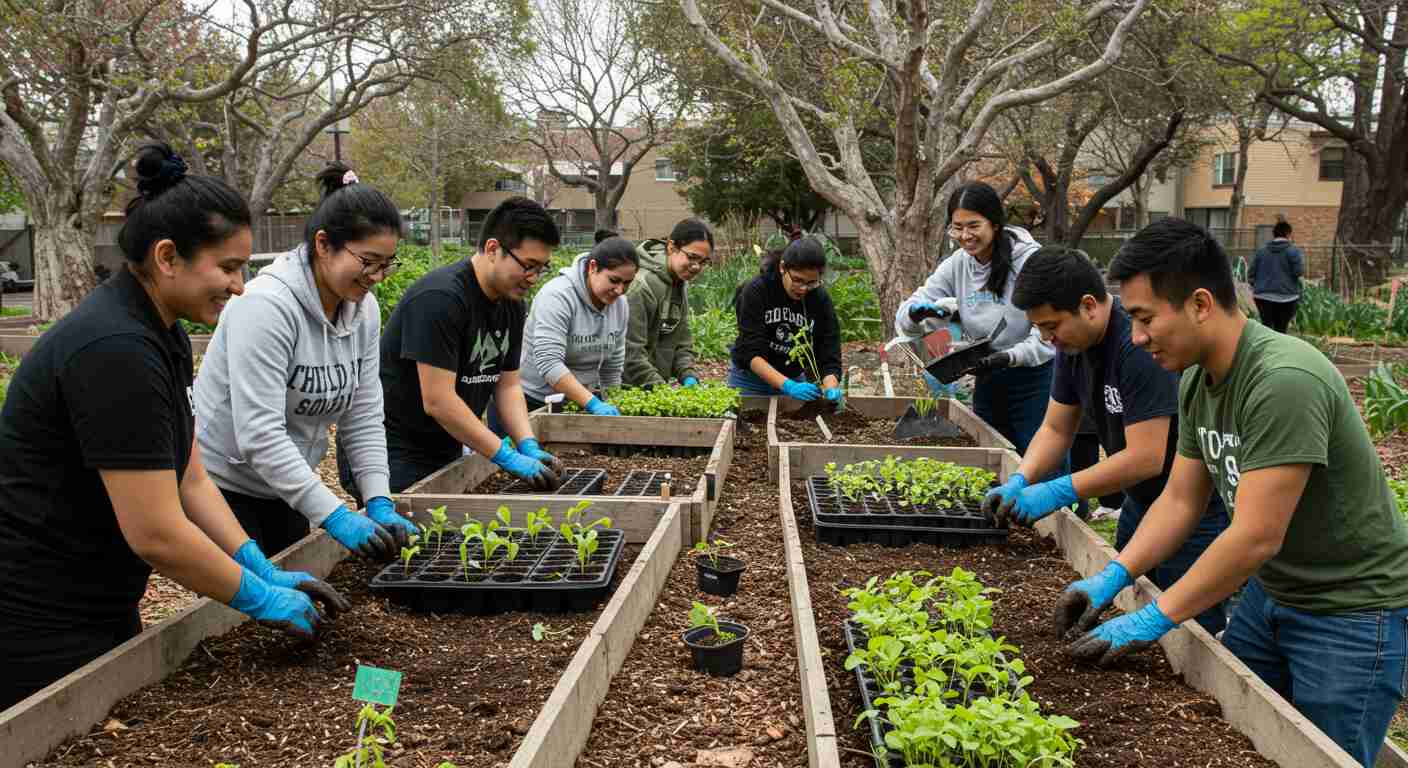
The article followed sophomore Winston Mattson, an environmental analysis major and pre-law student, who spent the summer of 2025 at Seed St. Louis, a nonprofit that supports community gardens. He created storytelling content, worked in gardens the organization supports, met community partners and helped with fundraising. Mattson said the stipend covered his summer living expenses and would help with the fall semester, calling it “a necessity” for many students.
The fellowship is one of several paid-internship programs at WashU. The university also offers stipends for students taking unpaid or low-paid summer internships through its career center; see our report on WashU’s summer internship stipends.
Latest update: summer 2026 and summer 2027
In November 2025 the Gephardt Institute opened applications for summer 2026 fellowships, open to first-year students, sophomores and juniors, with a $7,500 base stipend plus a $1,000 supplement for students with high financial need and a deadline of December 5, 2025 (WashU Source, November 2025).
For summer 2027, the program page lists the following (Gephardt Institute: St. Louis Fellows Program):
- Time commitment: 10 weeks at 35 hours a week with a local organization, plus three in-person training workshops in March and April 2027 (worth one credit hour).
- Curriculum: an overnight retreat in late May, weekly seminars, outings around St. Louis, reflection assignments and a final poster, presented at the institute’s showcase in fall 2027. Fellows are enrolled in a 3-credit St. Louis Fellows course that appears on the fall 2027 transcript.
- Stipends: a base stipend of $6,000 for unpaid internships (reduced by any pay from the host), a $1,500 housing stipend for students from outside the St. Louis region or without free housing, and a $1,000 supplement for students with very high financial need as determined by Student Financial Services. Fellows pay their own housing, food and transportation.
- Dates: applications opened October 14, 2026, and close December 4, 2026; interviews are held in January and February, with decisions in mid-February 2027.
- Eligibility: WashU undergraduates; students cannot take part in both St. Louis Fellows and Civic Fellows in the same year.
What international students should know
- Work authorization comes first. A full-time summer internship at an off-campus organization is employment for immigration purposes, even when the pay comes as a university stipend. F-1 students usually need Curricular Practical Training (CPT), and since August 2026 SEVP has told schools to approve CPT only when the training is a required part of the curriculum (SEVP Broadcast 2608-01). The program page does not address international students, so ask WashU’s Office for International Students and Scholars and the Gephardt Institute before applying.
- Financial-need supplements are determined by WashU’s Student Financial Services. International students who did not apply for need-based aid should check whether they can be considered.
- Look for similar programs. Many universities fund unpaid nonprofit or public-service internships through career centers or civic-engagement offices. The same work-authorization questions apply everywhere.
WashU ranks No. 16 among national universities in the 2027 U.S. News ranking. See our WashU page for admissions, cost and enrollment data.
References
- WashU Source: Career Catalysts: St. Louis Fellows cultivate new talents, help partners meet goals (September 26, 2025)
- WashU Source: Gephardt Institute accepting applications for programs, service award honors (November 2025)
- Gephardt Institute for Civic and Community Engagement: St. Louis Fellows Program
- SEVP Broadcast Message 2608-01 (August 12, 2026)
- Forward Pathway: U.S. College Rankings