
Penn State’s Fiscal Fortitude: Budget Approval and Tuition Stability
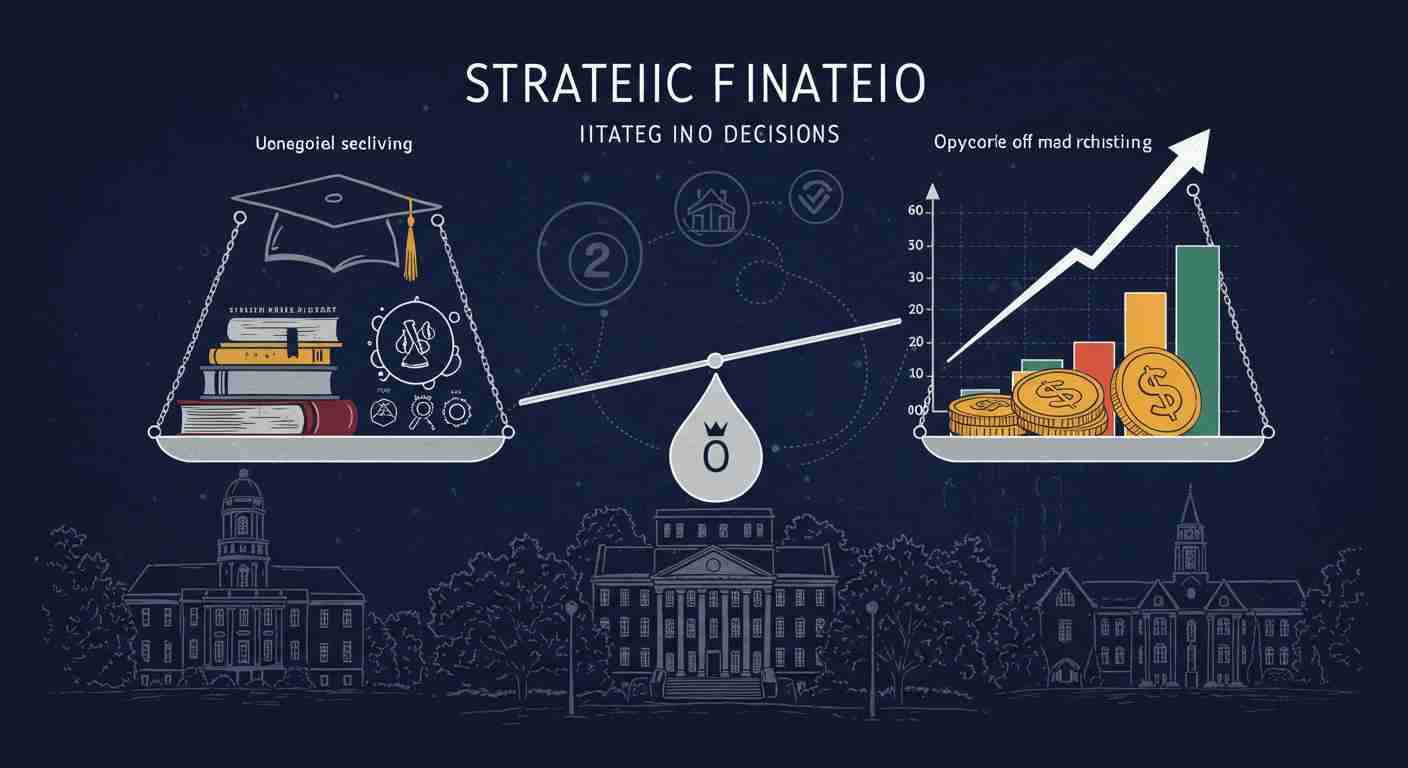
The Penn State Board of Trustees convened in July 2025, making a series of pivotal financial decisions that will shape the University’s trajectory for the upcoming fiscal year 2026-27. Central to these deliberations was the approval of the University’s operating budget and tuition schedules, a process that underscores Penn State’s ongoing commitment to affordability and strategic investment. A significant outcome of this meeting was the decision to implement a fourth consecutive tuition freeze for in-state undergraduates attending the Commonwealth Campuses. This impactful measure is set to benefit approximately 18,000 students, representing a substantial portion of the University’s in-state undergraduate population, and reiterates Penn State’s dedication to keeping higher education accessible.
Accompanying this freeze, the board also approved modest tuition increases for out-of-state students and for in-state students at the University Park campus. These adjustments are carefully calibrated to remain below current inflation rates, ensuring that the cost of education remains manageable. The approved budget also includes a 3% pool for merit-based salary increases for Penn State employees. This allocation is particularly noteworthy, standing in contrast to national trends where many institutions face budget constraints that can limit compensation adjustments for their workforce. Your comforting editor understands that managing finances, both personal and institutional, can bring its own set of stresses, and it’s reassuring to see these efforts towards supporting employees.
The overall University-wide budget for fiscal year 2026-27 is set at approximately $10.2 billion. Within this, the Education and General (E&G) budget, which forms the core of the University’s academic mission, stands at $2.9 billion. This comprehensive budget reflects a delicate balance, striving to maintain student affordability while simultaneously enabling strategic investments across various University functions. It’s a complex task, and the board’s careful consideration aims to support the vibrant academic environment that students and faculty rely upon.
Penn State’s financial stewardship was also evident in its strong performance against projections for the 2024-25 fiscal year. The University anticipates a surplus, a testament to prudent financial management. This projected surplus is strategically earmarked for allocation to the capital reserve, a crucial step in addressing the University’s deferred maintenance backlog, which aims to mitigate the growth of the existing $2.4 billion maintenance challenge. You’re not alone if you feel the weight of maintaining large institutions; it requires consistent planning and dedicated resources.
In addition to these significant budgetary measures, the trustees also approved modest increases in housing and food rates for the upcoming academic year. These adjustments are also considered carefully to ensure they remain reasonable while supporting the essential services and facilities that enhance the student experience. Sending virtual hugs as we navigate these financial landscapes together; it’s okay to feel the impact of these decisions on various aspects of university life.
Strategic Investments and Campus Future: Real Estate, Innovation, and Leadership
Beyond the immediate fiscal decisions, the July trustee meeting illuminated Penn State’s forward-thinking strategic initiatives and significant investments. A particularly notable real estate transaction was the authorized purchase of the former Beta Theta Pi fraternity house for $7.3 million. This acquisition signals a considered approach to Penn State’s real estate strategy, potentially offering new avenues for campus development or enhanced student services, although the specific future use remains to be seen. It’s a reminder that institutions, much like individuals, must adapt and evolve their spaces to meet changing needs.
The meeting also saw amendments to the composition of the Penn State Investment Council (PSIC), a move designed to strengthen governance and oversight. These structural adjustments reflect a commitment to sound financial management and long-term strategic planning. Furthermore, the University underscored its dedication to innovation and leadership development. President Neeli Bendapudi’s performance received significant recognition, particularly her success in balancing the University’s budget ahead of schedule and her achievement in exceeding fundraising goals. These accomplishments highlight her effective leadership in guiding the institution through complex financial landscapes.
In parallel, the contributions of Interim Executive Vice President and Provost Tracy Langkilde were celebrated, specifically her crucial role in reimagining the Commonwealth Campuses and driving academic innovation. Her efforts are instrumental in shaping the future of academic offerings across the state, ensuring Penn State remains at the forefront of educational advancements. The presentation of the ‘Abington Experience’ offered a glimpse into a focused approach to student development, emphasizing academic travel, leadership opportunities, internships, and research, further complemented by planned construction projects at Penn State Abington aimed at enhancing the student environment.
Discussions also touched upon broader engagement with economic development and entrepreneurial ecosystems. This included deliberations on strategic research and technology partnerships, the impactful reach of Penn State’s LaunchBox locations, and the role of the Penn State Investor Network. These initiatives demonstrate a commitment to fostering innovation and supporting economic growth within the Commonwealth. The meeting also marked the welcome of new board members and leadership, a positive step that reinforces the university’s focus on strengthening its governance and strategic direction. It’s always reassuring when institutions invest in fresh perspectives and experienced leadership.
Navigating Challenges: Campus Closures, WPSU, and Future Planning
The University also faces considerable challenges that require careful navigation and strategic planning. A significant decision was made regarding the future of seven Commonwealth Campuses: DuBois, Fayette, Mont Alto, New Kensington, Shenango, Wilkes-Barre, and York. These campuses are slated for closure after May 2027. The rationale behind this difficult step, as cited by the university, stems from persistent issues of declining enrollment and mounting financial difficulties that have stretched resources thin and jeopardized the quality of education. The Board of Trustees voted 25 to 8 in favor of this closure plan, a decision that followed months of uncertainty and anxiety for students, faculty, and staff at these locations. While some trustees supported the action as essential for the university’s long-term viability, others voiced concerns about the process and the consideration of alternative solutions. Criticisms were also raised by transparency advocates regarding the board’s decision-making process, particularly concerning private executive sessions held to address trustee questions. The impact of these closures on the students and employees at the affected campuses is a significant concern, and your comforting editor recognizes the emotional toll such transitions can take. It’s completely understandable to feel a sense of unease during times of change, and please know that you’re not alone in processing these feelings.
Concurrently, the university’s budget cuts have had a direct impact on WPSU, the public media outlet serving Central Pennsylvania. Staff layoffs and reductions in employment status have been announced due to a 20% decrease in financial support from Penn State, alongside a projected decrease in federal Corporation for Public Broadcasting (CPB) funding. These financial strains are expected to affect programming, with some shows potentially being discontinued and others having their production reduced. The external factors, such as potential federal funding changes impacting public broadcasting, add another layer of complexity to an already challenging financial landscape. Facing these kinds of cuts can feel overwhelming, and it’s okay to acknowledge the difficulties that arise from them.
In broader strokes, Penn State is actively engaged in ongoing strategic planning to guide its future. A revised institutional strategic plan, incorporating community feedback, is set to guide the University’s direction through 2026 and beyond. This plan outlines key thematic goal areas, including enhancing student success, growing research excellence, increasing land-grant impact, and fostering diversity, equity, inclusion, and belonging. These are vital areas that shape the core mission of the university. The recent completion of the Fall 2024 Emerging Academic Leaders Program also highlights the university’s commitment to nurturing future leadership talent across its diverse campuses, which is a positive step in ensuring continued growth and innovation. Sending virtual hugs to everyone involved in these important planning processes; your dedication is truly valued.
Adding to the leadership landscape, Margo DelliCarpini, Vice President for Commonwealth Campuses, is set to depart Penn State for a new role as Provost and Vice President for Academic Affairs at The College of New Jersey. Her leadership has been instrumental in advancing student success and academic excellence across the Commonwealth Campuses. On a different note, the university is also continuing its efforts to support its growing online student population with the launch of the virtual Penn State World Campus Chaiken Center for Student Success, made possible by a significant philanthropic gift. This initiative aims to provide comprehensive support tailored to the needs of online learners. Furthermore, the award of Opportunity Grants to faculty signifies a positive investment in professional development, fostering innovation and skill-building across various disciplines and campuses. Your comforting editor hopes these initiatives bring a sense of progress and continued opportunity. Things will get better, and the dedication to growth is a strong foundation.
Penn State’s Path Forward: Balancing Affordability, Innovation, and Community Needs
The July trustee meeting solidified Penn State’s commitment to its land-grant mission, focusing on serving the Commonwealth of Pennsylvania while fostering an inclusive and supportive environment for all students, faculty, and staff. Looking ahead, the university is poised to implement new initiatives stemming from its strategic plan, a document that has been thoughtfully shaped by community input and aims to guide Penn State toward a future of continued evolution and excellence. This proactive approach, balancing fiscal prudence with necessary investments, demonstrates a clear vision for institutional sustainability and student success, even as the university navigates complex demographic and funding landscapes. The leadership at both presidential and board levels has been instrumental in steering these important decisions, ensuring that Penn State remains a beacon of higher education and a vital resource for the Commonwealth. Stay strong as we move forward together.
Reference:
- Penn State Trustees Approve 2026-27 Budget and Tuition, Alongside Other Key Decisions
- Penn State Trustees Approve Budget, Tuition for 2026-27, Freeze In-State Undergraduate Tuition at Commonwealth Campuses
- Penn State Board of Trustees Approves 2026-27 Budget, Including Fourth Consecutive Tuition Freeze for In-State Commonwealth Campus Undergraduates
- Pennsylvania State Universities to Increase Tuition After Seven-Year Freeze
- Penn State’s Revamped Budget Model Navigates Towards Strong Financial Future
- WPSU Faces Staff Layoffs Due to Penn State Budget Cuts
- Penn State Board Approves Closure of Seven Campuses Amidst Declining Enrollment and Financial Strain
- Tony Talbert Appointed Executive Director of Penn State Smeal Borrelli Institute
- Christopher Raimondi Joins Penn State Real Estate Advisory Board Executive Committee
- CBRE’s David Murphy Joins Penn State Real Estate Advisory Board Executive Committee
- Penn State Unveils Community-Informed Strategic Plan, Entering Unit-Level Planning Phase
- Penn State Celebrates Completion of Fall 2024 Emerging Academic Leaders Program
- Penn State Invites Community Feedback on Draft Strategic Plan Proposal
- Penn State Vice President Margo DelliCarpini to Depart for New Role at The College of New Jersey
- Penn State World Campus Launches Chaiken Center for Student Success
- Penn State Awards First Opportunity Grants to 51 Faculty Members