
Navigating the Transition: Penn’s Comprehensive Move-In and Orientation for Fall 2025
The University of Pennsylvania (2025 USNews Ranking: 10) is orchestrating a meticulously planned Welcome Wagon for its incoming undergraduate class of nearly 6,000 students for the Fall 2025 semester. This grand arrival and integration process is a multi-stage affair, kicking off on August 18th and extending through August 24th, ensuring a systematic absorption of new faces into the vibrant campus ecosystem. The initial wave on August 18th is reserved for international students, Exchange at Penn (EAP)/IGSP students, Penn First Plus students, and transfer students, setting a global and inclusive tone from the outset. Following closely, first-year students will descend upon campus on August 19th and 20th, with returning students completing the influx on August 23rd and 24th.
Accompanying this logistical ballet is a robust New Student Orientation (NSO) and Second-Year Orientation program, running concurrently from August 20th to August 25th. Oh, the excitement! Students can look forward to a veritable smorgasbord of activities designed to acclimate them to the Penn way of life. This includes the essential New Student Resources Fair, a welcome event featuring the President and Provost for first-year families (because who doesn’t love a parental send-off?), and crucial College House meetings to establish those all-important residential bonds. Penn Spirit Day, complete with a Class of 2029 photo, promises to instill that much-coveted school pride. Specialized sessions like PHINS (Peers Helping Integrate New Students) Orientation Group Activities and Consent Circles are also on the docket, ensuring that new Quakers are not only academically prepared but also socially and ethically aware. And what could possibly go wrong with adding a mandatory “Welcome to the Penn Community” event, a “Highball to Hey Day,” and an “Evening at Penn Library” to the mix?
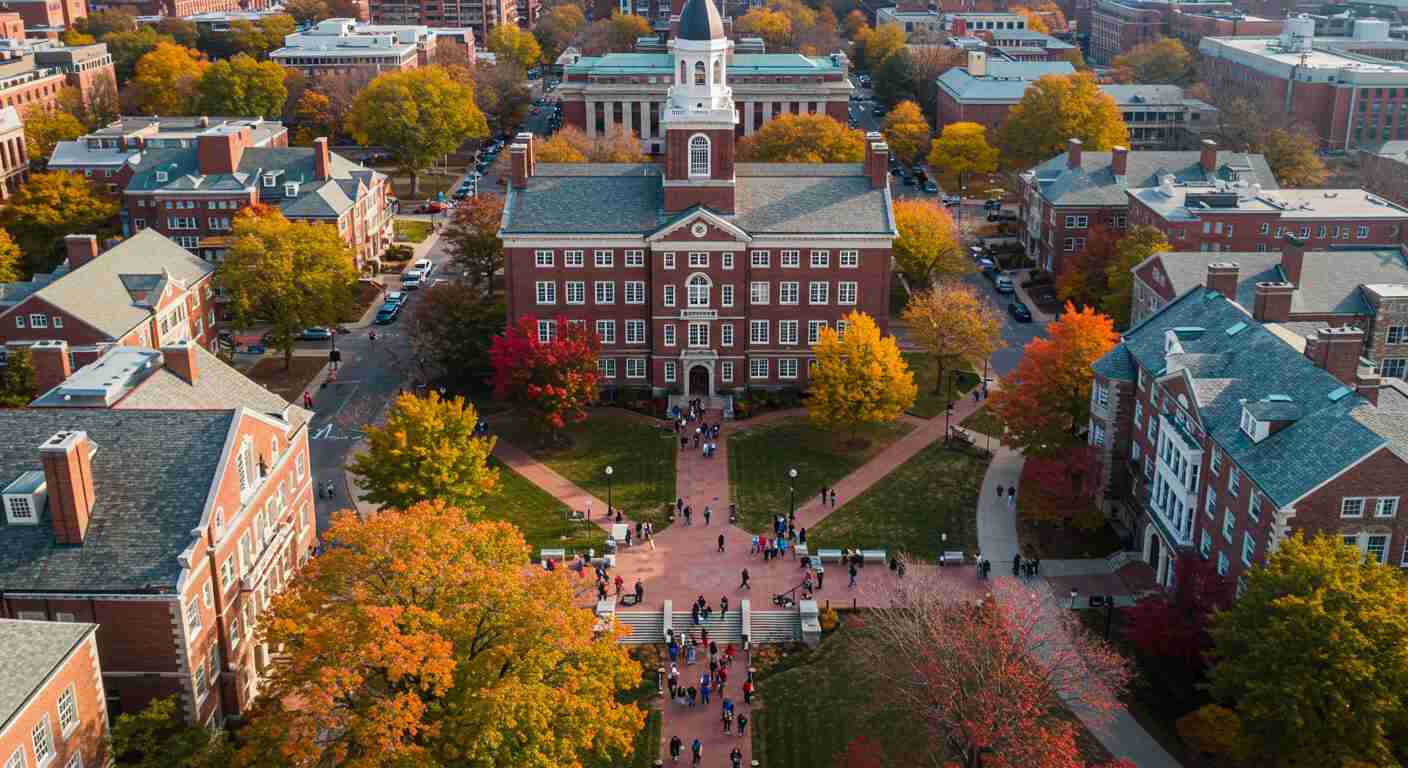
Preparation, as always, is key. Penn is strongly urging students to consult the comprehensive “Before You Move-In” guide, a veritable bible for navigating the pre-arrival phase. This includes the all-important task of setting up their PennKey accounts – because without it, how will they even exist in the digital realm of Penn? Packing advisories are also being disseminated, presumably to prevent the age-old freshman mistake of arriving with only a toothbrush and a dream. For those concerned about the vehicular chaos that inevitably accompanies thousands of families descending upon a city, the Division of Public Safety is offering traffic and construction advisories. Families are encouraged to sign up for email notifications, a sure-fire way to stay ahead of the curve. And for the actual unloading? Fear not, for one hour of free street parking is available for immediate unloading needs, and complimentary parking passes for designated campus garages will be dispensed at check-in sites. Need a hand getting those boxes up three flights of stairs? Moving carts will be readily available, and staff will be strategically placed at drop-off locations and information booths within College Houses to provide assistance.
The check-in process itself is being streamlined through a mobile system via the RHS Portal. Students will need their PennKey login and verification questions, a digital handshake confirming their arrival and residency. Upon completion, those coveted PennCards will be issued, marking the official transition from prospective student to bona fide Quaker. And naturally, no student experience is complete without the sustenance to fuel it. Penn Dining is ensuring that bellies are filled from day one, with several dining halls, including Hill College House and the Class of 1920 Commons, opening their doors on August 18th, joined by Falk at Penn Hillel (a kosher café, naturally). Lauder College House and English House (complete with its own halal café) will follow suit on August 19th. And for the duration of the orientation period, these meals are complimentary for students and their registered guests. A truly generous welcome, wouldn’t you agree? After all, what’s a move-in without a few free meals to ease the transition? All dining cafés will then swing into full operation on August 26th, coinciding with the first day of classes.
Beyond the Basics: Exploring Penn’s Holistic Support Systems and Academic Readiness
The university, in its commitment to fostering a well-rounded student experience, also offers a robust suite of support structures and academic preparations designed to ensure that incoming Penn students are not just ready for their coursework, but also equipped to thrive personally and professionally. At the forefront of this initiative is ‘Wellness at Penn,’ a comprehensive program that prioritizes the health and well-being of the entire campus community. The Public Health and Wellbeing team, under this umbrella, provides essential guidance on critical health matters, including detailed information on immunization requirements and health insurance options. For immediate medical and mental health support, the Student Health and Counseling team, reachable at 215-746-WELL (9355), stands as a vital resource. This integrated approach to student well-being is further elaborated in the Penn Today wellness series, which champions a holistic view of health that extends beyond physical ailments.
A particularly noteworthy component of this broader strategy is the ‘i care’ training program. This initiative is designed to empower students, faculty, and staff with the skills necessary to identify and respond effectively to individuals who may be experiencing distress or navigating a crisis. Oh, brilliant! Who knew we’d all be trained as de facto therapists? The series also highlights the profound impact of nature on mental health, drawing attention to the University’s own campus arboretum. Are we really surprised that a bit of greenery can do wonders for the soul? This focus aligns perfectly with a national trend that has seen a significant increase in mental health awareness and resource utilization within higher education institutions. Take Penn State, for instance, which has been actively reminding its students of the wealth of mental health resources available, a proactive stance in the face of rising national concerns about student anxiety and stress. Their “Red Folder” initiative, aimed at teaching faculty and staff how to “Recognize, Respond and Refer” students in need, is a testament to this growing emphasis on mental well-being across campuses.
Beyond these campus-wide initiatives, Penn also offers specialized pre-orientation programs designed to ease the transition and foster a sense of belonging even before classes begin. Among these is the Penn Global Mosaic program, a pre-orientation initiative sponsored by Penn Global and the International Student and Scholar Services (ISSS). This program is crafted for incoming first-year undergraduates eager to broaden their global perspectives and cultivate essential skills for global leadership. It aims to foster intercultural competencies and build community by connecting students with a diverse cohort. The program typically includes an off-campus retreat, offering a unique setting for team-building, games, and structured group experiences that delve into global issues and international opportunities at Penn. For those considering participation, key dates for the application process are usually released in the spring, with information on program fees and scholarship opportunities available to ensure accessibility. Applications typically open in May, with decisions released in July and acceptances due in late July, allowing participants to move in early in mid-August, just in time for International Student Orientation and the main New Student Orientation. The program fee, usually around $375, covers early move-in, transportation, accommodation, meals, and program activities, making it a structured yet accessible entry into campus life.
In the broader educational landscape, understanding the academic calendar is also crucial. Penn’s first day of classes for Fall 2025 is scheduled for August 26th. This date can be contrasted with other educational institutions to illustrate the varied rhythms of the academic year. For example, the School District of Philadelphia has approved its academic calendar for 2025-2026, with the first day of school set for Monday, August 25, 2025, a mere day before Penn’s classes begin. Meanwhile, the State College Area School District (SCASD) has aligned its 2025-2026 calendar to commence on Tuesday, August 26, 2025, the very same day Penn students start their classes, partly to accommodate Penn State University’s fall semester start. Penn State itself, at its University Park campus, has set its Fall 2025 commencement for Sunday, December 21, a date chosen to avoid conflict with a potential NCAA College Football Playoff event. It’s quite the juggling act, isn’t it? Each institution, with its unique start and end dates, reflects distinct priorities and community needs. Sure, it all makes perfect sense when you consider the various stakeholder groups involved.
Campus Life and Student Experience: Dining, Housing, and Community Engagement
When it comes to the nitty-gritty of student living and how these eager minds integrate into the broader university tapestry, Penn certainly isn’t shy about laying out the roadmap. For the Fall 2025 semester, Penn Dining is rolling out the red carpet, or perhaps the dining hall placemat, with various facilities ready to serve from August 18th onwards. Hill College House and the Class of 1920 Commons are slated to open their doors on August 18th, with the latter helpfully offering halal options. Falk at Penn Hillel, a kosher café, also opens its doors on the same day. Lauder College House and English House, boasting its own dedicated halal café, join the culinary fray on August 19th. And, as a particularly sweet gesture, all these meals for students and their registered guests during the orientation period are complimentary. Oh, how generous! It’s almost enough to make you forget about the impending mountain of tuition fees. All dining cafés will officially commence full operations on August 26th, the very same day classes are scheduled to begin. A seamless transition, wouldn’t you say?
But what happens after the complimentary meals run out and the realities of student finances kick in? This is where the debate among upperclassmen truly heats up. Many are now weighing the perceived value of university-provided dining plans against the allure of alternative meal options, which often involve a healthy dose of home cooking and dining out. The reasons are varied, but cost, quality, and variety, especially for vegetarian students, consistently emerge as key concerns. Sareena Patel, a vegetarian junior, found the offerings “not worth the money,” opting instead for weekly grocery shopping and the decidedly less glamorous, but presumably more affordable, task of preparing her own meals. Manav Parikh, another vegetarian junior, echoed these sentiments, noting his own transition from frequent dining out to more home-cooked meals, aiming to expand his culinary repertoire beyond basic pasta and eggs. Adrian Rafizadeh, a Wharton junior, similarly questioned the value proposition, deeming the cost disproportionate to the food quality. Richard Zhang, an engineering junior, bluntly stated that nearby restaurants offered comparable or better food at a similar or lower price point. Lila DiMasi, a College senior, prioritized financial considerations, even experiencing adverse physical reactions to certain dining hall foods. It seems the convenience of a meal plan is no longer enough to sway everyone, especially when the specter of cooking three meals a day looms large.
Across the collegiate landscape, other institutions are also grappling with similar financial realities, often leading to adjustments in their own student sustenance programs. Take Marywood University, for instance. Following extensive feedback, they’ve introduced a new, specialized meal plan for residents of the Woodlands apartments, the “Woodlands Block,” requiring 75 swipes and 200 dining dollars per semester. This is a move motivated by the fact that a significant portion of Woodlands residents already participate in meal plans, and each apartment is, rather conveniently, equipped with a full-size kitchen. Yet, some residents express concern about the mandatory nature of the plan, with one student questioning the utility of dining dollars outside specific locations. Oh, the horror of being forced to eat on campus! Meanwhile, commuter meal plans have also seen revisions, with the Silver and Platinum plans being updated. These adjustments, according to Robert Misko, Executive Chef and Director of Dining Operations, are intended to encourage greater participation from the commuter community. Despite these efforts, some commuter students still find upfront meal plan purchases financially questionable, particularly when they have a plethora of off-campus dining options at their disposal.
Then there’s Penn State, bless its heart, proposing modest increases to housing and food rates for the 2026-27 academic year. The proposed aggregate increase at the University Park campus is a mere 2.85%, which amounts to $198 per semester for a standard double room and the mid-level meal plan. According to Sara Thorndike, senior vice president for Finance and Business, these increases are “necessary to cover rising expenses such as food, fuel, utilities, supplies, employee salaries and benefits, facilities upkeep, and debt service.” Naturally. What could possibly go wrong with passing those rising costs onto the students? This comes on the heels of a decade-long trend of increased mental health services utilization among college students nationally. Penn State President Neeli Bendapudi, however, seems to have a firm grasp on how to foster student success and belonging, emphasizing the critical role of New Student Orientation (NSO). She views NSO as the initial opportunity to truly welcome new students as “Penn Staters,” providing them with the necessary information and resources for a successful transition. It’s all about making that massive institution feel like a welcoming home, where “every door is open.” Who saw this coming?
Penn State even employs creative approaches to orientation, like the musical theatre show, “Results Will Vary*.” Bendapudi described this as a memorable capstone, demonstrating the arts’ power to enhance student learning. Post-performance surveys reportedly show a positive influence on students’ recall of available resources, including mental health support. It seems that turning complex campus information into a song-and-dance routine is the new pedagogical frontier. This emphasis on NSO as a linchpin for success and integration echoes across the higher education sphere. At Penn, for instance, the Penn Global Mosaic program serves as a pre-orientation initiative for incoming undergraduates, aiming to broaden global perspectives and cultivate leadership skills. This program, typically featuring an off-campus retreat, is designed to build community and foster friendships among a diverse cohort of peers. It’s all part of the grand design to ensure that every student, from the moment they step foot on campus, feels supported, engaged, and ultimately, a part of the Penn family. And really, what more could a student want?
Reference:
- University of Pennsylvania Releases Comprehensive Move-In Guide for Fall 2025
- School District of Philadelphia Adopts 2025-2026 and 2026-2027 Academic Calendars
- SCASD Approves 2025-26 Academic Calendar, Aligning with Penn State and Grange Fair Schedules
- Penn State Announces Fall 2025 Commencement Date for University Park Campus
- Penn State President Highlights Student Success and Belonging at New Student Orientation
- Penn Global Mosaic: Pre-Orientation Program for Incoming Undergraduates
- Penn State’s College of Health and Human Development Welcomes New Students with Orientation Program
- Penn Today Offers Comprehensive Move-In Guide for Fall 2025 Undergraduates
- Penn State’s Weather Camp Celebrates 25 Years of Inspiring Future Meteorologists
- Penn Global Mosaic: Pre-Orientation Program for Incoming Undergraduates
- Penn State Board of Trustees Approves Modest Housing and Food Rate Increases for 2026-27
- Marywood University Announces Changes to Meal Plans for 2025-26 Academic Year
- Penn Upperclassmen Weigh Value of Dining Plans vs. Alternative Meal Options
- Penn State Emphasizes Mental Health Resources for Students Amidst Rising National Concerns
- Penn Today Launches Wellness Series Highlighting Behavioral and Mental Health Resources
- Temple Hosts PA CARES Relaunch Celebrating Pennsylvania’s Higher Education Institutions