
The Impact of Mentorship on Graduate Student Success in Research Groups
On August 1, 2024, the Massachusetts Institute of Technology (2024 USNews Ranking: 2) (MIT) recognized the exceptional mentorship of Professors Cynthia Breazeal and Ming Guo by awarding them the “Commitment to Care” honor. This accolade highlights the critical role that mentorship plays in the academic and professional development of graduate students, particularly as they navigate the often daunting decision of selecting research groups. The cases of Breazeal and Guo serve as exemplary models of how effective mentorship can flourish, regardless of the size of the research group.
Cynthia Breazeal, a professor in the Media Arts and Sciences department, leads the Personal Robots Group at the MIT Media Lab. Her research focuses on the application of social robots in various fields, including education, health, and aging. Breazeal’s approach to mentorship is characterized by her commitment to interdisciplinary research and the creation of an inclusive and supportive laboratory environment. During the COVID-19 pandemic, she actively sought feedback from her students through surveys and established a Senior Research Team (SRT) to provide personalized guidance to each graduate student. This initiative not only demonstrates her dedication to her students’ academic success but also highlights the importance of adaptability in mentorship during challenging times.
In contrast, Ming Guo, a professor in the Department of Mechanical Engineering, leads a smaller research group that emphasizes learning over achievement. Guo’s mentorship style is deeply rooted in understanding the personal lives of his students, providing them with the support they need to express their challenges in research, and recognizing their academic contributions. By fostering an open discussion atmosphere, Guo encourages students to share new ideas and values the growth that occurs throughout the learning process. Both professors exemplify distinct yet effective mentorship styles that reflect MIT’s commitment to nurturing the next generation of scientists and engineers.
The significance of mentorship in graduate education cannot be overstated. Research consistently shows that effective mentorship positively impacts graduate student success, influencing their academic performance, career trajectories, and overall well-being. For instance, the University of California-Davis recently held an awards ceremony to honor graduate student mentors who have made significant contributions to the development of young scientists. The awards, funded by the CBS Dean’s Scholarship, recognize those who play vital roles in the undergraduate and graduate communities. Dean Mark Winney emphasized that these awardees represent the best of the college and campus, ensuring the continued excellence and advancement of life sciences.
Among the awardees were Jonathan Aguiñaga, Anna Cowie, Meredith Lutz, and Sabrina Mederos, each of whom has made substantial contributions to mentoring undergraduate students. Aguiñaga, for example, guided five undergraduates in population biology, helping them complete independent research projects that profoundly impacted their academic and career development. Cowie trained six undergraduates in plant biology, while Lutz supervised multiple honors theses in animal behavior. Mederos, who focused on science communication and education, also served as a mentor in various projects. Their efforts not only enhanced the research capabilities of undergraduate students but also contributed significantly to scientific education and community service.
The impact of mentorship extends beyond individual success stories; it shapes the broader academic landscape. As graduate students transition into teaching roles, they often face challenges related to their preparedness and the tools available to them. Kiarra Boenitz, in a recent article, discussed the anxiety and uncertainty many graduate students experience when stepping into teaching positions. She advocates for interdisciplinary approaches to education, emphasizing the need to integrate diverse student perspectives and learning styles. By doing so, educators can create inclusive and dynamic learning environments that foster adaptability and critical thinking skills among students.
The importance of creating an inclusive and supportive lab environment cannot be overstated. In higher education, promoting diversity and inclusion has become a paramount goal, particularly within undergraduate research laboratories. A 2019 article by researchers from George Mason University, Texas A&M University, and Rice University explored evidence-based strategies to improve diversity and inclusion in undergraduate research labs. The findings indicated that undergraduate students participating in research projects, especially those from underrepresented and low-income backgrounds, experience enhanced academic achievement and career development opportunities.
The article highlighted the isolation and unwelcoming experiences often faced by minority students in research labs. To address this, it proposed strategies for actively recruiting, selecting, and retaining diverse students. Effective mentorship plays a crucial role in this process, particularly in providing support and development opportunities for students from various backgrounds. Furthermore, the article emphasized the importance of allyship among mentors, encouraging them to engage in diversity-related activities and training to enhance their understanding and support for different groups.
As the academic landscape continues to evolve, the need for inclusive environments becomes increasingly critical. The diversity of student populations enriches research and academic discourse, ultimately leading to more innovative solutions and advancements in various fields. The commitment to providing equitable educational opportunities ensures that all students can participate in high-quality research, fostering a culture of inclusivity and collaboration.
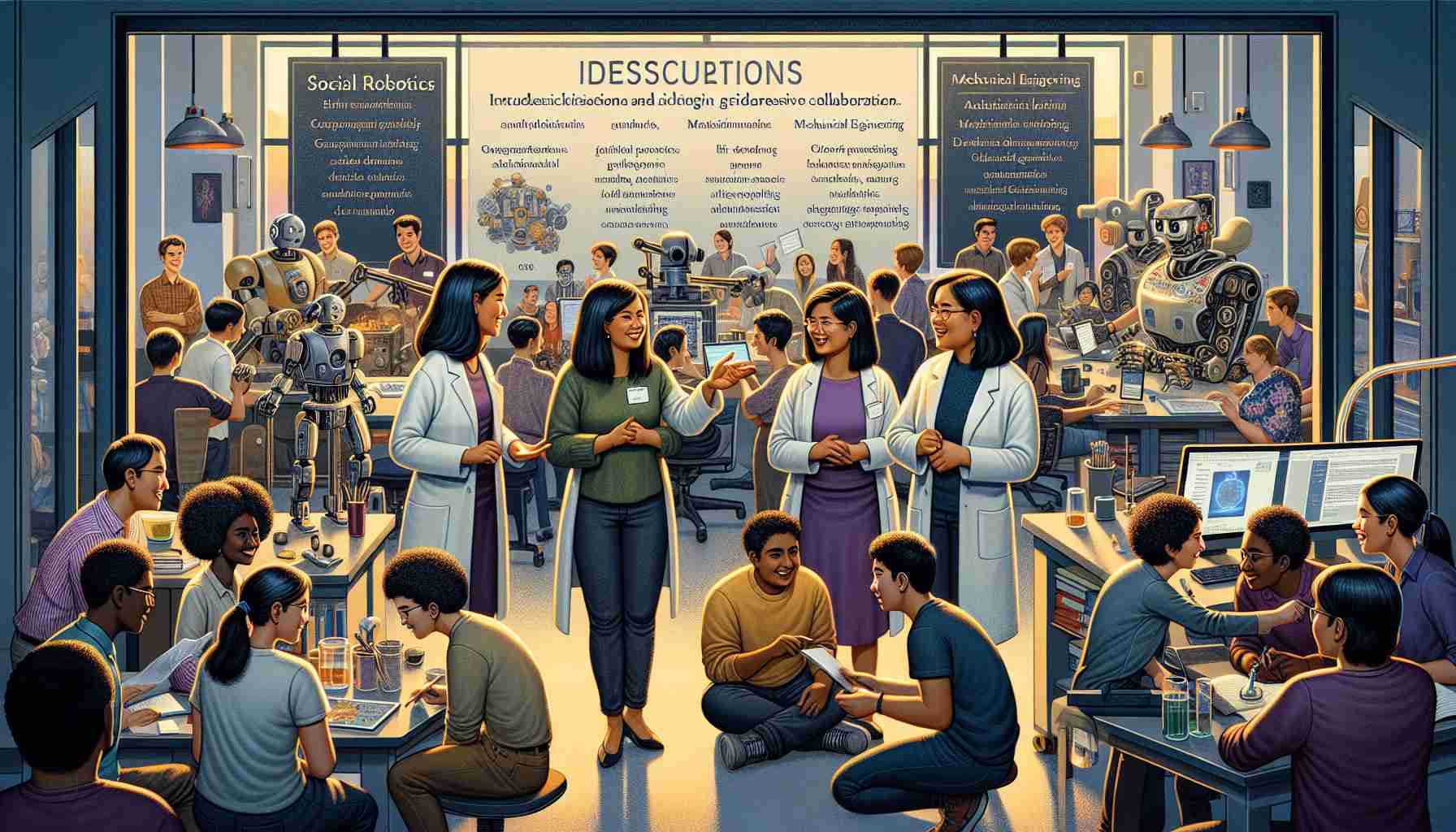
Comparative Analysis of Mentorship Styles in Academia
The comparative analysis of mentorship styles in academia reveals the nuanced ways in which different approaches can yield positive outcomes for students. A study published by Ahmed M. Asfahani in “Frontiers in Psychology” examined the relationships between psychological resilience, job satisfaction, and research motivation among university faculty in Saudi Arabia. The research highlighted the importance of mentorship in shaping faculty experiences and, by extension, the experiences of their students.
Asfahani’s study found that faculty members’ job satisfaction was at a moderate level, with psychological resilience serving as a significant predictor of both job satisfaction and research motivation. This finding underscores the importance of supportive mentorship in fostering a positive academic environment. Faculty members who feel supported and valued are more likely to provide effective mentorship to their students, creating a cycle of success that benefits both parties.
The study also pointed out the cultural and institutional factors that shape the academic environment in Saudi Arabia. As the higher education system undergoes significant social and economic transformations, the well-being and performance of faculty members become increasingly important. By enhancing faculty resilience and job satisfaction, institutions can improve the overall academic experience for both faculty and students.
In the context of U.S. colleges, the findings from Asfahani’s research resonate with the experiences of many faculty members and students. The emphasis on mentorship as a critical component of academic success is echoed in various institutions across the country. For instance, the University of California-Davis’s recognition of outstanding graduate student mentors reflects a broader commitment to fostering supportive academic environments.
Moreover, the diverse mentorship styles exemplified by Professors Breazeal and Guo at MIT illustrate the adaptability required in mentorship. While Breazeal’s approach is characterized by a focus on interdisciplinary research and inclusivity, Guo’s mentorship emphasizes personal support and open communication. Both styles demonstrate that effective mentorship can take many forms, each tailored to the unique needs of students.
As the academic landscape continues to evolve, the importance of mentorship remains a constant. Institutions must prioritize the development of mentorship programs that foster inclusivity, support, and interdisciplinary collaboration. By doing so, they can ensure that all students have access to the guidance and resources necessary for their academic and professional success.
Conclusion
The recognition of Professors Cynthia Breazeal and Ming Guo at the Massachusetts Institute of Technology serves as a powerful reminder of the critical role mentorship plays in the academic success of graduate students. Their distinct yet effective mentorship styles highlight the importance of creating inclusive and supportive environments that foster growth and development. As demonstrated by the experiences of award-winning mentors at the University of California-Davis, effective mentorship not only enhances individual student success but also contributes to the broader academic community.
The integration of interdisciplinary approaches in education and research further underscores the need for adaptability in mentorship. By embracing diverse perspectives and learning styles, educators can create dynamic learning environments that empower students to thrive. Additionally, the emphasis on promoting diversity and inclusion within research laboratories is essential for ensuring equitable access to high-quality research opportunities.
As the academic landscape continues to evolve, the commitment to fostering effective mentorship must remain a priority. By investing in mentorship programs that prioritize inclusivity, support, and interdisciplinary collaboration, institutions can cultivate the next generation of scientists and engineers, ensuring a brighter future for academia and society as a whole.