
Introduction to the National Brain Bee Competition at Rutgers University
On February 20, 2025, Rutgers University announced its preparations to host the National Brain Bee Competition, a prestigious international neuroscience contest for high school students. The event will take place from May 2 to 4, marking the first time the national competition is held at Rutgers, specifically on the campus of the Robert Wood Johnson Medical School (RWJMS) in New Brunswick.
The National Brain Bee, which began in 1998, is more than just a competition; it’s a vibrant celebration of young minds eager to dive into the complexities of neuroscience. Designed to inspire high school students to pursue careers in neuroscience and the treatment of neurological disorders, the competition plays a pivotal role in shaping the scientific landscape of tomorrow. By engaging students in a format reminiscent of a spelling bee, it makes the often-daunting world of neuroscience accessible and exciting.
Hosting the competition at RWJMS is particularly significant. This prestigious medical school is renowned for its cutting-edge research and commitment to advancing the field of neuroscience. The event will not only showcase the talents of young neuroscientists but also offer them a unique glimpse into the world of medical research. Participants will have the opportunity to interact with faculty and researchers, gaining insights into potential career paths and research opportunities. It’s an environment that encourages curiosity and fosters a passion for scientific inquiry.
The competition structure is designed to be both challenging and engaging. It kicks off with a written test of 45 questions, which assesses the students’ knowledge of neuroscience fundamentals. But the excitement doesn’t stop there! The top performers then advance to an oral round-robin test, culminating in a Jeopardy-style showdown that determines the ultimate brain bee champion. This format not only tests students’ knowledge but also hones their critical thinking and public speaking skills—essential tools for any aspiring scientist.
Moreover, participants prepare for the competition using resources like “Brain Facts,” published by the Society for Neuroscience. This resource serves as a comprehensive guide, covering essential topics related to the brain and nervous system. The emphasis on preparation highlights the competition’s goal of promoting a deep understanding of neuroscience rather than mere rote memorization. It’s about igniting a passion for learning and encouraging students to explore the vast and fascinating world of the brain.
What truly sets the National Brain Bee apart is its community aspect. Students like Charles Solazzo, a senior from Monmouth County Academy for Allied Health & Sciences, articulate the importance of the social interactions that come along with the competition. For many participants, it’s not just about winning; it’s about the connections made and the shared enthusiasm for neuroscience. Solazzo’s perspective reflects a broader sentiment that resonates throughout the competition—it’s a celebration of knowledge, camaraderie, and the shared journey of discovery.
As the competition approaches, anticipation is building not just among the participants but also within the broader community. The Brain Bee serves as a gateway for students to explore academic and career paths in neuroscience, a field that is increasingly vital in our technologically driven society. With the ongoing advancements in neuroscience research, the importance of engaging the next generation of scientists cannot be overstated.
The National Brain Bee Competition at Rutgers University is more than just an event; it’s a movement that encourages young minds to think critically, explore deeply, and engage passionately with the scientific community. As we look forward to the event, it’s clear that the impact of such competitions extends far beyond the confines of the classroom, shaping the future of neuroscience and inspiring the next wave of innovators and researchers. The excitement is palpable, and the possibilities are endless.
The Impact of Neuroscience Competitions on Student Career Choices
Competitions like the National Brain Bee serve as pivotal stepping stones for high school students, often influencing their career trajectories in neuroscience and related fields. The Brain Bee not only cultivates knowledge but also ignites a passion for the sciences, providing a unique platform where students can explore the intricacies of the brain and nervous system. This engagement is crucial, especially considering the growing need for professionals in neuroscience and allied disciplines.
Research indicates that early exposure to scientific inquiry can significantly enhance students’ interest in STEM fields. A study published in Frontiers in Psychology emphasizes the vital role of parental and teacher support in fostering career adaptability among students. It highlights that when parents and teachers provide autonomy support—encouraging students to explore their interests without excessive pressure—they enhance the students’ self-evaluations and adaptability. This supportive environment is essential for nurturing a generation of scientists who are not only knowledgeable but also passionate about their fields.
The Brain Bee exemplifies how competitions can create an engaging atmosphere that stimulates curiosity and encourages students to delve deeper into neuroscience. By offering hands-on experiences and opportunities to interact with professionals in the field, such competitions can significantly shape students’ academic and career aspirations. For many participants, the competition serves as a formative experience, one that can lead to internships, research opportunities, and even lifelong careers in neuroscience.
Moreover, the broader implications of such competitions extend beyond individual career paths. They play a crucial role in promoting STEM education at large. Engaging students in competitions like the Brain Bee helps to demystify complex scientific concepts, making them accessible and relatable. This is particularly important in a time when the U.S. faces a skills gap in STEM fields. By fostering early interest in these disciplines, we can cultivate a more robust pipeline of future scientists, engineers, and innovators.
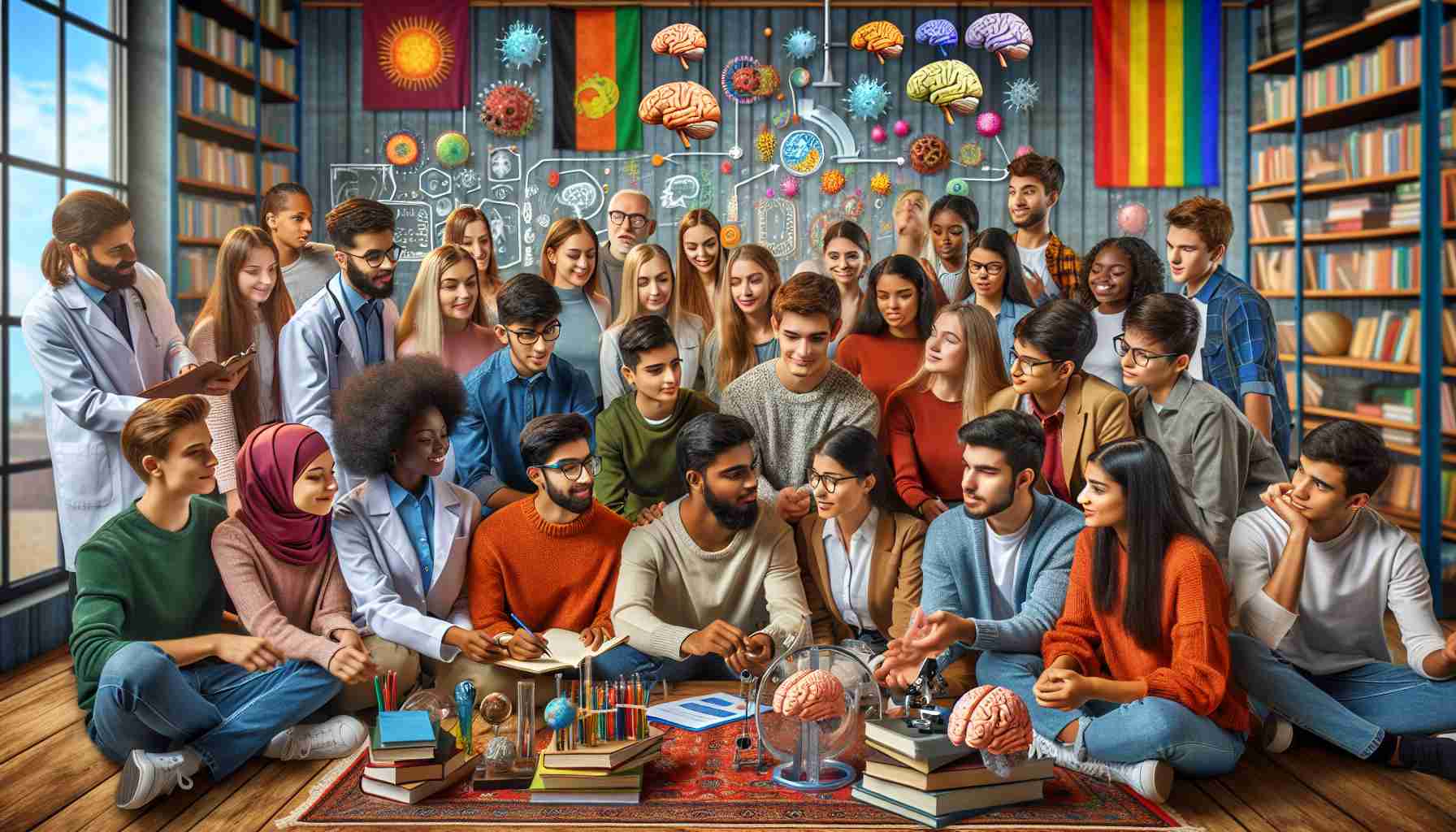
Early exposure to scientific research is another critical factor influencing students’ engagement with STEM. Programs that integrate research experiences into high school curricula can significantly impact students’ perceptions of science and their career choices. For instance, initiatives like the Laboratory Learning Program at Princeton University (2025 USNews Ranking: 1) allow high school students to work alongside faculty on ongoing research projects. These experiences not only bolster students’ resumes but also provide them with a taste of what a career in science entails. The excitement of conducting experiments, analyzing data, and contributing to real-world research can be a powerful motivator for students, encouraging them to pursue further education and careers in STEM.
In addition, studies have shown that competitions and research programs can enhance students’ self-efficacy, which is crucial for their motivation and persistence in challenging fields. A recent study found that students who participated in competitive environments displayed higher levels of task motivation and self-efficacy, particularly when they received support from teachers and peers. This suggests that fostering a competitive yet supportive environment can lead to improved outcomes for students interested in science.
The impact of neuroscience competitions like the Brain Bee is not only felt within the context of individual student experiences but also resonates throughout the academic community. By promoting collaboration between students, educators, and researchers, these competitions create a culture of inquiry and innovation. They encourage students to ask questions, seek answers, and engage with the scientific community, ultimately leading to a more informed and scientifically literate society.
As we look ahead to the National Brain Bee Competition at Rutgers University, it’s essential to recognize the broader significance of such events. They are not merely contests of knowledge; they are celebrations of curiosity, collaboration, and the relentless pursuit of understanding. The Brain Bee embodies the spirit of exploration that drives scientific discovery and innovation. By inspiring young minds to engage with neuroscience, we are not just shaping individual futures; we are cultivating the next generation of leaders in science and medicine, who will undoubtedly contribute to the advancement of society as a whole.
In conclusion, competitions like the Brain Bee play a vital role in shaping students’ career paths in neuroscience and STEM fields. They foster an environment where curiosity thrives, and support from parents and teachers enhances students’ adaptability and passion for science. As we continue to invest in these initiatives, we pave the way for a brighter future, one where young scientists are empowered to explore, innovate, and lead in the ever-evolving landscape of neuroscience and beyond.
The Role of High School Competitions in STEM Education
High school competitions are more than just a test of knowledge; they are dynamic platforms that ignite interest and foster skills in STEM education. Events like the Pennsylvania Governor’s STEM Competition and the KU School of Engineering’s Design Competition exemplify how these competitions serve as crucial catalysts for student engagement in science, technology, engineering, and mathematics. By challenging students to think critically, collaborate creatively, and solve real-world problems, these competitions not only enhance academic skills but also prepare students for future careers.
Take, for instance, the Pennsylvania Governor’s STEM Competition. This initiative invites high school students from diverse educational backgrounds to research, design, and present a device aimed at improving the quality of life for residents in Pennsylvania. The competition is rooted in the belief that all students can achieve STEM literacy, emphasizing curiosity, creativity, collaboration, and critical thinking. Participants are encouraged to apply their classroom knowledge to develop innovative solutions that address real-world needs. This hands-on approach not only enhances their understanding of STEM concepts but also allows them to connect with their communities, fostering a sense of responsibility and purpose.
Similarly, the KU School of Engineering’s Design Competition invites high school students to engage in hands-on challenges that require them to create engineering solutions for urgent issues across various sectors, including medical, industrial, and environmental. Working in teams, students tackle real-world problems, from improving water filtration systems to enhancing structural designs. The competition not only hones their technical skills but also provides them with invaluable project management experience as they collaborate with peers and industry professionals. Additionally, the chance to win scholarships to pursue degrees at KU adds a layer of motivation for participants, making the stakes even higher.
These competitions are instrumental in promoting critical thinking and creativity among students. By encouraging participants to approach problems from multiple angles and develop innovative solutions, they cultivate essential skills that are highly sought after in the workforce. The ability to think outside the box and work collaboratively is crucial in today’s technology-driven economy, where interdisciplinary approaches are often required to address complex challenges.
Moreover, competitions like these serve as early exposure to the scientific method and research processes. Students learn to formulate hypotheses, conduct experiments, analyze data, and present their findings—all fundamental aspects of scientific inquiry. This hands-on experience is invaluable, as it not only reinforces theoretical knowledge but also provides students with a taste of what a career in STEM might entail. The excitement of seeing their ideas come to life and the satisfaction of solving real-world problems can inspire students to pursue further education and careers in these fields.
The impact of high school competitions extends beyond the individual participants; they also contribute to the broader educational ecosystem. By promoting STEM education at the high school level, these competitions help to address the skills gap in the workforce. The U.S. faces a growing demand for professionals in STEM fields, and initiatives that engage students early on are essential for cultivating a skilled workforce. By fostering interest in STEM disciplines, we can ensure that future generations are well-equipped to meet the challenges of an increasingly complex world.
Additionally, the collaborative nature of these competitions encourages mentorship and networking among students, educators, and industry professionals. Participants often find themselves working alongside mentors who can provide guidance, support, and insights into potential career paths. This interaction not only enriches the competition experience but also helps students build connections that may prove beneficial in their future academic and career endeavors.
In conclusion, high school competitions like the Pennsylvania Governor’s STEM Competition and the KU School of Engineering’s Design Competition play a pivotal role in fostering interest in STEM education. They promote critical thinking, creativity, and real-world problem-solving skills among students, preparing them for future academic pursuits and careers. By engaging students in hands-on learning experiences, these competitions inspire the next generation of innovators and leaders, ensuring that they are equipped to tackle the challenges of tomorrow. As we continue to support and expand these initiatives, we pave the way for a brighter future, one where young minds are empowered to explore, innovate, and contribute meaningfully to society.
Exploring Neurological Disorders and Current Research Trends
The field of neuroscience is rapidly evolving, with researchers continuously seeking innovative approaches to understanding and treating neurological disorders. As we gear up for the National Brain Bee Competition, it’s essential to spotlight some of the cutting-edge research trends that are shaping this dynamic field. The Brain Bee not only ignites the passion for neuroscience among high school students but also connects them to the broader narrative of scientific discovery and medical advancements.
One of the most exciting areas of current research is the development of non-invasive brain stimulation techniques. These innovative methods, such as transcranial magnetic stimulation (TMS) and focused ultrasound, are paving new paths in treating conditions like depression and epilepsy. For instance, researchers at Stanford University‘s Wu Tsai Neurosciences Institute have made significant strides with TMS, demonstrating its potential to bring about remission in nearly 80% of patients suffering from severe, treatment-resistant depression. This technique works by using magnetic fields to stimulate nerve cells in the brain, offering a non-invasive alternative to traditional methods that often involve surgical interventions.
What’s particularly fascinating is the ongoing research that aims to unravel the mechanisms behind TMS. By utilizing electroencephalograms (EEGs)—which measure electrical activity in the brain—scientists are looking to understand how different TMS patterns affect brain function. This research not only enhances the efficacy of TMS but also opens up new avenues for personalized treatment protocols. As students prepare for the Brain Bee, they should take note of how these advancements underscore the importance of understanding the brain’s complexities and the potential for innovative therapies.
In addition to TMS, focused ultrasound is emerging as another promising non-invasive technique. This method uses sound waves to target specific areas of the brain with precision, potentially altering neural activity without the risks associated with invasive procedures. Researchers are also exploring the integration of nanotechnology with focused ultrasound to improve drug delivery systems for treating neurological conditions. Imagine a future where medications can be activated precisely at the site of need within the brain, significantly enhancing treatment outcomes while minimizing side effects. This kind of research not only highlights the ingenuity of modern neuroscience but also serves as a call to action for young minds eager to contribute to this evolving field.
Moreover, the exploration of alternative therapies, such as acupuncture for tic disorders, is gaining traction in the neuroscience community. A recent review published in Frontiers in Neurology discusses the potential benefits of acupuncture in managing tic disorders, including Tourette’s syndrome. While traditional treatments often involve medications with undesirable side effects, acupuncture offers a complementary approach that could help regulate brain function and alleviate symptoms. This research emphasizes the need for a multi-faceted approach to treatment, integrating both conventional and alternative therapies. For students involved in the Brain Bee, understanding these diverse treatment modalities can inspire them to think critically about the future of neuroscience and the various pathways to healing.
The connection between the Brain Bee competition and these ongoing research trends is profound. As participants study and prepare for the competition, they are not just memorizing facts; they are engaging with the very forefront of neuroscience research. This engagement fosters a sense of ownership over their learning and encourages them to envision themselves as future contributors to the field.
Moreover, the Brain Bee serves as a vital platform for students to interact with researchers and professionals who are at the cutting edge of neuroscience. The insights gained from these interactions can be invaluable, providing students with a clearer picture of potential academic and career paths. This is particularly important in a time when the demand for skilled professionals in neuroscience and related fields is on the rise.
As we look forward to the National Brain Bee Competition at Rutgers University, it’s essential to recognize the broader implications of student engagement in neuroscience research. By fostering curiosity and encouraging exploration, competitions like the Brain Bee not only inspire the next generation of scientists but also contribute to the advancement of medical knowledge and treatment options for neurological disorders. The excitement surrounding these developments is palpable, and as young minds dive into the world of neuroscience, they are not just participants in a competition; they are the future innovators and leaders who will shape the landscape of this vital field.
Conclusion: The Future of Neuroscience Education and Student Engagement
The significance of competitions like the Brain Bee extends far beyond the immediate thrill of competition; they play a crucial role in shaping the future of neuroscience education and inspiring the next generation of scientists. As we reflect on the impact of such initiatives, it becomes clear that they serve as vital catalysts for student engagement in STEM fields, particularly in neuroscience.
The Brain Bee not only ignites a passion for neuroscience among high school students but also fosters a deeper understanding of the complexities of the brain and its functions. By providing a platform for students to showcase their knowledge, the competition encourages them to explore various aspects of neuroscience, from the basic principles of neurobiology to the latest advancements in research and treatment. This engagement is essential in cultivating a scientifically literate generation that is equipped to tackle the challenges posed by neurological disorders and other health issues.
Moreover, the collaborative environment fostered by the Brain Bee allows students to connect with peers, educators, and professionals in the field. These interactions can lead to mentorship opportunities, internships, and research collaborations, all of which are invaluable for students as they navigate their academic and career paths. The connections made during such competitions can inspire students to pursue higher education in neuroscience or related fields, ultimately contributing to a more robust and diverse workforce in science and healthcare.
The importance of early exposure to scientific research cannot be overstated. As highlighted in various studies, students who engage in scientific inquiry at a young age are more likely to develop a lasting interest in STEM fields. The Brain Bee exemplifies this principle by providing students with hands-on experiences and opportunities to engage with cutting-edge research. These experiences not only enhance students’ understanding of scientific concepts but also instill a sense of curiosity and a desire to contribute to the field.
As we champion competitions like the Brain Bee, it is essential to recognize the broader societal impact of fostering interest in neuroscience and STEM education. By investing in these initiatives, we are not only shaping individual futures but also addressing the critical need for skilled professionals in the ever-evolving landscape of science and medicine. The demand for expertise in neuroscience is growing, and competitions like the Brain Bee are instrumental in preparing students to meet this demand.
In conclusion, the National Brain Bee Competition at Rutgers University represents a pivotal opportunity for high school students to engage with neuroscience in a meaningful way. As we support and promote such initiatives, we empower young scientists to explore, innovate, and lead in their fields. The excitement surrounding the Brain Bee is a testament to the potential of these competitions to inspire the next generation of researchers and healthcare professionals. By nurturing a culture of inquiry and fostering early exposure to scientific research, we pave the way for a brighter future—one where young minds are equipped to make significant contributions to society and the advancement of science.
Reference:
- Rutgers University to Host National Brain Bee Competition in 2025
- Parental and Teacher Support Crucial for Career Adaptability in Middle School Students: A Longitudinal Study
- Inspiring Bright Minds in Neuroscience: The International Brain Bee Competition
- Non-Invasive Brain Stimulation Techniques Pioneered at Stanford
- Exploring Acupuncture as a Therapeutic Approach for Tic Disorders
- Exploring the Healing Power of Music in Medicine
- Early-Life Sugar Intake Linked to Chronic Disease Risk
- The Importance of Early STEM Education in Nevada
- Summer Opportunities for High School Students: A Path to College Preparation
- High School Students Engage in Research at New STEAM@XU Summer Camp