
Introduction: The Rise of Esports in Higher Education
Esports, or electronic sports, has rapidly transitioned from a niche hobby to a significant global phenomenon, characterized by competitive video gaming where professional players or teams compete in structured tournaments. This evolution has been fueled by advancements in technology, increased internet accessibility, and the rise of streaming platforms, allowing esports events to attract millions of viewers and fill large stadiums with live audiences. As the industry continues to grow, universities are beginning to recognize the potential of esports as a legitimate career path, leading to the establishment of specialized programs aimed at preparing students for various roles within this dynamic field.
Syracuse University (2025 USNews Ranking: 73) is at the forefront of this trend with its newly launched Esports Communications and Management program, set to begin in the fall of 2024. This innovative initiative, a collaboration between the Falk College of Sport and Human Dynamics and the Newhouse School of Public Communications, aims to equip students with the skills necessary to thrive in the rapidly expanding esports industry. The program offers three distinct tracks: esports business and management, esports communications, and esports media and design, reflecting the multifaceted nature of the industry. By providing a comprehensive curriculum that combines theoretical knowledge with practical experience, Syracuse is positioning its students to take advantage of the myriad career opportunities available in esports.
The significance of this program extends beyond the classroom. As the esports industry continues to grow—projected to reach a valuation of $4.8 billion by 2030—students enrolled in such programs will find themselves at the intersection of technology, entertainment, and business. The skills they acquire will not only prepare them for careers in esports but also in related fields such as traditional sports management, broadcast journalism, and digital marketing. This adaptability is crucial in an industry that is constantly evolving, as it allows graduates to pivot between various roles and sectors as needed.
Moreover, the emphasis on experiential learning within the program is particularly noteworthy. Students are encouraged to engage with the esports community outside of the classroom, whether through team management, internships, or participation in campus esports events. This hands-on approach not only enhances their understanding of the industry but also fosters valuable networking opportunities, which are essential for career advancement in a competitive field. As students like Isabelle “Izzy” Kaplan embark on their academic journeys, they are not just learning about esports; they are actively participating in its growth and development.
The establishment of esports programs in universities like Syracuse reflects a broader trend in higher education, where institutions are increasingly adapting their curricula to include emerging fields that align with student interests and market demands. As the landscape of education evolves, the integration of esports into academic offerings signifies a recognition of the industry’s legitimacy and the potential for meaningful career paths. This shift not only benefits students but also positions universities as leaders in preparing the next generation of professionals for a rapidly changing job market.
In conclusion, the rise of esports as a legitimate career path is reshaping the educational landscape, with universities like Syracuse University leading the charge. By offering specialized programs that blend communication, management, and media design, these institutions are equipping students with the skills necessary to succeed in a thriving industry. As the esports sector continues to expand, the implications for student career opportunities and the future of education are profound, paving the way for a new generation of professionals ready to make their mark in this exciting field.
The Esports Industry: Trends and Career Opportunities
The esports industry is experiencing a remarkable surge, characterized by rapid growth in viewership, revenue, and career opportunities. As of September 2024, the global esports market is projected to reach a valuation of $2.4 billion, with expectations to exceed $4.8 billion by 2030. This growth is largely driven by the increasing interest among younger audiences, particularly in the United States, where 43% of individuals aged 18 to 34 identify as avid or casual fans. The League of Legends 2023 World Championship set a record as the most-watched esports event, attracting 6.4 million peak viewers, underscoring the immense popularity of competitive gaming.
The demographics of esports viewership reveal a predominantly young audience, with a notable skew towards male fans, who outnumber female fans by a ratio of eight to one in the U.S. However, there is a growing engagement among Hispanic audiences, with 14% identifying as avid fans. This demographic shift highlights the potential for brands and educational institutions to tap into diverse markets, fostering inclusivity within the esports community.
Financially, the esports landscape is thriving, with the United States leading in revenue generation, bringing in $871 million in 2023 compared to China’s $445 million. Major companies like Tencent Holdings dominate the market, showcasing the lucrative nature of esports. The media rights segment is expected to dominate market share from 2024 to 2032, reflecting the growing importance of streaming and broadcasting in the esports ecosystem. This financial growth not only benefits players and organizations but also creates a ripple effect, generating new career opportunities across various sectors.
As the esports industry expands, it opens doors for students pursuing specialized programs, such as the Esports Communications and Management program at Syracuse University. This innovative curriculum is designed to equip students with the skills necessary for success in this dynamic field. The program offers three distinct tracks: esports business and management, esports communications, and esports media and design. By combining traditional education with hands-on experiences, students can explore various career paths, including roles in marketing, event management, and content creation.
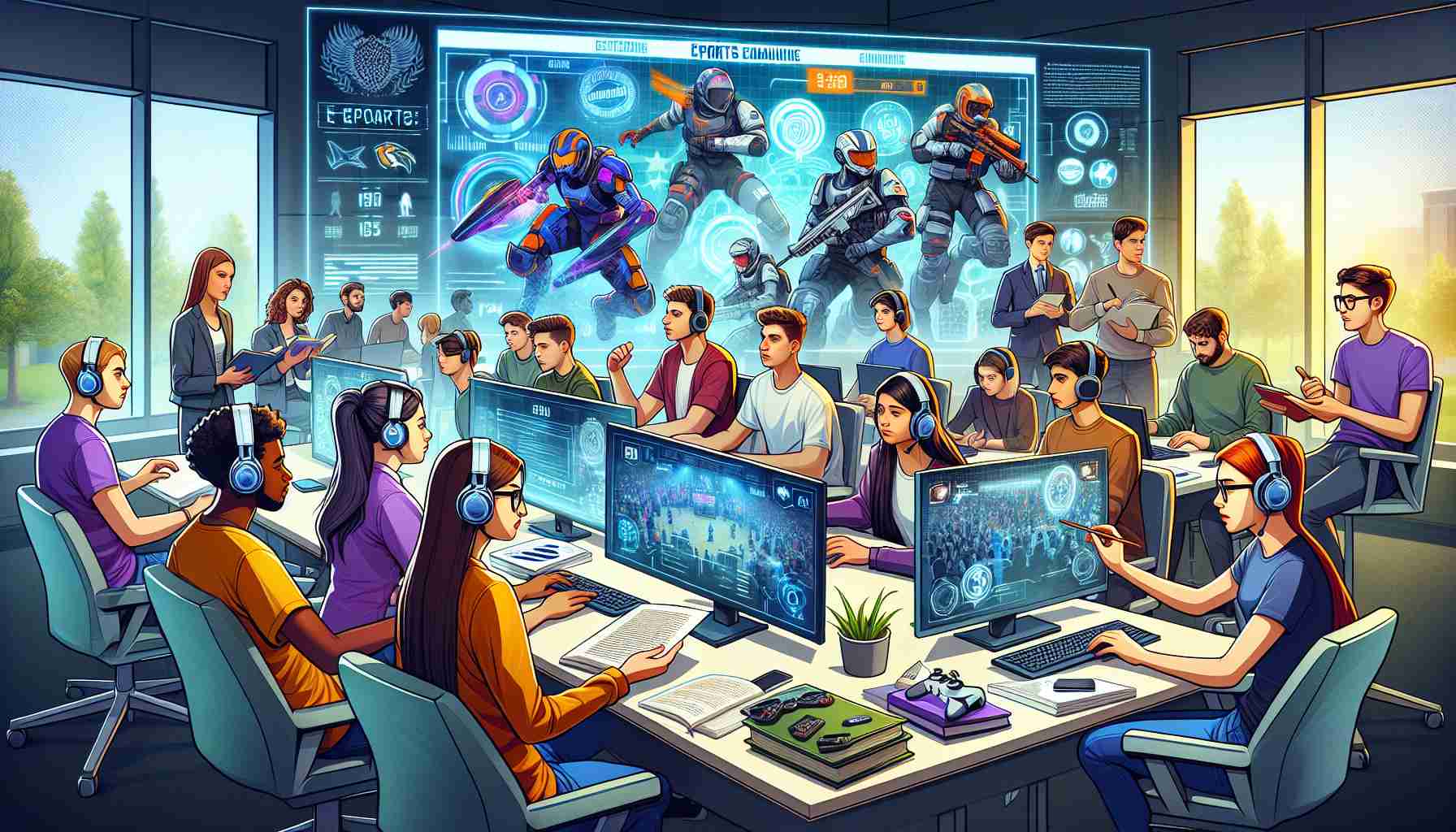
The rise of esports has also led to the emergence of new career opportunities that extend beyond traditional gaming roles. Positions such as esports event coordinators, marketing specialists, and community managers are becoming increasingly vital as organizations seek to engage with their audiences effectively. The demand for skilled professionals in areas like social media management, data analysis, and audience engagement is on the rise, reflecting the industry’s need for individuals who can navigate the complexities of modern marketing and communication strategies.
Moreover, the integration of esports into higher education signifies a shift in how institutions are adapting their curricula to meet the demands of the evolving job market. Universities are recognizing the importance of equipping students with 21st-century skills, such as creativity, critical thinking, and effective communication, which are essential in the esports industry. As educational programs evolve, they are increasingly incorporating elements of technology, marketing, and management, preparing students for a wide range of career opportunities.
The future of esports as a legitimate career path is becoming more accepted in mainstream culture, with traditional sports organizations investing in the industry and recognizing the potential for growth. This acceptance is further fueled by the increasing visibility of esports events, which now fill large stadiums and attract millions of viewers online. As the industry continues to mature, it is likely to solidify its place as a primary form of entertainment, offering diverse career paths for students and professionals alike.
In conclusion, the rapid growth of the esports industry presents a wealth of opportunities for students, particularly those enrolled in specialized programs like the one at Syracuse University. As the landscape of esports continues to evolve, it is essential for educational institutions to adapt their curricula to prepare students for the diverse and dynamic career paths that await them in this exciting field.
Curriculum Adaptation: Integrating Esports into Higher Education
As universities increasingly recognize the burgeoning esports industry, many are adapting their curricula to include specialized programs in esports management and communications. This shift is not merely a response to a trend; it reflects a deeper understanding of the skills and knowledge required for students to thrive in a rapidly evolving job market. Institutions like Syracuse University are at the forefront of this movement, offering innovative programs that combine traditional academic disciplines with the unique demands of the esports sector.
The Esports Communications and Management program at Syracuse, for instance, is designed to equip students with a diverse skill set that is essential for success in the esports industry. The program features three distinct tracks: esports business and management, esports communications, and esports media and design. This multifaceted approach allows students to tailor their education to their interests while ensuring they acquire a comprehensive understanding of the industry. As students like Isabelle “Izzy” Kaplan embark on their academic journeys, they are not only learning about esports but also developing transferable skills that are applicable across various fields, including traditional sports, broadcast journalism, and business.
Key skills such as communication, marketing, and project management are integral to the esports landscape. Effective communication is paramount, as professionals in this field must convey ideas clearly to diverse stakeholders, including team members, sponsors, and audiences. The ability to craft engaging narratives and maintain a consistent brand voice is crucial, particularly in an industry where fan engagement is a driving force. Moreover, marketing skills are essential for promoting esports events and teams, as well as for navigating the complexities of digital marketing strategies that resonate with younger audiences.
Project management is another critical competency that students are honing through experiential learning opportunities. As part of their education, students are encouraged to engage with the esports community outside the classroom. This might involve managing club teams, organizing events, or working in esports and gaming centers on campus. Such hands-on experiences not only reinforce theoretical knowledge but also provide students with practical skills that are highly valued by employers. The collaborative nature of these activities fosters teamwork and leadership abilities, preparing students for the multifaceted challenges they will face in their careers.
The importance of experiential learning cannot be overstated in the context of esports education. Programs that incorporate real-world projects, internships, and networking opportunities allow students to apply their classroom knowledge in practical settings. For example, Syracuse’s emphasis on community engagement encourages students to build connections within the esports ecosystem, which can lead to valuable career opportunities. By participating in team management or working with local esports organizations, students gain insights into the industry’s inner workings and develop a professional network that can be instrumental in their future careers.
As the esports industry continues to grow—projected to reach a valuation of $4.8 billion by 2030—universities are recognizing the need to prepare students for a landscape that is not only competitive but also dynamic. The integration of esports into higher education reflects a broader trend of adapting curricula to meet the demands of emerging industries. By equipping students with relevant skills and providing them with hands-on experiences, universities are playing a crucial role in shaping the future workforce of the esports sector.
In conclusion, the evolution of university curricula to include esports management and communications is a significant development in higher education. As students like Izzy Kaplan embark on their journeys, they are not only pursuing their passions but also preparing for successful careers in a field that is rapidly gaining legitimacy and recognition. The emphasis on communication, marketing, project management, and experiential learning will undoubtedly serve them well as they navigate the exciting and evolving world of esports.
The Role of Communication Skills in Esports Careers
In the rapidly expanding esports industry, effective communication skills are becoming increasingly vital across various roles, including social media management, community engagement, and marketing. As the industry matures, the demand for professionals who can articulate ideas clearly and engage diverse audiences is paramount. This necessity is particularly evident in the realm of social media, where brands and organizations strive to connect with fans and players alike.
Social media has transformed into a critical channel for engagement and brand visibility within the esports ecosystem. For instance, social media managers are tasked with crafting compelling narratives that resonate with audiences across platforms like Twitter, Instagram, and TikTok. These professionals must possess strong writing skills to create engaging content that not only captures attention but also aligns with the brand’s voice. The ability to adapt messaging to fit the unique characteristics of each platform is essential, as audiences expect tailored content that speaks directly to their interests and preferences.
Moreover, community managers play a crucial role in fostering relationships within the esports community. They are responsible for building and maintaining connections with fans, players, and other stakeholders. This requires not only excellent communication skills but also a deep understanding of the community’s dynamics and values. For example, community managers often engage in conversations on forums and social media, addressing concerns, sharing updates, and promoting events. Their ability to listen actively and respond thoughtfully can significantly enhance community loyalty and engagement.
In addition to social media and community management, marketing within the esports industry relies heavily on effective communication. Marketers must develop strategies that resonate with a diverse audience, often leveraging data analysis to inform their approaches. This requires a blend of creativity and analytical skills, as marketers must craft campaigns that not only capture attention but also drive engagement and conversions. The ability to communicate the value of a product or service clearly is essential, especially in a competitive landscape where numerous brands vie for the attention of the same audience.
The importance of adaptability cannot be overstated in this fast-paced environment. As trends in the esports industry evolve, professionals must be willing to learn and adjust their strategies accordingly. For instance, the rise of new platforms or changes in audience behavior may necessitate a shift in communication tactics. Continuous learning and staying updated on industry trends are crucial for success in these roles. Professionals who can pivot quickly and embrace new tools or methodologies will likely find themselves at a competitive advantage.
Furthermore, the integration of technology into communication strategies is becoming increasingly prevalent. For example, the use of data analytics tools allows social media managers and marketers to track engagement metrics and audience behavior, enabling them to refine their approaches based on real-time feedback. This data-driven mindset is essential for professionals looking to make informed decisions that enhance their communication efforts.
As the esports industry continues to grow, the demand for skilled communicators will only increase. Universities, like Syracuse University with its new Esports Communications and Management program, are recognizing this need and adapting their curricula to prepare students for these emerging career paths. By equipping students with the necessary communication skills and industry knowledge, educational institutions are playing a pivotal role in shaping the future workforce of the esports sector.
In conclusion, the critical role of communication skills in the esports industry cannot be overlooked. As the landscape evolves, professionals who can effectively engage audiences, foster community relationships, and adapt to changing trends will be well-positioned for success. The emphasis on continuous learning and adaptability will be key as the industry continues to expand and diversify, creating new opportunities for those willing to embrace the challenges ahead.
Conclusion: The Future of Esports in Education and Career Paths
The emergence of esports programs in higher education, such as the newly launched Esports Communications and Management program at Syracuse University, marks a pivotal moment in the academic landscape. This initiative not only reflects the growing recognition of esports as a legitimate field but also highlights the potential for students to carve out successful career paths within this dynamic industry. As institutions adapt their curricula to include specialized tracks in esports business, communications, and media design, they are equipping students with the necessary skills to thrive in a sector that is rapidly evolving and gaining mainstream acceptance.
The esports industry is projected to reach a valuation of $2.4 billion by 2024, with expectations to exceed $4.8 billion by 2030, driven by increasing viewership and engagement among younger audiences. This growth underscores the importance of educational programs that prepare students for diverse roles, from team management to content creation and marketing. As seen with students like Izzy Kaplan, who is enthusiastic about her studies and the hands-on experiences offered, these programs foster a collaborative environment that encourages networking and practical application of skills.
Moreover, the integration of esports into higher education reflects broader trends in the job market, where traditional career paths are being redefined. As universities recognize the need for innovative training that aligns with industry demands, they are paving the way for students to explore careers that were once considered unconventional. The emphasis on communication skills, strategic thinking, and adaptability within esports curricula prepares graduates for a variety of roles not only in gaming but also in related fields such as marketing, media, and event management.
As the esports industry continues to evolve, educational institutions must remain agile, adapting their offerings to meet the changing landscape. The acceptance of esports in mainstream culture signifies a shift in societal attitudes towards gaming, transforming it from a pastime into a viable career option. This evolution presents an exciting opportunity for students to engage with a field that is not only lucrative but also rich in potential for personal and professional growth. As we look to the future, it is essential for students, educators, and industry leaders to continue exploring the myriad possibilities that esports presents, ensuring that the next generation is well-prepared to navigate this vibrant and expanding sector.
Reference:
Izzy Kaplan Joins Inaugural Class of Esports Majors at Syracuse University
Seattle University Enhances Student Employment Opportunities
2024 State of the University Address Highlights Boise State’s Achievements and Future Goals
34 Esports Statistics for 2024
65 Predictions About EdTech Trends in 2024
Exploring Career Opportunities in Social Media
10 Essential Skills for Social Media Managers in 2023
Experts Discuss the Future of Work, Jobs Training, and Skills Amid Technological Advancements
Improvements Ahead: The Co-Evolution of Humans and AI by 2030
Understanding the Rise of Esports: A Comprehensive Overview
The Meteoric Rise of Esports: A New Era of Entertainment