
Clemson’s Creative Inquiry Program: A Model for Undergraduate Research
For over two decades, Clemson University has been fostering a unique environment for undergraduate learning through its Creative Inquiry (CI) + Undergraduate Research program. Established in 2005, this initiative has become a cornerstone of the Clemson experience, seamlessly weaving together research, hands-on experiential learning, and the power of interdisciplinary collaboration. What sets CI apart is its profound commitment to inclusivity, welcoming students from every academic level and background, a refreshing contrast to many universities that reserve such opportunities for upperclassmen or select honors students. This open-door policy has cultivated a vibrant ecosystem of discovery, resulting in an impressive tally of over 72,000 student experiences and more than 2,500 distinct projects to date.
The program’s dedication to project-based learning excellence has not gone unnoticed on a national scale. In fact, Duke University recently featured Clemson’s CI program as one of 17 exemplary models in its comprehensive case study, “Collaborative Project-Based Learning in Higher Education.” This recognition, particularly within the category for programs engaging over 750 students annually, places Clemson alongside esteemed institutions like Georgia Tech and Worcester Polytechnic Institute (2025 USNews Ranking: 86) . Notably, Clemson’s CI program impacts a larger number of undergraduates each year than any other program highlighted in the Duke report, underscoring its significant reach and impact.
The breadth of disciplines and the sheer variety of project examples available through CI truly showcase its expansive influence. Imagine students delving into animal ecology, using camera traps to observe local wildlife, or collaborating with architecture and psychology departments to enhance assisted-living facilities through master tree planting plans and improved natural light integration. Others might be immersed in the world of business consulting, tackling real-world challenges for local companies with guidance from professionals at global firms, or even exploring the integration of wearable technology into the driving experience through human subjects research. From bringing public art to campus to optimizing healthcare logistics with major hospital systems, and investigating the impact of microbes on human health, the CI program offers a rich tapestry of opportunities. These diverse projects highlight Clemson University’s unwavering commitment to providing students with practical, hands-on learning experiences that bridge academic knowledge with tangible application and meaningful societal impact. It’s all about encouraging students to ask questions, explore their passions, and develop critical skills that will serve them long after graduation. Life’s too short not to dive deep into something you’re passionate about, and CI makes that not just possible, but celebrated.
Grace Drolet’s Journey: Psychology, Research, and the Power of Introductory Courses
It’s truly inspiring to see how academic programs can ignite a student’s passion and set them on a remarkable path. Grace Drolet, a graduating Clemson senior, is a shining example of this. Her journey, which recently earned her the CBSHS Outstanding Undergraduate Researcher Award, began with an unexpected turn from her initial aspirations in criminal justice. A foundational introductory psychology course during her freshman year completely shifted her academic compass. This single course, often just a requirement for many, became the catalyst for Drolet to discover a deep-seated fascination with psychology, leading her to pursue it as a minor and eventually as her major.
Her engagement with the world of research kicked off in her sophomore year, serendipitously in a Social Psychology course taught by Professor Robin Kowalski. Intrigued by the research process, Drolet didn’t just stop at the coursework; she audited Kowalski’s Creative Inquiry (CI) class. For those unfamiliar, CI is a cornerstone of Clemson’s commitment to experiential learning, merging undergraduate research with interdisciplinary collaboration. This immersive dive proved incredibly fruitful for Drolet, culminating in her co-authorship on a peer-reviewed journal publication titled “Responses to Transgressions: Grudges or Forgiveness?” shortly after her sophomore year. She described this as a pivotal moment, her first real encounter with academic research and the immense satisfaction of contributing to scholarly literature. Life’s too short not to pursue those moments of intellectual discovery!
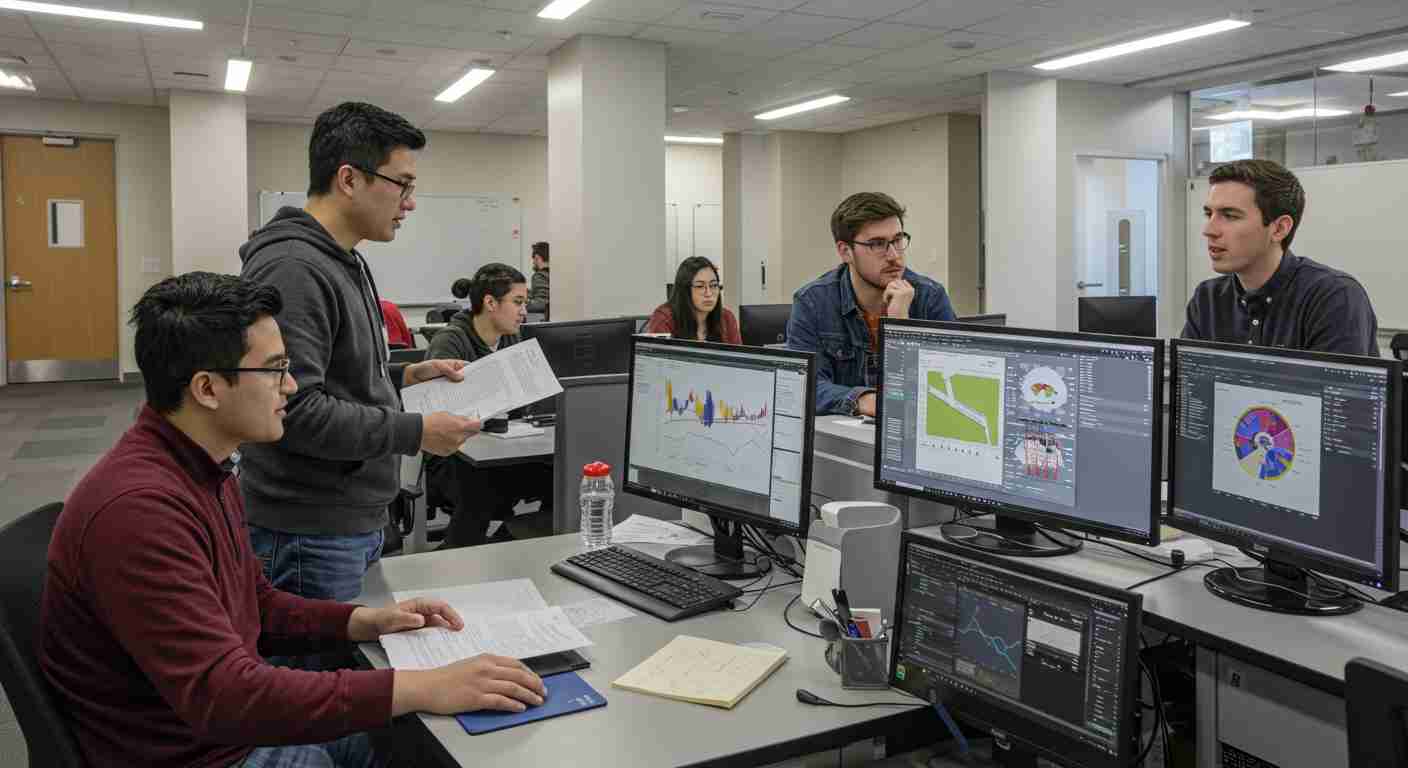
Over the next couple of years, Drolet continued to flourish under Professor Kowalski’s mentorship. Her research endeavors expanded, leading to a second publication, “Psychological Dread and Extreme Persistent Fear,” and exploration into diverse areas such as workplace dynamics, consumer behavior, and the complex issue of online victimization. It’s truly remarkable how one introductory course can open so many doors. Her dedication wasn’t just confined to the lab or the library; Drolet presented her research at an impressive ten conferences, earning accolades from both the College of Behavioral, Social and Health Sciences (CBSHS) and the Department of Psychology. She even secured second place for her presentation at the SAEOPP McNair/SSS Scholars Research Conference. Treat yourself to the satisfaction of a job well done, indeed!
Beyond her significant research contributions, Drolet also demonstrated a commitment to holistic development. She was an active member of the Clemson University Honors College, serving as a mentor and a wellness ambassador. Her leadership extended to campus housing and involvement in the FIRST Generation Success Program as a mentor, further underscoring her commitment to supporting others. Professor Kowalski herself lauded Drolet’s extensive contributions, noting that her accomplishments extend far beyond accolades and genuinely advance undergraduate research at Clemson. She characterized Drolet as an exceptional individual and a role model, poised to make a substantial impact. It’s a beautiful reminder to always enjoy the little things, like nurturing a student’s potential.
Drolet’s own plans involve continuing her academic journey, with a potential focus on clinical psychology, aiming to positively influence lives through practice, social work, or research. Reflecting on her time at Clemson, she spoke of her personal growth, becoming more outgoing and passionate. Her advice to current undergraduates? Dive into Creative Inquiry courses. She emphasizes their unparalleled value in discovering new interests and fostering deeper engagement with chosen fields. For Drolet, her CI experiences weren’t just about research; they solidified her commitment to psychology, confirming it as her true calling. It’s a powerful testament to how foundational courses, coupled with the opportunities provided by programs like CI, can profoundly shape academic and professional trajectories, leading to truly significant achievements. Here’s a hidden gem of wisdom: sometimes the most impactful discoveries are found when you least expect them, often in the very first steps of a new discipline.
The Broader Landscape of Psychology Education and Career Paths
The undergraduate experience in psychology offers a compelling gateway to understanding the human mind and behavior, opening doors to a remarkably diverse range of career paths. As we’ve seen with Grace Drolet’s transformative journey at Clemson, a single introductory course can spark a lifelong passion and lead to impactful research. This exploration into psychology isn’t just about academic pursuit; it’s about equipping individuals with transferable skills that resonate across countless industries.
The broader academic impact of psychology as a discipline is undeniable. It provides a fundamental understanding of why people think, feel, and act the way they do, a knowledge base that is invaluable in nearly every facet of professional and personal life. For instance, Brianna Walker, a graduate from the University of Louisville, exemplifies how undergraduate research in psychology can profoundly prepare students for advanced studies and varied professional roles. Walker’s research focused on how children perceive adults of different ages, races, and genders regarding technological knowledge. Her findings, which suggested children might prioritize age over gender when assessing tech savviness, offer a nuanced insight into developmental perceptions. This kind of research, often facilitated by university programs, hones critical thinking, analytical skills, and the ability to interpret complex data. Walker’s decision to pursue graduate studies in School Psychology, combining her psychology background with a desire to support children in educational settings, highlights the direct pathway from academic inquiry to community impact.
Similarly, Jillian Lesikar, an alumna of Penn State World Campus, demonstrates the accessibility and value of research opportunities even in online learning environments. Through Penn State’s Online Students of Psychology Research Laboratory, Lesikar conducted a study on the effects of screen time on toddler empathy, exploring how different types of children’s programming might influence emotional development. Her experience, from topic selection to data analysis and presentation, provided her with hands-on training in research methodologies, critical thinking, and scientific communication—skills that are universally applicable. This hands-on experience is precisely what makes undergraduate research so vital; it moves learning beyond textbooks and into tangible application. Treat yourself to the knowledge that these experiences are building blocks for future success.
These students’ experiences underscore a crucial point: the skills cultivated through a psychology education—critical thinking, robust research methods, and effective communication—transcend the traditional boundaries of the field. Whether one aims to become a clinical psychologist, an industrial-organizational psychologist, or enter a completely different sector, these core competencies are highly prized by employers. The growing importance of mental health professions, including clinical psychology and school psychology, is evident in the increasing demand for qualified professionals. However, the applicability of psychological principles extends far beyond these direct roles.
Industrial-organizational psychology, for example, leverages psychological insights to enhance workplace productivity, employee satisfaction, and organizational effectiveness. Educational psychology focuses on understanding learning processes and improving instructional methods, benefiting students and educators alike. Forensic psychology applies psychological principles to the legal system, assisting in assessments and investigations. Health psychology explores the intricate connection between psychological factors and physical well-being, promoting healthier lifestyles and supporting individuals managing chronic illnesses. These diverse specializations showcase the expansive reach of psychology.
Moreover, introductory psychology courses themselves play a significant role in shaping academic interests, as evidenced by Grace Drolet’s pivot from criminal justice. These foundational classes often provide students with their first meaningful exposure to the study of human behavior, sparking curiosity and revealing potential career paths they may not have previously considered. The Verywell Mind article highlights that beyond academic specialization, studying psychology offers profound personal benefits. It enhances self-awareness, improves interpersonal relationships through increased empathy, and sharpens critical thinking skills, making individuals more discerning consumers of information and more effective communicators. Enjoy the little things, like understanding why you or someone else acts a certain way – it’s a small step towards a more connected world.
The connection between academic pursuits in psychology and community impact is particularly strong. As highlighted by articles from SNHU and the admissions blog, graduates often find fulfilling careers in helping professions. These roles, which can include social workers, counselors, victim advocates, and community health educators, directly contribute to societal well-being. Brianna Walker’s aspiration to engage in public advocacy for school psychology and children within the educational system further exemplifies this commitment to broader societal contribution. Life’s too short not to make a difference, and a psychology degree offers myriad avenues to do just that, whether through direct service or advocating for systemic change. This is a hidden gem of career planning: aligning your passion with purpose.
Future Trends and the Evolving Role of Psychology in a Changing World
The world of psychology is constantly evolving, and that includes how we approach education and research within the field. As we look ahead, it’s fascinating to see how advancements like Artificial Intelligence (AI) are beginning to reshape these methodologies. A recent discussion with a Stanford University professor offered some illuminating insights into this transformation. AI, they explained, has the potential to revolutionize personalized learning by adapting to individual student paces and styles, providing tailored feedback that can significantly enhance the educational journey. Beyond the classroom, AI is also poised to accelerate scientific discovery by analyzing vast datasets at speeds impossible for humans, helping researchers identify patterns and generate hypotheses more efficiently. However, this integration isn’t without its considerations. The professor emphasized the crucial need for ethical guidelines to address concerns like data privacy and algorithmic bias, ensuring that AI is deployed responsibly within academic settings.
This forward-thinking approach to education also aligns with important findings about student engagement. A study published in Frontiers in Psychology highlighted the critical role of academic help-seeking strategies in online STEM learning, which absolutely applies to psychology students navigating digital environments. It turns out that how students seek help – whether it’s to genuinely understand material or just get a quick answer – significantly impacts their academic progression and intention to stay in their chosen fields. Encouraging adaptive help-seeking, where students strive for true comprehension, is key. Universities play a vital role here by fostering a sense of belonging and promoting a growth mindset, especially in fields like STEM and, of course, psychology. Creating supportive environments where students feel comfortable asking questions can dramatically improve their engagement and retention.
Ultimately, the enduring value of foundational psychology courses and robust undergraduate research programs, like Clemson’s Creative Inquiry (CI), cannot be overstated. These experiences are instrumental in equipping students with the adaptability, critical thinking skills, and deep understanding of human behavior that are absolutely paramount for making a meaningful impact. In our increasingly complex world, these are the very qualities that will allow future psychologists to not only thrive but also to contribute positively and effectively.
Reference:
- Clemson University Graduate Grace Drolet Honored for Outstanding Undergraduate Research
- Clemson University’s Creative Inquiry Program Recognized by Duke University for Project-Based Learning Excellence
- Clemson University Celebrates 20 Years of Creative Inquiry Program, Fostering Undergraduate Research and Experiential Learning
- Clemson University’s Creative Inquiry Program Fosters Hands-On Research and Problem-Solving
- UofL Student Brianna Walker Transitions from Psychology Research to Graduate Studies in School Psychology
- Penn State World Campus Online Learners Lab Offers Valuable Research Opportunities
- The Multifaceted Benefits of Taking a Psychology Class
- Study Highlights Impact of Help-Seeking on Online STEM Learning and Student Retention
- Exploring Helping Professions: Making a Difference in Various Fields
- Building a Meaningful Career with a Psychology Degree
- Stanford University Professor Shares Insights on AI’s Impact on Education and Research