
Introduction: Understanding Food Insecurity in Higher Education
Food insecurity is a pressing issue that has increasingly come to light within the context of U.S. universities, where the pursuit of higher education is often accompanied by significant financial burdens. Defined by the U.S. Department of Agriculture as the condition of limited or uncertain access to adequate food, food insecurity affects millions of individuals across the nation, with college students being particularly vulnerable. A recent survey conducted at the University of Maryland (UMD) revealed that 27% of its students reported experiencing food insecurity, a notable increase from previous years. This statistic is alarming, especially when considering that a report from the U.S. Government Accountability Office estimates that approximately 23% of college students nationwide face similar challenges.
The factors contributing to food insecurity among college students are multifaceted. Economic pressures such as inflation, rising tuition costs, and the end of pandemic relief programs have exacerbated the situation. As the cost of living continues to rise, many students find themselves struggling to afford basic necessities, including food. The UMD survey highlighted that food-insecure students are more likely to experience mental health issues, such as anxiety and depression, which can further hinder their academic performance and social interactions. The stress of not knowing where their next meal will come from can lead to a cycle of poor mental health and academic struggles, ultimately affecting their overall college experience.
Moreover, food insecurity can significantly impact students’ ability to engage in social activities and pursue opportunities that are crucial for their personal and professional development. Many food-insecure students report avoiding social interactions due to financial constraints, which can lead to feelings of isolation and loneliness. This social withdrawal not only affects their mental health but can also limit their networking opportunities and access to resources that are vital for their future careers. Additionally, the necessity to work multiple jobs to make ends meet often forces students to prioritize employment over their studies, leading to a decline in academic performance.
The implications of food insecurity extend beyond immediate hunger; they pose a serious threat to the academic success and mental well-being of students. Institutions like UMD are beginning to recognize the critical link between food access and student success, prompting initiatives such as the expansion of campus pantries and the introduction of support programs aimed at alleviating food insecurity. However, despite these efforts, stigma surrounding food insecurity remains a significant barrier. Many students feel uncomfortable utilizing food assistance resources, fearing judgment or the perception that they are taking away from those in greater need.
As universities grapple with the growing prevalence of food insecurity, it is essential to foster an environment that encourages open discussions about the issue and promotes available resources without stigma. Addressing food insecurity is not merely a matter of providing food; it requires a comprehensive approach that considers the broader implications on mental health, academic performance, and social engagement. The findings from UMD’s survey serve as a crucial reminder of the urgent need for universities to prioritize food security as a fundamental aspect of student well-being, ensuring that all students have the opportunity to thrive academically and personally.
The Impact of Food Insecurity on Mental Health and Academic Performance
The issue of food insecurity among college students has emerged as a significant concern, particularly in light of recent findings from the University of Maryland (UMD) and other national studies. The UMD survey revealed that 27% of students reported experiencing food insecurity, a stark increase from previous years. This alarming statistic is not merely a reflection of financial hardship; it has profound implications for students’ mental health and academic success. Research consistently shows that food insecurity is linked to heightened levels of anxiety and depression, which can severely hinder a student’s ability to perform academically.
Students facing food insecurity often report feeling overwhelmed by their circumstances. For instance, one UMD student shared that the stress of not knowing where their next meal would come from made it difficult to concentrate on studies, leading to missed deadlines and lower grades. This sentiment is echoed in national studies, which indicate that food-insecure students are more likely to experience mental health challenges. According to a report from the U.S. Government Accountability Office, approximately 23% of college students nationwide face food insecurity, and those affected are at a higher risk for anxiety and depression. The psychological toll of worrying about basic needs can lead to a vicious cycle where academic performance suffers, further exacerbating mental health issues.
The impact of food insecurity extends beyond individual mental health; it can also lead to social isolation. Many students report avoiding social interactions due to financial constraints, fearing judgment or stigma associated with their situation. This isolation can prevent them from engaging in campus life, which is crucial for building a support network and fostering a sense of belonging. A student at UMD recounted how they chose to skip social events because they could not afford to eat out with friends, leading to feelings of loneliness and disconnection from their peers. This social withdrawal can further compound mental health issues, creating a barrier to seeking help or utilizing available resources.
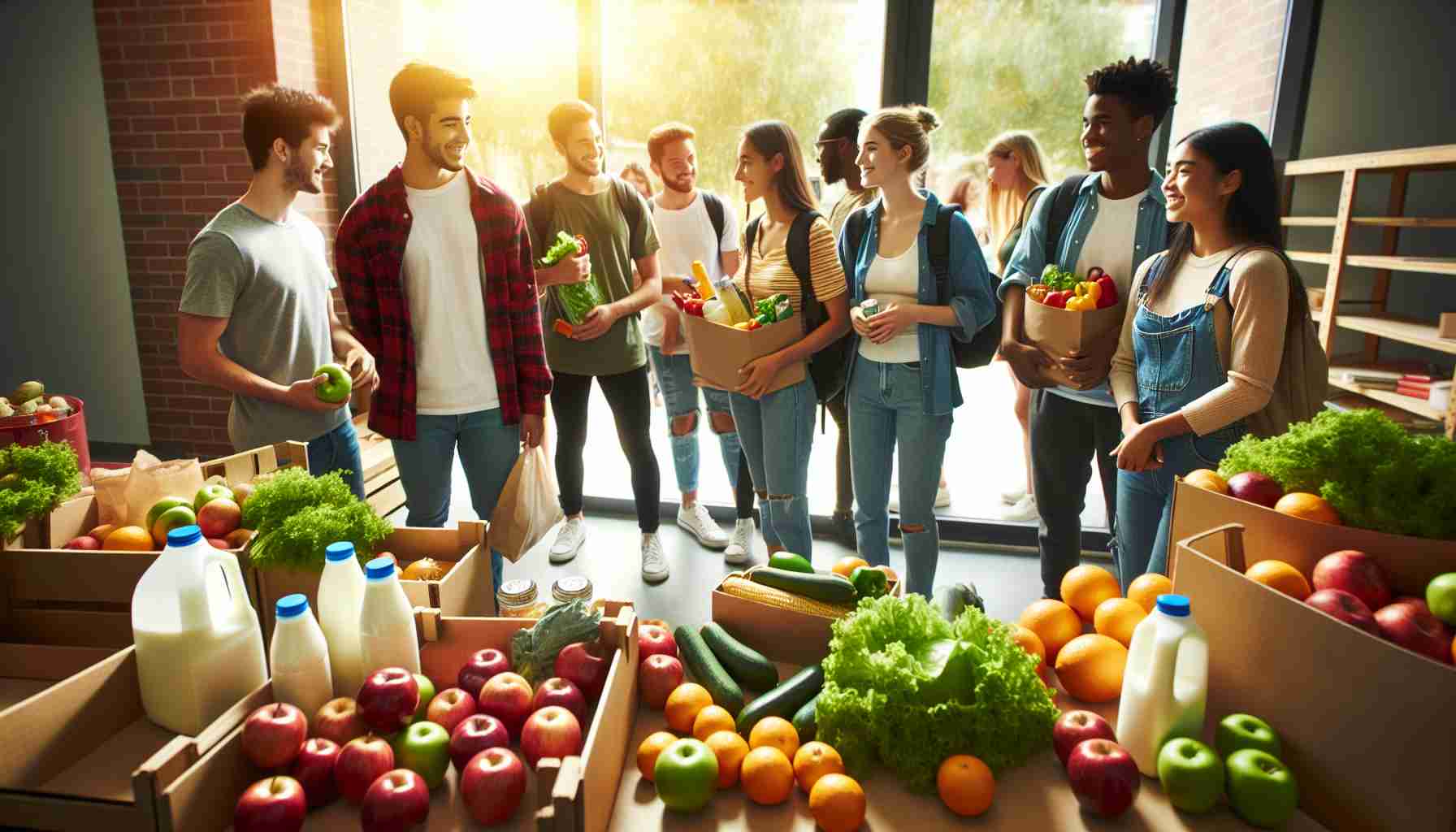
Statistics underscore the urgency of addressing food insecurity on college campuses. A study published in Frontiers in Public Health highlighted that food-insecure students often resort to unhealthy coping mechanisms, such as relying on cheap, processed foods, which can lead to poor dietary quality and long-term health issues. The lack of access to nutritious food not only affects physical health but also contributes to cognitive decline, making it even more challenging for students to succeed academically. The correlation between food insecurity and lower graduation rates is well-documented, with food-insecure students facing significant hurdles in completing their degrees.
In response to these challenges, universities like UMD have taken steps to mitigate food insecurity through initiatives such as expanding campus pantries and providing emergency meal funds. However, despite these efforts, many students still feel uncomfortable accessing these resources due to stigma. The importance of reducing this stigma cannot be overstated; it is essential for creating an environment where students feel safe seeking help. As highlighted in the UMD survey, increasing awareness of available resources and normalizing the conversation around food insecurity can empower students to take advantage of the support systems in place.
The need for comprehensive strategies to address food insecurity is clear. Institutions must not only provide resources but also foster a culture of understanding and support. This includes implementing educational programs that promote food literacy and cooking skills, which can empower students to make healthier choices despite financial constraints. Additionally, universities should consider partnerships with local organizations to enhance food access and provide students with the tools they need to thrive both academically and personally.
As the landscape of higher education continues to evolve, addressing food insecurity must remain a priority. The mental health and academic success of students are inextricably linked to their access to adequate nutrition. By recognizing and addressing the multifaceted nature of food insecurity, universities can create a more supportive environment that enables all students to succeed.
Campus Initiatives and Resources to Combat Food Insecurity
The University of Maryland (UMD) has taken significant strides to combat food insecurity among its student population, a pressing issue that has been exacerbated by economic factors such as inflation and the end of pandemic relief programs. The recent Food Access & Student Well-being Survey revealed that 27% of UMD students reported experiencing food insecurity, highlighting the urgent need for effective interventions. In response, UMD has expanded its Campus Pantry, which has been a vital resource since its inception in 2014. The pantry now offers a wider variety of food options, including fresh produce, dairy, and eggs, alongside nonperishable items. This expansion is crucial, as it not only addresses immediate hunger but also promotes healthier eating habits among students.
In addition to the pantry, UMD has introduced a Grocery Shopping Shuttle service that facilitates access to local grocery stores, making it easier for students to obtain affordable food. This initiative is particularly beneficial for those who may lack transportation or live in food deserts, where access to nutritious food is limited. Furthermore, the establishment of an Emergency Meal Fund by the Student Government Association provides immediate relief for students facing acute food insecurity, ensuring that they can focus on their studies without the burden of hunger.
The Essential Needs Center, located within the Dean of Students Office, plays a pivotal role in coordinating these efforts. It serves as a comprehensive support hub for students facing basic needs challenges, including food insecurity. By centralizing resources and information, the center helps students navigate available assistance programs, reducing the barriers that often prevent them from seeking help.
Despite these initiatives, stigma surrounding food insecurity remains a significant barrier. Many students express discomfort in utilizing the pantry, fearing they may be taking resources from those in greater need. This highlights the importance of reducing stigma and increasing awareness about the availability of resources. UMD has begun to address this issue by incorporating a ‘Student Basic Needs Statement’ in course syllabi, which informs students about the support available to them. Such measures are essential in fostering an environment where students feel comfortable seeking help.
Other universities have implemented successful programs that UMD can learn from. For instance, some institutions have established meal swipe donation programs, allowing students to donate unused meal swipes to peers in need. This not only provides immediate relief but also fosters a sense of community and support among students. Additionally, food recovery programs that collect leftover food from dining services and campus events can help redistribute resources to those in need, minimizing waste while addressing food insecurity.
Community gardens have also emerged as a promising solution at various universities, providing students with access to fresh produce while simultaneously teaching them valuable gardening and cooking skills. These initiatives not only enhance food security but also promote sustainability and community engagement.
To create a supportive environment for food-insecure students, universities must prioritize outreach and education about available resources. This includes actively connecting students with state and federal assistance programs, such as the Supplemental Nutrition Assistance Program (SNAP), which remains underutilized among eligible students. By simplifying the application process and providing assistance in navigating these programs, institutions can significantly alleviate food insecurity.
In conclusion, UMD’s multifaceted approach to addressing food insecurity serves as a model for other universities grappling with similar challenges. By expanding resources, reducing stigma, and fostering community support, institutions can create an environment where all students have the opportunity to thrive academically and personally, free from the burden of hunger.
National Trends and Policy Responses to Food Insecurity
Food insecurity among college students has emerged as a pressing national issue, with recent reports indicating that approximately 23% of college students across the United States experience food insecurity. This statistic, highlighted by the U.S. Government Accountability Office, underscores a growing concern that has been exacerbated by economic factors such as inflation, stagnant wages, and the lingering effects of the COVID-19 pandemic. The rising cost of living, particularly in terms of food prices, has made it increasingly difficult for students to afford adequate nutrition, which is essential for their academic success and overall well-being.
The economic landscape has shifted dramatically in recent years, with inflation rates reaching levels not seen in decades. In 2022, food prices saw nearly double-digit increases, placing additional strain on students who are already grappling with the financial burdens of tuition, housing, and other living expenses. As a result, many students are forced to make difficult choices between purchasing food and covering other essential costs, leading to a cycle of food insecurity that can have detrimental effects on their mental health and academic performance.
The Supplemental Nutrition Assistance Program (SNAP) plays a critical role in addressing food insecurity among college students. However, despite its potential benefits, participation rates among eligible students remain alarmingly low. A report from the U.S. Government Accountability Office revealed that only about one-third of students who are potentially eligible for SNAP benefits actually receive them. This gap can be attributed to several factors, including a lack of awareness about eligibility, the complexity of the application process, and the stigma associated with seeking assistance. The “work-to-eat” rule, which requires students to work a minimum of 20 hours per week to qualify for benefits, further complicates access for those balancing academic responsibilities with part-time jobs.
In response to the growing crisis of food insecurity, various policy recommendations have been proposed to enhance access to SNAP and other food assistance programs. One key suggestion is to expand eligibility criteria to include more students, particularly those with a $0 Expected Family Contribution (EFC), which could potentially add millions of students to the program. Additionally, targeted outreach efforts by colleges and universities, in collaboration with state agencies, could help inform students about their eligibility for SNAP and other resources. Institutions are encouraged to create application assistance hubs and promote awareness campaigns that reduce stigma and encourage students to utilize available support.
Moreover, the impact of food insecurity extends beyond immediate hunger; it significantly affects students’ mental health and academic outcomes. Research indicates that food-insecure students are more likely to experience anxiety, depression, and lower academic performance. As such, addressing food insecurity is not only a matter of providing access to food but also a critical public health issue that requires comprehensive policy responses.
The economic pressures faced by students are compounded by broader trends in the labor market and rising living costs. As inflation continues to affect food prices, the need for effective interventions becomes increasingly urgent. Innovative solutions, such as on-campus food pantries, meal swipe donation programs, and community gardens, have shown promise in alleviating food insecurity. These initiatives not only provide immediate relief but also foster a sense of community and support among students.
In conclusion, the issue of food insecurity among college students is a multifaceted challenge that necessitates coordinated efforts from policymakers, educational institutions, and community organizations. By addressing the root causes of food insecurity and implementing effective interventions, stakeholders can help ensure that all students have access to the nutrition they need to succeed academically and thrive in their personal lives.
Conclusion: The Path Forward in Addressing Food Insecurity in Higher Education
The issue of food insecurity among college students is a growing concern that has far-reaching implications for their academic success and overall well-being. The University of Maryland’s recent survey revealed that 27% of its students reported experiencing food insecurity, a significant increase attributed to economic factors such as inflation and the end of pandemic relief programs. This trend is not unique to UMD; nationwide, approximately 23% of college students face similar challenges. The consequences of food insecurity extend beyond hunger, impacting students’ mental health, academic performance, and social interactions. Many students report feeling isolated and stressed, which can hinder their ability to focus on their studies and engage in campus life.
In response to these alarming statistics, universities are implementing various initiatives to combat food insecurity. UMD has expanded its Campus Pantry and introduced support programs like a Grocery Shopping Shuttle and an Emergency Meal Fund. However, despite these efforts, stigma surrounding food insecurity remains a barrier, preventing some students from utilizing available resources. Addressing this stigma is crucial for ensuring that all students feel comfortable seeking help.
As the landscape of food insecurity continues to evolve, it is essential for universities, policymakers, and community organizations to collaborate on sustainable solutions. This includes increasing awareness of available resources, expanding access to programs like SNAP, and fostering an environment where students can openly discuss their needs without fear of judgment. Ongoing research and awareness-raising initiatives are vital to ensure that all students have the resources they need to thrive academically and personally.
Reference:
Survey Returns to Measure Food Insecurity Among UMD Students
Addressing Food Insecurity Among College Students
A Decade of College Student Hunger: Understanding Food Insecurity and Its Implications
USAO Food Pantry Strives to Support Students
Food Fuels Futures: The Critical Role of SNAP for College Students
The Economics of Administration Action on Student Debt
CBO Releases Budget and Economic Outlook for 2024-2034
Rising Food Insecurity in Alabama Mirrors National Trends
China’s Food Security: Key Challenges and Emerging Policy Responses