
Introduction: Understanding the Landscape of Sexual Misconduct in Higher Education
Sexual misconduct remains a pervasive issue across U.S. universities, affecting the safety and well-being of students and undermining the educational environment. The prevalence of sexual harassment and assault on campuses has prompted institutions to take action, yet the challenge persists. Recent surveys, such as the one conducted by the University of Virginia (2025 USNews Ranking: 24) (UVA), highlight the importance of ongoing dialogue and awareness initiatives to address these critical issues. The UVA survey, part of a broader initiative involving ten higher education institutions, provides valuable insights into student experiences and perceptions regarding sexual misconduct, revealing both progress and areas needing improvement.
The findings from UVA’s survey indicate a decrease in reported experiences of sexual harassment among students compared to previous years, suggesting that awareness and prevention efforts may be having a positive impact. However, the survey also underscores a troubling reluctance among students to report incidents of misconduct, with many unaware of the resources available to them. This gap in knowledge emphasizes the need for continuous education and outreach to ensure that students feel supported and empowered to come forward when they experience or witness sexual misconduct.
The objectives of this commentary are to analyze the survey findings from UVA, discuss the effectiveness of sexual assault prevention training, and explore the role of Title IX in addressing these issues. Title IX, a federal law prohibiting sex-based discrimination in educational institutions, plays a crucial role in shaping policies and practices related to sexual misconduct. As universities navigate the complexities of compliance with Title IX, it is essential to evaluate how these regulations are implemented and their effectiveness in fostering a safe campus environment.
Moreover, the importance of prevention training cannot be overstated. Programs designed to educate students about consent, bystander intervention, and the resources available for reporting incidents are vital in creating a culture of accountability and support. As institutions like UVA continue to refine their approaches to sexual misconduct, it is imperative to engage in ongoing discussions about best practices and the effectiveness of current initiatives.
In light of the recent survey results, it is clear that while progress has been made, there is still significant work to be done. The findings serve as a reminder that addressing sexual misconduct in higher education requires a multifaceted approach, involving not only policy changes but also a commitment to fostering a culture of respect and support for all students. As we delve deeper into the implications of these findings, it is crucial to consider how universities can enhance their efforts to combat sexual misconduct and ensure a safe and equitable educational experience for all.
Survey Findings: Insights from UVA and Beyond
The recent survey conducted by the University of Virginia (UVA) has unveiled significant trends in student experiences and perceptions regarding sexual misconduct, which can be compared to findings from other prestigious institutions such as Harvard University and the University of Hawaiʻi. The UVA survey, part of a broader initiative involving ten higher education institutions, reported a decrease in the prevalence of sexual harassment and assault among students, a trend that is echoed in the results from Harvard’s recent survey.
At UVA, the survey indicated that 13.7% of graduate women reported experiencing sexual harassment, a notable decline from 22.8% in 2019. Similarly, undergraduate women reported a decrease from 29% to 26%. In contrast, Harvard’s survey results also showed a statistically significant decline in reported sexual misconduct since the last American Association of Universities (AAU) survey in 2019, although the overall prevalence of such incidents remains concerningly high. This suggests that while both institutions are making strides in reducing reported incidents, the challenge of addressing sexual misconduct remains a pressing issue across campuses.
The University of Hawaiʻi (UH) also provides a valuable perspective in this comparative analysis. Their 2019 survey revealed that 7.2% of students reported experiencing nonconsensual sexual contact, while 12.7% reported sexual harassment. Although these figures are lower than national averages, they highlight the ongoing challenges that universities face in creating safe environments for all students. The UH survey’s findings, which indicated an increase in reported incidents compared to 2017, align with the broader trend of heightened awareness surrounding sexual misconduct, influenced by movements such as #MeToo.
One of the critical aspects of the UVA survey was the decline in the perception of sexual assault as a problem on campus, with only 53% of respondents acknowledging it as at least somewhat problematic, down from 67% in 2019. This decline in perceived severity may reflect a growing sense of safety among students, but it also raises concerns about complacency in addressing the issue. In contrast, Harvard’s survey highlighted that while awareness of reporting mechanisms has improved, a significant minority of students who experienced harassment chose not to report the incidents, indicating a need for further efforts to instill confidence in the reporting process.
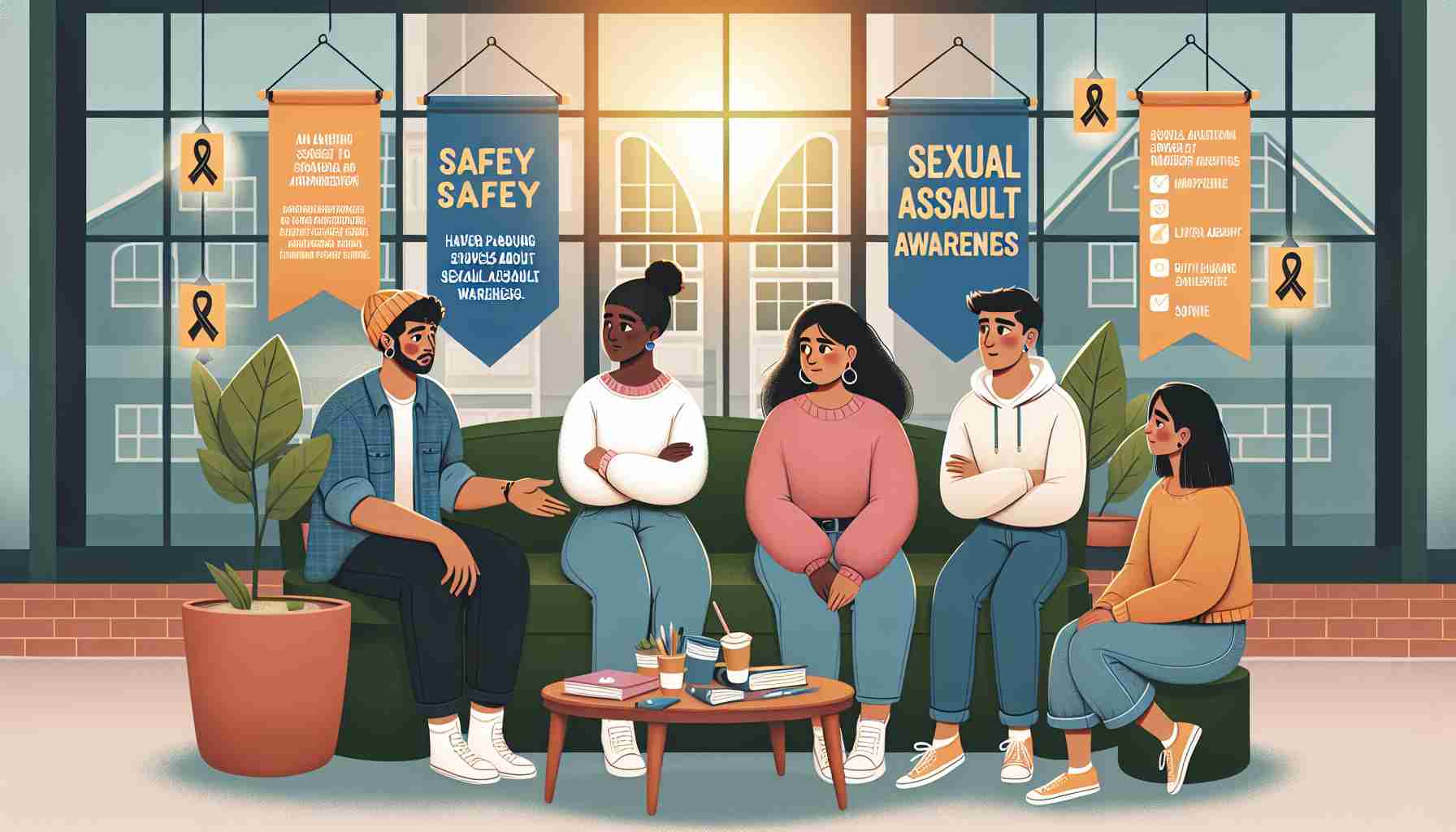
Awareness of reporting mechanisms is another area where the UVA survey revealed room for improvement. While 67% of respondents were aware of how sexual assault and misconduct are defined, only 64% knew where to report such incidents. This gap in knowledge is critical, as it underscores the importance of not only educating students about the definitions of misconduct but also ensuring they are informed about the resources available to them. Harvard’s survey similarly found that despite increased awareness, many students still opted not to report incidents, suggesting that universities must enhance the accessibility and visibility of their support services.
The implications of these findings extend beyond mere statistics; they highlight the effectiveness of current policies and initiatives aimed at reducing sexual misconduct on campuses. Both UVA and Harvard have implemented various programs, such as mandatory sexual assault prevention training for incoming students, which aim to foster a culture of awareness and support. However, the persistent reluctance among students to report incidents suggests that these initiatives may need to be reevaluated and strengthened to ensure they resonate with the student body.
Furthermore, the trends observed in these surveys point to the necessity for ongoing research and policy development in the realm of sexual misconduct. As universities continue to navigate the complexities of these issues, longitudinal studies that track changes in student experiences and perceptions over time will be essential. Such research can provide valuable insights into the effectiveness of interventions and inform future strategies aimed at creating safer campus environments.
In conclusion, the comparative analysis of sexual misconduct surveys from UVA, Harvard, and the University of Hawaiʻi reveals both progress and ongoing challenges in addressing this critical issue. While there are positive trends in reported experiences and perceptions, the need for continued vigilance and improvement in reporting mechanisms and support services remains paramount. As institutions strive to foster safe and inclusive environments, the insights gained from these surveys will be instrumental in shaping future policies and initiatives.
The Impact of Sexual Assault Prevention Training
The University of Virginia (UVA) has taken significant strides in addressing sexual misconduct through its mandatory Sexual Assault Prevention Training for incoming students, which is complemented by ongoing training every two years for all students. This initiative is part of a broader effort to foster a culture of awareness and support on campus, aiming to increase reporting rates and ensure that students feel empowered to come forward with their experiences. The recent survey results from UVA indicate a positive trend, with a decrease in reported experiences of sexual harassment among students. For instance, the percentage of undergraduate women reporting sexual harassment dropped from 29% in 2019 to 26% in 2024. This decline suggests that the training programs may be effective in raising awareness and changing perceptions about sexual misconduct.
Comparatively, Harvard University has also implemented similar training initiatives as part of its commitment to combat sexual misconduct. Since 2018, all students, faculty, and staff at Harvard have been required to complete training on sexual harassment prevention, which emphasizes community care and bystander intervention. The results from Harvard’s recent survey revealed a statistically significant decline in reported sexual misconduct since 2019, although the prevalence of such incidents remains a concern. Notably, the survey highlighted that while awareness of reporting mechanisms has increased, a minority of students who experienced harassment chose to report the incidents. This reflects a common challenge across institutions: despite training and awareness efforts, many students still hesitate to come forward.
Kennesaw State University (KSU) offers another perspective on the effectiveness of training and support systems. The university’s Safety, Advocacy, Forensics, Empowerment (SAFE) Center provides comprehensive resources for victims of crime, including trauma-informed advocacy and educational workshops. KSU’s approach emphasizes the importance of creating a safe environment where victims can seek help without navigating multiple locations for support. The SAFE Center’s initiatives, combined with mandatory training, aim to empower students and foster a culture of reporting. However, like UVA and Harvard, KSU faces the challenge of ensuring that students feel comfortable and supported when coming forward.
Statistics from these institutions reveal a complex landscape regarding reporting rates and student perceptions. At UVA, while 67% of respondents were aware of how sexual assault and misconduct are defined, only 64% knew where to report such incidents. This gap indicates that awareness alone may not be sufficient to encourage reporting; students must also feel confident in the support systems available to them. Similarly, at Harvard, despite high participation rates in training, the survey found that many students still opted not to report incidents, highlighting the need for ongoing efforts to build trust in the reporting process.
The effectiveness of sexual assault prevention training is further underscored by longitudinal studies that track changes in campus climate and student behavior over time. For instance, the University of Hawaiʻi’s biennial survey revealed that while awareness of resources increased, reported incidents of sexual harassment and violence also rose, suggesting that heightened awareness may lead to more students feeling comfortable disclosing their experiences. This phenomenon aligns with findings from other institutions, where increased awareness often correlates with higher reporting rates, but also with a greater acknowledgment of the prevalence of these issues.
Despite the positive trends observed in some areas, challenges remain in encouraging students to report incidents of sexual misconduct. Factors such as fear of retaliation, stigma, and a lack of trust in the reporting process can deter students from coming forward. Institutions must continue to refine their training programs and support services to address these barriers effectively. By fostering an environment that prioritizes transparency, support, and accountability, universities can work towards a culture where students feel safe and empowered to report incidents of sexual misconduct.
In conclusion, while mandatory sexual assault prevention training at institutions like UVA, Harvard, and KSU has shown promise in increasing awareness and decreasing reported incidents of sexual harassment, the challenge of encouraging reporting remains. Ongoing efforts to enhance support systems and build trust in the reporting process are essential for creating a safer campus environment for all students.
The Role of Title IX in Addressing Sexual Misconduct
Title IX has long served as a critical framework for addressing sexual misconduct in U.S. higher education, providing essential protections against sex-based discrimination. Recent legislative changes, particularly in California and under the Biden administration, signal a renewed commitment to enhancing the effectiveness of Title IX in combating sexual harassment and assault on college campuses. These changes aim to bolster compliance, accountability, and support for victims, while also addressing the challenges institutions face in implementing these regulations.
In California, a comprehensive package of twelve bills was introduced in April 2024, aimed at reforming how public colleges and universities handle sexual harassment and discrimination. This legislative initiative arose in response to a report highlighting significant shortcomings in the management of Title IX across the University of California and California State University systems. Assemblymember Mike Fong, who spearheaded the initiative, emphasized the importance of these bills in creating a system of compliance and oversight that enhances transparency and accountability. Key measures include the establishment of independent Title IX offices on campuses, mandatory training on preventing drug-facilitated sexual assault, and requirements for timely updates on the outcomes of sexual discrimination cases. These legislative efforts reflect a growing recognition of the need for robust mechanisms to support victims and ensure that educational environments are safe and equitable.
Simultaneously, the Biden administration’s overhaul of Title IX regulations, set to take effect in August 2024, represents a significant shift in how sexual misconduct cases are addressed in educational institutions. The new regulations eliminate mandatory live hearings with cross-examination, a change aimed at reducing the potential for re-traumatization of survivors during the reporting process. Additionally, the updated rules redefine sexual harassment and extend jurisdiction to off-campus incidents, thereby broadening the scope of protections for students. This overhaul is particularly noteworthy as it seeks to restore and enhance protections that were rolled back under previous administrations, reflecting a commitment to creating a more supportive environment for survivors.
Despite these positive developments, institutions face considerable challenges in implementing the new regulations and legislative measures. Many colleges and universities, particularly smaller ones, may struggle with the complexities and resource demands associated with compliance. The need for extensive retraining of staff and administrators to navigate the new requirements is paramount. Furthermore, there is a pressing need to foster a campus culture that encourages reporting and supports survivors. The reluctance of students to report incidents of sexual misconduct remains a significant barrier, as highlighted by recent surveys indicating that while awareness of definitions and reporting mechanisms is increasing, many students still feel uncertain about where to seek help.
Creating a supportive environment for survivors is essential for the success of these legislative and regulatory changes. Institutions must prioritize the development of comprehensive support services that address the emotional and psychological needs of victims. This includes trauma-informed counseling, advocacy, and educational programs that empower students to come forward. The establishment of dedicated Title IX offices, as proposed in California’s legislative package, can play a crucial role in ensuring that survivors receive the assistance they need while navigating the reporting process.
In conclusion, the evolving landscape of Title IX regulations and state-level legislative initiatives reflects a growing recognition of the importance of addressing sexual misconduct in higher education. As institutions work to implement these changes, the focus must remain on enhancing compliance, accountability, and support for victims, while also fostering a campus culture that prioritizes safety and respect for all students. The success of these efforts will ultimately depend on the commitment of educational institutions to create environments where survivors feel empowered to speak out and seek justice.
Conclusion: Moving Forward in the Fight Against Sexual Misconduct
The recent survey results from the University of Virginia (UVA) provide a glimpse into the ongoing challenges and progress in addressing sexual misconduct on college campuses. While the data indicates a decrease in reported experiences of sexual harassment and a decline in the perception of sexual assault as a problem, the findings also reveal a troubling reluctance among students to report incidents. This reluctance underscores the need for universities to enhance their support systems and ensure that students feel safe and empowered to come forward.
The survey highlights that, despite a growing awareness of sexual misconduct definitions and reporting mechanisms, a significant portion of students remains unaware of where to report incidents. This gap in knowledge can hinder the effectiveness of existing policies and resources designed to support survivors. As noted by Molly Zlock, UVA’s Title IX coordinator, it is crucial to foster an environment where students feel supported, regardless of whether they choose to engage in formal reporting processes. This sentiment is echoed across various institutions, as seen in Harvard’s survey results, which also indicate a low reporting rate despite increased awareness.
The implementation of comprehensive training programs, such as mandatory Sexual Assault Prevention Training for incoming students, is a step in the right direction. However, ongoing research and evaluation of these programs are essential to determine their effectiveness in increasing awareness and reporting rates. Institutions must continuously adapt their training to address the evolving landscape of sexual misconduct and ensure that they are meeting the needs of their diverse student populations.
Moreover, robust enforcement of Title IX regulations is critical in creating safer campus environments. The recent legislative efforts in California to enhance compliance and oversight of Title IX are indicative of a broader movement towards accountability in higher education. Collaboration among universities, lawmakers, and advocacy groups is vital to ensure that the voices of survivors are heard and that comprehensive support systems are in place. This collaboration can lead to the development of policies that not only address the immediate needs of survivors but also promote a culture of respect and safety on campuses.
In conclusion, while the survey results from UVA and other institutions reflect some positive trends in addressing sexual misconduct, they also highlight the persistent challenges that remain. Continued efforts are necessary to improve awareness, enhance training programs, and enforce Title IX regulations effectively. By fostering collaboration among all stakeholders, universities can work towards creating a safer and more supportive environment for all students, ensuring that incidents of sexual misconduct are addressed promptly and effectively.
Reference:
UVA Releases Survey Results on Student Sexual Misconduct Experiences and Perceptions
Harvard University Releases Results of Sexual Misconduct Survey
University of Hawaiʻi Releases Results of Student Survey on Sexual Harassment and Violence
California Lawmakers Introduce Bills to Combat Sexual Harassment in Public Colleges
Biden Administration’s Final Title IX Rule Goes Into Effect Aug. 1
Kennesaw State University’s SAFE Center: A Comprehensive Resource for Victims of Crime
Sex Crimes on College Campuses in California: Legal Options and Support
Crime Trends in U.S. Cities: Year-End 2023 Update
Addressing Misconceptions and Reforming Sentencing for Crimes of a Sexual Nature
New Study Links Men’s Body Gaze to Sexual Assault Propensity