UC Berkeley’s 2024 Freshman Admission Statistics: A Closer Look
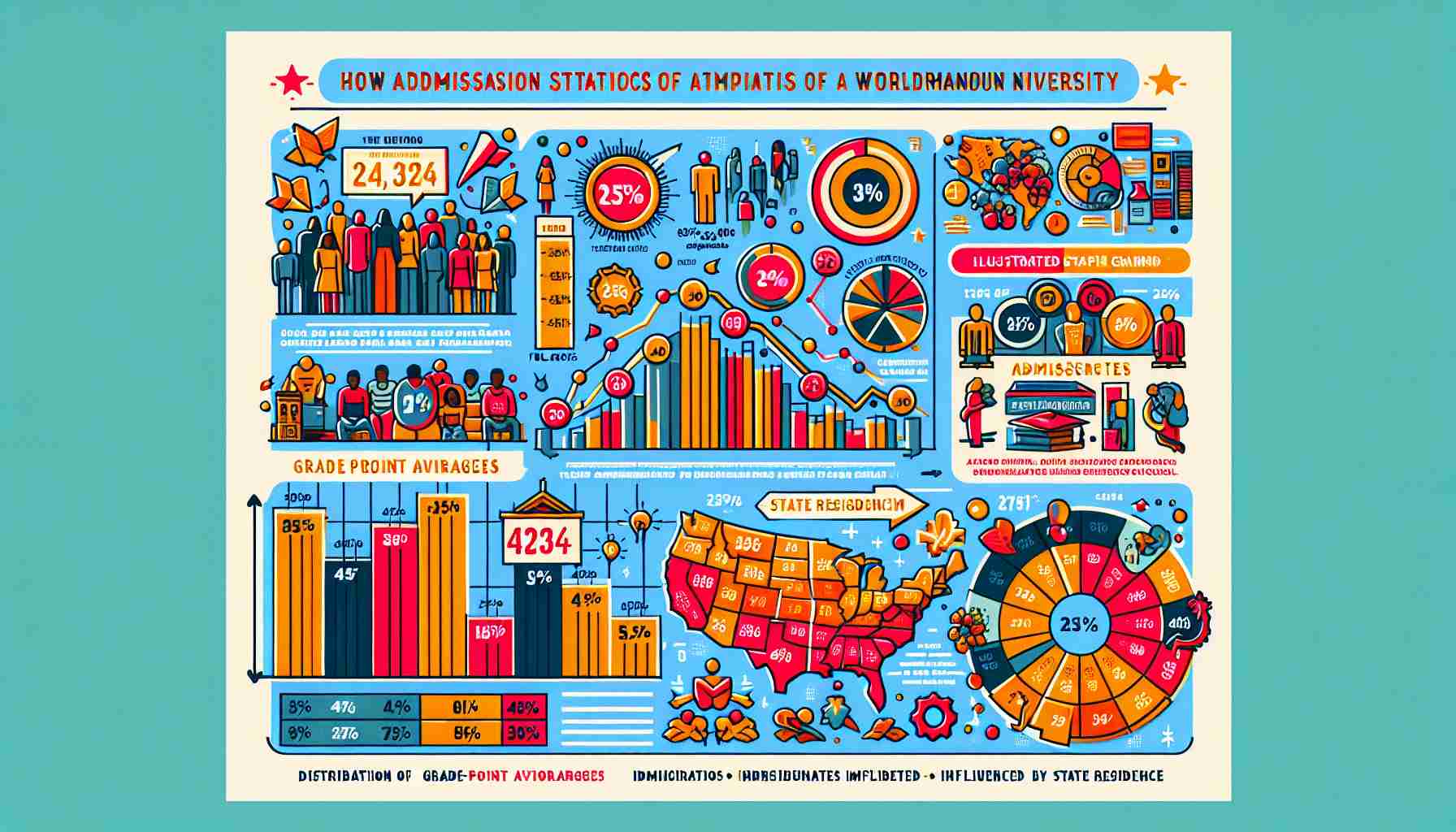
On August 2, 2024, the University of California-Berkeley (2024 USNews Ranking: 15) (UC Berkeley) released its freshman admission statistics for the upcoming fall semester, revealing that the institution admitted a total of 19,213 students. This figure includes 13,710 freshmen and 5,503 transfer students. A notable aspect of this year’s admissions is that 79% of the incoming freshmen hail from California, underscoring UC Berkeley’s commitment to prioritizing in-state students. The average unweighted GPA of the admitted freshmen stands at 3.92, while the weighted GPA is 4.47, both of which are consistent with or slightly higher than the previous year. Among the new freshmen, over 3,600 are first-generation college students, and more than 3,800 come from underrepresented minority groups, including African American, Latinx, and Native American communities.
However, this year saw a reduction of approximately 1,000 admission slots, resulting in an overall admission rate that has dropped to 11%. For transfer students, California residents make up 93% of the admitted cohort, with 44% being first-generation college students. The average GPA for transfer students is 3.76, reflecting UC Berkeley’s ongoing efforts to attract high-achieving students. Admissions officials at UC Berkeley have expressed their commitment to diversity and academic excellence, ensuring that students from various backgrounds have access to quality educational opportunities.
UC Berkeley 2024 Freshman Admission Statistics
The admission statistics for UC Berkeley in 2024 reveal a complex landscape shaped by legislative pressures and institutional goals. On March 13, 2024, California lawmakers expressed dissatisfaction with the University of California (UC) system’s admissions practices, arguing that despite an increase in the number of in-state students admitted, the system has not met the targets set by the state government. According to the 2021 budget act, the state mandated that the UC system increase the number of California residents admitted over a five-year period. However, the UC system fell short of this goal in the 2023-24 academic year, lacking nearly 1,400 full-time students.
Assemblymember David Alvarez highlighted the frustration of many talented California students who were denied admission. The proportion of non-resident students in the UC system has decreased over the past two years, from 17.7% to 16.3%. In response, lawmakers have proposed raising tuition for non-resident students to create more opportunities for California residents. The UC system plans to increase its full-time student enrollment by 23,000 to 33,000 by 2030, with UC Merced and UC Riverside expected to account for 30% to 35% of this growth.
The financial implications of non-resident students are significant, as they pay nearly three times the tuition of resident students, leading to an increased financial dependency on this demographic. Currently, the UC system receives $31 million annually in state funding to support the admission of more California residents, yet it still falls short of its targets. The California State University (CSU) system is also grappling with enrollment challenges, with many campuses experiencing a decline of over 20% since 2019. CSU plans to address this issue by reallocating resources to ensure that campuses with higher demand receive the necessary support.
Overall, California’s higher education system faces significant challenges in meeting the enrollment needs of its residents. The statistics from UC Berkeley serve as a microcosm of these broader trends, highlighting the ongoing struggle to balance state mandates, institutional goals, and the needs of diverse student populations.
Impact of California Residency on UC Berkeley Admissions
The reliance on community colleges within California’s higher education system is a critical factor influencing admissions at UC Berkeley. According to data from the California Department of Education, 54% of public high school graduates in the 2019-20 academic year chose to enroll in California’s community colleges. This high enrollment rate in community colleges contrasts sharply with the state’s low rates of admission to four-year universities, underscoring the importance of transfer pathways in increasing the number of bachelor’s degree holders in California and enhancing economic security for workers.
Despite improvements in transfer rates, significant challenges remain. Approximately 19% of students intending to transfer successfully do so within four years, with notable disparities among different racial and ethnic groups. Asian and White students have transfer rates of 25%, while Black and Latinx students have rates of only 13% and 16%, respectively.
The pandemic has further complicated the transfer landscape, leading to a 7.6% decline in transfer numbers between 2021 and 2022. However, there has been a positive trend in the proportion of students completing their transfer within two years, which reached 31% in the 2021-22 academic year. Additionally, 65% of students who successfully transferred had obtained an associate degree prior to their transfer, highlighting the effectiveness of the Associate Degree for Transfer (ADT) pathway.
California’s higher education institutions are implementing various policies and programs to streamline transfer pathways. The Student Transfer Achievement Reform Act (AB 928) aims to provide clearer transfer pathways for students from California community colleges, requiring the establishment of a unified lower-division general education transfer pathway for applications to California State University (CSU) and the University of California (UC). Furthermore, AB 1111 mandates the implementation of a unified course numbering system across California community colleges by 2024 to facilitate credit transfer. While progress has been made, continued efforts are necessary to ensure that more students can successfully transfer and earn their bachelor’s degrees.
Diversity in UC Berkeley’s Student Body
Diversity is a cornerstone of UC Berkeley’s mission, and the university actively fosters an inclusive environment for students from various backgrounds. The Berkeley Public Health School exemplifies this commitment by offering a range of student organizations designed to promote collaboration and enhance practical experience in the public health field. These organizations cover diverse areas, from health policy to athletic activities, helping students build relationships, engage in community service, and develop professional skills.
For instance, the Latinx Public Health Alliance (ALPHA) focuses on empowering Latinx students, while the Asian Pacific Islander Women’s Circle (APIWC) provides a space for women to share experiences and build support networks. The Public Health Infectious Disease Student Association (APHIDS) aims to strengthen connections among students in the infectious disease field, creating a warm learning environment.
Additionally, organizations such as the Biostatistics Graduate Student Association (BSGSA) and Black Advocates for Health Equity (BAEH) actively promote professional development and community building within their respective fields. BSGSA welcomes all students interested in biostatistics, while BAEH focuses on supporting and empowering Black students to promote health equity.
The California Public Health Student Aid Organization (Cal STAPH) provides students with practical experience, helping them establish professional networks in the public health sector. By collaborating with local and state health agencies, Cal STAPH enhances students’ professional skills and addresses California’s public health needs.
The Berkeley Public Health School also features the Undergraduate Public Health Coalition (Cal UPHC), which aims to provide professional support and networking opportunities for undergraduate students seeking practical experience in public health. The Haas Health Association (HHA) brings together students from various disciplines to build a more impactful healthcare ecosystem.
Moreover, student interest groups such as the Maternal, Child, and Adolescent Health Student Interest Group (MCAH SIG) and the Queer Public Health Organization (QPH) actively promote discussions and research in their respective fields, further enhancing diversity and inclusivity in public health. The Student Coalition for Impactful Leadership (SCIL) offers leadership development opportunities, preparing students to become future leaders in public health.
In summary, the student organizations at the Berkeley Public Health School not only provide students with rich learning and practical opportunities but also lay a solid foundation for their professional development in the public health sector. Through these organizations, students gain a deeper understanding of the complexities of public health, enhance their professional capabilities, and actively participate in improving public health practices.
Trends in GPA Among Admitted Students at UC Berkeley
The academic performance of applicants, particularly their GPA, plays a crucial role in the admissions process for top-tier MBA programs in the United States. Recent data indicates that many leading business schools have admission standards that show a correlation between higher GPAs and higher GMAT scores, significantly enhancing an applicant’s competitiveness. For example, applicants to the Kellogg School of Management have been admitted with GPAs as high as 3.85 and GMAT scores of 735, while Harvard University has seen applicants with GPAs of 3.5 and GMAT scores of 760 gain admission. Similar trends are observed at other prestigious business schools such as Wharton, Stanford, and Columbia, highlighting the importance of a strong GPA-GMAT combination in the application process.
Moreover, an applicant’s background and experiences also play a vital role in the admissions process. Candidates from diverse professional backgrounds, such as engineers, lawyers, and finance experts, may have varying GPAs and GMAT scores, but their unique experiences and career trajectories can enhance their applications.
Interestingly, some applicants with lower GPAs, such as those with GPAs of 2.85 or 2.9, still manage to achieve relatively high GMAT scores, indicating that a balance between academic performance and standardized test scores is crucial in the admissions process.
In conclusion, applicants seeking admission to top MBA programs in the United States must meet certain standards in both GPA and GMAT scores while also showcasing their individuality and professional potential. The trends observed in GPA among admitted students at UC Berkeley reflect broader patterns in higher education, where academic excellence is increasingly intertwined with diversity and inclusion.
Conclusion
The admission statistics for UC Berkeley in 2024 reveal a multifaceted landscape shaped by legislative pressures, institutional goals, and the commitment to diversity and academic excellence. The university’s focus on admitting California residents, particularly first-generation college students and those from underrepresented minority groups, underscores its dedication to providing equitable educational opportunities.
The challenges faced by California’s higher education system, including the reliance on community colleges and the need for streamlined transfer pathways, highlight the importance of addressing enrollment needs for in-state students. Furthermore, UC Berkeley’s efforts to foster diversity within its student body through various organizations and initiatives demonstrate a commitment to inclusivity and community engagement.
As trends in GPA among admitted students continue to evolve, it is clear that academic performance remains a critical factor in the admissions process. However, the interplay between GPA, standardized test scores, and unique experiences will shape the future of admissions at UC Berkeley and other institutions across the nation.
In summary, UC Berkeley’s 2024 freshman admission statistics not only reflect the university’s commitment to diversity and academic excellence but also serve as a microcosm of the broader challenges and opportunities facing California’s higher education system. The ongoing efforts to enhance access and support for students from diverse backgrounds will be crucial in shaping the future of higher education in the state and beyond.