
Introduction to the Role of Veterinary Colleges in Community Development
The establishment of veterinary colleges plays a critical role in addressing the growing needs of both animal and community health across the United States. A notable recent development is the founding of Clemson University’s College of Veterinary Medicine (CVM), which marks a significant milestone for South Carolina. This initiative is particularly vital given the ongoing shortage of veterinarians in the region, which has been a pressing concern for local communities. The appointment of Lynn Tumblin as the administrative coordinator for the CVM underscores the college’s commitment to building a robust infrastructure that will support not only veterinary education but also broader community welfare.
Clemson’s CVM aims to tackle the veterinarian shortage by providing a comprehensive veterinary education that prepares graduates to serve the state’s diverse animal health needs. Tumblin, a South Carolina native with nearly two decades of experience at Clemson, is poised to leverage her background in finance and human resources to ensure the college operates efficiently. Her enthusiasm for the role is evident in her acknowledgment of the pressing need for more veterinarians in the state, particularly in rural areas where access to veterinary care is limited. This focus on rural health is crucial, as many small communities struggle with inadequate veterinary services, which can lead to significant public health challenges.
Historically, veterinary education in the U.S. has evolved significantly, with the first veterinary colleges established in the late 19th century. Since then, the field has expanded, with veterinary colleges now playing a vital role in not only training veterinarians but also in conducting research that advances animal health and welfare. The establishment of the CVM at Clemson reflects a growing recognition of the need for veterinary services, particularly in underserved areas. As rural populations continue to grow, the demand for accessible veterinary care becomes increasingly critical. The college’s mission aligns with national trends emphasizing the importance of veterinary services in enhancing community health and addressing zoonotic diseases.
Moreover, the CVM’s objectives extend beyond merely increasing the number of veterinarians. The college aims to foster community engagement and partnerships that enhance animal welfare and public health. Initiatives such as outreach programs, community service projects, and collaborations with local animal shelters will provide students with hands-on experience while simultaneously addressing pressing issues like pet overpopulation and the health of local animal populations. These efforts not only benefit the students’ education but also strengthen the bond between the veterinary community and the public, ultimately leading to healthier environments for both animals and humans.
The urgency of this initiative is further highlighted by the increasing need for veterinary services in rural and underserved areas, where veterinary professionals often face overwhelming workloads and limited resources. The CVM’s establishment is a proactive step toward ensuring that these communities have access to the veterinary care they need, which can lead to improved animal health outcomes and, by extension, better public health. This interconnectedness of animal and human health is encapsulated in the One Health approach, which underscores the importance of collaboration across disciplines to tackle complex health challenges.
In conclusion, the launch of Clemson University’s College of Veterinary Medicine represents a significant advancement in veterinary education and community health in South Carolina. With leaders like Lynn Tumblin at the helm, the CVM is well-positioned to make a lasting impact on the region, addressing the critical shortage of veterinarians while enhancing the health and welfare of both animals and the communities they inhabit. As veterinary colleges continue to evolve, their role in fostering community engagement and addressing public health challenges will be more essential than ever.
Community Engagement Initiatives by Veterinary Colleges
Veterinary colleges across the United States are increasingly recognizing the importance of community engagement initiatives, which serve both to enhance the education of future veterinarians and to address pressing issues within local communities. Clemson University’s College of Veterinary Medicine (CVM) exemplifies this commitment through its active participation in initiatives like ‘Fix a Feral Day,’ which aims to control the population of community cats in the Greenville area. This event, organized in collaboration with Greenville County Animal Care, not only provides invaluable hands-on experience for veterinary students but also addresses the critical issue of pet overpopulation. By involving students in such community service projects, the CVM fosters a sense of responsibility and servant leadership among its future veterinarians, highlighting the integral role they will play in their communities.
Virginia Tech’s efforts in Ethiopia further illustrate the global dimension of veterinary colleges’ community engagement. Professors Carla Savage and Sophie Wenzel led an initiative focused on addressing food insecurity through agricultural partnerships. Their work, which includes the implementation of aquaponics systems, not only enhances local nutrition but also empowers communities by providing skills training. This initiative underscores the multifaceted role that veterinary professionals can play in global health and community resilience. By equipping students with the tools to tackle food security issues, veterinary colleges are preparing them to engage meaningfully with diverse populations, both domestically and abroad.
Moreover, the recognition of Purdue Veterinary Medicine as the first engaged college within Purdue University (2025 USNews Ranking: 46) highlights the growing emphasis on community involvement in veterinary education. This designation came after a thorough self-assessment and the development of an action plan aimed at enhancing community engagement. Purdue’s initiatives, which include partnerships with local agricultural fairs and animal welfare organizations, exemplify how veterinary colleges can create robust connections with their communities. These partnerships not only enrich the educational experience for students but also contribute significantly to the welfare of animals and the public health of the regions they serve.
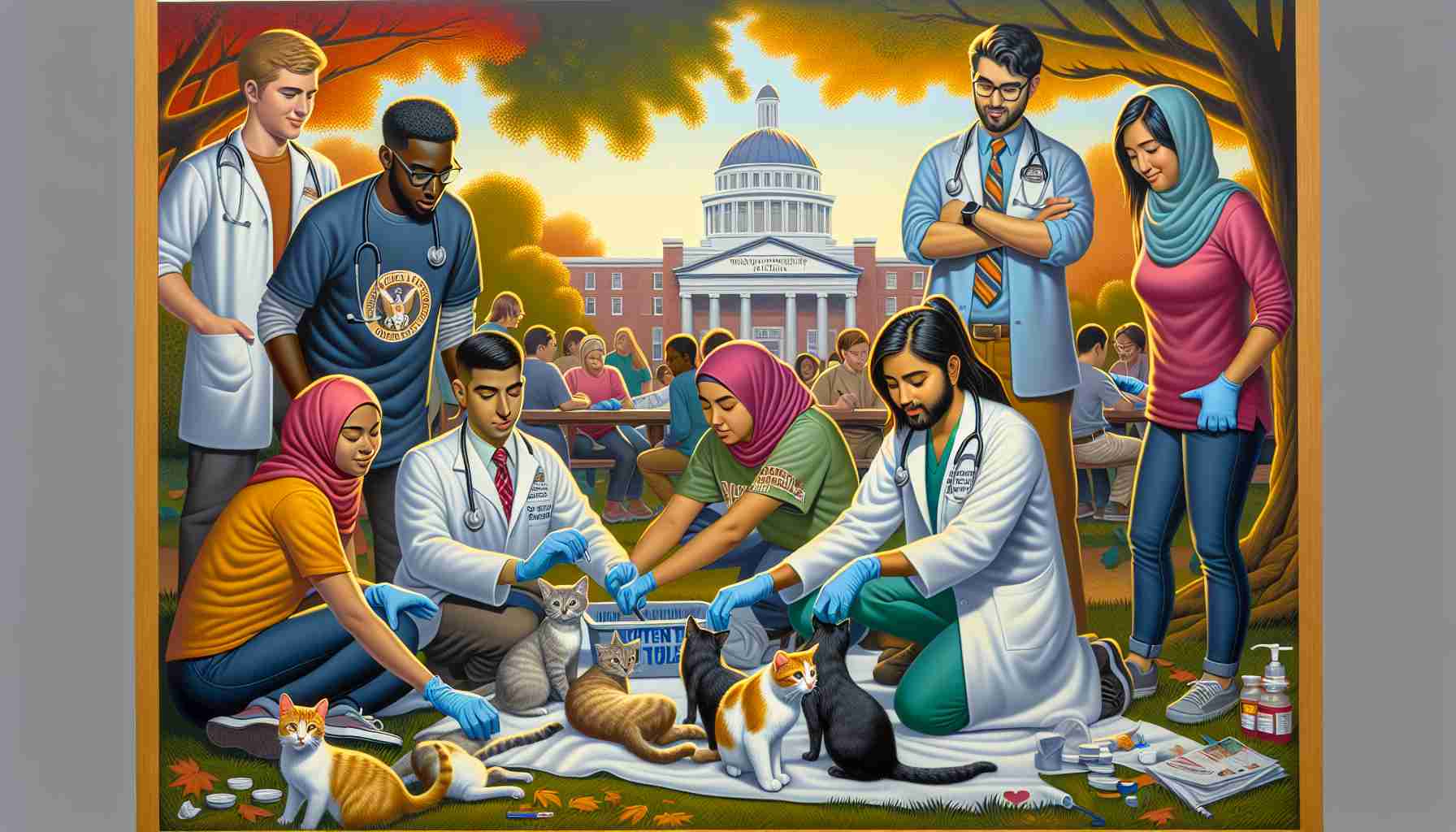
The implications of these community engagement initiatives extend beyond immediate benefits to students and local communities. By addressing issues such as pet overpopulation and food insecurity, veterinary colleges are helping to mitigate broader public health concerns. The interconnectedness of animal health and human health is increasingly recognized, with initiatives like the One Health approach advocating for collaborative solutions to complex health challenges. As veterinary colleges engage with their communities, they contribute to a holistic understanding of health that encompasses both animals and humans.
In addition to providing practical training for students, these initiatives foster a culture of collaboration and mutual benefit. Students gain exposure to real-world challenges, enhancing their clinical skills and preparing them for diverse career paths. Simultaneously, local communities benefit from the expertise and resources that veterinary colleges bring to the table. This symbiotic relationship is crucial for addressing the pressing issues that many communities face, particularly in rural areas where access to veterinary care is often limited.
As veterinary colleges continue to evolve, their commitment to community engagement will play a pivotal role in shaping the future of veterinary education. By integrating service projects into their curricula, colleges not only enhance the educational experience for students but also contribute to the health and welfare of their communities. The proactive steps taken by institutions like Clemson, Virginia Tech, and Purdue set a precedent for how veterinary education can adapt to meet the needs of both animals and the public, ultimately leading to healthier, more resilient communities.
Challenges Facing Veterinary Education and Training
The veterinary education landscape is currently grappling with a multitude of challenges that threaten to impact the profession’s ability to meet the growing demand for veterinary services. The shortage of veterinary professionals is perhaps the most pressing issue, with over 70% of U.S. animal shelters reporting difficulties in providing adequate care due to insufficient staffing. This crisis is further exacerbated by the effects of the COVID-19 pandemic, which has compelled veterinary colleges to rethink traditional teaching methods and embrace innovative training approaches to prepare the next generation of veterinarians.
The recent Mars Veterinary Health Summit highlighted these challenges, bringing together industry leaders to discuss sustainable solutions for the veterinary profession. A key focus of the summit was the urgent need for collaboration among veterinary professionals to address the workforce shortage and improve access to care, particularly in underserved communities. By emphasizing sustainability, the summit underscored the importance of integrating environmentally responsible practices into veterinary education and operations, ensuring that future veterinarians are equipped to handle both animal health and environmental challenges.
One significant initiative discussed at the summit was the development of training programs aimed at enhancing the skills of veterinarians and shelter staff. For instance, Mars Veterinary Health announced a grant to Shelters United to create a free online course on establishing a Veterinarian of Record (VOR) relationship with local shelters. This initiative aims to improve cooperation between veterinarians and animal welfare organizations, ultimately enhancing care for animals in need. Such programs are vital in bridging the gap between theoretical knowledge and practical application, which is crucial for addressing the veterinary workforce crisis.
In addition to these initiatives, the implications of Proposition 129 in Colorado have sparked considerable debate within the veterinary community. This proposition introduces a new veterinary role called Veterinary Professional Associate (VPA), designed to provide intermediate-level veterinary care, particularly in rural areas. While proponents argue that this role will help alleviate the shortage of veterinary professionals, critics raise concerns about the potential risks to animal welfare and professional standards. Many in the veterinary field worry that the training required for VPAs is insufficient for the complexities of veterinary medicine, potentially compromising the quality of care provided to animals.
Opponents of Proposition 129, including organizations like the American Veterinary Medical Association (AVMA), argue that the new role could lead to a two-tiered system of veterinary care, where minimally trained individuals are allowed to perform procedures traditionally reserved for licensed veterinarians. This raises significant ethical concerns about animal safety and the quality of care, as the level of training and accountability for VPAs may not match that of fully qualified veterinarians. The call for rigorous oversight and accountability in the implementation of this new role is a critical aspect of the ongoing discussions surrounding Proposition 129.
Furthermore, the COVID-19 pandemic has necessitated a shift in teaching methodologies within veterinary education. Many institutions have rapidly transitioned to digital formats, which, while offering flexibility, have also revealed gaps in the delivery of practical training. A study conducted at the University of Veterinary Medicine Hannover highlighted the challenges faced by educators in maintaining student engagement and delivering hands-on experiences in an online environment. The findings suggest that while there is potential for blended learning approaches, significant improvements in training and resources are needed to optimize the learning experience for students.
As veterinary colleges navigate these challenges, the need for innovative training approaches becomes increasingly apparent. Institutions must explore ways to modernize curricula and expand access to education, ensuring that future veterinarians are well-prepared to meet the demands of a changing landscape. This includes fostering partnerships with local communities, animal welfare organizations, and industry leaders to create opportunities for students to gain practical experience while addressing pressing issues in animal care.
In conclusion, the veterinary education sector stands at a crossroads, facing a range of challenges that require collaborative and innovative solutions. The discussions at the Mars Veterinary Health Summit and the implications of Proposition 129 highlight the urgent need for a unified approach to addressing the veterinary workforce shortage and ensuring high standards of care. As veterinary colleges continue to adapt to the evolving needs of society, their commitment to sustainability, community engagement, and professional integrity will be essential in shaping the future of veterinary medicine.
Career Opportunities in Veterinary Medicine
The field of veterinary medicine is not confined to traditional clinical roles; it encompasses a myriad of career paths that extend into wildlife conservation, research, and various nonclinical settings. As the profession evolves, veterinary graduates are increasingly finding opportunities that leverage their specialized training and education in innovative ways. This diversification is crucial, especially as the demand for veterinary services continues to grow, driven by factors such as public health concerns and an increasing awareness of animal welfare.
Wildlife conservation is one of the most compelling avenues for veterinarians seeking to make an impact beyond the clinic. Wildlife veterinarians play a vital role in the rescue, rehabilitation, and research of wild animal populations. Their work often involves collaborating with organizations dedicated to conservation efforts, where they utilize their medical expertise to address the health needs of endangered species, manage disease outbreaks, and contribute to the preservation of biodiversity. The International Fund for Animal Welfare (IFAW) highlights several career options in wildlife conservation, including roles such as wildlife biologists and conservation officers, which require a blend of veterinary knowledge and ecological understanding.
Research is another significant area where veterinary skills are highly valued. Veterinarians can contribute to scientific advancements by engaging in research that examines animal health, zoonotic diseases, and the impact of environmental changes on animal populations. This research is crucial for informing public policy and developing strategies to mitigate health risks associated with wildlife and domestic animals. Many veterinary colleges are now emphasizing research training as part of their curricula, preparing students to enter academia or industry roles where they can influence veterinary science and public health.
Moreover, the rise of telehealth has opened new doors for veterinarians, allowing them to provide care remotely and expand access to veterinary services, particularly in underserved areas. This shift has been accelerated by the COVID-19 pandemic, which prompted many veterinary practices to adopt telemedicine as a means of continuing care while adhering to social distancing guidelines. Telehealth roles can range from virtual consultations to teletriage and remote monitoring of animal health, providing veterinarians with the flexibility to engage with clients and patients in innovative ways. This trend is supported by veterinary professionals who recognize the potential of technology to enhance patient care and improve the efficiency of veterinary practices.
In addition to these roles, nontraditional career paths for veterinary technicians are also gaining traction. Veterinary technicians are increasingly moving into positions that utilize their skills in administrative, educational, and support capacities. For instance, they can work in pharmaceutical companies, animal welfare organizations, or even in educational settings as instructors or outreach coordinators. This shift reflects a broader recognition of the diverse skill sets that veterinary technicians possess, allowing them to contribute meaningfully to various facets of the veterinary profession.
As the landscape of veterinary careers continues to evolve, it is essential for veterinary colleges to adapt their training programs to prepare students for these diverse opportunities. This includes fostering partnerships with organizations involved in wildlife conservation, research, and public health initiatives. By incorporating practical experiences and interdisciplinary approaches into their curricula, veterinary colleges can equip students with the knowledge and skills needed to thrive in nontraditional roles.
Veterinary professionals are increasingly vocal about the importance of embracing this evolving landscape. The discussions at recent industry summits, such as the Mars Veterinary Health Summit, emphasize the need for collaboration among veterinary professionals to address the challenges of workforce shortages and the demand for diverse veterinary services. By exploring alternative career paths, veterinarians can not only find personal fulfillment but also contribute significantly to the welfare of animals and the health of communities.
The future of veterinary medicine holds exciting possibilities for those willing to explore beyond the conventional boundaries of clinical practice. As the profession continues to adapt to societal needs, the integration of innovative roles and the expansion of veterinary services will be paramount in ensuring a sustainable and impactful future for animal health and welfare.
Conclusion: The Future of Veterinary Colleges and Their Impact on Society
The future of veterinary colleges and their impact on society cannot be overstated. As we reflect on the critical role these institutions play in community development, education, and public health, it becomes clear that their contributions extend far beyond the classroom. The establishment of Clemson University’s College of Veterinary Medicine (CVM) serves as a prime example of how veterinary colleges are stepping up to address the pressing needs of both animals and the communities they serve. With leaders like Lynn Tumblin at the forefront, the CVM is not only focused on increasing the number of veterinarians but also on enhancing the quality of care available in underserved areas, particularly in rural South Carolina.
The ongoing collaboration between veterinary institutions and local communities is essential for tackling the evolving challenges in veterinary care. Initiatives such as community service projects, partnerships with local animal shelters, and outreach programs are vital in bridging the gap between veterinary education and practical application. These efforts not only provide students with invaluable hands-on experience but also address critical issues such as pet overpopulation and access to veterinary services in rural areas. By fostering a culture of community engagement, veterinary colleges can help ensure that the next generation of veterinarians is well-equipped to meet the diverse needs of their communities.
Moreover, the importance of continued support for veterinary education cannot be overlooked. As the profession faces challenges such as workforce shortages and the need for innovative training approaches, investing in the education of future veterinarians is crucial. This includes integrating sustainable practices, expanding access to veterinary services, and encouraging interdisciplinary collaboration. By providing students with a comprehensive education that encompasses both clinical skills and community engagement, veterinary colleges can better prepare them to address the multifaceted health challenges facing society today.
In conclusion, the role of veterinary colleges in shaping the future of animal health and welfare is paramount. Their commitment to community development, education, and public health, coupled with ongoing collaboration with local communities, will be instrumental in addressing the challenges of tomorrow. As the veterinary profession continues to evolve, embracing innovative practices and expanding educational opportunities will be key to ensuring that both animals and the communities they inhabit thrive. The path forward is one of partnership, support, and a shared commitment to enhancing the well-being of all.
Reference:
- Lynn Tumblin Joins Clemson University as Administrative Coordinator for New Veterinary College
- Clemson University Veterinary Medicine Program Enhances Community Engagement Through Clinical Training
- Virginia Tech Professors Partner with Ethiopian Communities to Combat Food Insecurity
- Purdue Veterinary Medicine Becomes Purdue’s First Engaged College
- Mars Veterinary Health Summit Drives Collaboration for a Sustainable Veterinary Future
- Veterinary Teaching During COVID-19: Insights from University Staff
- Mars Veterinary Health Hosts 2024 Pet Healthcare Industry Summit to Foster Sustainability
- Exploring Career Opportunities in Veterinary Medicine
- 15 Careers Dedicated to Wildlife Conservation
- Exploring Nontraditional Career Paths for Veterinary Technicians
- Colorado Approves New Veterinary Role to Combat Care Shortages
- Federal Bill Aims to Enhance Veterinary Services in Rural Alaska to Combat Rabies and Other Health Risks
- Proposition 129: A Threat to Veterinary Standards in Colorado