
Introduction: The Evolution of Campus Housing at Dartmouth College
Dartmouth College is embarking on a transformative journey in campus housing, evidenced by the recent renovations of Zimmerman Hall and Brace Commons. These updates are not merely cosmetic; they represent a significant shift within a larger $500 million housing renewal initiative aimed at revitalizing 60% of on-campus student residences over the next decade. The renovations, which took two years to complete, introduce modern amenities that enhance the living experience for students, such as air conditioning, private bathrooms, and improved study spaces.
Zimmerman Hall, originally constructed nearly 40 years ago, now features a mix of single and double rooms furnished with locally sourced wooden furniture, gender-neutral bathrooms, and communal areas designed for both relaxation and study. This thoughtful redesign reflects an understanding of contemporary student needs, prioritizing both comfort and functionality. As Jessica Jiang, an undergraduate adviser from East Wheelock House, noted, these spaces facilitate socializing and studying without necessitating long walks across campus, thus fostering a more cohesive community experience.
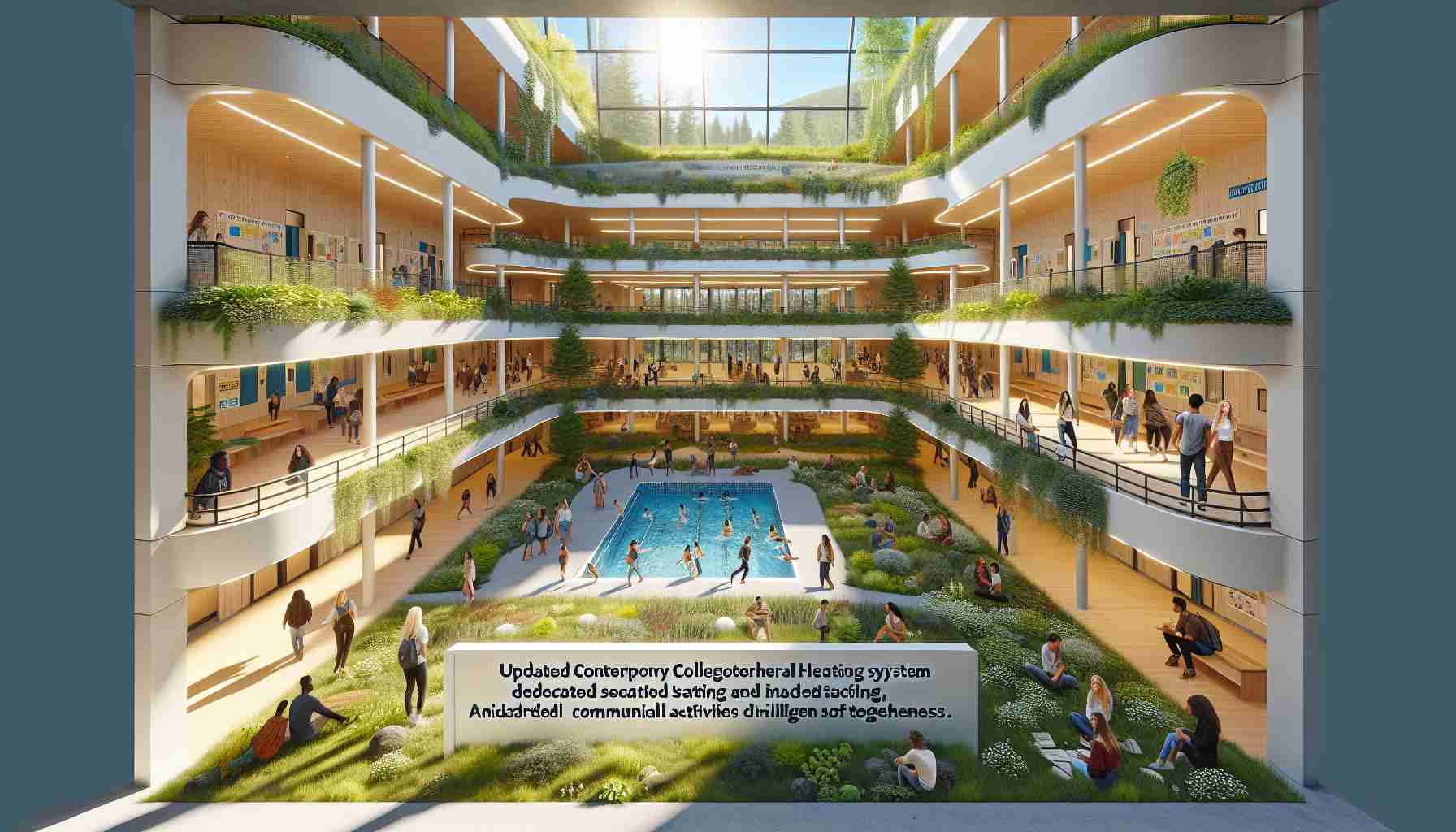
Brace Commons, the social heart of the East Wheelock community, has also undergone a major transformation. Its redesign emphasizes natural light and flexible gathering spaces, including a community kitchen and an accessible courtyard, with plans for a rooftop plaza to host outdoor events. The revitalization of Brace Commons has already begun to reinvigorate social interactions among students, allowing them to host events and engage in communal activities. Jiang’s enthusiasm for these developments underscores the positive impact such spaces can have on student life, promoting a culture of collaboration and community engagement.
These renovations at Dartmouth are not only about improving student living conditions but also align with a broader commitment to sustainability. The updated buildings are designed to transition from oil-fueled heating systems to geo-exchange systems, significantly enhancing energy efficiency. Dartmouth’s housing renewal projects are targeting LEED Gold certification, a standard that ensures high levels of sustainability, health, and safety in building design. This commitment to eco-friendly practices resonates with the goals of the Dartmouth Climate Collaborative, which aims to eliminate carbon emissions by 2050.
The integration of sustainable building practices reflects a growing trend in higher education, where universities are increasingly prioritizing environmental responsibility in their infrastructure projects. As Dartmouth College takes these steps, it not only enhances the quality of student life but also addresses the regional housing crisis, contributing to a more sustainable future for the campus and surrounding community.
In this evolving landscape of campus housing, the focus on communal spaces is particularly noteworthy. The renovations at Zimmerman Hall and Brace Commons illustrate a shift towards designs that foster interaction and collaboration among students. As universities adapt to changing student preferences, the role of these communal areas becomes increasingly significant, shaping the social dynamics of campus life. The thoughtful integration of living and learning environments is poised to redefine the student experience, making it more inclusive and engaging.
As Dartmouth moves forward with its ambitious housing renewal initiative, the impact of these renovations will extend beyond the immediate benefits of modern amenities and sustainable practices. They represent a vision for the future of campus housing, one that prioritizes student well-being, community engagement, and environmental sustainability. The ongoing dialogue between students, faculty, and administration will be crucial in ensuring that these developments continue to meet the evolving needs of the campus community.
Impact of Renovations on Student Life and Community Dynamics
The recent renovations of Zimmerman Hall and Brace Commons at Dartmouth College have markedly transformed student life, particularly for first-year students who are navigating the complexities of campus life amid ongoing construction. While many students express excitement about the modern amenities and communal spaces, others voice concerns about the disruptions caused by the renovations, creating a mixed bag of experiences that reflect the dual nature of progress.
For many students, the newly renovated spaces have brought a welcome change to their living environments. Caitlin Shi, a resident of Andres Hall, shared her appreciation for the interactive study areas, noting that the soundproofing allows for a conducive study environment that was previously lacking. “I can finally concentrate on my work without the distractions I faced in older dorms,” she remarked. This sentiment is echoed by Jessica Jiang, who highlighted how the updated communal areas in both Zimmerman Hall and Brace Commons facilitate socializing and studying without the need to traverse the expansive campus. “The ability to gather in comfortable, well-designed spaces has really strengthened our community,” she noted.
However, the construction has not come without its challenges. First-year students, in particular, have reported frustrations stemming from noise and disruptions that have impacted their daily routines. Molly Mendoza, a member of the Class of 2028, expressed her annoyance with the ongoing work around West Wheelock, which has made it difficult for her to find quiet spaces to study or relax. “It feels like there’s always something happening outside my window, and it’s hard to focus,” she said. This sentiment is shared by many first-years who are adjusting to college life while also dealing with the inconveniences brought on by construction.
The closure of traditional gathering spots, such as Fayerweather Halls, has further complicated social dynamics for first-year students. With these spaces unavailable, students have found it challenging to establish a sense of community. Allie Hughes, another first-year student, remarked on the difficulty of finding common areas to socialize, noting that the previously popular Russel Sage basement is now locked. “We’re scattered across different residence halls, and it feels like we’re missing out on the vibrant community atmosphere that usually defines first-year experiences,” she explained. The scattering of first-year students, coupled with the presence of upperclassmen in some residence halls, has diluted the sense of belonging typically fostered in first-year dorms.
Despite these challenges, many students remain optimistic about the long-term benefits of the renovations. Andrew Lee acknowledged the frustrations but emphasized the importance of investing in the campus’s future. “Yes, the noise is annoying, but I believe these changes will create a better environment for us in the long run,” he said. The anticipation surrounding the reopening of spaces like Brace Commons, which features a community kitchen and plans for a rooftop plaza, reflects a collective hope among students that these renovations will ultimately enhance their social and academic lives.
Moreover, the integration of communal spaces in the new designs is expected to foster greater interaction among students. The flexible gathering areas in Brace Commons, for instance, are designed to accommodate a variety of events—from study groups to social gatherings—encouraging students to engage with one another in meaningful ways. Professor Christopher MacEvitt noted that the versatility of these spaces allows for a wide range of activities, which can help cultivate a stronger sense of community. “The ability to host events, like yoga classes or cooking sessions, creates opportunities for students to connect and collaborate,” he remarked.
As Dartmouth continues its ambitious housing renewal initiative, the renovations of Zimmerman Hall and Brace Commons serve as a microcosm of the broader trends in campus housing design. They reflect a commitment to enhancing student living environments while addressing the need for sustainable practices. The feedback from students, both positive and negative, highlights the complexities of navigating these changes. As the college community adapts to the new landscape, the ongoing dialogue between students, faculty, and administration will be vital in refining these spaces to better meet the evolving needs of the student body. In the end, the hope is that these renovations will not only improve living conditions but also strengthen the bonds among students, fostering a more vibrant and engaged campus community.
Sustainability and Modernization in Campus Housing
Dartmouth College’s recent renovations of Zimmerman Hall and Brace Commons exemplify a significant commitment to sustainability, aligning with broader trends in higher education that prioritize eco-friendly building practices. As part of a larger $500 million housing renewal initiative, these projects are not just about modernizing facilities; they also reflect a deeper dedication to environmental responsibility and energy efficiency. The renovations aim to achieve LEED Gold certification, a prestigious recognition that underscores the college’s ambition to meet rigorous standards for sustainability, health, and safety.
The transition from oil-fueled heating systems to geo-exchange systems in the renovated buildings marks a pivotal shift towards energy-efficient solutions. By utilizing renewable energy sources, Dartmouth is taking concrete steps to reduce its carbon footprint, aligning with the goals of the Dartmouth Climate Collaborative, which seeks to eliminate carbon emissions by 2050. This commitment to sustainability is not an isolated endeavor; it resonates with a growing trend across U.S. universities that are increasingly recognizing the importance of environmentally responsible building practices.
Similar initiatives can be observed at other institutions. For example, the University of St. Thomas recently achieved LEED Gold certification for its Schoenecker Center, showcasing a commitment to sustainable design and construction practices. This facility incorporates various green features, such as energy optimization strategies and waste reduction during construction, reflecting a broader movement within academia to prioritize sustainability in campus infrastructure. Harvard University (2025 USNews Ranking: 3) , too, has made significant strides, boasting 150 LEED-certified projects and a clear focus on reducing energy consumption and promoting renewable energy sources.
The significance of Dartmouth’s renovations extends beyond sustainability; they also play a crucial role in addressing the regional housing crisis. The Upper Valley area has been grappling with a low vacancy rate, which has made affordable housing increasingly scarce. By modernizing its facilities and increasing the number of beds available on campus, Dartmouth is not only enhancing the living conditions for its students but also contributing to alleviating some of the pressure on the local housing market. This multifaceted approach demonstrates how universities can serve as catalysts for positive change within their communities.
Moreover, the focus on communal spaces within the renovated buildings aligns with the trend of creating environments that foster social interaction and collaboration among students. The updated Brace Commons, with its flexible gathering areas and community kitchen, is designed to promote engagement and connection among residents. Such spaces are increasingly recognized as vital components of student housing, as they encourage community-building and enhance the overall college experience.
As Dartmouth College moves forward with its housing renewal initiative, the emphasis on sustainability and community engagement will likely shape the future of campus housing. The commitment to achieving LEED Gold certification and transitioning to energy-efficient systems not only reflects a dedication to environmental stewardship but also positions Dartmouth as a leader in sustainable practices within higher education. By integrating these principles into its housing projects, the college is setting a precedent for other institutions to follow, demonstrating that the pursuit of sustainability and the enhancement of student life can go hand in hand.
In conclusion, the renovations at Dartmouth College are a testament to the institution’s commitment to sustainability and student well-being. By prioritizing eco-friendly building practices and creating communal spaces that foster interaction, Dartmouth is not only improving the living conditions for its students but also addressing broader societal challenges related to housing and environmental responsibility. As universities continue to navigate the complexities of modern campus life, initiatives like these will be essential in shaping a more sustainable and inclusive future for higher education.
Future Trends in Campus Housing Design and Student Preferences
As universities evolve to meet the changing demands of student populations, emerging trends in campus housing design are increasingly focusing on the integration of academic spaces and communal living areas. The recent renovations at Dartmouth College, particularly in Zimmerman Hall and Brace Commons, underscore this shift. These projects not only enhance the living experience but also create environments that promote academic collaboration and social interaction, reflecting a broader trend across higher education institutions.
One of the most notable trends is the growing preference among students for personalized and designer living environments. This shift is evident in the increasing investment by parents and students in customized dorm spaces, as highlighted by recent reports of students spending thousands of dollars on designer dorm rooms. This trend, particularly prevalent in Southern universities, signifies a departure from traditional dormitory aesthetics towards more comfortable, stylish, and functional living spaces. As students seek environments that reflect their tastes and lifestyles, universities must adapt to these expectations to remain competitive.
Industry experts emphasize the importance of creating “live-learn” environments, which seamlessly blend academic and residential spaces. Bill Bayless, CEO of American Campus Communities, notes that incorporating study rooms and group meeting spaces into housing designs is essential for fostering academic success. This integration not only supports students academically but also encourages them to engage with one another, enhancing their overall college experience. The design of spaces that can serve multiple functions throughout the day—such as study areas that transform into social hubs—addresses the diverse needs of students and promotes a sense of community.
Moreover, the role of communal spaces in fostering student engagement and well-being cannot be overstated. The renovations at Brace Commons, with its community kitchen and flexible gathering areas, exemplify how thoughtful design can facilitate social interactions and collaborative activities. These spaces are increasingly recognized as vital components of student housing, as they encourage students to connect, share ideas, and build relationships. As Professor Christopher MacEvitt pointed out, the versatility of these communal areas allows for a wide range of activities, from yoga classes to cooking sessions, which can help cultivate a stronger sense of belonging among students.
The implications for universities in meeting these evolving demands are significant. As the student population becomes more diverse and their preferences shift towards modern, engaging living environments, institutions must invest in innovative housing solutions that reflect these trends. This includes not only the physical design of buildings but also the creation of programs and initiatives that promote community engagement and academic success.
Looking ahead, the future of campus housing design will likely continue to be shaped by these emerging trends. With increasing competition among universities to attract students, those that prioritize the integration of academic spaces and communal living areas will have a distinct advantage. As students increasingly view their living environments as extensions of their lifestyle choices, universities must recognize the importance of creating spaces that not only meet their functional needs but also enhance their overall well-being and academic success.
In summary, the ongoing evolution of campus housing design reflects a broader commitment to fostering student engagement and well-being. As seen in the renovations at Dartmouth College, the integration of academic and communal spaces is becoming a defining feature of modern student housing. By continuing to adapt to student preferences and investing in innovative designs, universities can create vibrant, supportive environments that enhance the college experience and prepare students for future success.
Conclusion: A Vision for the Future of Student Housing at Dartmouth and Beyond
The recent renovations at Dartmouth College, particularly in Zimmerman Hall and Brace Commons, signify a pivotal moment in the evolution of campus housing, not just for Dartmouth but potentially for universities nationwide. These changes are part of a broader $500 million housing renewal initiative aimed at revitalizing student living environments and enhancing the overall academic and social experiences for students. The importance of ongoing investment in student housing cannot be overstated; it is crucial for fostering a sense of community, improving student well-being, and addressing broader societal issues such as housing shortages and sustainability.
As Dartmouth College moves forward with its ambitious housing initiatives, the long-term impacts of these renovations will likely resonate well beyond the immediate benefits of modern amenities and communal spaces. By prioritizing student needs, the college is setting a precedent for how universities can effectively respond to the evolving demands of their student populations. The focus on creating environments that promote social interaction and academic collaboration reflects a growing recognition of the integral role that housing plays in shaping the student experience.
Moreover, the implications of Dartmouth’s housing initiatives extend to other universities grappling with similar challenges. As institutions face increasing pressure to provide high-quality, affordable housing, the lessons learned from Dartmouth’s approach—particularly its emphasis on sustainability and community engagement—can serve as a valuable guide. The commitment to achieving LEED Gold certification and transitioning to energy-efficient systems not only highlights Dartmouth’s leadership in sustainable practices but also underscores the importance of aligning housing developments with broader environmental goals.
Continuous dialogue between students, faculty, and administration will be essential in ensuring that housing developments meet the community’s needs and sustainability objectives. By actively involving stakeholders in the planning and design processes, universities can create living environments that truly reflect the aspirations and preferences of their residents. This collaborative approach can help foster a sense of ownership among students, encouraging them to engage more deeply with their campus communities.
In conclusion, the ongoing investment in student housing at Dartmouth College represents a significant step towards enhancing the academic and social experiences of its students. As the college navigates the complexities of modern campus life, the focus on sustainability, community engagement, and student well-being will be crucial in shaping a more inclusive and vibrant campus environment. The potential long-term impacts of these initiatives are profound, not only for Dartmouth but also for other institutions aiming to create supportive and innovative living spaces that meet the needs of today’s students. As universities continue to evolve, the lessons learned from Dartmouth’s housing renewal efforts will undoubtedly play a pivotal role in informing future developments in campus housing across the nation.