
Dartmouth Launches Online Master’s Degree in Implementation Science
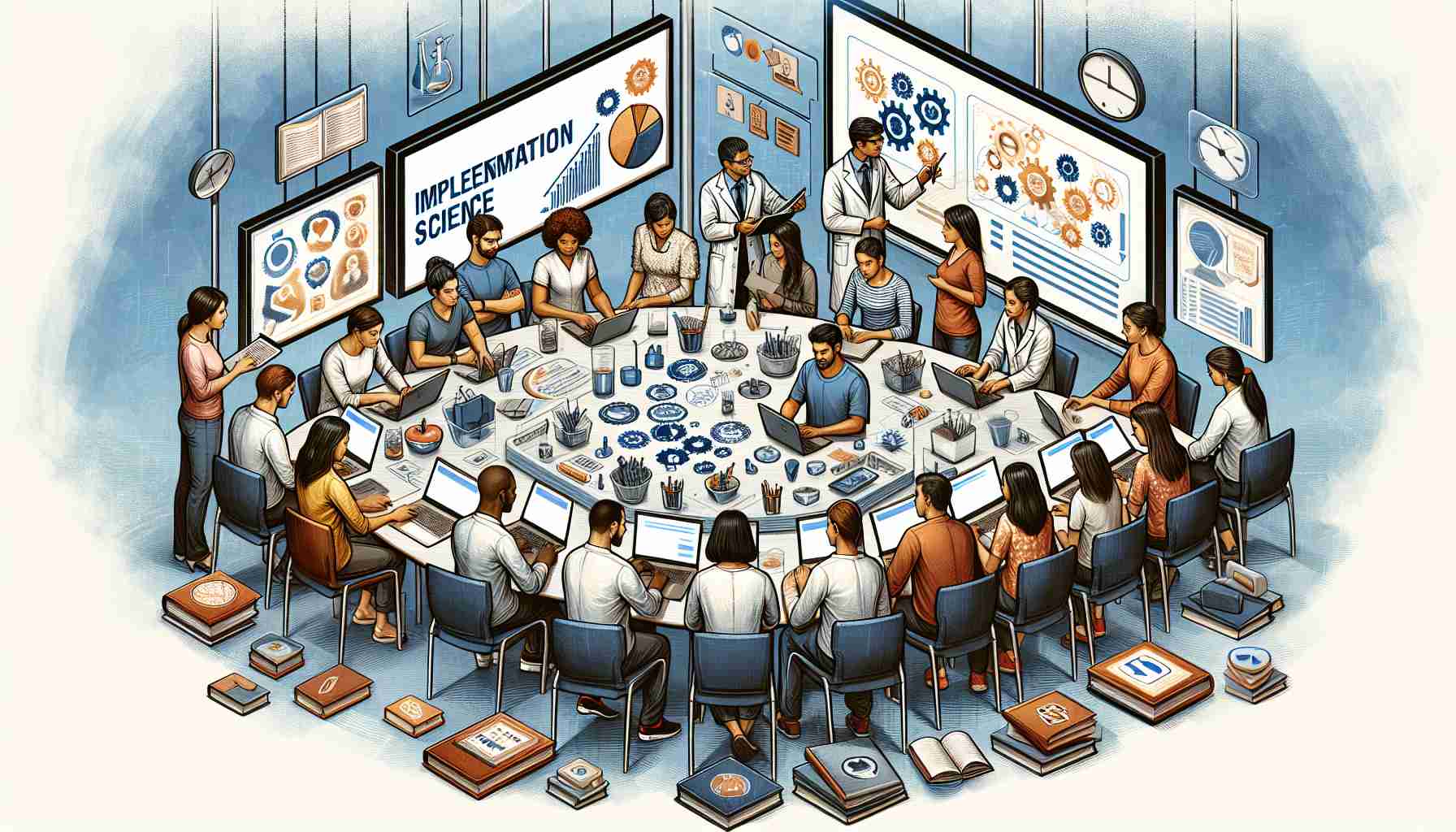
On August 28, 2024, the Geisel School of Medicine at Dartmouth College (2024 USNews Ranking: 18) announced the launch of a new online Master’s degree program in Implementation Science, set to begin in September 2025. This innovative program aims to address the pressing need for effective translation of validated scientific evidence into routine healthcare practices. The program will equip students with the skills to identify and overcome barriers encountered during the implementation of changes and behavior adjustments in healthcare settings. Implementation Science is an emerging field dedicated to bridging the gap between evidence-based clinical practices and their application in real-world scenarios.
Jeremiah Brown, a professor of epidemiology and founding director of the Dartmouth Center for Implementation Science (DCIS), emphasized that Implementation Scientists play a crucial role in identifying effective programs and policies and collaborating with stakeholders to facilitate their practical application. The Dean of the Geisel School of Medicine, Duane Compton, noted that the introduction of this program is a response to the growing demand for professionals skilled in Implementation Science, further solidifying Dartmouth’s leadership in this field.
The Significance of Implementation Science
Implementation Science is vital in the healthcare landscape, particularly as the industry grapples with the challenge of integrating new research findings into everyday practice. The need for such a program is underscored by the increasing complexity of healthcare systems and the necessity for evidence-based practices to improve patient outcomes. The online Master’s program at Dartmouth will be the first independent Master’s degree in Implementation Science in the United States and the first fully online graduate program offered by the Geisel School of Medicine. Students will have the flexibility to complete the program in either nine or eighteen months, making it accessible to early to mid-career professionals seeking to enhance their expertise in this critical area.
The curriculum will cover a range of topics, including theories, models, frameworks, implementation strategies, research design, and community-engaged research. Additionally, students will explore cutting-edge themes such as de-implementation, global implementation science, and digital health implementation. Each student will also be required to complete a capstone project, known as the IMPACT project, which will allow them to apply their knowledge in a practical setting.
Addressing Challenges in Implementation Science
The launch of this program comes at a time when the field of Implementation Science is gaining recognition for its potential to transform healthcare delivery. However, challenges remain. A recent editorial published in Frontiers in Health Services highlighted the limitations of a one-size-fits-all approach in implementing research-supported interventions (RSIs) in routine healthcare settings. The authors, including Bianca Albers from the University of Zurich, emphasized the importance of tailoring implementation strategies to fit the specific context and needs of healthcare environments.
The editorial pointed out that while the concept of tailoring seems logical, evidence regarding its effectiveness is mixed, and understanding the mechanisms, target populations, and optimal application methods remains a challenge. Successful implementation requires selecting and designing strategies based on appropriate theories to achieve desired behavioral changes in individuals or organizations. The authors called for a value-driven approach to implementation, guided by the values and principles of practitioners and communities.
The Role of Online Education in Advancing Implementation Science
The Geisel School of Medicine’s initiative to offer an online Master’s degree in Implementation Science is a significant step towards addressing the educational needs of professionals in this field. Online education has become increasingly important in higher education, particularly in response to the COVID-19 pandemic, which accelerated the adoption of digital learning platforms. The flexibility of online programs allows students from diverse backgrounds and locations to access high-quality education without the constraints of traditional classroom settings.
Moreover, the online format can facilitate collaboration among students and faculty from various disciplines, fostering a multidisciplinary approach to solving complex healthcare challenges. As the demand for skilled professionals in Implementation Science continues to grow, online education will play a crucial role in preparing the next generation of leaders in this field.
Global Perspectives on Implementation Science: Trends and Innovations
The global landscape of Implementation Science is evolving, with trends and innovations emerging that reflect the changing needs of healthcare systems worldwide. A report by McKinsey & Company highlighted the ongoing investment in frontier technologies, including generative artificial intelligence and robotics, which are reshaping the healthcare sector. These technologies have the potential to enhance the implementation of evidence-based practices by streamlining processes and improving efficiency.
As healthcare organizations increasingly adopt digital tools and technologies, the need for professionals who can effectively implement these innovations becomes paramount. The online Master’s program at Dartmouth will prepare students to navigate these trends and leverage technology to improve healthcare delivery.
The Importance of Evidence-Based Practices in Public Health
The significance of evidence-based practices extends beyond clinical settings to public health initiatives. September marks National Recovery Month, a time to celebrate the progress made by individuals recovering from substance use and mental health disorders. This initiative, led by the Substance Abuse and Mental Health Services Administration (SAMHSA), emphasizes the importance of evidence-based treatment and recovery practices.
National Recovery Month serves as a reminder of the resilience of the recovery community and the dedication of service providers who support individuals on their recovery journeys. The core objective of this month is to promote evidence-based treatment practices, which have been shown to be effective in helping individuals achieve and maintain recovery. From medication-assisted treatment (MAT) to cognitive-behavioral therapy (CBT), these evidence-based approaches provide individuals with the necessary tools and support for recovery.
Career Opportunities in Implementation Science: Skills and Qualifications Needed
As the field of Implementation Science continues to grow, so do the career opportunities available to graduates of programs like the one offered by Dartmouth. Professionals in this field are equipped with a unique skill set that combines knowledge of healthcare systems, research methodologies, and stakeholder engagement. The demand for skilled Implementation Scientists is expected to rise as healthcare organizations seek to improve the translation of research into practice.
To succeed in this field, individuals must possess strong analytical skills, the ability to communicate effectively with diverse stakeholders, and a deep understanding of the complexities of healthcare delivery. The online Master’s program will provide students with the necessary training and experience to excel in various roles, including healthcare administrators, policy analysts, and research coordinators.
Conclusion
The launch of the online Master’s degree in Implementation Science at Dartmouth College represents a significant advancement in the field of healthcare education. By addressing the critical need for skilled professionals who can effectively translate research into practice, this program will contribute to improving healthcare delivery and patient outcomes. As the landscape of Implementation Science continues to evolve, the integration of online education, evidence-based practices, and innovative technologies will play a crucial role in shaping the future of healthcare.
The commitment of institutions like Dartmouth to provide high-quality education in Implementation Science not only enhances the professional development of individuals but also strengthens the healthcare system as a whole. As we look to the future, it is essential to continue fostering collaboration, innovation, and a focus on evidence-based practices to ensure that healthcare remains responsive to the needs of diverse populations.
References
- Dartmouth Launches Online Master’s Degree in Implementation Science: “Dartmouth Launches Online Master’s Degree in Implementation Science” https://geiselmed.dartmouth.edu/news/2024/dartmouths-geisel-school-of-medicine-to-launch-new-online-masters-degree-program-in-implementation-science/
- Tailoring in Implementation Science: “Tailoring in Implementation Science” https://www.frontiersin.org/journals/health-services/articles/10.3389/frhs.2023.1233597/full
- McKinsey Technology Trends Outlook 2024: “McKinsey Technology Trends Outlook 2024” https://www.mckinsey.com/capabilities/mckinsey-digital/our-insights/the-top-trends-in-tech
- National Recovery Month: Celebrating Progress and Reducing Stigma: “National Recovery Month: Celebrating Progress and Reducing Stigma” https://www.kirksvilledailyexpress.com/stories/public-health-corner-national-recovery-month,19776