
Emerging Leaders Program at Case Western Reserve University: A Pathway to Student Leadership Development
On August 7, 2024, Case Western Reserve University (2024 USNews Ranking: 53) (CWRU) announced an exciting initiative from its Office of Student Activities and Leadership. The Emerging Leaders Program (ELP) is designed to assist incoming students in their transition to college life while simultaneously fostering their leadership skills. This program seeks faculty and staff to serve as coaches, providing them with the opportunity to engage with new students through structured discussions and key events throughout the fall semester. The program not only aims to ease the transition for first-year students but also to cultivate their leadership potential, making it a vital component of the university’s commitment to student development.
The ELP is particularly significant in the context of higher education in the United States, where the transition to college can be daunting for many students, especially those who are first-generation college attendees. The program’s structure includes three semi-structured discussions between coaches and their ELP students, as well as invitations to key events such as the ELP Kickoff on September 6, the ELP Capstone Showcase on November 22, and the ELP Graduation Ceremony on December 6. These activities are designed to create a supportive environment where new students can thrive academically and socially.
The Role of Faculty in Student Leadership Development
The involvement of faculty and staff in programs like the ELP is crucial for the development of student leadership. Faculty members serve as mentors, guiding students through the complexities of college life and helping them navigate challenges. Their participation in the ELP not only enhances the students’ experience but also fosters a sense of community within the university.
For instance, at Pepperdine University, the “First Wave” initiative was launched to provide first-generation college students with leadership opportunities and support. This program, which began in 2016, aims to increase the visibility of first-generation students and provide them with the necessary resources to succeed. With approximately 17% of undergraduate students at Pepperdine identifying as first-generation, the program has established a committee of first-generation faculty to identify the support and services these students need. This model highlights the importance of faculty involvement in creating a nurturing environment for students who may feel isolated or overwhelmed.
Similarly, the ELP at CWRU encourages faculty to actively participate in mentoring roles, which can significantly impact students’ confidence and leadership development. By engaging in meaningful discussions and activities, faculty members can help students build essential skills that will serve them well beyond their college years.
Impact of Mentorship on New Students’ Transition to College
Mentorship plays a pivotal role in helping new students transition to college life. The experience of Kianna Sabrina Verdugo, a second-year biomedical engineering major at CWRU, exemplifies this impact. As a first-generation college student from El Paso, Texas, Verdugo faced numerous challenges, including feelings of inadequacy and the “imposter syndrome.” However, through resources such as the career center, multicultural affairs office, and the Emerging Leaders Program, she gradually built her confidence.
Verdugo’s story is a testament to the power of mentorship and community support. By actively participating in various student organizations and serving as a resident assistant, she not only found her footing but also became a source of inspiration for other first-generation students. Her involvement in organizations like First CWRU, oSTEM, La Alianza, and the Women’s Alliance demonstrates how mentorship can empower students to take on leadership roles and support their peers.
The importance of mentorship is further illustrated by the success story of Alexis Jackman, a recent graduate of Eckerd College. Through the college’s career mentorship program, Jackman was able to connect with alumni who guided her in achieving her dream of working for the Federal Bureau of Investigation (FBI). This relationship not only provided her with professional guidance but also helped her navigate the complexities of entering a competitive field. Jackman’s experience underscores the significance of mentorship in facilitating a smooth transition for new students, particularly those from underrepresented backgrounds.
Key Activities and Events in the Emerging Leaders Program
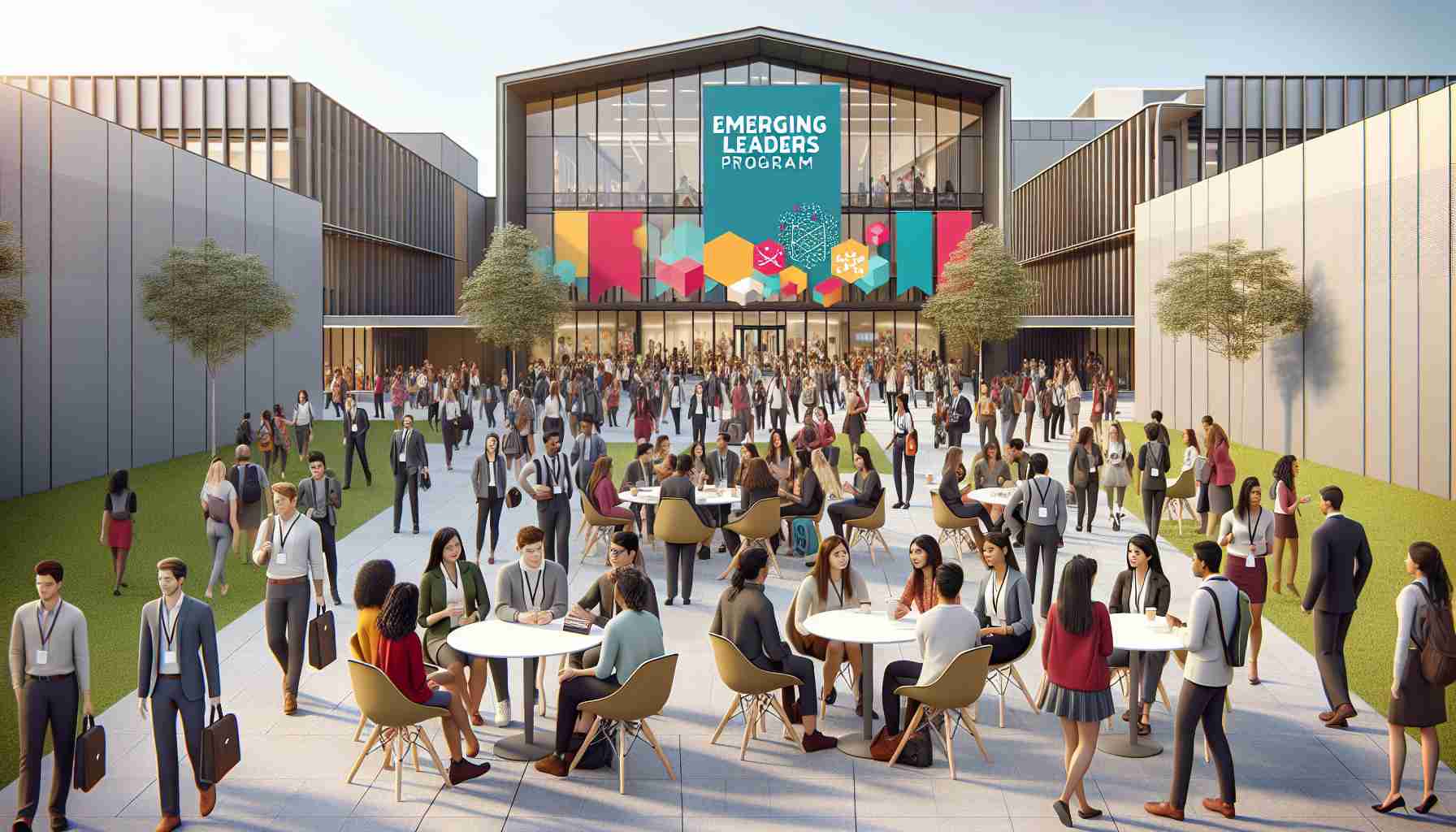
The ELP at CWRU is structured around several key activities and events that are designed to enhance the leadership development of participating students. The program’s framework includes semi-structured discussions, networking opportunities, and culminating events that allow students to showcase their growth and achievements.
One of the highlights of the ELP is the Kickoff event, which serves as an introduction to the program and an opportunity for students to connect with their coaches and peers. This event sets the tone for the semester, fostering a sense of belonging and community among participants. The Capstone Showcase, held later in the semester, allows students to present their projects and reflect on their leadership journey, providing a platform for them to demonstrate their skills and insights gained throughout the program.
The Graduation Ceremony is another significant event, celebrating the accomplishments of the students and recognizing the contributions of the faculty and staff who supported them. This ceremony not only marks the completion of the program but also reinforces the importance of leadership development as a continuous process.
In a broader context, the ELP aligns with national trends in leadership development within higher education. As highlighted in a recent article by Kevin Kruse in Forbes, the focus on leadership development is shifting from one-time events to ongoing processes that emphasize skill-building and experiential learning. This perspective is echoed in the practices of organizations like Olympus Corporation of the Americas, which has implemented its own Emerging Leaders Program to cultivate future leaders through structured development pathways.
The Importance of Community Support
The success of programs like the ELP is heavily reliant on the support of the university community. Faculty, staff, and fellow students all play a role in creating an environment where new students feel valued and empowered. This sense of community is particularly crucial for first-generation college students, who may lack the familial support systems that many of their peers take for granted.
At CWRU, the ELP serves as a bridge for new students, connecting them with resources and individuals who can help them navigate the challenges of college life. By fostering relationships between students and faculty, the program not only enhances academic success but also promotes personal growth and leadership development.
Moreover, the emphasis on community support is reflected in the experiences of students like Verdugo, who actively seek to give back to their peers. By participating in student organizations and mentoring others, they contribute to a culture of support and collaboration that benefits the entire campus community.
Conclusion
The Emerging Leaders Program at Case Western Reserve University represents a significant step toward enhancing student leadership development and supporting new students in their transition to college life. By engaging faculty and staff as coaches, the program creates a nurturing environment where students can thrive academically and personally. The experiences of students like Kianna Sabrina Verdugo and Alexis Jackman highlight the transformative power of mentorship and community support in fostering leadership skills and building confidence.
As higher education continues to evolve, programs like the ELP will play a crucial role in preparing the next generation of leaders. By emphasizing the importance of ongoing development and community engagement, CWRU is setting a standard for other institutions to follow. The commitment to student success, particularly for first-generation college students, is a testament to the university’s dedication to creating a supportive and inclusive environment.
In summary, the Emerging Leaders Program not only addresses the immediate needs of new students but also lays the groundwork for their future success as leaders in their respective fields. Through mentorship, community support, and structured activities, CWRU is fostering a culture of leadership that will benefit students long after they graduate. As we look to the future, it is clear that initiatives like the ELP are essential in shaping the leaders of tomorrow.
News References:
- Mentoring First-Year Students at Case Western Reserve University
- First-Generation Student Experience at CWRU
- Leadership Program Helps First-Gen College Students Rise
- Eckerd College Career Mentor Program Leads Young Alumna to Dream Job at FBI
- Think ‘Process’ Not ‘Event’ To Develop Your Emerging Leaders