
Introduction: The Importance of Campus Safety Resources
Campus safety has emerged as a critical concern within higher education, particularly in light of recent trends indicating a heightened awareness and engagement among students regarding safety resources. Institutions like Temple University have reported significant increases in the utilization of safety initiatives, reflecting a proactive stance towards campus security. As students navigate their academic journeys, their well-being is profoundly impacted by the safety measures in place, which can directly influence their academic success and overall experience.
The rise in student engagement with safety resources is not merely a response to isolated incidents; it signifies a broader cultural shift within university campuses. Students are increasingly recognizing the importance of taking an active role in their safety, which is evidenced by initiatives such as bicycle registration programs, nighttime shuttle services, and walking escort services. These measures not only aim to reduce crime and enhance security but also foster a sense of community and trust between students and university administration.
The implications of these safety initiatives extend beyond mere statistics. When students feel secure on campus, they are more likely to focus on their studies, participate in extracurricular activities, and engage with their peers. Conversely, a lack of confidence in safety measures can lead to heightened anxiety, decreased participation, and ultimately, lower academic performance. As such, universities that prioritize safety and effectively communicate their resources can create an environment conducive to learning and personal growth.
Moreover, the integration of technology into campus safety initiatives has played a pivotal role in increasing student engagement. Tools like mobile apps for tracking shuttle services or reporting safety concerns make it easier for students to access resources and participate in safety programs. This technological advancement not only streamlines communication but also empowers students to take charge of their safety.
Overall, the commitment to enhancing campus safety through various programs and resources is essential for fostering a secure and supportive environment for students. As we delve deeper into the effectiveness of these initiatives across different universities, it becomes clear that a collaborative approach involving student feedback and administrative support is crucial in shaping a culture of safety and well-being on campus.
Case Study: Temple University’s Safety Initiatives
Temple University has recently implemented a series of safety initiatives that reflect a proactive approach to enhancing campus security and fostering a sense of community among students. One of the most notable programs is the increase in bicycle registrations, which has seen a remarkable 20% rise over the past academic year. Nearly 100 students benefited from the provision of free U-locks, a strategic move to encourage greater participation in the registration process. Chief of Police and Vice President for Public Safety, Jennifer Griffin, underscored the importance of this initiative, emphasizing that registered bicycles are more easily recoverable if lost or stolen. This initiative not only promotes bicycle safety but also encourages students to take ownership of their personal security.
In addition to bicycle registration, Temple University has seen a significant uptick in the usage of its Flight nighttime shuttle program, which offers free transportation across campus during late hours. The number of passengers utilizing this service rose from 28,969 in the 2022-2023 academic year to 33,271 in 2023-2024. This increase is attributed to enhanced communication efforts and social media outreach, which have effectively raised awareness among students about the availability of the service. Mark Gottlieb, senior associate director of operations and logistics, highlighted the accessibility of the Flight program, noting that it services over 50 stops with a consistent arrival schedule every 15 minutes. The introduction of the TransLoc app, which allows students to track shuttles in real time, has further contributed to the rise in ridership. Student testimonials echo this sentiment, with many expressing relief and increased security while utilizing the shuttle service, particularly during late-night hours.
The university’s walking escort service, which provides security officers to accompany individuals within Temple’s patrol boundaries, has also experienced a slight increase in usage, growing from 1,354 escorts in the previous year to 1,402 in the current year. This service, available 24/7 and easily accessible via phone requests, offers an additional layer of security for students navigating the campus, especially during off-peak hours. Student feedback has been overwhelmingly positive, with many expressing appreciation for the peace of mind these escorts provide.
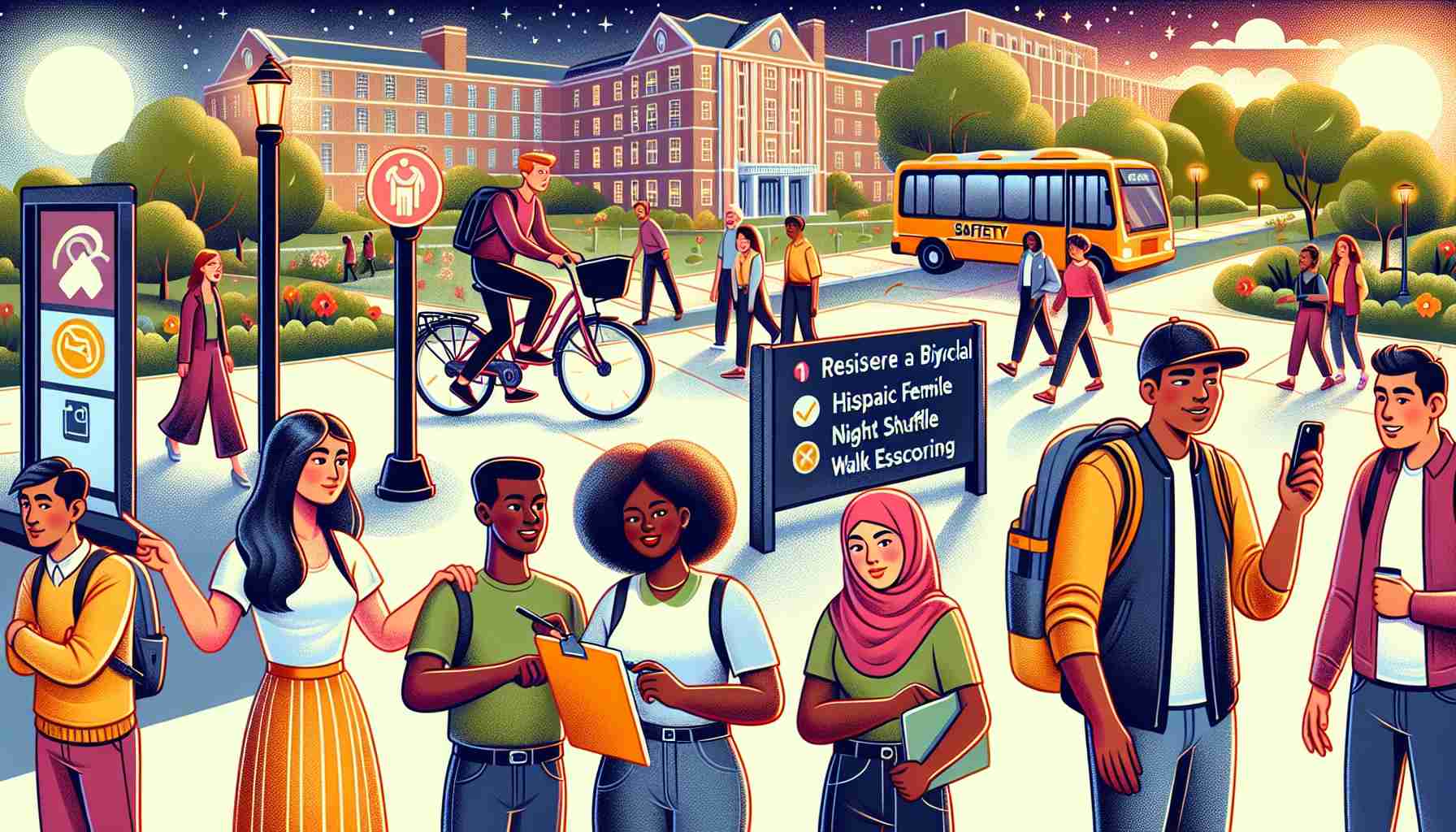
The role of technology in enhancing these safety services cannot be overstated. The TransLoc app, in particular, represents a significant advancement in how students engage with campus safety resources. By providing real-time tracking of shuttles, the app not only increases convenience but also empowers students to make informed decisions about their travel plans. This integration of technology into safety protocols enhances the overall effectiveness of these initiatives, ensuring that students feel secure and supported as they move around campus.
Moreover, the university’s broader safety strategies, including the Security Grant program and the Best Nest program, further underscore Temple’s commitment to fostering a safe environment for both on-campus and off-campus residents. The expansion of safety measures reflects a recognition of the diverse needs of the student body and a dedication to addressing them comprehensively.
In summary, Temple University’s safety initiatives, characterized by increased bicycle registrations, enhanced shuttle services, and accessible walking escorts, demonstrate a commitment to student well-being and security. The integration of technology, particularly through applications like TransLoc, has further strengthened these programs, making them more user-friendly and effective. As student engagement with these resources continues to grow, it is evident that such initiatives play a critical role in fostering a safe and supportive campus environment.
Comparative Analysis of Safety Programs Across Universities
Mount Saint Vincent University (UMSV) and Virginia Commonwealth University (2025 USNews Ranking: 136) (VCU) have both recognized the importance of implementing comprehensive safety initiatives that integrate technology, community engagement, and mental health resources to enhance campus security. Each institution has adopted unique strategies that reflect their commitment to student well-being, yet they also share common goals of fostering a safe and inclusive environment.
At Mount Saint Vincent University, the recent achievement of the Campus Prevention Network (CPN) Seal of Prevention signifies its dedication to student safety and wellness. This recognition is awarded to institutions that meet rigorous standards in their preventive programs, focusing on issues such as sexual violence, substance abuse, and mental health. UMSV’s proactive approach includes mandatory online prevention training for all students, which not only educates them on critical safety topics but also fosters a culture of belonging and support. Jamie Camino, the Director for Prevention Programs and Wellness, emphasizes that such initiatives are essential for promoting overall student success and academic performance.
In contrast, Virginia Commonwealth University has introduced the Safety Ambassador program, which offers a novel approach to campus safety by employing unarmed safety ambassadors who provide assistance and support to the university community. This program has proven effective, with over 5,800 calls for service handled by the ambassadors, ranging from mental health checks to non-emergency transport. The ambassadors are trained in de-escalation and crisis intervention, which allows them to engage with students in a non-threatening manner. Feedback from students has been overwhelmingly positive, with many expressing that the presence of safety ambassadors enhances their feelings of security on campus. A spring 2024 survey revealed that 42% of respondents felt safer due to the ambassadors’ presence, highlighting the program’s impact on community trust and engagement.
Both universities have also prioritized the integration of technology into their safety initiatives. UMSV utilizes digital prevention programs that align with best practices in research, translating them into measurable metrics that enhance student engagement. This approach not only addresses contemporary challenges in higher education but also provides a framework for ongoing evaluation and improvement of safety measures. On the other hand, VCU’s Safety Ambassador program benefits from technology through real-time communication tools that facilitate quick responses to student inquiries and concerns. The ambassadors’ visibility on campus, reinforced by their presence on public transportation routes, further extends the university’s commitment to safety beyond traditional campus boundaries.
The effectiveness of these safety programs is supported by data and student feedback, demonstrating their positive impact on campus life. The CPN Seal of Prevention at UMSV is associated with higher retention and graduation rates, indicating that a focus on student wellness contributes to academic success. Similarly, VCU’s Safety Ambassador initiative not only improves perceptions of safety but also fosters a sense of community, allowing students to feel more connected to their campus environment.
Moreover, both universities are addressing mental health as a critical component of campus safety. UMSV’s prevention training includes topics related to mental health and well-being, while VCU’s Safety Ambassadors are equipped to respond to mental health crises, bridging the gap between students and necessary resources. This holistic approach to safety underscores the recognition that mental health is an integral part of overall student well-being.
In conclusion, both Mount Saint Vincent University and Virginia Commonwealth University exemplify how integrating technology, community engagement, and mental health resources into campus safety initiatives can effectively enhance student well-being. UMSV’s CPN Seal of Prevention and VCU’s Safety Ambassador program showcase innovative approaches that prioritize student safety and foster a supportive campus environment. As universities continue to evolve their safety measures, the emphasis on collaboration, technology, and mental health will remain crucial in creating secure and inclusive spaces for all students.
The Role of Technology in Campus Safety
Technological advancements are rapidly transforming the landscape of campus safety, allowing universities to implement innovative measures that enhance security, improve mental health support, and ensure compliance with regulations such as the Clery Act. Institutions are increasingly leveraging artificial intelligence (AI), virtual reality (VR), and mobile applications to create safer environments for their students.
AI technology is emerging as a powerful tool for enhancing campus safety. Universities are utilizing AI-driven systems to analyze data from various sources, such as campus security cameras and social media platforms, to identify potential threats and prevent incidents before they occur. For instance, AI algorithms can detect unusual patterns in behavior or traffic, alerting campus security to investigate further. This proactive approach not only enhances safety but also allows for a more efficient allocation of resources, ensuring that security personnel can focus on high-risk areas.
Moreover, the integration of mobile applications into campus safety protocols is revolutionizing how students interact with security services. Apps that provide real-time updates on shuttle services, emergency notifications, and anonymous reporting mechanisms empower students to take an active role in their safety. For example, the use of the TransLoc app at Temple University has significantly increased the utilization of shuttle services, as students can track their rides and feel more secure traveling during late hours. Such technology fosters a sense of autonomy and engagement among students, reinforcing their confidence in campus safety measures.
Virtual reality (VR) is also making strides in the realm of mental health support, which is an integral aspect of campus safety. Universities are beginning to explore VR as a tool for providing immersive experiences that help students cope with anxiety, depression, and other mental health challenges. For instance, VR simulations can create safe spaces for students to practice coping mechanisms in a controlled environment, thereby reducing feelings of isolation and fear. This innovative approach not only addresses immediate mental health concerns but also contributes to a culture of wellness on campus.
While the benefits of integrating technology into campus safety are evident, several challenges must be navigated. One significant concern is the balance between technological solutions and human oversight. Although AI and mobile applications can enhance safety, they should not replace the essential human element in security protocols. Human interaction remains crucial in building trust and rapport within the campus community. For example, safety ambassadors, like those at Virginia Commonwealth University, provide a personal touch that technology cannot replicate. These ambassadors engage with students directly, offering support and assistance in a manner that fosters a sense of community and belonging.
Furthermore, the reliance on technology raises questions about privacy and data security. As universities implement advanced surveillance systems and data analytics, they must ensure that student information is protected and that surveillance practices are transparent. Striking the right balance between safety and privacy is paramount to maintaining student trust and encouraging engagement with safety initiatives.
Compliance with the Clery Act further underscores the need for effective technology integration. The Act mandates that universities report crime data and provide timely warnings about potential threats. Advanced communication systems, including mass notification tools and mobile apps, facilitate compliance by ensuring that students receive critical information quickly and efficiently. By harnessing technology, institutions can not only meet regulatory requirements but also create a safer environment for their communities.
In summary, the integration of technology into campus safety measures offers numerous advantages, from enhancing security protocols to improving mental health support. However, universities must approach this integration thoughtfully, maintaining a balance between technological solutions and human oversight while addressing privacy concerns. As institutions continue to evolve their safety strategies, the emphasis on collaboration, innovation, and student engagement will remain crucial in fostering secure and supportive educational environments.
Student Engagement and the Future of Campus Safety
Student engagement is pivotal in shaping the effectiveness of campus safety initiatives, as it fosters a culture of safety and well-being that resonates throughout the university community. Universities must recognize that students are not just passive recipients of safety measures; they are active participants whose feedback and involvement can significantly influence safety policies and programs. A collaborative approach, where student voices are prioritized, can lead to more effective safety strategies that address the unique needs and concerns of the student body.
The recent uptick in the utilization of safety resources at institutions like Temple University serves as a testament to the positive impact of student engagement. Programs such as bicycle registration, nighttime shuttle services, and walking escorts have thrived due to proactive outreach and communication strategies. These initiatives not only enhance security but also empower students to take ownership of their safety. For instance, the Flight shuttle service has seen increased ridership thanks to improved visibility and student-driven advocacy, illustrating how effective communication can bridge the gap between available resources and student awareness.
However, ongoing challenges persist. Despite the positive trends, many students remain unaware of the safety resources available to them. This gap highlights the necessity for universities to continually seek student input on safety initiatives. Regular surveys and feedback mechanisms can provide valuable insights into student perceptions and experiences, allowing universities to refine their programs accordingly. As seen in the case of Westport Public Schools, where student feedback led to a reevaluation of survey questions and new initiatives, engaging students in this manner can yield actionable information that enhances the overall safety climate.
To further enhance student involvement, universities should consider establishing dedicated safety committees that include student representatives. These committees can serve as a platform for students to voice their concerns, propose new initiatives, and collaborate with university administrators on safety policies. Such an inclusive approach not only fosters a sense of community but also cultivates trust between students and the administration, essential for effective safety measures.
Moreover, universities should leverage technology to facilitate student engagement in safety initiatives. Mobile applications that allow for anonymous reporting of safety concerns or provide real-time updates on campus security can empower students to participate actively in their safety. By integrating technology into safety protocols, universities can create a more responsive and engaged campus environment, where students feel equipped to contribute to their own security.
In conclusion, fostering a culture of safety and well-being on campus requires a concerted effort to engage students actively in safety initiatives. By prioritizing student feedback, establishing collaborative committees, and leveraging technology, universities can enhance their safety resources and create an environment where students feel secure and supported. The ongoing dialogue between students and administration is essential in addressing safety concerns and ensuring that campus safety measures evolve in tandem with the needs of the student body. Ultimately, a collaborative approach to campus safety not only enhances security but also enriches the overall university experience for all students.