
I. Introduction to USC Viterbi’s Astronautical Engineering Program
The USC Viterbi School of Engineering has been a trailblazer in astronautical education since its Astronautical Engineering program was established in 2004. Celebrating its 20th anniversary this year, the program has grown not only in enrollment but in its significance within the aerospace industry. It was one of the first dedicated programs in the United States, paving the way for a new generation of aerospace engineers who are driven by the thrill of space exploration and the complexities of engineering challenges that come with it.
The journey began with a vision to cultivate a specialized curriculum that would address the growing demands of the aerospace sector. The establishment of the program was a strategic move, led by then-Dean C.L. Max Nikias and a team of visionary professors, including current ASTE Chair Dan Erwin and Emeritus Professor Joseph Kunc. Their foresight paid off, as the program evolved into a fully-fledged department in 2009, reflecting its importance in the educational landscape and its commitment to innovation.
Astronautical engineering is not just a niche within engineering; it’s a field that embodies the spirit of adventure and discovery. As humanity continues to push the boundaries of what is possible in space, the role of astronautical engineers becomes increasingly critical. They are tasked with designing spacecraft, developing propulsion systems, and ensuring the safety and efficiency of missions that venture beyond our planet. This is where the USC Viterbi program shines, providing students with the knowledge and skills necessary to tackle the challenges of space exploration.
The significance of the Astronautical Engineering program extends beyond the classroom. It has become a cornerstone of the Southern California aerospace industry, with over 1,000 master’s degrees awarded since its inception. Graduates of the program are highly sought after by industry leaders, including SpaceX, Boeing, and Northrop Grumman, as well as NASA’s Jet Propulsion Laboratory. These connections between academia and industry are vital in fostering a workforce that is not only technically proficient but also innovative and adaptable.
One of the standout features of the program is its commitment to hands-on learning and research. The USC Rocket Propulsion Lab (USCRPL) is a prime example of this ethos in action. This student-led initiative has achieved remarkable milestones, including becoming the first student group to launch a rocket past the Kármán line in 2019. Such achievements not only enhance the educational experience for students but also contribute to the broader aerospace community, showcasing the potential of young engineers to make significant strides in technology and innovation.
Moreover, the USC Space Engineering Research Center (SERC) plays a pivotal role in advancing research in space systems. Under the leadership of Professor David Barnhart, SERC has successfully launched satellites into orbit and tested experimental prototypes aboard the International Space Station. This hands-on research experience is invaluable for students, providing them with insights into the practical applications of their studies and the complexities of working in space.
The 20th anniversary celebration of the program served as a reminder of its historical significance and the impact it has had on both education and the aerospace industry. As Dean Yannis Yortsos reflected on the past, he drew parallels to iconic moments in space exploration, such as the Apollo 11 moon landing, which continues to inspire engineers and scientists alike. The USC Viterbi Astronautical Engineering program stands as a beacon of innovation and excellence, shaping the future of aerospace engineering and ensuring that the next generation of engineers is equipped to meet the challenges of an ever-evolving field.
As we look to the future, the contributions of the USC Viterbi School of Engineering’s Astronautical Engineering program will undoubtedly continue to resonate within the aerospace industry, inspiring new discoveries and innovations that push the boundaries of what we know about space. The foundation laid over the past two decades is just the beginning, and the excitement surrounding the program’s future is palpable. With each new class of students, the legacy of astronautical engineering education at USC grows stronger, igniting passion and curiosity in those who aspire to explore the final frontier.
II. Contributions of USC Viterbi to the Aerospace Industry
The USC Viterbi Astronautical Engineering program has not only established itself as a leader in education but has also made substantial contributions to the aerospace industry. The program’s alumni have become trailblazers, founding successful startups that are reshaping the landscape of space exploration. Notable names like Tim Ellis and Jordan Noone, co-founders of Relativity Space, exemplify the entrepreneurial spirit fostered by USC. In March 2023, their innovative company made headlines when Terran 1 became the first 3D-printed rocket to reach space, marking a significant milestone in the integration of advanced manufacturing technologies in aerospace.
The impact of the USC Viterbi program extends far beyond individual accomplishments. With over 1,000 master’s degrees awarded, it has become a crucial pipeline for talent in the aerospace sector. Companies like SpaceX, Boeing, and Northrop Grumman actively seek out graduates from USC, recognizing the rigorous training and hands-on experience that the program provides. This demand for skilled engineers highlights the program’s role in addressing workforce needs in an industry that is rapidly evolving and expanding.
Moreover, the partnerships that USC Viterbi has cultivated with industry leaders are instrumental in enhancing the educational experience. Collaborations with organizations such as NASA and the establishment of initiatives like the USC Rocket Propulsion Lab (USCRPL) empower students to engage in real-world projects. The USCRPL, for instance, has achieved remarkable feats, including launching a rocket past the Kármán line, a boundary that signifies the edge of space. This achievement not only showcases the students’ capabilities but also demonstrates the potential of academic institutions to contribute meaningfully to the aerospace community.
The local aerospace ecosystem has also benefited significantly from USC’s initiatives. The university’s commitment to innovation has fostered a vibrant environment where startups can thrive. Alumni-led companies like Ursa Major and Kayhan Space are not just creating jobs; they are pushing the boundaries of what is possible in space technology. These startups are developing cutting-edge propulsion systems and satellite technologies, further solidifying Southern California’s reputation as a hub for aerospace innovation.
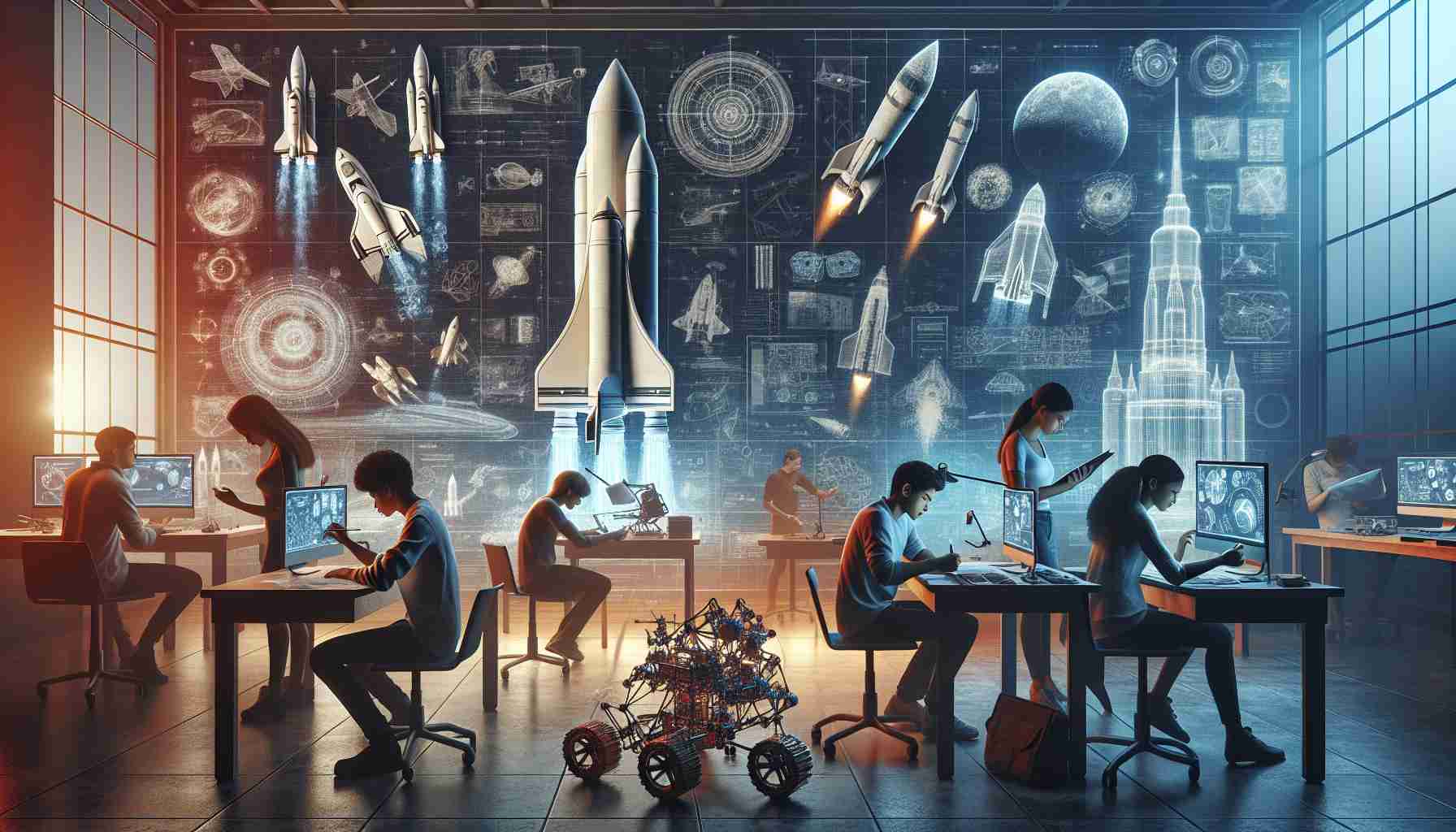
Statistics indicate that the USC Viterbi program has been instrumental in shaping the local industry, with its graduates leading the charge in various sectors of aerospace engineering. The program’s curriculum, designed to meet the demands of the industry, equips students with the skills necessary to tackle complex engineering challenges. From propulsion design to spacecraft systems, the breadth of knowledge imparted to students ensures that they are well-prepared for the multifaceted nature of aerospace work.
In addition to fostering entrepreneurship and producing highly skilled graduates, the USC Viterbi program’s commitment to research and development is noteworthy. The USC Space Engineering Research Center (SERC) has been at the forefront of innovative projects, including the launch of satellites and the testing of experimental prototypes aboard the International Space Station. Under the guidance of Professor David Barnhart, SERC not only contributes to academic knowledge but also plays a critical role in advancing technology that can be utilized in future missions.
The collaborative spirit of the USC Viterbi Astronautical Engineering program is further exemplified by its initiatives that bridge the gap between academia and industry. The partnerships formed with local aerospace companies and government organizations create a synergistic relationship that benefits both students and the broader aerospace community. By engaging in cross-disciplinary research and projects, the program ensures that its graduates are not only equipped with theoretical knowledge but also practical experience that is highly valued in the workforce.
As the USC Viterbi program celebrates its 20th anniversary, its contributions to the aerospace industry are clear. The combination of innovative education, entrepreneurial spirit, and collaborative partnerships has positioned the program as a leader in astronautical engineering. The program’s alumni are not just participants in the industry; they are shaping its future, driving advancements that will undoubtedly influence space exploration for years to come.
Looking ahead, the excitement surrounding the USC Viterbi Astronautical Engineering program is palpable. With a commitment to continuous improvement and a focus on emerging technologies, the program is poised to remain at the forefront of aerospace education. The foundation laid over the past two decades is just the beginning, and as new challenges arise in the aerospace sector, the program’s graduates will be ready to meet them head-on, ensuring that the legacy of innovation and excellence continues to thrive.
III. The Role of Collaboration in Advancing Space Technology
At the heart of the USC Viterbi Astronautical Engineering program lies a commitment to collaboration that transcends traditional academic boundaries. This collaborative spirit is not just a buzzword; it’s a driving force behind the program’s success, particularly in the context of advancing space technology. By forming strategic partnerships with esteemed organizations such as NASA and leveraging the capabilities of research centers like the USC Space Engineering Research Center (SERC), the program exemplifies how academia and industry can work hand-in-hand to tackle the challenges of space exploration.
One of the most compelling aspects of the USC Viterbi program is its integration with NASA’s initiatives. The partnership has fostered a rich environment for research and development, allowing students and faculty alike to engage in projects that have real-world implications. For instance, the collaboration with NASA has led to groundbreaking research in propulsion systems, satellite technology, and advanced materials. These projects not only enhance the educational experience for students but also contribute significantly to NASA’s objectives, particularly in supporting missions aimed at returning humans to the Moon and eventually reaching Mars.
The USC Space Engineering Research Center (SERC) is another vital component of this collaborative framework. Under the guidance of Professor David Barnhart, SERC has been instrumental in pushing the boundaries of space systems research. By focusing on hands-on projects, SERC has successfully launched multiple satellites into orbit and tested innovative prototypes aboard the International Space Station. This practical approach provides students with invaluable experience, equipping them with the skills necessary to thrive in a rapidly evolving aerospace landscape. The ability to work on real missions and contribute to significant advancements in technology is what sets the USC Viterbi program apart from others.
Interdisciplinary research is another hallmark of the program’s collaborative efforts. The USC Viterbi School of Engineering emphasizes the importance of drawing knowledge from various fields to solve complex problems in space technology. This approach encourages students to engage with experts from diverse disciplines, fostering an environment where innovative ideas can flourish. For example, collaborations between aerospace engineers, computer scientists, and materials scientists have led to breakthroughs in areas such as 3D printing technologies, which are revolutionizing how components are manufactured for space missions. The integration of 3D printing into the aerospace sector allows for rapid prototyping and the creation of lightweight, efficient designs that are crucial for space travel.
Moreover, the program’s initiatives extend beyond the university’s walls. The partnerships with local aerospace companies and government organizations create a synergistic ecosystem that benefits both students and the industry. By engaging in cross-disciplinary research and projects, the USC Viterbi program ensures that its graduates are not only equipped with theoretical knowledge but also practical experience that is highly valued in the workforce. This collaboration enhances the university’s role as a key player in the Southern California aerospace industry, where innovation thrives.
The impact of these collaborative efforts is evident in the successful projects that have emerged from the USC Viterbi program. For instance, the USC Rocket Propulsion Lab (USCRPL) has achieved remarkable milestones, including launching a rocket past the Kármán line, a boundary that signifies the edge of space. This student-led initiative showcases the potential of young engineers to make significant strides in technology and innovation. Such achievements are a testament to the program’s commitment to hands-on learning and its ability to foster a culture of creativity and exploration.
As we celebrate the 20th anniversary of the USC Viterbi Astronautical Engineering program, it is essential to recognize the role of collaboration in shaping the future of space technology. The partnerships formed with organizations like NASA and the innovative research conducted at SERC are vital in driving advancements that will impact the aerospace industry for years to come. By emphasizing interdisciplinary research and fostering a collaborative environment, the USC Viterbi program is not only preparing its students for successful careers but also contributing to the broader goals of space exploration.
The future of aerospace engineering hinges on the ability of institutions to adapt and innovate in response to the evolving demands of the industry. The USC Viterbi Astronautical Engineering program stands at the forefront of this transformation, exemplifying how collaboration between academia and industry can lead to groundbreaking advancements in space technology. As we look ahead, the potential for further innovation and discovery is limitless, and the USC Viterbi program is poised to play a pivotal role in shaping the next generation of aerospace engineers and researchers.
IV. The Future of Aerospace Engineering Education and Workforce Development
As we gaze into the future of aerospace engineering education in the U.S., it becomes increasingly clear that programs like the USC Viterbi Astronautical Engineering program are not just keeping pace with the evolving needs of the aerospace industry; they are actively shaping its trajectory. The aerospace sector is undergoing a transformative phase, driven by rapid advancements in technology and an urgent demand for skilled professionals who can navigate the complexities of space exploration. With initiatives aimed at increasing diversity and fostering a robust pipeline of talent, the future looks bright for aspiring engineers.
One of the key challenges facing the aerospace industry today is the ongoing workforce shortage. As the demand for innovative solutions in space travel, satellite technology, and propulsion systems grows, so does the need for a diverse and skilled workforce. This is where programs like USC’s come into play, equipping students with the knowledge and hands-on experience necessary to excel in this dynamic field. The program’s commitment to interdisciplinary learning and collaboration with industry leaders ensures that graduates are not only technically proficient but also adaptable to the ever-changing landscape of aerospace engineering.
Moreover, initiatives aimed at increasing diversity within the aerospace sector are gaining momentum. For instance, the SpaceTrek initiative at Morehead State University is a shining example of how educational programs can inspire young women to pursue careers in aerospace. With a recent infusion of nearly $4 million in funding, SpaceTrek aims to address workforce deficits while promoting female involvement in aerospace careers. Through summer programs and hands-on workshops, young women are provided with invaluable exposure to the field, igniting their passion for engineering and ensuring a more inclusive future for the industry.
The impact of such initiatives cannot be overstated. By nurturing the next generation of engineers, we not only fill critical gaps in the workforce but also foster innovation and creativity that stem from diverse perspectives. Programs designed to inspire young women, such as SpacePrep, are essential in building confidence and resilience, empowering girls to pursue and complete engineering degrees. As Jennifer Carter, director of the Center for STEM+eXcellence at Morehead State, aptly puts it, these programs help students “build confidence and resilience to pursue and complete engineering degrees,” ultimately aiding their transition into high-tech careers like aerospace engineering.
Educational outreach and partnerships with K-12 institutions also play a pivotal role in shaping the future of aerospace engineering education. By collaborating with local schools, universities can create pathways for students to engage with STEM fields early on. This proactive approach not only enhances students’ understanding of engineering principles but also fosters a sense of belonging in fields where they may have previously felt underrepresented. The USC Viterbi program, with its commitment to community engagement and outreach, exemplifies how universities can bridge the gap between education and industry, ensuring that the next generation of engineers is well-prepared for the challenges ahead.
As we look beyond the immediate needs of the aerospace industry, it is essential to consider the long-term implications of these educational initiatives. The future of space exploration relies on a diverse and capable workforce that can tackle complex problems and innovate in ways we have yet to imagine. By investing in programs that promote diversity and collaboration, we are not only addressing current workforce shortages but also laying the groundwork for a more sustainable and inclusive future in aerospace engineering.
In conclusion, the landscape of aerospace engineering education in the U.S. is evolving rapidly, with programs like USC’s leading the charge. By focusing on diversity, collaboration, and educational outreach, these initiatives are preparing the next generation of engineers to meet the challenges of an ever-changing industry. As we celebrate the achievements of the USC Viterbi Astronautical Engineering program, we must also look forward to the exciting possibilities that lie ahead, driven by a new wave of talent eager to explore the final frontier. The future is bright, and the next generation of aerospace engineers is ready to soar to new heights.
V. Conclusion: Building a Legacy for Future Generations
As we reflect on the journey of the USC Viterbi Astronautical Engineering program, it’s evident that its contributions to the aerospace industry extend far beyond its two-decade history. The program has become a vital incubator for innovation, producing not only skilled engineers but also inspiring leaders who are shaping the future of space exploration. The commitment to excellence in education, research, and collaboration has established USC as a cornerstone of the aerospace community, fostering an environment where creativity and technical prowess thrive.
The importance of this program cannot be overstated. It has consistently demonstrated that universities play an indispensable role in advancing space technology and exploration. Through its partnerships with industry giants and government agencies, such as NASA, the program has facilitated groundbreaking research that addresses contemporary challenges in aerospace engineering. The USC Rocket Propulsion Lab and the USC Space Engineering Research Center have become synonymous with cutting-edge advancements, showcasing the potential of student-led initiatives to achieve remarkable milestones.
Looking ahead, the challenges facing aerospace engineers and researchers are multifaceted. As the push for sustainable practices intensifies, the industry will require innovative solutions that prioritize environmental considerations. The integration of new technologies, such as 3D printing and artificial intelligence, will be crucial in revolutionizing manufacturing processes and enhancing mission capabilities. Programs like USC’s are uniquely positioned to lead this charge, equipping the next generation of engineers with the knowledge and skills necessary to navigate these evolving landscapes.
Moreover, as we strive for greater diversity within the field, initiatives aimed at inspiring underrepresented groups to pursue careers in aerospace will be paramount. The future of space exploration hinges on a workforce that reflects a multitude of perspectives and experiences. By fostering inclusive educational environments, universities can ensure that all aspiring engineers have the opportunity to contribute to this exciting frontier.
In summary, the USC Viterbi Astronautical Engineering program stands as a beacon of hope and innovation in the aerospace industry. Its legacy of excellence, commitment to collaboration, and focus on preparing future generations are vital in shaping the trajectory of space exploration. As we embark on this new era, the potential for discovery and advancement is limitless, and the next class of aerospace engineers is ready to answer the call of the cosmos. The future is bright, and with institutions like USC leading the way, we can be confident that human exploration of space will continue to evolve and inspire for generations to come.
Reference:
- Celebrating 20 Years of USC Viterbi Astronautical Engineering
- MSU SpaceTrek Initiative Receives $4 Million to Expand Program
- MTSU Aerospace Program: Shaping Future Aviation Careers
- Aerospace Ecosystem Powered by Education at USF Sarasota-Manatee
- Exploring the Applications of 3D Printing in Space
- Aerospace 3D Printing Market Set to Reach $17.2 Billion by 2030 Driven by Technological Advancements and Sustainability Goals
- NASA and Florida Universities Launch Space Research Consortium to Boost Exploration
- Embry-Riddle and NASA Partner to Enhance Florida’s Space Industry
- High School Aerospace Scholars Program Inspires Future NASA Innovators