
Introduction: The Significance of Fashion Education and Industry Exposure
Fashion education plays a pivotal role in shaping the careers of aspiring designers, providing them with the foundational skills and knowledge necessary to navigate the complexities of the industry. As the fashion landscape continues to evolve, the importance of real-world experiences and industry exposure has become increasingly evident. Michigan State University (MSU) has recognized this need and recently launched an initiative that offers its Apparel and Textile Design (ATD) students the opportunity to attend New York Fashion Week (NYFW). This initiative is not merely an extracurricular perk; it represents a transformative experience that can significantly influence students’ career trajectories.
Attending NYFW allows students to immerse themselves in a vibrant environment where creativity and innovation converge. The event serves as a global platform for fashion, showcasing the latest trends and providing invaluable networking opportunities. For the inaugural recipients of the MSU Branding and Licensing ATD BFA Fashion Week Award, Sara Lusky and Tristian Laney, their experience at NYFW was nothing short of life-changing. Engaging with industry experts, attending runway shows, and participating in exclusive events helped solidify their aspirations within the fashion industry. Such exposure is crucial for students, as it not only enhances their understanding of the industry but also boosts their confidence in pursuing their career goals.
The significance of industry exposure cannot be overstated. In a competitive field like fashion, connections often play a critical role in securing internships, job placements, and collaborations. By attending events like NYFW, students can meet influential professionals, including designers, brand executives, and media representatives. For instance, Lusky and Laney had the opportunity to connect with leaders from major organizations, including the Vice President of Fashion at Amazon and representatives from WME Fashion. These interactions can lead to mentorship opportunities, internships, and even job offers, providing students with a competitive edge as they enter the workforce.
Moreover, the initiative by MSU reflects a broader trend in fashion education, where universities are increasingly recognizing the need to bridge the gap between academic learning and industry practice. By integrating real-world experiences into their curricula, institutions can better prepare students for the challenges they will face in their careers. This approach not only enhances students’ educational experiences but also aligns with the evolving demands of the fashion industry, which increasingly values practical skills and industry knowledge.
The impact of such initiatives extends beyond individual students; they also contribute to the overall health of the fashion industry. By nurturing a new generation of designers who are well-versed in current trends and industry practices, universities can help ensure that the fashion landscape remains dynamic and innovative. As students like Lusky and Laney embark on their careers, they carry with them the insights and experiences gained from events like NYFW, which can lead to fresh perspectives and creative contributions to the industry.
In conclusion, the initiative by Michigan State University to provide students with opportunities to attend New York Fashion Week exemplifies the critical role of fashion education in shaping the careers of aspiring designers. By facilitating industry exposure and real-world experiences, universities can empower students to navigate the complexities of the fashion world, ultimately contributing to a more vibrant and diverse industry. As the fashion landscape continues to evolve, such initiatives will be essential in preparing the next generation of designers for success.
The Impact of NYFW on Emerging Designers
Attending prestigious events like New York Fashion Week (NYFW) can be a transformative experience for emerging designers, providing them with invaluable networking opportunities, exposure to the latest industry trends, and potential mentorship that can significantly influence their career trajectories. For students like Sara Lusky and Tristian Laney, the inaugural recipients of the Michigan State University (MSU) Branding and Licensing ATD BFA Fashion Week Award, their recent trip to NYFW was not just an opportunity to witness high fashion but a pivotal moment that solidified their aspirations in the fashion industry.
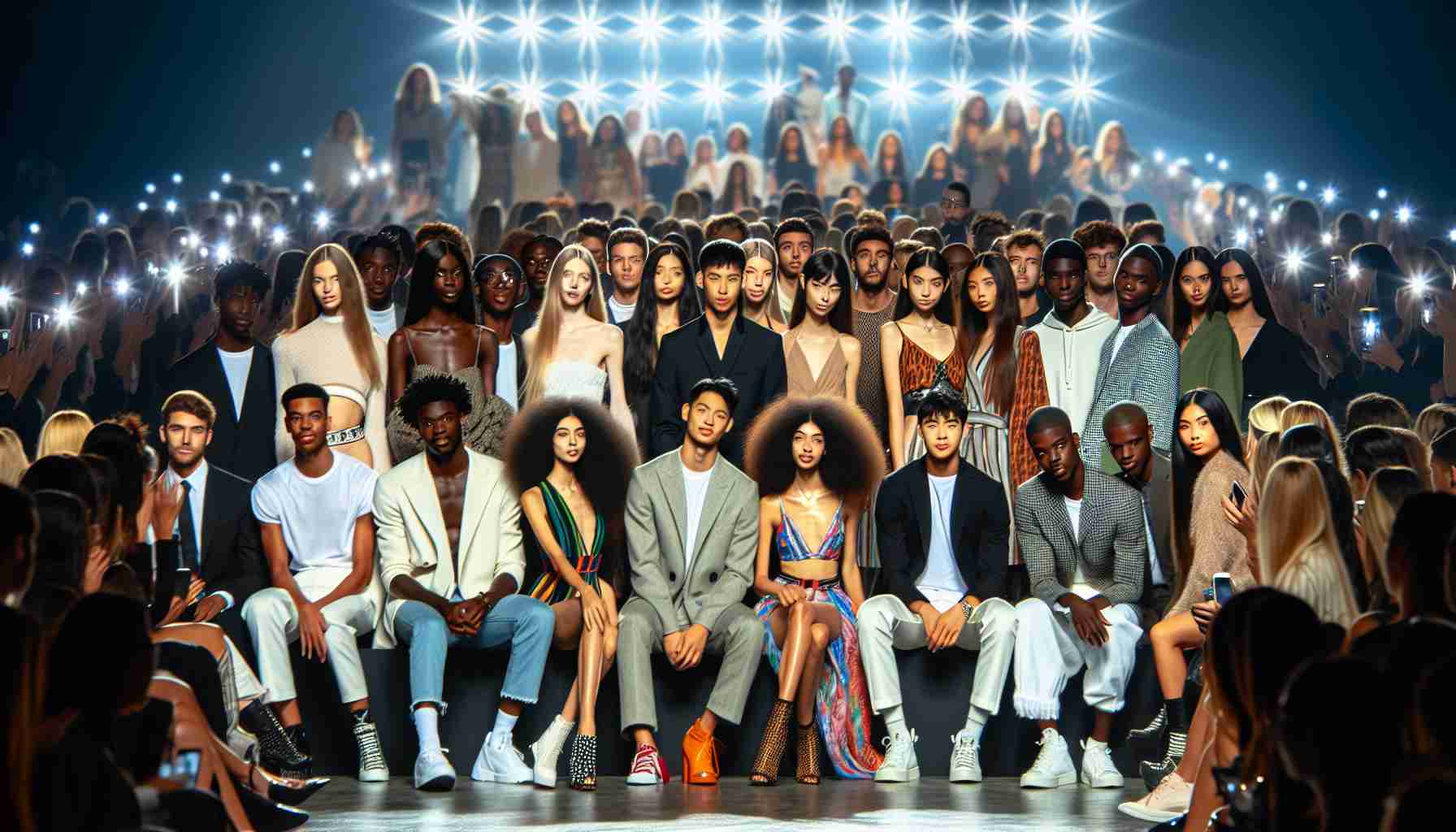
Lusky and Laney’s experiences at NYFW exemplify how such events serve as a launchpad for emerging talent. The chance to attend runway shows, including the Global Fashion Collective, allowed them to observe firsthand the innovative designs and creative expressions that define contemporary fashion. This exposure is crucial for young designers, as it helps them understand the current market landscape and the aesthetic directions that resonate with audiences. Laney noted the diversity showcased at NYFW, which included plus-size models and individuals with disabilities, highlighting the industry’s evolving approach to representation. This kind of visibility can inspire emerging designers to incorporate inclusivity into their own work, fostering a more diverse fashion narrative.
Networking is another critical aspect of attending NYFW. The event is a melting pot of industry professionals, from established designers to influential executives. Lusky and Laney had the opportunity to connect with key figures, including the Vice President of Fashion at Amazon and leaders from WME Fashion, the organization behind NYFW. These connections can lead to mentorship opportunities, internships, and even job offers, which are essential for young designers looking to break into a competitive field. The relationships formed at such events can provide guidance and support as they navigate their careers, making networking a vital component of their professional development.
Moreover, the hands-on experiences that accompany attendance at NYFW, such as customizing apparel at the Champion flagship store, further enhance the educational value of the trip. These practical experiences allow students to apply their theoretical knowledge in real-world settings, bridging the gap between classroom learning and industry practice. For Lusky, who aspires to work on a design team for a major fashion brand, and Laney, who dreams of launching his own fashion label, the skills and insights gained from these experiences are invaluable.
The impact of attending events like NYFW extends beyond individual experiences; it reflects a broader trend in the fashion industry where emerging designers are increasingly leveraging such platforms to gain visibility and establish their brands. Influencers and designers who have successfully navigated similar paths often emphasize the importance of these events in shaping their careers. For instance, Katya Tolstova, who transitioned from modeling to becoming a prominent influencer, credits her experiences at various fashion weeks for providing her with a unique perspective on the industry. Her journey underscores how participation in high-profile events can elevate one’s profile and open doors to new opportunities.
As the fashion landscape continues to evolve, the role of educational institutions in preparing students for these experiences becomes increasingly important. Universities like MSU are recognizing the need to provide students with access to industry events, ensuring that they are not only equipped with design skills but also with the networking and practical experiences necessary to thrive in the fashion world. By fostering partnerships with organizations like IMG and creating awards that facilitate attendance at events like NYFW, universities can enhance their programs and better prepare students for successful careers in the industry.
In conclusion, the experiences of emerging designers at NYFW highlight the profound impact that prestigious events can have on their careers. Through networking, exposure to industry trends, and hands-on experiences, students like Lusky and Laney are not only shaping their own futures but also contributing to the evolving narrative of the fashion industry. As they continue to pursue their aspirations, the lessons learned from such transformative experiences will undoubtedly guide them on their journeys.
Diversity and Inclusion in Fashion: Current Trends and Challenges
The fashion industry has long been criticized for its lack of diversity and inclusion, particularly at high-profile events like New York Fashion Week (NYFW). Despite some progress, the representation of plus-size models and BIPOC (Black, Indigenous, and People of Color) designers remains alarmingly low. Recent discussions, including a panel hosted by ELLE.com, highlighted the stark contrast between the demographics of American women and the models cast for NYFW. While over 67% of women in the U.S. are a size 14 or above, only 5% of models at NYFW in 2022 were plus-size. This disparity underscores the urgent need for systemic changes within the fashion industry to foster a more inclusive environment.
The conversation around diversity in fashion has gained momentum, with organizations like Raise Fashion leading the charge. Felita Harris, CEO of Raise Fashion, recently discussed the challenges of diversity, equity, and inclusion (DEI) in the industry on the Glossy Fashion Podcast. She pointed out that while some organizations have made commitments to DEI, many treat these initiatives as fleeting trends rather than essential components of their business models. Harris emphasized the need for a supportive ecosystem for BIPOC designers, who often lack access to the same resources and networks as their white counterparts. Raise Fashion aims to bridge this gap by providing resources and networking opportunities to underrepresented talent, helping them scale their businesses effectively.
One of the key initiatives of Raise Fashion is its Masterclass series, which supports BIPOC designers by offering them a platform to showcase their work at NYFW. This year, designers like Fe Noel and Charles Harbison will present their collections at an event hosted by Raise Fashion, sponsored by Abercrombie & Fitch. Such initiatives are crucial for elevating the visibility of BIPOC designers and ensuring that diverse voices are heard in the fashion landscape. Harris noted that by removing financial barriers associated with participating in prestigious events like NYFW, organizations can significantly impact the business trajectories of these designers.
Moreover, the push for size inclusivity is gaining traction, as highlighted in the ELLE.com panel discussion featuring prominent figures like model Ashley Graham and stylist Gabriella Karefa-Johnson. The panelists stressed that without significant action, size inclusivity could become a mere trend rather than a lasting change. They called for industry leaders to mandate size diversity in every show, emphasizing that hiring women of various sizes is essential to reflect the desires of plus-size consumers. The current grading practices in fashion design often fail to account for the unique shapes of larger bodies, making it difficult to create flattering designs for sizes above 16. This technical aspect of fashion design must be addressed to ensure that all consumers can find clothing that fits and flatters.
The ongoing discussions around diversity and inclusion in fashion highlight the need for systemic changes within the industry. While some strides have been made, the fashion world must move beyond tokenism and ensure that diverse voices are not only represented but also empowered. The initiatives taken by organizations like Raise Fashion and the urgent calls for size inclusivity at NYFW serve as reminders of the work that still needs to be done. As the industry continues to evolve, it is imperative that it embraces diversity as a core value rather than a trend, fostering an environment where all designers and models can thrive.
The Role of Universities in Fashion Education: Preparing Students for the Future
The fashion industry is undergoing a significant transformation, and universities are at the forefront of preparing students for this dynamic landscape. As the demand for skilled professionals in fashion design, merchandising, and marketing continues to grow, educational institutions are re-evaluating their curricula to ensure they align with industry needs. This evolution is particularly evident in programs that emphasize real-world experiences, such as internships and partnerships with industry leaders.
For instance, Michigan State University (MSU) recently introduced the Branding and Licensing ATD BFA Fashion Week Award, which allows students to attend New York Fashion Week (NYFW). This initiative not only enhances the educational experience but also provides students with invaluable networking opportunities and exposure to industry trends. The inaugural recipients, Sara Lusky and Tristian Laney, expressed how attending NYFW solidified their career aspirations and provided them with insights into the industry’s workings. Such experiences are crucial for students, as they bridge the gap between theoretical knowledge and practical application.
Fashion schools across the United States are adopting various approaches to integrate real-world experiences into their programs. The Fashion Institute of Technology (FIT) in New York City, for example, offers over 48 undergraduate programs and leverages its prime location to facilitate internships and networking opportunities. Similarly, Parsons School of Design emphasizes collaboration with major industry players, culminating in a final fashion show that showcases students’ work to potential employers. These hands-on experiences are essential for students to develop the skills and confidence needed to thrive in a competitive job market.
Moreover, the integration of technology and sustainability practices into fashion education is becoming increasingly important. As the industry shifts towards data-driven decision-making, fashion schools must equip students with the necessary skills to navigate this new landscape. The incorporation of data science and artificial intelligence (AI) into curricula is a pressing need, as highlighted in recent discussions among industry experts. Traditional fashion education often prioritizes design aesthetics, but as companies like Gap Inc. begin to replace creative roles with data scientists, the demand for graduates proficient in data analysis is on the rise.
Sustainability is another critical aspect that fashion programs must address. With growing consumer awareness about the environmental impact of fast fashion, educational institutions are incorporating sustainable practices into their curricula. For instance, Otis College of Art and Design in Los Angeles emphasizes sustainability in its fashion design program, preparing students to create environmentally responsible designs. This focus not only aligns with industry trends but also empowers students to become advocates for change within the fashion sector.
Networking opportunities play a vital role in the success of emerging professionals in the fashion industry. Universities can enhance these opportunities by fostering connections between students and industry leaders through mentorship programs, live design challenges, and advisory boards composed of fashion professionals. Such initiatives not only provide students with insights into the industry but also help them build relationships that can lead to job placements and collaborations.
As the fashion industry continues to evolve, universities must remain agile in their approach to education. By integrating real-world experiences, technology, and sustainability practices into their programs, fashion schools can better prepare students for the challenges and opportunities that lie ahead. The future of fashion education hinges on its ability to adapt to the changing landscape, ensuring that graduates are not only skilled designers but also well-rounded professionals equipped to navigate the complexities of the modern fashion world.
Networking Strategies for Aspiring Fashion Professionals
Networking is an essential component for students and emerging professionals in the fashion industry, serving as a bridge to opportunities that can significantly impact their careers. The recent initiative by Michigan State University (MSU) to send Apparel and Textile Design students to New York Fashion Week (NYFW) exemplifies the importance of such experiences in fostering connections within the industry. Attending high-profile events like NYFW allows students to engage directly with industry leaders, gain insights into current trends, and build relationships that can lead to internships, job offers, and collaborations.
To maximize networking opportunities, students should actively seek out industry events, workshops, and seminars. These gatherings not only provide a platform to meet professionals but also allow students to showcase their work and gain visibility. For instance, students can participate in fashion shows, design competitions, and panel discussions, which often attract influential figures in the fashion world. Engaging in these activities can help students establish a presence in the industry and demonstrate their commitment to their craft.
In addition to in-person events, leveraging social media is crucial for modern networking. Platforms like Instagram and TikTok have transformed how fashion professionals connect and share their work. Students should curate their online presence to reflect their personal brand, showcasing their designs, inspirations, and insights into the fashion industry. By actively engaging with industry leaders and peers on these platforms, students can foster relationships that may lead to mentorship opportunities or collaborations. For example, following and interacting with established designers or influencers can open doors to valuable advice and potential partnerships.
Building relationships with mentors is another vital strategy for effective networking. Mentors can provide guidance, share their experiences, and introduce students to their professional networks. Students should seek out mentors through university programs, industry events, or social media. Establishing a rapport with a mentor can lead to invaluable insights into navigating the fashion industry, as well as recommendations for internships or job openings.
Creating a personal brand is essential in the fashion industry, where individuality and creativity are highly valued. Students should focus on developing a unique aesthetic and voice that sets them apart from their peers. This can be achieved through consistent content creation on social media, participation in fashion-related projects, and collaboration with other creatives. A strong personal brand not only attracts attention but also communicates a clear message about a student’s design philosophy and career aspirations.
As the fashion industry continues to evolve, the significance of networking cannot be overstated. Students must take proactive steps to engage with the community, whether through attending events, utilizing social media, or seeking mentorship. By doing so, they can enhance their career prospects and position themselves for success in a competitive field. The call to action for students is clear: actively engage in networking opportunities to build a robust professional network that will support their aspirations in the fashion industry.
Reference:
New Award Provides MSU Students with Opportunity to Attend New York Fashion Week
The Vogue Business TikTok Trend Tracker: An Insight into Gen Z’s Influence on Fashion
Katya Tolstova’s Journey from Model to Influencer
Raise Fashion CEO Felita Harris Discusses DEI Challenges in the Fashion Industry
The Urgent Call for Size Inclusivity at New York Fashion Week
Amazon Launches 9 Free Skills Training Programs for Employees
The Best Fashion Schools in the US For Design, Marketing, and More
What Is Influencer Marketing: A Strategy Guide for 2024
Understanding Strategic Alliances in Business
FIDM Faces Challenges Amid Declining Enrollment and Failed Acquisition
The AO Debate: Is Fashion Education Meeting Industry Needs?