
Introduction: The Evolution of Film Education at Florida State University
Florida State University (2025 USNews Ranking: 54) (FSU) has taken a monumental step in the evolution of its College of Motion Picture Arts with the recent acquisition of the Governor’s Square theater complex. This move is not just about expanding physical space; it’s about creating a vibrant hub for film education that will profoundly impact students and the Tallahassee community. Since the film school’s inception in 1989, FSU has faced challenges due to the lack of a dedicated exhibition space, relying on external venues to showcase student work. This acquisition marks a turning point, providing a much-needed platform for students to present their films and engage with the community on a whole new level.
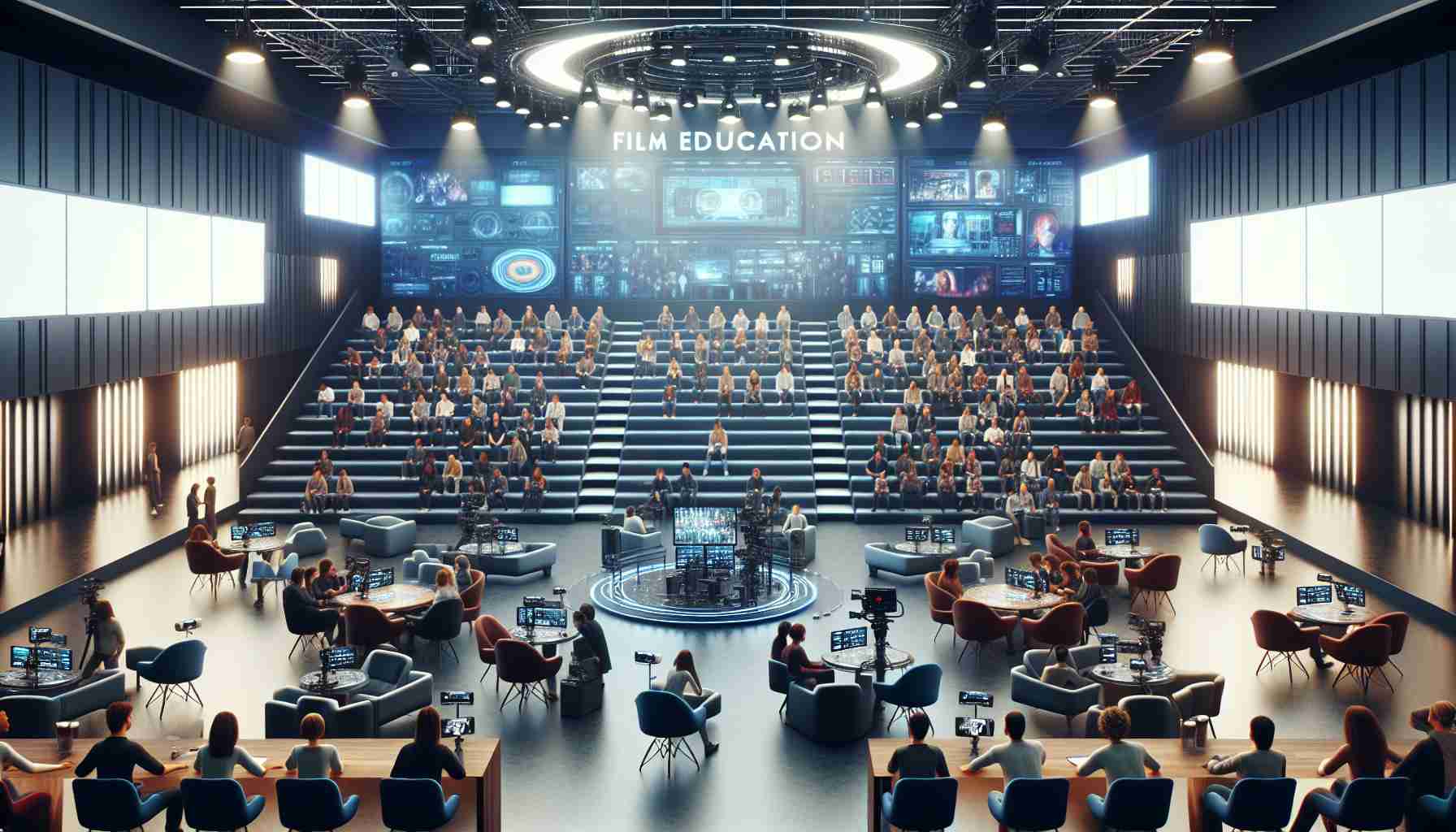
The significance of this acquisition is multifaceted. For students, it opens doors to enhanced production capabilities, allowing them to explore innovative filmmaking techniques in a state-of-the-art environment. The theater will not only serve as a venue for film screenings but will also be home to the college’s Center for Cinematic Innovation, Torchlight Studios. This facility is set to bridge the gap between education and industry, featuring advanced resources like a virtual production stage equipped with high-tech LED screens—a technology that has revolutionized the filmmaking process. Imagine students being able to create immersive environments right on campus, similar to what’s seen in blockbuster hits like “The Mandalorian.” This hands-on experience is invaluable, preparing students for the demands of a rapidly evolving industry.
Key figures have played a pivotal role in making this acquisition possible. Dean Reb Braddock has been a champion for the film program, advocating for the need for dedicated exhibition space to showcase student work. The support from FSU President Richard McCullough, Provost Jim Clark, and Vice President Kyle Clark has been instrumental in facilitating this transformative initiative. Their collective vision underscores the importance of investing in film education and the potential it holds for both students and the local community.
Historically, FSU’s film program has grown significantly, but the absence of a dedicated venue for exhibitions has limited its full potential. The Governor’s Square theater acquisition is a game-changer, allowing the college to host screenings that celebrate the creative achievements of students, faculty, and alumni. This not only enhances the educational experience but also fosters a sense of community around film appreciation in Tallahassee. Braddock envisions the theater as a center for film culture, where students can interact with local filmmakers and audiences, creating a collaborative environment that benefits everyone involved.
Moreover, the theater will serve as a platform for innovative programming that engages the local community. By hosting events and screenings that highlight diverse narratives, FSU can cultivate a deeper appreciation for cinema among residents. This aligns with broader trends in film education, where institutions are increasingly recognizing their role in promoting cultural dialogue and social engagement through the arts.
As FSU embarks on this exciting chapter, the potential for growth and innovation within its film program is boundless. The acquisition of the Governor’s Square theater complex not only addresses the historical limitations faced by the College of Motion Picture Arts but also sets the stage for a flourishing community of filmmakers and film enthusiasts. It’s a thrilling time for FSU, and the editor can’t wait to see how this initiative unfolds, bringing fresh opportunities for students and enriching the cultural fabric of Tallahassee.
Enhancing Film Production Capabilities and Community Engagement
The new Governor’s Square theater complex and the accompanying Torchlight Studios are set to elevate Florida State University’s (FSU) College of Motion Picture Arts to unprecedented heights. With the integration of cutting-edge technologies, particularly in virtual production, students will have access to tools that are reshaping the landscape of filmmaking. This isn’t just about having fancy equipment; it’s about providing a rich, immersive educational experience that prepares students for the real-world challenges of the film industry.
Virtual production techniques, which have gained traction thanks to high-profile productions like “The Mandalorian” and “Avatar,” enable filmmakers to create stunning visuals in real-time. FSU’s new facilities will house advanced setups, including high-tech LED screens that can display dynamic backgrounds and environments. This means students can shoot scenes with virtual sets that respond to their movements, allowing for a level of creativity and experimentation that was previously unimaginable. Imagine being a student director, crafting a scene in a fantastical world, all while collaborating with peers in a space designed for innovation. That’s the kind of experience FSU is aiming to provide.
But the benefits extend beyond just technical prowess. The theater is poised to become a community hub, a venue where film screenings and events can celebrate student work and engage local audiences. This is where the magic of film transcends the screen—it’s about creating a shared experience that fosters connections between students and the Tallahassee community. By hosting local filmmakers and showcasing their work alongside student projects, FSU can cultivate a vibrant film culture that thrives on collaboration and mutual support.
In fact, this initiative mirrors successful models seen in other educational institutions. For instance, programs like ‘Reel Justice’ in the UK have demonstrated how film can be a powerful tool for community engagement, allowing students to address pressing social issues through their work. Similarly, FSU’s theater can serve as a platform for student films that tackle relevant topics, sparking conversations around important themes while providing a space for dialogue and reflection.
The potential for collaboration with local filmmakers is particularly exciting. FSU can become a bridge between aspiring filmmakers and established professionals, facilitating mentorship opportunities that enrich the educational experience. Imagine students working alongside seasoned filmmakers, gaining insights and skills that can only come from hands-on experience. This kind of collaboration not only enhances the learning process but also strengthens the local film community, creating a network of support that benefits everyone involved.
Moreover, the new theater will allow for a variety of programming that can cater to diverse audiences. The editor envisions a calendar filled with events that highlight different genres, styles, and cultural narratives, making cinema accessible to all. Whether it’s a screening of a student film, a documentary addressing social issues, or a local filmmaker showcase, the theater will be a space where stories come to life and foster a sense of belonging within the community.
As FSU steps into this new era of film education, the potential for innovation and impact is immense. The Governor’s Square theater complex and Torchlight Studios are not just facilities; they are catalysts for creativity and collaboration. By enhancing production capabilities and fostering community engagement, FSU is setting the stage for a rich tapestry of storytelling that resonates far beyond its campus. The editor can’t help but feel a sense of excitement about the possibilities that lie ahead, as students and the community come together to celebrate the art of cinema in all its forms.
Impact of Film Education on Local Communities
Film education has always been a powerful tool for social change, and with FSU’s new resources, there’s an incredible opportunity to drive community-oriented projects that address pressing social issues. The recent acquisition of the Governor’s Square theater complex is not just a win for students; it could become a beacon of hope and understanding for the Tallahassee community. Just look at initiatives like ‘Reel Justice’ and McMaster University’s narrative film intervention, which have successfully demonstrated the transformative power of film in fostering empathy and engagement.
‘Reel Justice’ is a fascinating example of how film can bridge divides between communities and institutions. This project brings together university filmmakers and local police forces to create short films addressing critical social issues, such as domestic violence and drug trafficking. The films are not just artistic expressions; they are educational resources that help improve community relations and build trust, particularly among younger generations who may feel marginalized. This initiative has shown that when students are empowered to tell stories that resonate with real-world challenges, they can create impactful narratives that spark dialogue and promote understanding.
Similarly, McMaster University’s narrative film intervention has illustrated how storytelling can directly influence societal behaviors. In a study focused on displaced families from Myanmar, researchers found that screening a narrative film about positive parenting led to a significant reduction in violence against children. By crafting relatable stories that speak to the experiences of these families, the film served as a catalyst for behavioral change, encouraging parents to adopt more positive parenting practices. This model of using film as a medium to address social issues is not only innovative but also highlights the potential for film education to make a tangible difference in people’s lives.
So, how can FSU harness this momentum? With the new theater and Torchlight Studios, the College of Motion Picture Arts has the perfect platform to initiate similar community-oriented projects. Imagine students collaborating with local organizations to create films that tackle issues such as homelessness, mental health, or environmental concerns. The theater could host screenings followed by discussions, providing a space for dialogue that fosters empathy and understanding among diverse community members. By doing so, FSU can position itself as a vital player in the local cultural landscape, where students and residents come together to share stories and learn from one another.
Storytelling, at its core, is about connection. It allows us to step into someone else’s shoes and see the world through their eyes. This is especially important in today’s society, where divisions often seem insurmountable. Film education can play a pivotal role in breaking down these barriers by encouraging students to explore themes of identity, justice, and community through their work. By equipping students with the skills to tell powerful stories, FSU can help cultivate a generation of filmmakers who are not only artists but also advocates for social change.
Moreover, the importance of dedicated exhibition spaces cannot be overstated. The Governor’s Square theater will be a venue where these stories can be shared with the public, allowing for collective experiences that resonate deeply within the community. When audiences come together to watch a film, they are not just passive viewers; they become part of a shared narrative that can inspire action and reflection. This communal aspect of filmmaking is vital in fostering a culture of empathy and understanding, which is essential for addressing social issues.
As FSU embarks on this exciting journey, the potential for its film program to become a catalyst for social change is immense. By leveraging its new resources, the college can foster collaborations that not only enhance students’ educational experiences but also enrich the local community. The editor can’t help but feel that this is just the beginning. With creativity, passion, and a commitment to storytelling, FSU’s College of Motion Picture Arts has the opportunity to create a ripple effect that extends far beyond its campus, transforming lives and communities through the power of film. The future is bright, and I, for one, can’t wait to see the stories that emerge from this vibrant new chapter in Tallahassee’s film scene.
Advancements in Virtual Production Technology and Their Educational Implications
The advancements in virtual production technology are nothing short of revolutionary, reshaping the landscape of film education and creating exciting new horizons for students at Florida State University (FSU). With the establishment of Torchlight Studios, a cutting-edge facility that will serve as the heart of FSU’s College of Motion Picture Arts, students are poised to gain hands-on experience with the latest tools and techniques that are redefining the filmmaking process. This is not just about learning to operate equipment; it’s about immersing students in an environment where they can experiment, innovate, and push the boundaries of their creativity.
Virtual production has gained significant traction in recent years, driven by the increasing demand for immersive content and the rapid evolution of technology. According to a recent report, the virtual production market is projected to grow from USD 2.55 billion in 2023 to an astounding USD 8.42 billion by 2030, with a compound annual growth rate (CAGR) of 18.57%. This growth is largely attributed to advancements in augmented and mixed reality tools, improvements in real-time rendering software, and the rising popularity of LED video walls and virtual sets. FSU’s investment in these technologies positions its students at the forefront of this burgeoning industry, equipping them with the skills needed to thrive in a competitive job market.
Imagine walking into Torchlight Studios and being greeted by a virtual production stage adorned with high-tech LED screens, ready to transport you to fantastical worlds or recreate historical settings in real-time. Students will have the opportunity to engage with this technology firsthand, allowing them to create interactive environments that respond dynamically to their actions. This level of immersion is a game-changer, enabling aspiring filmmakers to visualize their creative visions with unprecedented clarity and precision. It’s not just about making films; it’s about crafting experiences that resonate deeply with audiences.
The collaboration between educational institutions and technology providers is crucial in enhancing film curricula and ensuring that students are well-prepared for the demands of the industry. FSU’s partnership with leading technology companies will enable students to work with the latest tools and methodologies, bridging the gap between theory and practice. This collaborative approach not only enriches the educational experience but also fosters a culture of innovation and experimentation. Students will learn to adapt to rapidly changing technologies, a vital skill in an industry that thrives on creativity and adaptability.
Moreover, the integration of virtual production techniques into the curriculum can lead to exciting interdisciplinary projects. Students from various fields—such as computer science, graphic design, and storytelling—can come together to create immersive narratives that blend technology and art. This collaborative spirit mirrors successful initiatives seen in other institutions, where students have tackled social issues through film, using storytelling as a powerful medium for change. FSU has the potential to cultivate similar projects, empowering students to use their skills to address pressing societal themes while honing their craft.
As the virtual production landscape continues to evolve, the importance of dedicated facilities like Torchlight Studios cannot be overstated. They serve as incubators for creativity, where students can experiment with new ideas and techniques in a supportive environment. The editor envisions a future where FSU students are not only equipped with the technical skills necessary for filmmaking but also possess a deep understanding of the ethical implications of their work. By engaging with complex narratives and diverse perspectives, these future filmmakers can become advocates for social change, using their art to inspire empathy and understanding in a world that desperately needs it.
In conclusion, the advancements in virtual production technology, coupled with FSU’s commitment to innovation in film education, are setting the stage for a transformative era in the College of Motion Picture Arts. With facilities like Torchlight Studios, students will have unparalleled access to cutting-edge resources that prepare them for successful careers in an ever-evolving industry. The collaboration between educational institutions and technology providers is key to enhancing film curricula and fostering a culture of creativity and experimentation. As FSU embarks on this exciting journey, the possibilities for its students—and the impact they can have on the world—are boundless. The editor is thrilled to witness this evolution and can’t wait to see the remarkable stories that emerge from this dynamic new chapter in Tallahassee’s film scene.
Conclusion: A New Era for Film Education at FSU and Beyond
The acquisition of the Governor’s Square theater complex by Florida State University (FSU) is not just a significant milestone for the College of Motion Picture Arts; it represents a transformative opportunity that could redefine film education and community engagement within Tallahassee. By establishing a dedicated exhibition space, FSU is poised to nurture a culture of film appreciation and innovation that resonates far beyond the campus borders. The theater will serve as a vital platform for showcasing student films, allowing budding filmmakers to present their work to a broader audience and engage in meaningful dialogues about their creative processes.
This initiative underscores the critical role that educational institutions play in cultivating future filmmakers. Dedicated exhibition spaces like the Governor’s Square theater are essential for fostering an environment where students can develop their craft, share their narratives, and explore the nuances of storytelling. The ability to screen films in a professional setting not only enhances the educational experience but also instills a sense of pride and accomplishment in students as they see their hard work come to life on the big screen. This connection to the community is invaluable, as it creates a shared cultural experience that invites local audiences to appreciate the art of cinema and recognize the talent emerging from FSU.
As FSU looks to the future, it can leverage its new resources to forge deeper connections with the local community. The theater can host film festivals, workshops, and collaborative projects that invite participation from local filmmakers and organizations. By creating a space where students and community members can come together, FSU can foster a vibrant film culture that thrives on collaboration and mutual support. This not only enriches the educational landscape but also strengthens the local creative economy, positioning Tallahassee as a hub for artistic expression.
Moreover, as the film industry continues to evolve, the importance of innovation in film education cannot be overstated. FSU’s commitment to integrating cutting-edge technologies and methodologies into its curriculum is essential for preparing students to meet the demands of a rapidly changing industry. The theater, alongside Torchlight Studios, will serve as a testing ground for new ideas and approaches, encouraging students to push the boundaries of their creativity and explore uncharted territories in filmmaking.
The editor believes that the path forward for FSU and similar institutions lies in embracing this transformative potential. By investing in dedicated spaces for film appreciation and fostering collaborations that bridge academia and industry, educational institutions can create a ripple effect that positively impacts students, local communities, and the broader cultural landscape. The future of film education is bright, and with continued innovation and a commitment to storytelling, FSU is well-positioned to lead the way in nurturing the next generation of filmmakers who will shape the narratives of tomorrow. The editor can’t wait to witness the incredible stories that will emerge from this new era at FSU, as students and the community come together to celebrate the power of film.
Reference:
- Florida State University Expands Film Program with New Theater Acquisition
- ‘Reel Justice’: A Unique Collaboration Between University Filmmakers and Police
- Film Intervention Found to Reduce Violence Against Children
- Study Finds Film Can Change Attitudes Toward Society’s Marginalized
- Virtual Production Market Forecast (2025-2030): Growth Driven by Immersive Content and Technology Advancements
- Why 2025 Will Be the Year for Virtual Production Technology
- The Top 50 Film Schools of 2024: NYU Takes the Lead
- Fryshuset and Netflix Launch Initiative to Foster Young Talent in Film and TV