
Introduction: The Significance of Hackathons in Higher Education
Hackathons have emerged as dynamic platforms for innovation, collaboration, and skill development within the academic landscape, and Temple University‘s OwlHacks is a prime example of this trend. Held annually, OwlHacks is a 30-hour marathon that invites students from various universities to come together and tackle real-world challenges through technology. This year’s event, which took place on October 5, 2024, attracted over 275 participants from institutions such as the University of Pennsylvania (2025 USNews Ranking: 10) and Drexel University, showcasing the collaborative spirit that hackathons foster.
The concept of hackathons is rooted in the idea of rapid problem-solving and creativity, where participants form teams to develop solutions within a limited timeframe. OwlHacks exemplifies this by offering tracks focused on pressing issues, such as Smart Health and Inclusive Education. These tracks not only encourage students to apply their technical skills but also to think critically about how technology can address societal needs. For instance, one notable project, the Educational Brainrot Generator, creatively integrates engaging content to enhance learning for students who struggle with focus, demonstrating the potential for technology to make a meaningful impact in education.
Moreover, hackathons like OwlHacks serve as vital career development opportunities. Participants engage in workshops led by industry professionals from companies like Google and Microsoft, gaining insights into personal branding and technical skills that are essential in today’s job market. This blend of hands-on experience and professional development is crucial for students, as it allows them to bridge the gap between academic knowledge and practical application. Chiku Okechukwu, a computer science major and director of OwlHacks, emphasized that these events not only foster innovation but also motivate students to pursue their career aspirations with greater enthusiasm.
The collaborative nature of hackathons also promotes community engagement, as students often draw inspiration from local culture and issues. Projects developed during OwlHacks frequently reflect the unique characteristics of Philadelphia, such as an app highlighting local dining spots. This connection to the community enhances the relevance of the solutions created and encourages students to think about their role in addressing local challenges.
As universities increasingly recognize the importance of experiential learning, hackathons are becoming integral to the educational experience. They provide students with opportunities to develop essential skills such as teamwork, problem-solving, and project management, all of which are highly valued in the workforce. The success of OwlHacks at Temple University illustrates how such initiatives can cultivate a culture of innovation and collaboration, preparing students to thrive in an ever-evolving technological landscape.
OwlHacks: A Case Study in Innovation and Community Engagement
OwlHacks, Temple University’s annual hackathon, has rapidly established itself as a significant event in the tech community since its inception. Launched in 2021, this 30-hour innovation marathon aims to foster creativity, collaboration, and problem-solving among students from various universities. The fourth iteration of OwlHacks took place on October 5, 2024, at the Science Education and Research Center (SERC), drawing over 275 participants from institutions such as the University of Pennsylvania, Drexel University, and Boston College. This diverse participation underscores the event’s appeal and its role in uniting students across different academic backgrounds and disciplines.
The primary objective of OwlHacks is to encourage students to leverage technology to address real-world challenges. Participants are organized into teams and tasked with tackling specific challenges, known as “tracks.” This year, the hackathon featured tracks focused on Smart Health, Inclusive Education, and a Philadelphia-themed track dubbed Philly Special. The Smart Health track, for instance, inspired students to develop technological solutions that promote healthy lifestyles and accessibility, while the Inclusive Education track aimed to create tools that foster equality among students. Such tracks not only challenge participants to think critically but also encourage them to innovate in ways that can have a tangible impact on their communities.
One of the standout projects from this year’s event was the Educational Brainrot Generator, which exemplifies the creative spirit of OwlHacks. This project generates quizzes based on user prompts and incorporates engaging TikTok-style videos to enhance learning for students who struggle with focus and time management. The project reflects a growing trend in education technology, where interactive and multimedia approaches are increasingly recognized for their effectiveness in engaging learners. The success of such projects highlights the potential for hackathons to serve as incubators for innovative ideas that can transform traditional educational practices.
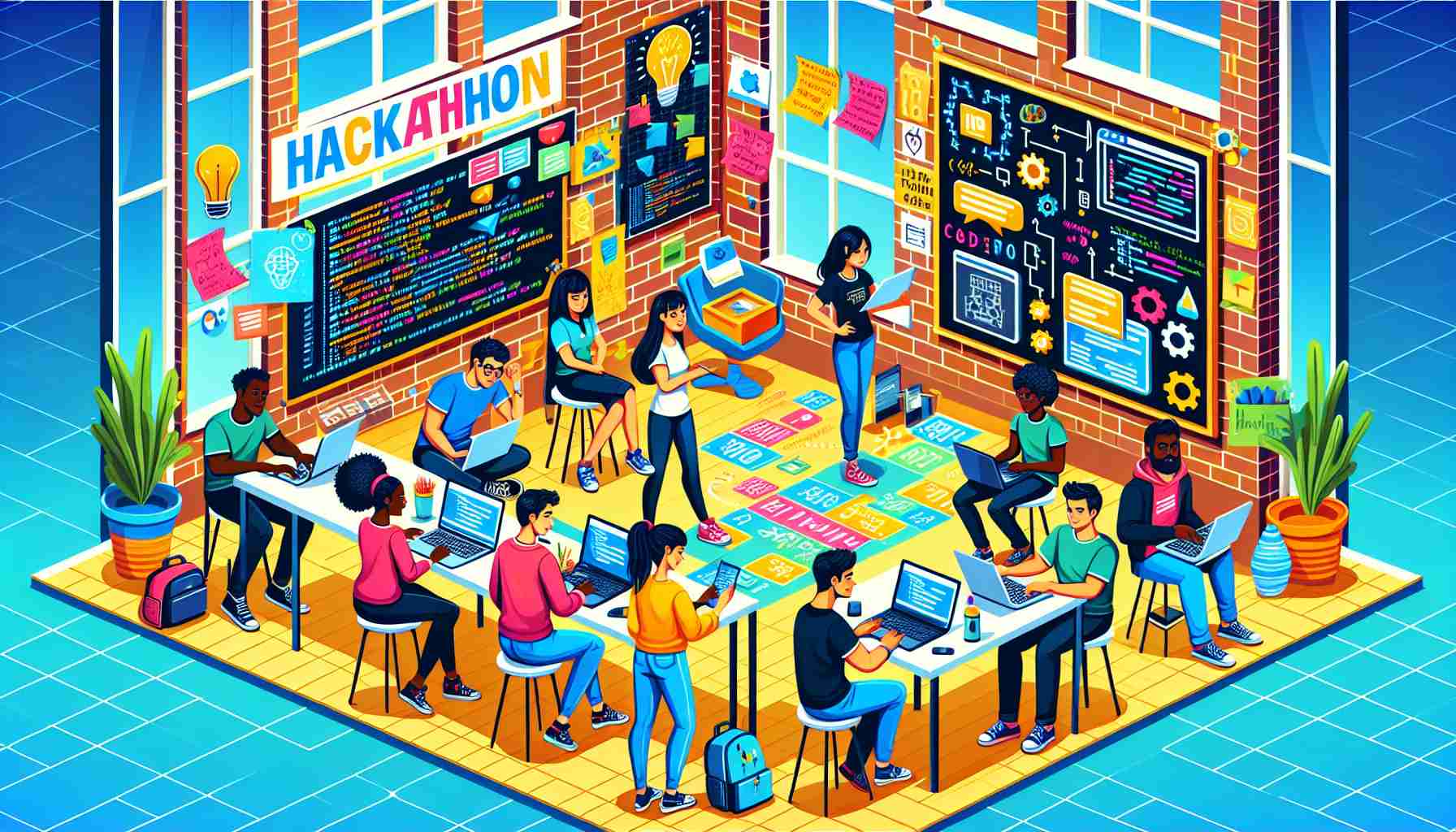
The collaborative spirit fostered during OwlHacks is further enhanced by the workshops offered throughout the event. These sessions, led by industry professionals and faculty, focus on career development and essential technology skills. For example, Cheldin Rumer, an adjunct professor and marketing expert, conducted a workshop on personal branding, which resonated with many students eager to learn how to effectively showcase their skills in a competitive job market. Additionally, representatives from major companies like Google, Microsoft, and Ford provided insights into the tech industry, further enriching the participants’ learning experience. Such workshops not only equip students with practical skills but also help them build valuable connections that can aid in their future careers.
OwlHacks serves as more than just a platform for innovation; it also acts as a recruitment opportunity for local employers. Chiku Okechukwu, a computer science major and director of OwlHacks, emphasized the importance of attracting sponsors to discover new talent. The event creates an environment where students can demonstrate their skills and creativity, making it an attractive venue for companies looking to recruit motivated individuals. This intersection of education, technology, and community involvement is crucial in preparing students for the workforce, as it allows them to apply their classroom knowledge in practical settings.
The impact of OwlHacks extends beyond the immediate experience of the participants. The event fosters a sense of community among students, encouraging them to form friendships and networks that can last well beyond the hackathon. Egi Rama, another director and computer science major, noted the value of dedicating a weekend to work on projects, allowing students to apply their academic knowledge in a collaborative environment. This sense of camaraderie and shared purpose is a vital aspect of the hackathon experience, as it cultivates a supportive community that encourages innovation and creativity.
In conclusion, OwlHacks exemplifies the intersection of technology, education, and community engagement. By bringing together students from diverse backgrounds to tackle pressing challenges, the event not only promotes innovation but also prepares participants for future careers in technology. The notable projects that emerge from OwlHacks, such as the Educational Brainrot Generator, along with the emphasis on career development through workshops, illustrate the hackathon’s commitment to fostering a collaborative and inclusive environment. As OwlHacks continues to grow, it will undoubtedly play a pivotal role in shaping the future of tech education and community involvement at Temple University and beyond.
The Broader Impact of Hackathons on Student Learning and Skill Development
Hackathons have emerged as pivotal events in the academic landscape, offering students a unique platform to apply their theoretical knowledge in practical, real-world scenarios. The recent OwlHacks at Temple University exemplifies this trend, where over 275 students collaborated on innovative projects across various tracks, including Smart Health and Inclusive Education. This event not only fostered creativity but also emphasized the importance of teamwork and problem-solving skills, which are essential in today’s workforce.
Comparatively, the ATOM hackathon at the University of Delaware showcased a similar commitment to interdisciplinary collaboration. By bringing together students from diverse fields such as biology, physics, and business, the ATOM hackathon aimed to develop AI-driven health solutions. This approach highlights the growing recognition that complex problems often require multifaceted solutions, and hackathons serve as an ideal environment for such interdisciplinary teamwork. Participants at ATOM were able to leverage their varied expertise to tackle health-related challenges, demonstrating how hackathons can bridge gaps between different academic disciplines and foster innovative thinking.
Virginia Tech’s Innovation Campus also underscores the significance of hackathons in enhancing student learning. Events like Bitcamp and HooHacks provided students with opportunities to engage in project-based learning, where they could apply their classroom knowledge to real-world challenges. For instance, a team from Virginia Tech developed a browser extension to combat misinformation, showcasing not only their technical skills but also their ability to work collaboratively under pressure. Such experiences are invaluable, as they prepare students for the demands of the modern workforce, where adaptability and teamwork are crucial.
The emphasis on practical application of knowledge during hackathons is particularly beneficial for students transitioning from academic environments to professional settings. As noted by participants from various hackathons, the hands-on experience gained through these events enhances their technical competencies while also developing essential soft skills such as communication, leadership, and project management. These skills are increasingly sought after by employers, making hackathons a vital component of career development for students.
Moreover, the collaborative nature of hackathons fosters a sense of community among participants. Students often form lasting connections with peers from different universities and backgrounds, which can lead to future collaborations and networking opportunities. This aspect of hackathons is particularly important in the tech industry, where collaboration across disciplines is essential for innovation. The friendships and professional relationships formed during these intense, focused events can significantly impact students’ career trajectories.
In addition to enhancing individual skills, hackathons also serve as recruitment platforms for local employers. Companies often sponsor these events to discover new talent, recognizing that students who engage in such extracurricular activities are typically more motivated and better prepared for the workforce. This symbiotic relationship between students and employers not only benefits participants but also helps companies identify potential hires who have demonstrated their abilities in high-pressure environments.
The role of diversity and inclusion in hackathons cannot be overlooked. Events like OwlHacks and ATOM actively encourage participation from underrepresented groups, fostering an inclusive atmosphere that values diverse perspectives. This commitment to diversity is crucial, as it enriches the problem-solving process and leads to more innovative solutions. By creating spaces where all voices are heard, hackathons contribute to a more equitable tech landscape.
In conclusion, hackathons represent a transformative educational experience for students, enhancing their problem-solving skills, teamwork, and technical competencies. By facilitating interdisciplinary collaboration and providing practical applications of classroom knowledge, these events prepare students for the challenges of the modern workforce. As universities continue to embrace hackathons as a core component of their educational offerings, the implications for student learning and career development will undoubtedly be profound.
Diversity and Inclusion in Technology Events
The role of diversity and inclusion in technology events, particularly hackathons, is increasingly recognized as a critical factor in driving innovation and fostering a more equitable tech landscape. Events like the Women and Diversity in Tech Festival serve as vital platforms for amplifying diverse voices and perspectives within the industry. As industry leaders such as Catherine Lückhoff emphasize, the unique insights that individuals from underrepresented groups bring to the table can lead to groundbreaking solutions and improved outcomes in technology.
Hackathons, such as Temple University’s OwlHacks, exemplify how inclusive environments can encourage participation from a wide array of students, including those from marginalized backgrounds. By creating spaces where diverse teams can collaborate, these events not only enhance the learning experience but also promote a culture of innovation. Participants are often tasked with addressing real-world challenges, such as health and education, which require a variety of viewpoints to develop effective solutions. For instance, the Inclusive Education track at OwlHacks aimed to foster equality among students, showcasing how diverse teams can tackle complex issues in meaningful ways.
The importance of diversity in tech is further underscored by the insights shared at events like the Women and Diversity in Tech Festival, where discussions focus on mentorship, education, and the need for industry partnerships to attract new talent. Neha Batra, a featured speaker at the festival, highlights the significance of inspiring young people to pursue careers in technology, particularly women and underrepresented groups. By providing role models and fostering a supportive community, such events can help dismantle barriers that have historically hindered diversity in the tech sector.
Moreover, the benefits of diversity extend beyond representation; they are linked to enhanced creativity and innovation. Research has shown that diverse teams are more likely to generate unique ideas and solutions, as they draw from a broader range of experiences and perspectives. This is particularly relevant in technology, where the ability to think outside the box can lead to the development of groundbreaking products and services. Lückhoff’s emphasis on the value of diverse leadership illustrates how varied perspectives can drive innovation, ultimately benefiting the entire industry.
Initiatives aimed at attracting diverse talent to the tech field are essential for creating a more inclusive environment. Programs that focus on skill development, mentorship, and networking opportunities can empower individuals from underrepresented backgrounds to thrive in technology. For example, hackathons often include workshops led by industry professionals, providing participants with the tools and knowledge necessary to succeed. These experiences not only enhance technical skills but also foster essential soft skills, such as communication and teamwork, which are crucial in collaborative environments.
In conclusion, the integration of diversity and inclusion into technology events like hackathons is vital for fostering innovation and creating a more equitable tech landscape. By encouraging participation from underrepresented groups and providing supportive environments, these events can drive meaningful change in the industry. As the tech sector continues to evolve, the importance of diverse perspectives will only grow, making it imperative for organizations to prioritize inclusivity in their initiatives.
Conclusion: The Future of Hackathons and Community Engagement in Education
The recent OwlHacks event at Temple University exemplifies the transformative power of hackathons in higher education, serving as a microcosm of innovation, skill development, and community engagement. With over 275 students participating, the event not only fostered collaboration among diverse teams but also encouraged the creation of technology solutions that address real-world challenges, such as health and education. This aligns with the growing trend of hackathons across universities, where students are increasingly engaging in interdisciplinary projects that leverage their academic knowledge in practical settings.
The significance of hackathons extends beyond mere competition; they are vital platforms for students to enhance their technical skills and soft skills, such as teamwork and problem-solving. For instance, participants at OwlHacks worked on projects that ranged from health-focused applications to educational tools, showcasing their creativity and ability to apply classroom concepts in real-world scenarios. This hands-on experience is crucial in preparing students for the demands of the modern workforce, where adaptability and continuous learning are paramount.
Moreover, hackathons like OwlHacks play a pivotal role in fostering inclusive environments within the tech industry. By emphasizing diversity and collaboration, these events create spaces where underrepresented groups can thrive. The involvement of organizations focused on supporting women in technology, as seen with Kristin Austin’s participation at OwlHacks, highlights the importance of mentorship and representation in encouraging a new generation of tech innovators. This commitment to inclusivity is essential for driving innovation, as diverse teams are known to produce more creative and effective solutions.
Looking ahead, the future of hackathons in higher education appears promising, especially as technology continues to evolve. With emerging trends such as artificial intelligence, quantum computing, and biotechnology shaping the landscape, universities must adapt their curricula and extracurricular offerings to prepare students for these advancements. Hackathons can serve as a bridge between academic learning and industry needs, providing students with opportunities to experiment with new technologies and develop solutions that address pressing societal issues.
In conclusion, hackathons are not just events; they are critical tools for fostering innovation, skill development, and community engagement in higher education. As universities continue to embrace these collaborative experiences, they will play a vital role in equipping students with the skills necessary to navigate the complexities of the modern workforce. By prioritizing inclusivity and continuous learning, institutions can ensure that all students are prepared to meet the challenges of an ever-evolving technological landscape, ultimately contributing to a more equitable and innovative future in tech.
Reference:
OwlHacks: A 30-Hour Innovation Marathon at Temple University
Students Code Real-World Health Solutions at ATOM Hackathon
Hackathons Foster Real-World Skills Among Virginia Tech Innovation Campus Students
Women and Diversity in Tech Festival Set to Inspire and Connect on November 5, 2023
Catherine Lückhoff on the Importance of Diversity in Tech
24 New Technology Trends in 2024: Exploring the Future
Telemedicine in Internal Medicine: A Position Paper from the EFIM Working Group
NASA Internship Programs: Opportunities for Students and Recent Graduates
New York Tech’s Career Success and Experiential Education Program
Celebrating a Decade of Change: UMB’s Office of Community Engagement Evolves with New Civic Vision
Kyle Anderson: A Leader in Community Engagement and Youth Sports