
Introduction: The Importance of Career Fairs in Higher Education
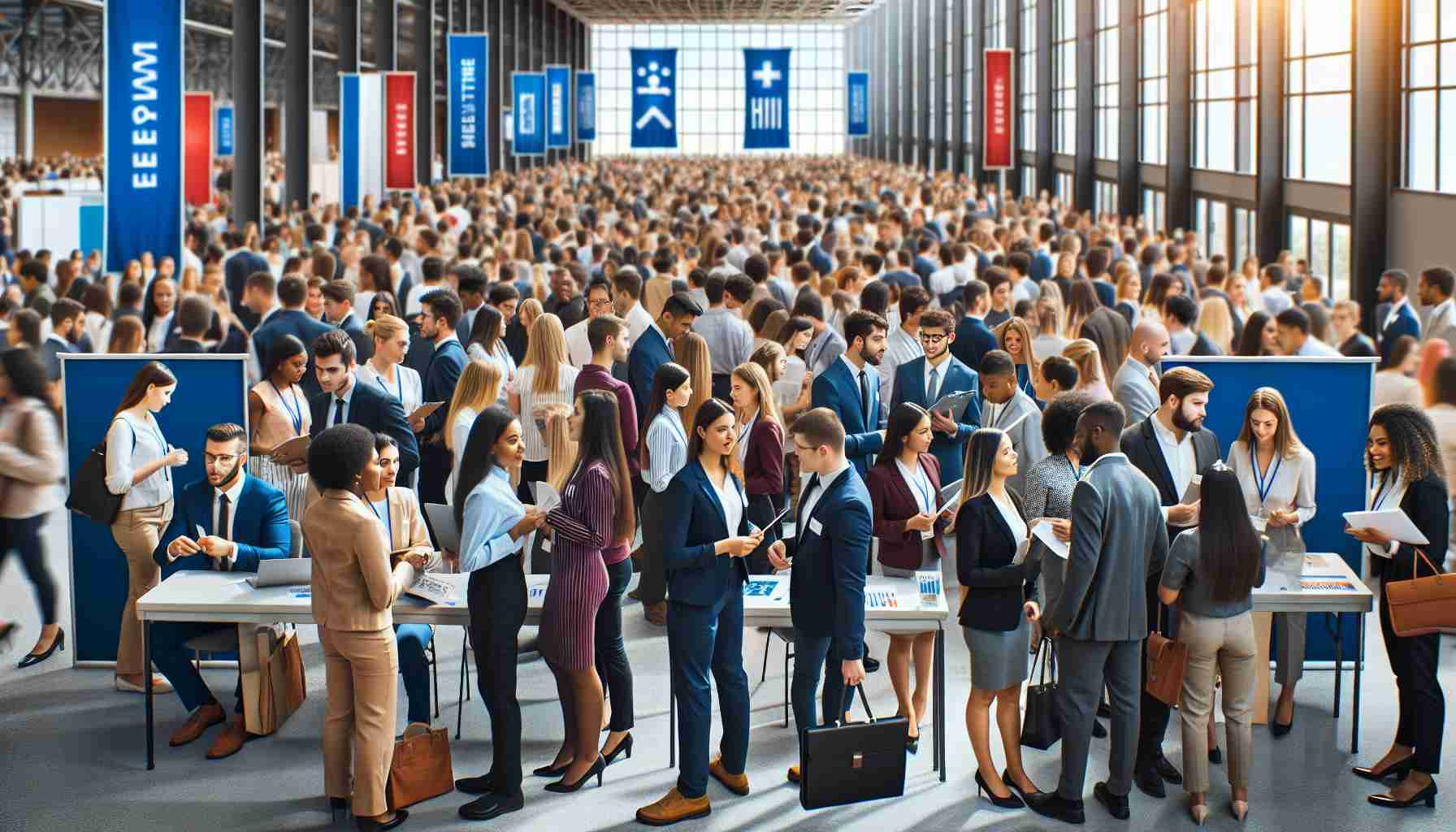
Career fairs have become a pivotal component in the transition from academia to the professional world, serving as a vital bridge that connects university students with potential employers. These events not only provide students with the opportunity to explore various career paths but also allow them to engage directly with industry representatives, fostering personal connections that can significantly enhance their job prospects. The recent career fair held at Northeastern University (2025 USNews Ranking: 54) on October 9, 2024, exemplifies this dynamic, attracting over 1,200 undergraduate and graduate students eager to make their mark in the job market.
The fair featured 42 companies, predominantly from the healthcare and STEM sectors, reflecting the growing demand for talent in these fields. Students had the chance to interact face-to-face with representatives from multinational corporations and local firms alike, all seeking to recruit for internships and full-time positions. This direct engagement is particularly valuable, as many students expressed that personal interactions can convey their enthusiasm and qualifications more effectively than a traditional online application. For instance, Jennifer Gong, a fifth-year data sciences and math student, highlighted the excitement of meeting a familiar company representative, illustrating how personal connections can enhance the job search experience.
The significance of such career fairs extends beyond mere networking; they play a crucial role in shaping student employment outcomes. As students navigate their career paths, the ability to connect with employers in person can lead to more meaningful conversations about job roles, company cultures, and the skills required for success. Anya Dasgupta, a second-year computer science major, emphasized the importance of these interactions, noting that they provide insights that online job postings cannot. This sentiment is echoed by many students who recognize that the personal touch of a career fair can set them apart in a competitive job market.
Moreover, the Northeastern career fair is part of a broader commitment by the university to facilitate connections between students and industry partners. With thousands of co-op placements occurring annually across 150 countries, Northeastern has established itself as a hub for career development and industry engagement. Employers return year after year, drawn by the university’s reputation for producing well-prepared candidates. This ongoing relationship between the university and employers not only benefits students but also helps companies identify and attract top talent early in the recruiting season.
As the landscape of recruitment strategies continues to evolve, career fairs are adapting to meet the changing preferences of students. The recent trend towards hybrid recruitment methods, which blend in-person and online interactions, reflects a growing desire among students for direct engagement with potential employers. This shift is particularly evident in the resurgence of in-person events, as students seek the personal touch that face-to-face interactions provide. The Northeastern career fair, with its diverse representation of companies and sectors, serves as a prime example of how these events can effectively bridge the gap between education and employment.
In conclusion, the Northeastern University career fair not only provided students with valuable networking opportunities but also reinforced the importance of personal connections in the job search process. As students continue to navigate their career paths, events like these will play a crucial role in shaping their employment outcomes and preparing them for the challenges of the modern job market. The evolving landscape of recruitment strategies, coupled with the emphasis on personal engagement, underscores the significance of career fairs in fostering successful transitions from academia to the professional world.
The Impact of Career Fairs on Student Employment Outcomes
Northeastern University’s recent career fair, held on October 9, 2024, serves as a compelling case study in understanding the tangible benefits of such events for students’ employment outcomes. With over 1,200 students in attendance and 42 companies, primarily from the healthcare and STEM sectors, the fair provided a unique platform for direct engagement between students and potential employers. This face-to-face interaction is crucial, as it allows students to present themselves beyond the confines of a resume or online application, which can often feel impersonal and limiting.
Testimonials from students like Jennifer Gong, a fifth-year data sciences and math major, highlight the significance of personal connections made during the fair. Gong expressed her excitement about meeting a representative from Hisense, a company she was familiar with from her hometown. Her experience underscores the value of familiarity and personal rapport in the job search process. Similarly, Anya Dasgupta, a second-year computer science major, emphasized that direct contact with employers is far more beneficial than merely browsing job postings online. This sentiment reflects a broader trend among students who recognize that personal interactions can enhance their candidacy, allowing them to convey their enthusiasm and fit for a role in ways that written applications cannot.
The impact of career fairs on employment outcomes is further supported by statistics indicating that students who participate in such events tend to have higher employment rates compared to their peers who do not. Research shows that students who engage in career fairs are more likely to secure internships and job offers, as they can establish connections that lead to opportunities not always advertised online. For instance, employers like Tyler Hines from Cummins Inc. and Max Wilderman from Bristol Myers Squibb noted their intent to find strong candidates at the fair, highlighting the event’s role in facilitating recruitment for internships and full-time positions.
Moreover, the importance of soft skills in the job market, particularly in STEM and healthcare sectors, cannot be overstated. Employers are increasingly seeking candidates who not only possess technical expertise but also demonstrate strong communication, teamwork, and problem-solving abilities. Max Wilderman specifically mentioned the value of leadership qualities and the ability to articulate challenges faced and lessons learned, which are essential soft skills that can set candidates apart in competitive fields. This aligns with broader industry trends that prioritize interpersonal skills alongside technical knowledge, particularly as workplaces become more collaborative and dynamic.
The Northeastern career fair exemplifies how direct interactions with employers can significantly enhance students’ job prospects. By fostering personal connections and emphasizing the importance of soft skills, such events bridge the gap between academic preparation and real-world employment. As students navigate their career paths, the insights gained from such experiences are invaluable, equipping them with the tools necessary to thrive in an increasingly competitive job market.
Trends in Employer Recruitment Strategies at University Career Fairs
The landscape of employer recruitment strategies is undergoing a significant transformation, particularly as universities adapt to the evolving preferences of students. The recent career fair at Northeastern University serves as a prime example of this shift, showcasing a blend of in-person and virtual interactions that cater to the diverse needs of today’s job seekers. As students increasingly seek personal engagement with potential employers, the resurgence of in-person events is becoming a critical component of recruitment strategies.
Employers are recognizing the value of direct interactions, which can enhance the overall candidate experience. For instance, students at the Northeastern career fair expressed a strong preference for face-to-face meetings, emphasizing that personal connections made during such events can significantly bolster their job prospects. Jennifer Gong, a data sciences student, highlighted the excitement of meeting a familiar company representative, illustrating how these interactions can create a more memorable and impactful recruitment experience. Similarly, Anya Dasgupta, a computer science major, noted that direct contact with employers provides insights that online applications simply cannot convey.
This trend is not isolated to Northeastern; it reflects a broader movement across universities, where hybrid recruitment strategies are becoming the norm. According to experts, while many students have adapted to online platforms, there is a palpable craving for the in-person experience. This is particularly evident at Historically Black Colleges and Universities (HBCUs), where recent career fairs have seen record attendance, indicating a strong desire among students for direct engagement with employers. The Poole College Employer Summit further underscores this trend, as it brought together employers and students to discuss recruitment strategies and share insights on hiring trends, emphasizing the importance of experiential learning.
To maximize the effectiveness of these in-person events, employers are encouraged to engage in proactive outreach. This includes identifying specific student groups to connect with based on their majors or interests and reaching out with personalized messages prior to the event. Such strategies not only enhance the likelihood of meaningful interactions but also demonstrate a commitment to understanding the unique needs of diverse candidates. Employers like Tyler Hines from Cummins Inc. and Dana Flood from Mulhern & Kulp have expressed the importance of finding motivated and communicative applicants, highlighting the need for personal engagement in the recruitment process.
Moreover, the emphasis on personal connections extends beyond initial interactions. Following up with candidates promptly after events is crucial for maintaining engagement and reinforcing interest. Recruiters are encouraged to discuss relevant topics that resonate with today’s students, such as job stability and benefits, which can further enhance the appeal of their organizations. This nurturing approach is particularly important for candidates who may lack traditional experiences due to the disruptions caused by the pandemic. By recognizing the potential in these candidates and providing guidance on improving their resumes and interview skills, employers can help bridge the gap for students still navigating their career paths.
The insights shared during events like the Poole College Employer Summit highlight the necessity for employers to adapt their recruitment strategies to meet the changing landscape of student preferences. As the demand for personal engagement continues to rise, organizations must balance traditional recruitment methods with innovative outreach techniques. The focus on proactive engagement and support for candidates from diverse backgrounds will be key to successful recruitment efforts in this evolving environment.
In conclusion, the current trends in employer recruitment strategies reflect a significant shift towards hybrid approaches that prioritize personal connections and proactive engagement. As universities like Northeastern and Poole College continue to facilitate these interactions, they play a crucial role in bridging the gap between education and employment, ensuring that students are well-prepared to enter the workforce. The emphasis on personal engagement not only enhances the candidate experience but also fosters a more inclusive and supportive recruitment process, ultimately benefiting both students and employers alike.
Comparative Analysis of Career Fair Experiences Across Different Universities
The career fair experiences at various universities reveal distinct approaches that cater to the unique needs of their student populations, ultimately shaping their readiness for the workforce. Northeastern University, for instance, has established a robust model that emphasizes direct engagement between students and employers. The recent career fair held on October 9, 2024, attracted over 1,200 students and featured 42 companies, primarily from the healthcare and STEM sectors. Students like Jennifer Gong and Anya Dasgupta highlighted the value of personal interactions, noting that these connections can significantly enhance their job prospects compared to traditional online applications. This hands-on approach is a hallmark of Northeastern’s commitment to experiential learning, which includes thousands of co-op placements annually across 150 countries.
In contrast, Penn State University offers a supportive environment that fosters personal and professional growth through its career fairs. The experience of Chandan Shivalingaiah, a graduate student in Software Engineering, exemplifies this. After attending a career fair, he secured an internship with CTDI, where he applied his academic knowledge in a real-world setting. Shivalingaiah’s journey underscores the importance of mentorship and community engagement, as he not only gained technical skills but also developed his communication abilities through teaching opportunities. This holistic approach at Penn State emphasizes the interconnectedness of academic rigor and practical experience, preparing students for diverse career paths.
Midland University takes a different route by focusing on research presentations as a key component of its career preparation. The university’s Research Fair allows students to showcase their academic findings, enhancing their presentation and critical thinking skills. Colby Tichota, an Accounting major, shared how participating in the Research Fair helped him develop confidence and adaptability—skills that are crucial in job interviews. This emphasis on research and presentation aligns with Midland’s DRIVE framework, which aims to transform students into active creators of knowledge, equipping them with the necessary skills to thrive in competitive job markets.
While Northeastern’s career fairs prioritize direct employer engagement, Penn State fosters a nurturing environment that emphasizes mentorship and community, and Midland University focuses on research and presentation skills. Each institution’s approach reflects its unique educational philosophy and commitment to preparing students for the workforce. The testimonials from students across these universities illustrate the varying impacts of these career fair experiences, highlighting how personal connections, mentorship, and research opportunities can significantly influence students’ career trajectories. As students navigate their paths, these diverse experiences underscore the importance of tailored career preparation strategies in higher education.
Conclusion: The Future of Career Fairs and Student Employment
The recent career fair at Northeastern University exemplifies the critical role such events play in enhancing student employment outcomes. With over 1,200 students and 42 companies participating, the fair provided a platform for direct engagement between students and potential employers, particularly in the healthcare and STEM sectors. This face-to-face interaction is invaluable, as students like Jennifer Gong and Anya Dasgupta highlighted the benefits of personal connections over traditional online applications. Such interactions not only allow students to showcase their personalities and skills but also enable employers to assess candidates beyond their resumes.
As recruitment strategies evolve, universities must adapt to the changing landscape of job markets. The shift towards hybrid recruitment methods, combining in-person and virtual interactions, reflects students’ preferences for personal engagement while accommodating the convenience of online platforms. This trend is echoed in other institutions, such as the Poole College of Management at North Carolina State University, which emphasizes experiential learning and networking opportunities to prepare students for the workforce.
Looking ahead, career fairs are likely to incorporate more technology-driven elements, such as virtual reality experiences or AI-driven matchmaking tools, to enhance the recruitment process. These innovations could further bridge the gap between education and employment, ensuring that students are not only job-ready but also equipped with the skills that align with industry demands. The emphasis on soft skills, particularly in STEM and healthcare fields, will continue to grow, as employers seek candidates who can navigate complex interpersonal dynamics in addition to technical expertise.
In conclusion, career fairs remain a vital component of the university experience, fostering connections that can lead to internships and job placements. As universities continue to facilitate these events, they must remain agile, adapting to the evolving needs of both students and employers. The future of career fairs will likely see a blend of traditional networking with innovative technologies, ultimately enhancing students’ career readiness and employment outcomes in an increasingly competitive job market.
Reference:
Northeastern University Career Fair Connects Students with Employers
Computer Science Education Must Embrace Social Responsibility
Summer Jobs for Youth Linked to Increased Graduation Rates, Study Finds
No Job After College? Here Are 13 Steps to Take
UBS Launches Comprehensive Early Careers Program for Graduates
Current Trends in College Recruiting: A Hybrid Approach
Poole College Employer Summit Enhances Talent Pipeline for Students and Employers
Embracing Artificial Intelligence in the Labor Market: The Case of Statistics
The Race to Deploy Generative AI and Enhance Skills in Europe and the U.S.
Chandan Shivalingaiah’s Journey in Software Engineering at Penn State University
Research Fair Provides Competitive, Learning Experiences for Midland University Students