
Introduction: The Rise of Student Innovation Initiatives
In recent years, U.S. universities have increasingly recognized the importance of fostering student innovation and entrepreneurship, leading to the establishment of various initiatives aimed at supporting creative endeavors. These initiatives often provide students with essential resources, funding, and access to advanced technologies, enabling them to transform their ideas into tangible projects. A prime example of this trend is Case Western Reserve University (2025 USNews Ranking: 51) ‘s Sears think[box], which recently introduced the Welcome Fund, offering first-time users $50 in free stock materials to kickstart their creative projects. This initiative not only alleviates the financial burden associated with material costs but also encourages students to engage in hands-on learning experiences that are crucial for developing practical skills.
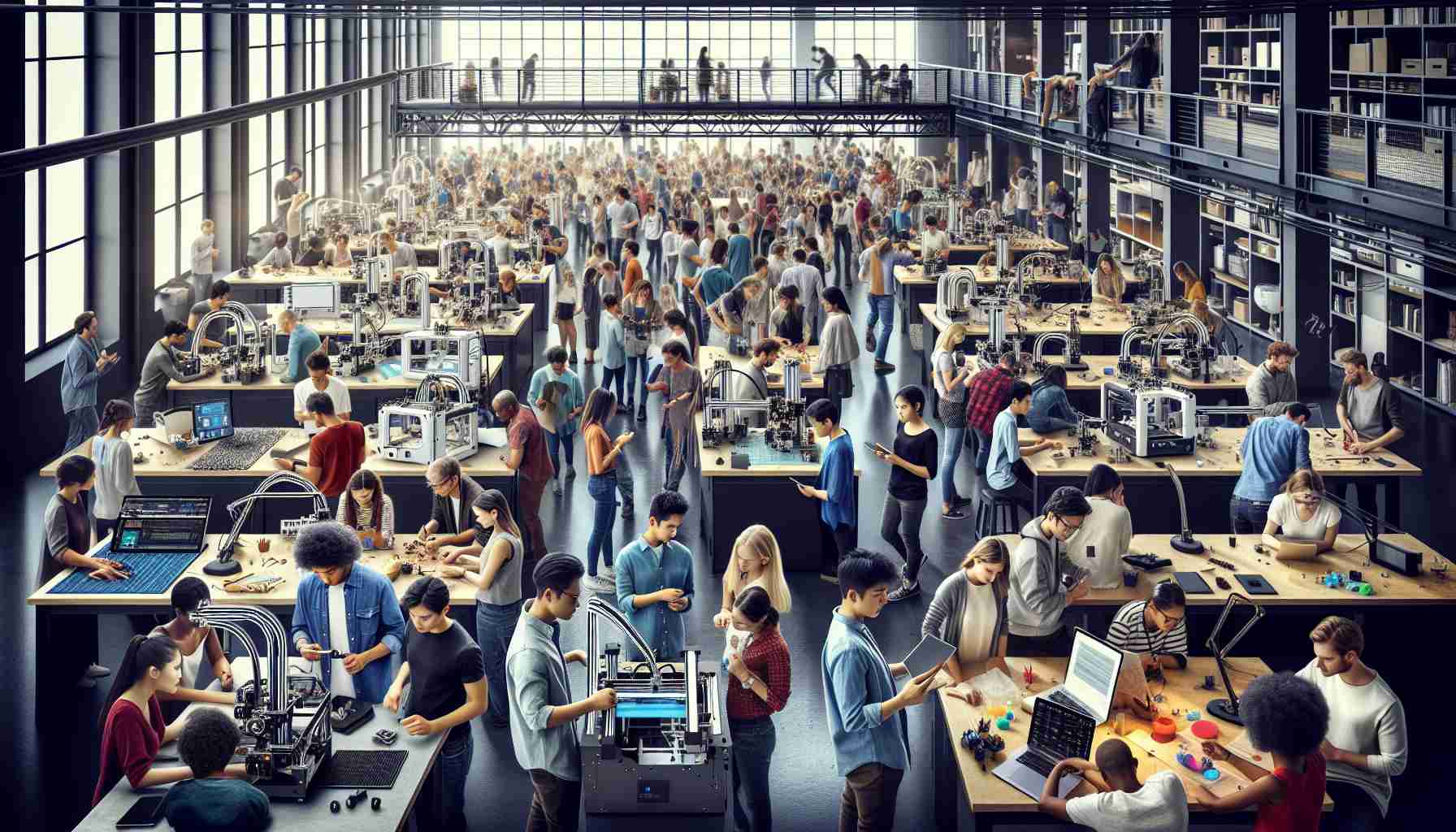
The significance of hands-on learning environments, such as makerspaces, cannot be overstated. These collaborative spaces are designed to promote innovation by providing students with access to tools and technologies that facilitate experimentation and creativity. For instance, makerspaces often feature equipment like 3D printers, laser cutters, and other advanced fabrication tools, allowing students to explore their ideas in a supportive setting. Research has shown that such environments enhance students’ problem-solving abilities, critical thinking, and collaboration skills, all of which are essential for success in today’s rapidly evolving job market.
Moreover, the role of makerspaces extends beyond mere access to technology; they serve as incubators for entrepreneurial thinking. By encouraging students to work on real-world projects, these spaces help bridge the gap between theoretical knowledge and practical application. Students learn to navigate challenges, iterate on their designs, and ultimately bring their concepts to fruition. This experiential learning approach is particularly beneficial in fields such as engineering, design, and technology, where hands-on experience is vital for career readiness.
The growing trend of supporting student innovation is also reflected in various funding initiatives across universities. For example, Penn State Berks recently secured a grant aimed at promoting equity in STEM fields, specifically targeting underrepresented students. This initiative highlights the importance of inclusivity in innovation programs, ensuring that all students have access to opportunities that can significantly impact their career trajectories. Similarly, the United Negro College Fund (UNCF) has been actively hosting competitions and providing resources to empower student entrepreneurs from historically Black colleges and universities (HBCUs), further emphasizing the need for diverse voices in the entrepreneurial landscape.
As universities continue to invest in these innovation initiatives, the impact on students’ educational experiences and career preparedness becomes increasingly evident. By fostering a culture of creativity and experimentation, institutions are not only enhancing the learning environment but also equipping students with the skills necessary to thrive in a competitive job market. The integration of hands-on learning, access to advanced technologies, and support for entrepreneurial endeavors is paving the way for a new generation of innovators who are ready to tackle the challenges of tomorrow.
Case Western Reserve University’s Welcome Fund: A Case Study
Case Western Reserve University’s Welcome Fund initiative at Sears think[box] represents a significant step forward in fostering student creativity and innovation. Launched on October 2, 2024, this initiative provides first-time users with up to $50 in free stock materials, enabling them to explore a variety of advanced tools and technologies, including laser cutters, 3D printers, and water jets. The primary objective of the Welcome Fund is to encourage hands-on learning and experimentation among students, allowing them to bring their creative ideas to life without the financial burden of material costs.
The resources available through the Welcome Fund are designed to enhance the educational experience for students at Case Western. By providing access to state-of-the-art equipment and materials, the initiative not only supports individual projects but also promotes a culture of innovation within the university. Students can visit Sears think[box], mention the “Welcome Fund” at checkout, and utilize these resources to develop their projects. This straightforward process ensures that students can easily take advantage of the fund, fostering an environment where creativity can flourish.
Testimonials from students who have utilized the Welcome Fund highlight its transformative impact on their projects. For instance, one student shared how the fund allowed them to experiment with a 3D printer for the first time, leading to the successful creation of a prototype for a sustainable product. Another student expressed gratitude for the opportunity to access high-quality materials, which enabled them to explore complex design concepts that would have otherwise been out of reach. These personal accounts underscore the importance of such funding initiatives in empowering students to push the boundaries of their creativity and explore innovative solutions.
The broader implications of the Welcome Fund extend beyond individual projects. By providing financial support for materials, Case Western Reserve University is actively promoting student engagement and creativity. This initiative aligns with a growing trend among universities to invest in student innovation and entrepreneurship, recognizing the critical role that hands-on learning plays in preparing students for future careers. As students engage with advanced technologies and materials, they develop essential skills that are increasingly valuable in today’s job market.
Moreover, the Welcome Fund serves as a catalyst for collaboration among students from diverse disciplines. By working together on projects, students can share ideas, learn from one another, and develop a sense of community within the makerspace. This collaborative environment not only enhances the learning experience but also fosters a culture of innovation that can lead to groundbreaking ideas and solutions.
In conclusion, the Welcome Fund initiative at Sears think[box] exemplifies how targeted funding can significantly enhance student engagement and creativity. By providing access to essential resources, Case Western Reserve University is empowering students to explore their ideas and develop their skills in a supportive environment. As more universities adopt similar initiatives, the potential for student innovation and entrepreneurship will continue to grow, ultimately benefiting both the students and the broader community.
Equity in STEM: Addressing Barriers for Underrepresented Students
The recent $400,000 grant awarded to Penn State Berks by the U.S. National Science Foundation (NSF) marks a significant step towards promoting equity in STEM fields, particularly for underrepresented students. This initiative, led by Professor Sadan Kulturel-Konak and a collaborative team from Penn State Berks and North Carolina Agricultural and Technical State University, aims to dismantle the barriers that hinder these students from participating in innovation competitions and programs.
Underrepresented students in STEM often face a myriad of challenges that can impede their access to valuable extracurricular opportunities. These barriers can include socioeconomic factors, lack of mentorship, and insufficient exposure to innovation-related activities. For instance, students from minority backgrounds or those with disabilities may not have the same access to resources or networks that facilitate participation in STEM initiatives. The grant seeks to identify these specific barriers and develop strategies to mitigate them, ensuring that all students have equitable access to opportunities that can enhance their career readiness and skill development.
The importance of inclusivity in fostering a diverse pool of innovators and entrepreneurs cannot be overstated. Diverse teams are known to drive innovation, as they bring a variety of perspectives and experiences to problem-solving. By creating an environment where underrepresented students can thrive, universities not only contribute to the individual success of these students but also enrich the broader innovation landscape. This aligns with the growing recognition that diversity is a key driver of creativity and economic growth.
To illustrate effective strategies for promoting inclusivity, we can look at successful initiatives from other institutions. For example, the United Negro College Fund (UNCF) recently hosted a pitching competition for student entrepreneurs from historically Black colleges and universities (HBCUs), awarding over $32,000 in venture capital. This event not only provided financial support but also fostered a sense of community and collaboration among participants, highlighting the importance of mentorship and networking in the entrepreneurial journey. Similarly, Georgia Tech’s AI Makerspace initiative democratizes access to advanced technology, allowing students from various disciplines to engage with artificial intelligence resources, thereby promoting interdisciplinary collaboration and innovation.
Moreover, the role of makerspaces in higher education has emerged as a powerful tool for fostering hands-on learning and creativity. These collaborative environments provide students with access to cutting-edge tools and resources, enabling them to experiment and innovate in a supportive setting. Research has shown that makerspaces can enhance students’ problem-solving skills, critical thinking, and collaboration—essential competencies for success in STEM fields. By integrating makerspaces into their curricula, universities can create pathways for underrepresented students to engage in meaningful projects that build their confidence and skills.
The Penn State Berks initiative, with its focus on understanding and addressing barriers to participation, represents a proactive approach to fostering equity in STEM. By engaging a diverse range of stakeholders, including academics and industry partners, the project aims to create a comprehensive framework that not only identifies challenges but also tests innovative strategies to enhance participation. This collaborative effort underscores the importance of community involvement in driving systemic change within educational institutions.
As universities continue to explore ways to promote equity in STEM, the lessons learned from initiatives like the one at Penn State Berks can serve as a model for other institutions. By prioritizing inclusivity and actively working to dismantle barriers, universities can cultivate a new generation of innovators and entrepreneurs who reflect the diversity of our society. This not only benefits the students involved but also enriches the fields of science, technology, engineering, and mathematics, ultimately contributing to a more equitable and innovative future.
The Role of Makerspaces in Higher Education
Makerspaces have emerged as transformative environments within higher education, fostering creativity, collaboration, and hands-on learning among students. These innovative spaces provide access to advanced tools and technologies, enabling students to engage in practical projects that enhance their educational experience. For instance, Georgia Tech’s AI Makerspace exemplifies this trend by offering students cutting-edge resources to explore artificial intelligence. This facility, powered by NVIDIA technology, allows students to conduct complex computations and develop AI applications, preparing them for careers in a rapidly evolving field. The emphasis on interdisciplinary collaboration within the AI Makerspace encourages students from various disciplines to work together, thereby broadening their understanding of AI’s applications beyond traditional computing.
Similarly, the FUSE Studio in Finland serves as a prime example of how makerspaces can cultivate innovation skills among students. Research conducted in this environment highlights the importance of collective practices in fostering creativity. Students engage in joint actions to innovate, navigate resources, and sustain their projects, all of which are essential for developing problem-solving and critical thinking skills. The collaborative nature of the FUSE Studio not only enhances individual learning but also builds a community of innovators who support one another in overcoming challenges.
The benefits of makerspaces extend beyond technical skills; they also play a crucial role in developing essential soft skills such as teamwork and communication. In these collaborative settings, students learn to articulate their ideas, provide constructive feedback, and work towards common goals. This experiential learning approach mirrors real-world scenarios where professionals must collaborate across disciplines to solve complex problems. For example, students at Georgia Tech are not only learning about AI technologies but are also gaining experience in project management and teamwork, which are vital skills in any career.
Moreover, makerspaces contribute to a culture of experimentation and risk-taking. By providing a safe space for students to test their ideas and learn from failures, these environments encourage a mindset of innovation. The hands-on nature of projects allows students to iterate on their designs, fostering resilience and adaptability—qualities that are increasingly important in today’s job market. The Welcome Fund initiative at Case Western Reserve University’s Sears think[box] further exemplifies this commitment to innovation by providing students with financial support for materials, thus lowering barriers to entry for those looking to explore their creative ideas.
In addition to enhancing individual skills, makerspaces also promote inclusivity in education. Initiatives like the grant received by Penn State Berks aim to address barriers faced by underrepresented students in STEM fields, ensuring that all students have access to the resources and opportunities necessary for innovation. By fostering an inclusive environment, makerspaces can help bridge the gap in participation among diverse student populations, ultimately enriching the educational landscape.
As universities continue to recognize the value of makerspaces, the integration of these collaborative environments into curricula will likely expand. The focus on hands-on learning, creativity, and innovation aligns with the evolving demands of the workforce, where employers increasingly seek graduates who can think critically and work collaboratively. By investing in makerspaces, institutions are not only enhancing the educational experience but also preparing students to tackle real-world challenges in their respective fields. The future of higher education may very well hinge on the continued development and support of these dynamic spaces, which serve as incubators for the next generation of innovators and problem solvers.
Trends in Student Entrepreneurship and Startup Culture
The landscape of student entrepreneurship and startup culture is rapidly evolving, with universities increasingly recognizing the importance of fostering innovation among their students. Initiatives like the United Negro College Fund’s (UNCF) Innovate for Impact Pitch Competition exemplify this trend, providing a platform for students from historically Black colleges and universities (HBCUs) to showcase their entrepreneurial ideas. The recent competition awarded over $32,000 in venture capital to student entrepreneurs, highlighting the potential of young innovators to address pressing societal issues through their ventures. This kind of support not only empowers students but also cultivates a sense of community and collaboration among aspiring entrepreneurs.
Similarly, the entrepreneurial spirit is being nurtured at the high school level, as demonstrated by the successful launch of student-run businesses at Martinsville High School. Through the Students Exploring Meaning Impact (SEMI) internship program, students have gained hands-on experience in entrepreneurship by creating businesses like Stitchify, a custom T-shirt company, and The Kennel, a convenience store for teachers. This initiative emphasizes the importance of practical experience in developing essential skills such as resource management, product design, and business operations. By allowing students to run these businesses independently, the program fosters a sense of ownership and accountability, preparing them for future career challenges.
The significance of such initiatives cannot be overstated. Engaging students in entrepreneurial activities equips them with critical skills that enhance their career readiness. Research indicates that students who participate in innovation competitions and entrepreneurial projects are more likely to develop problem-solving abilities, creativity, and resilience—qualities that are highly valued in today’s job market. Moreover, these experiences can lead to increased confidence and a greater willingness to take risks, which are essential traits for successful entrepreneurs.
Universities play a crucial role in supporting student-led ventures and fostering a culture of innovation on campus. By providing resources such as makerspaces, funding opportunities, and mentorship programs, institutions can create an environment conducive to entrepreneurial exploration. For instance, Case Western Reserve University’s Sears think[box] offers students access to advanced tools and materials, enabling them to bring their ideas to life without the financial burden of material costs. Such initiatives not only enhance the educational experience but also encourage students to experiment and innovate.
Furthermore, collaborations between universities and industry partners can amplify these efforts. For example, partnerships like the one between Georgia Tech and NVIDIA in launching an AI Makerspace provide students with access to cutting-edge technology and resources, preparing them for careers in rapidly evolving fields. By integrating real-world applications into the curriculum, universities can ensure that students are not only learning theoretical concepts but also applying them in practical settings.
As the trend of student entrepreneurship continues to grow, it is essential for universities to remain proactive in creating opportunities for students to engage in entrepreneurial activities. By investing in programs that support innovation and collaboration, institutions can help cultivate the next generation of entrepreneurs who are equipped to tackle the challenges of tomorrow. The impact of these experiences extends beyond individual career readiness; they contribute to a vibrant ecosystem of innovation that can drive economic growth and social change.
Reference:
Sears think[box] Offers $50 Welcome Fund for Student Projects
Penn State Berks Faculty Secures Grant to Promote Equity in STEM for Underrepresented Students
UNCF Hosts Pitching Competition for HBCU Student Entrepreneurs, Awarding Over $32,000
Learning to Innovate: Collective Practices in a Primary School Makerspace
Georgia Tech Launches Innovative AI Makerspace for Student Learning
Understanding Mechanical Engineering at Michigan Technological University
UC San Diego’s Innovative Electrical Engineering Curriculum Receives National Recognition
Martinsville High School Students Launch Successful Business Ventures
Purdue University Achieves Record-Breaking Milestones in Fiscal Year 2024
HeyGears Launches UltraCraft Reflex RS: A New Era in 3D Printing