
Introduction: The Role of University Leadership in Times of Crisis
In his mid-semester message delivered on October 2, 2024, Ohio State University (2027 USNews Ranking: 44) President Walter “Ted” Carter Jr. addressed the university community amidst the backdrop of ongoing global conflicts, particularly the Israel-Hamas war, which marked its one-year anniversary. This conflict has not only resulted in significant loss of life but has also reverberated through university campuses, affecting students, faculty, and staff in profound ways. President Carter’s communication serves as a crucial reminder of the role that leadership plays in fostering a sense of community and resilience during times of crisis.
The impact of international events on university dynamics cannot be overstated. As institutions of higher learning, universities are microcosms of society, reflecting the diverse perspectives and experiences of their members. The Israel-Hamas war, like many global conflicts, has led to heightened emotions, polarized opinions, and, in some cases, tensions among students and faculty. In this context, President Carter’s emphasis on mutual care and respect is particularly significant. It underscores the need for a supportive environment where individuals can engage in constructive dialogue, share their experiences, and seek understanding, rather than division.
Moreover, the psychological toll of such conflicts on university communities is substantial. Students and faculty may experience anxiety, stress, and feelings of helplessness as they grapple with the realities of violence and injustice occurring far from their campus. President Carter’s call to utilize health and well-being resources available at Ohio State is a vital step in addressing these challenges. Universities must prioritize mental health support, ensuring that students and staff have access to counseling, workshops, and peer support systems that can help them navigate their emotional responses to global events.
The need for effective communication from university leadership during crises extends beyond mere acknowledgment of the situation. It involves actively fostering an inclusive atmosphere where all voices are heard and respected. This is particularly important in the context of the Israel-Hamas conflict, where differing perspectives can lead to misunderstandings and conflict within the campus community. By promoting open dialogue and encouraging empathy, university leaders can help mitigate tensions and foster a culture of understanding.
As we reflect on President Carter’s message, it becomes clear that the implications of global conflicts extend far beyond the immediate impact on those directly involved. They shape the dynamics of university life, influencing everything from classroom discussions to campus events. The need for mutual care and respect is not just a response to current events; it is a foundational principle that can guide university communities through any crisis.
In the coming sections, we will explore the broader implications of such global conflicts on university dynamics, examining how they affect student and faculty well-being, the effectiveness of safety measures, and the importance of health and wellness resources in higher education. The ongoing Israel-Hamas war serves as a poignant reminder of the interconnectedness of our world and the responsibility that universities have in nurturing a supportive and resilient community.
Impact of Global Conflicts on University Communities
The ongoing Israel-Hamas war has had profound implications not only for the geopolitical landscape but also for the well-being of students and faculty at universities across the United States. As President Walter Carter of Ohio State University noted in his recent mid-semester message, the conflict has deeply affected many within the university community, highlighting the need for mutual care and respect during these challenging times. The psychological and social impacts of such international events can be significant, particularly for students and faculty who may feel directly or indirectly connected to the conflict.
A recent study published in Scientific Reports examined the perceptions of Western values among Palestinian university students following the 2023 Gaza War. The findings revealed a notable shift in attitudes, with many students expressing skepticism towards Western ideals of democracy and human rights, which they previously viewed as superior. This disillusionment was largely attributed to perceived double standards in Western responses to the Israeli occupation, leading to a decline in admiration for these values. Such sentiments can resonate within university communities, where students from diverse backgrounds may grapple with their identities and beliefs in light of global events. The psychological toll of feeling marginalized or misunderstood can exacerbate stress and anxiety, particularly among those who identify with affected populations.
The implications of these geopolitical events extend beyond individual mental health; they can also disrupt campus dynamics. Universities are microcosms of society, and the presence of differing opinions and experiences can lead to tensions among students and faculty. The need for supportive environments becomes paramount in fostering resilience and understanding within these communities. Institutions must prioritize mental health resources and create spaces for open dialogue, allowing individuals to express their feelings and experiences related to the conflict. This is particularly crucial in urban universities, where the diversity of the student body can lead to a rich exchange of ideas but also to potential conflicts.
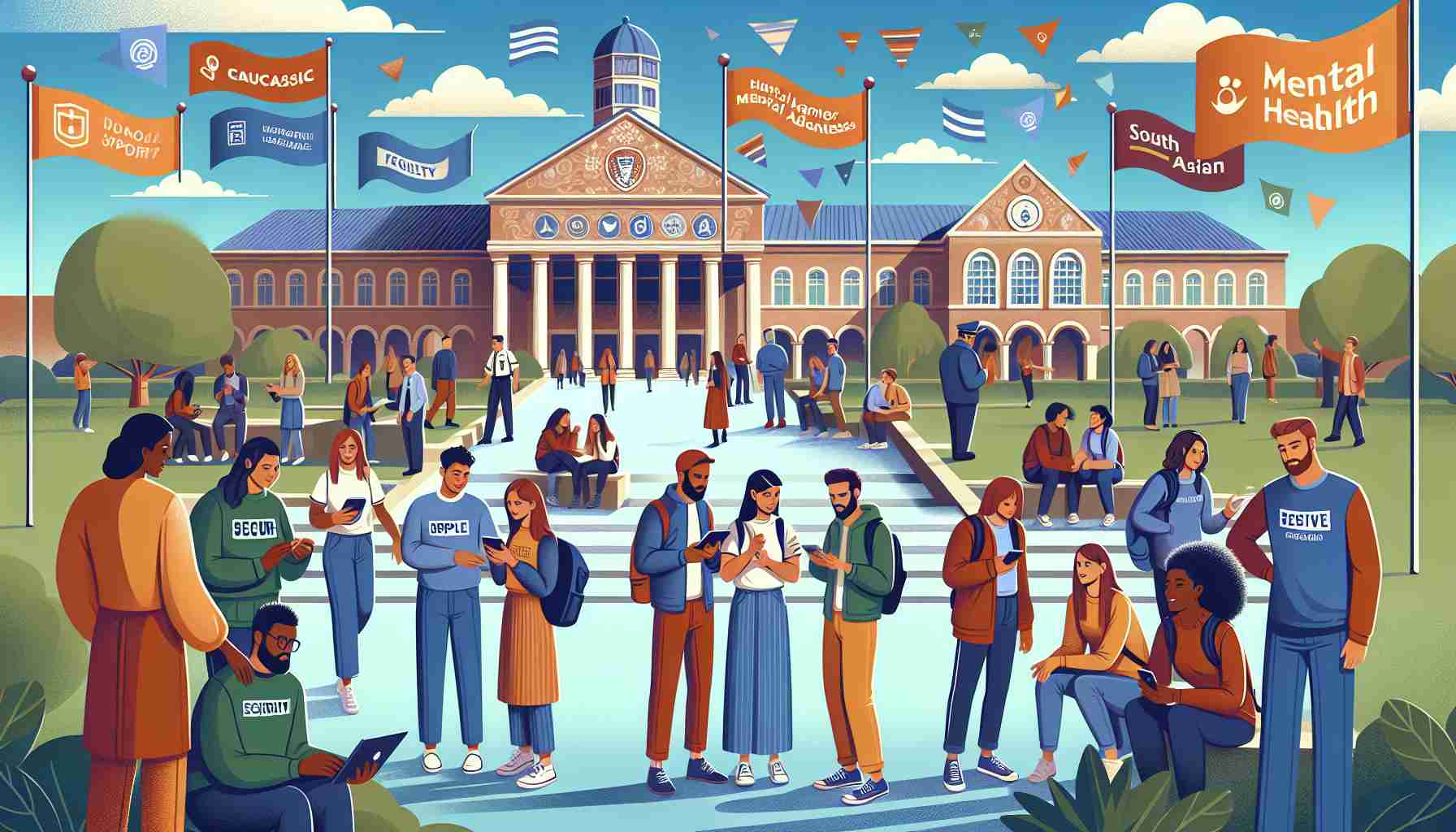
Moreover, the importance of mental health resources cannot be overstated. As highlighted by various studies, including those from the University of Colorado Boulder, mental health issues such as stress, anxiety, and depression are prevalent among college students, often exacerbated by external pressures, including global conflicts. Universities must ensure that students and faculty have access to counseling services, peer support programs, and wellness initiatives that address the unique challenges posed by such crises. By fostering a culture of care and support, universities can help mitigate the adverse effects of geopolitical events on their communities.
In addition to mental health resources, universities should also consider implementing educational programs that promote cultural competency and awareness. These initiatives can help students and faculty better understand the complexities of international conflicts and their implications for individuals from different backgrounds. By encouraging empathy and critical thinking, universities can cultivate a more inclusive environment that respects diverse perspectives while promoting constructive dialogue.
The psychological and social impacts of the Israel-Hamas war on university communities underscore the need for proactive measures to support students and faculty. As institutions navigate these challenging times, they must prioritize mental health resources, foster open dialogue, and promote cultural understanding. By doing so, universities can create supportive environments that not only address the immediate challenges posed by global conflicts but also empower their communities to thrive in an increasingly interconnected world.
University Safety Measures: Addressing Crime Trends in Urban Settings
The recent mid-semester message from Ohio State University President Walter Carter Jr. has brought to light the university’s ongoing commitment to enhancing campus safety amid rising concerns over crime trends in urban settings. The issuance of Buckeye Alerts, which serve as immediate notifications to the university community regarding safety threats, underscores the institution’s proactive approach to emergency management. These alerts are part of a broader strategy that includes collaboration with local law enforcement agencies, such as the Columbus Division of Police, to bolster security measures on campus.
The effectiveness of safety protocols in urban universities like Ohio State is increasingly reliant on technology. The integration of closed-circuit television (CCTV) systems has become a common practice aimed at deterring crime and enhancing public safety. Research indicates that while CCTV can play a role in crime reduction, its effectiveness is often debated. For instance, studies have shown that while CCTV can help solve specific crimes, its overall impact on crime rates may be limited, with some analyses suggesting that it contributes to only a small percentage of crime resolution. This raises important questions about the balance between safety and privacy, as the presence of surveillance cameras can lead to concerns over civil liberties and the potential for misuse of data.
Moreover, the implementation of technology in safety protocols must be approached with caution. The ‘halo effect’—whereby crime may simply be displaced to areas without surveillance—highlights the need for a comprehensive strategy that goes beyond mere surveillance. It is essential for universities to ensure that their safety measures do not inadvertently create a false sense of security among students and staff. This can lead to complacency in personal safety practices, which could ultimately undermine the intended benefits of such technologies.
In light of these considerations, it is crucial for urban universities to adopt best practices that prioritize both safety and the preservation of civil liberties. This includes establishing clear guidelines for the use of surveillance technology, ensuring transparency about its implementation, and involving the campus community in discussions about safety measures. Additionally, universities should provide training and resources that empower students and staff to respond effectively to emergencies, fostering a culture of preparedness rather than reliance on technology alone.
As Ohio State continues to navigate the complexities of campus safety in an urban environment, it is imperative that the university remains vigilant in its efforts to adapt and improve its safety protocols. By leveraging technology responsibly and engaging the community in safety initiatives, Ohio State can create a supportive environment that prioritizes the well-being of its students and staff while addressing the challenges posed by crime trends in major cities.
Health and Well-Being Resources: Supporting Mental Health in Higher Education
The mental health and wellness of students and staff at universities have become increasingly critical, especially in light of recent global conflicts and crises. As highlighted by Ohio State University President Walter Carter in his mid-semester message, the ongoing Israel-Hamas war has not only resulted in significant loss of life but has also deeply affected the university community. This context underscores the necessity for universities to prioritize mental health resources and support systems to help individuals navigate the emotional and psychological challenges that arise during such tumultuous times.
Universities are recognizing the importance of providing comprehensive mental health services to address the rising levels of stress, anxiety, and depression among students and staff. For instance, the University of Colorado Boulder has implemented various initiatives, including mental health workshops, peer wellness coaching, and free counseling services through its Counseling and Psychiatric Services (CAPS). These resources are designed to equip students with the tools they need to manage their mental health effectively, particularly during periods of heightened stress due to external events.
The impact of global conflicts on university communities cannot be overstated. Students and faculty often find themselves grappling with feelings of helplessness, fear, and uncertainty, which can exacerbate existing mental health issues. Research indicates that exposure to distressing news and events can lead to increased anxiety and depressive symptoms, particularly among young adults who are still developing their coping mechanisms. As such, universities must not only provide immediate mental health support but also foster an environment that encourages open discussions about mental health and well-being.
In addition to counseling services, universities are also exploring innovative approaches to support mental health. For example, the use of digital tools and apps, such as the WellTrack app mentioned by the University of Colorado Boulder, allows students to access self-guided support and resources at their convenience. This flexibility is particularly important in a fast-paced academic environment where students may struggle to find time for traditional counseling sessions. By integrating technology into mental health initiatives, universities can reach a broader audience and provide support that is accessible and user-friendly.
Moreover, the importance of community and peer support cannot be overlooked. Initiatives that promote peer-led discussions and wellness groups can create a sense of belonging and reduce feelings of isolation among students. These programs not only provide a platform for students to share their experiences but also help to destigmatize mental health issues, encouraging more individuals to seek help when needed.
As universities navigate the complexities of modern life, including the pressures of academic performance and the emotional toll of global events, it is essential that they remain vigilant in their commitment to mental health. This includes not only providing resources but also actively promoting a culture of care and respect within the campus community. By prioritizing mental health as a fundamental aspect of overall well-being, universities can better support their students and staff, fostering resilience and a sense of hope even in the face of adversity.
In conclusion, the ongoing global conflicts serve as a stark reminder of the importance of mental health resources in higher education. As universities like Ohio State and the University of Colorado Boulder demonstrate, a proactive approach to mental health can significantly impact the well-being of students and staff, helping them to navigate the challenges of today’s world with greater resilience and support.
Innovation in Life Sciences: University Partnerships and Their Impact
The establishment of innovation centers and university partnerships plays a pivotal role in advancing research and development within the life sciences sector, particularly in addressing pressing public health challenges. A prime example of this is the recent launch of the Energy Advancement and Innovation Center (EAIC) at Ohio State University (OSU), which aims to foster collaboration among various stakeholders in the life sciences field. This initiative is not just about creating a physical space for research; it represents a strategic move to enhance the synergy between academia, industry, and community organizations.
The EAIC is set to host notable tenants such as Pelotonia and Ohio Life Sciences, both of which are integral to the advancement of cancer research and the broader life sciences industry in Ohio. Pelotonia, a community-driven organization, has raised over $300 million since its inception to support innovative cancer research at the OSU Comprehensive Cancer Center. The proximity of Pelotonia to the EAIC is expected to catalyze new partnerships and accelerate scientific advancements, particularly in cancer treatment and prevention. Joe Apgar, CEO of Pelotonia, emphasized that relocating their headquarters to the innovation district aligns with their mission to invest in impactful research, highlighting the importance of collaboration in driving forward scientific breakthroughs.
Ohio Life Sciences, representing over 4,300 establishments across the state, will also establish its Life Sciences Industry Hub and Training Center within the EAIC. This hub is designed to raise awareness of the life sciences industry’s role in economic growth and the development of life-changing treatments. Eddie Pauline, president and CEO of Ohio Life Sciences, expressed enthusiasm about strengthening connections among members and promoting Ohio’s capabilities in the life sciences sector. This initiative underscores the critical need for a cohesive ecosystem that supports innovation and research, particularly in a state that is becoming increasingly recognized for its contributions to the life sciences.
The importance of fostering innovation in the life sciences cannot be overstated, especially in the context of ongoing global health crises. The COVID-19 pandemic has highlighted vulnerabilities in public health systems and the urgent need for innovative solutions to combat infectious diseases and other health challenges. By creating environments that encourage collaboration among researchers, industry leaders, and public health organizations, universities like OSU are positioning themselves as key players in the fight against these challenges.
Moreover, the collaboration between OSU and organizations like Pelotonia exemplifies how university partnerships can lead to significant advancements in research. The integration of community-driven initiatives with academic research not only enhances the quality of scientific inquiry but also ensures that research outcomes are aligned with the needs of the community. This model of collaboration is essential for addressing complex health issues that require multifaceted approaches and diverse expertise.
As the life sciences sector continues to evolve, the role of innovation centers and university partnerships will be crucial in shaping the future of public health. By fostering an environment that encourages collaboration, universities can drive forward research that not only addresses current health challenges but also anticipates future needs. The initiatives at Ohio State University serve as a compelling example of how strategic partnerships can lead to meaningful advancements in the life sciences, ultimately benefiting public health and well-being.
Reference:
Mid-Semester Message from Ohio State President Walter Carter
Perceptions of Western Values Among Palestinian University Students Post-2023 Gaza War
Timeline of Key Events in the Israel-Arab and Israeli-Palestinian Conflict
Experts Predict a Tech-Driven ‘New Normal’ by 2025 with Significant Challenges
The Effect of CCTV on Public Safety: A Comprehensive Research Review
Top Health Concerns for College Students and Solutions
Prioritizing the Mental Health and Well-Being of Healthcare Workers: An Urgent Global Public Health Priority
Exploring the Link Between Lifestyle Patterns and Depression in Diabetic Individuals
Dietary Inflammatory Index and Its Association with Health Outcomes: An Umbrella Review
Pelotonia and Ohio Life Sciences Establish Headquarters in New Energy Advancement and Innovation Center
Vanderbilt University Hosts Life Science Showcase to Address Infectious Disease Challenges