
Introduction to Innovative Educational Approaches in Video Game Design
At the University of Illinois Urbana-Champaign, a groundbreaking course titled “World Building” is redefining the educational landscape for aspiring video game designers. This innovative initiative integrates real-world biological concepts into the creative process, allowing students to draw inspiration from nature, particularly the diverse insect collection housed at the Illinois Natural History Survey. By merging scientific inquiry with artistic expression, the course not only enhances students’ design skills but also cultivates a deeper understanding of the natural world, fostering a sense of creativity that is essential in the rapidly evolving field of video game design.
The significance of this interdisciplinary approach cannot be overstated. In an era where the boundaries between art and science are increasingly blurred, the “World Building” class exemplifies how integrating biological principles into creative disciplines can lead to richer, more imaginative outcomes. Students are tasked with designing creatures and environments for a fictional alien planet, using real-life biological examples as a foundation for their creations. This method not only stimulates their imaginations but also encourages them to think critically about the ecological and biological implications of their designs, which is a vital skill in today’s environmentally conscious society.
Collaboration plays a pivotal role in this dynamic learning environment. The course is structured to mirror the collaborative nature of the video game industry, where teamwork and communication are essential for success. Students work together on various design prompts, exchanging ideas and feedback as they progress from initial sketches to full-color renderings. This collaborative framework not only enhances their artistic skills but also fosters a sense of community and shared vision among peers. As they engage in discussions about their individual contributions to the overall project, students learn the importance of collective effort in achieving a common goal.
Moreover, the involvement of faculty members, such as Michael Curtin, an innovation coordinator and former video game industry artist, enriches the learning experience. Curtin brings valuable insights from his professional background, guiding students through the intricacies of character and environment design. His collaboration with experts like Tommy McElrath, the insect collection manager, provides students with firsthand knowledge of biological diversity, further enhancing their creative processes. This synergy between students and faculty exemplifies how educational initiatives can thrive in an environment that values collaboration and interdisciplinary learning.
As students engage with real-world biological concepts, they not only hone their artistic talents but also develop a profound appreciation for the complexities of life forms. For instance, graphic design student Lily Choi’s creation of an abandoned mining camp, inspired by the insect presentations, demonstrates how the integration of natural elements can lead to compelling narratives and immersive environments. Similarly, Anna Fedczuk’s vibrant creature design showcases the potential of drawing from diverse species to create unique characters that resonate with players.
The “World Building” class at the University of Illinois Urbana-Champaign serves as a model for other institutions seeking to foster creativity through interdisciplinary education. By blending art, science, and technology, this course prepares students for future careers in the video game industry, equipping them with the skills necessary to navigate the complexities of modern design. As universities continue to explore innovative educational approaches, the success of this program highlights the importance of collaboration and real-world connections in enhancing student learning and creativity. This initiative not only enriches the educational experience but also sets the stage for a new generation of designers who are not only artists but also informed stewards of the natural world.
The Intersection of Art and Science in Game Design
The integration of natural biology and scientific principles into video game design represents a transformative approach to education, particularly evident in the “World Building” course at the University of Illinois Urbana-Champaign. In this class, students are encouraged to explore the rich diversity of biological specimens, especially insects, as sources of inspiration for their creative endeavors. This methodology fosters a unique synergy between art and science, allowing students to craft imaginative game elements that are not only visually captivating but also grounded in biological authenticity.
For instance, students like Anna Fedczuk, who designed a creature named “False Teeth,” draw from various species to create characters that feel alive and believable. By examining the characteristics of real insects, students can incorporate realistic features into their designs, enhancing the overall depth and engagement of their game worlds. This hands-on exploration of biology not only stimulates creative thinking but also imbues students with a sense of responsibility toward ecological awareness, an increasingly vital consideration in today’s gaming landscape.
Moreover, the course emphasizes the importance of experiential learning, a principle that is echoed in other innovative educational initiatives, such as those at Cal Poly Humboldt. Their interdisciplinary programs merge arts and sciences, promoting a holistic understanding of complex issues. For example, students in Humboldt’s scientific illustration internship learn to blend artistic skills with biological sciences, reinforcing the idea that creativity flourishes at the intersection of diverse fields. This approach mirrors the “World Building” class, where the application of biological concepts enhances both artistic expression and scientific literacy.
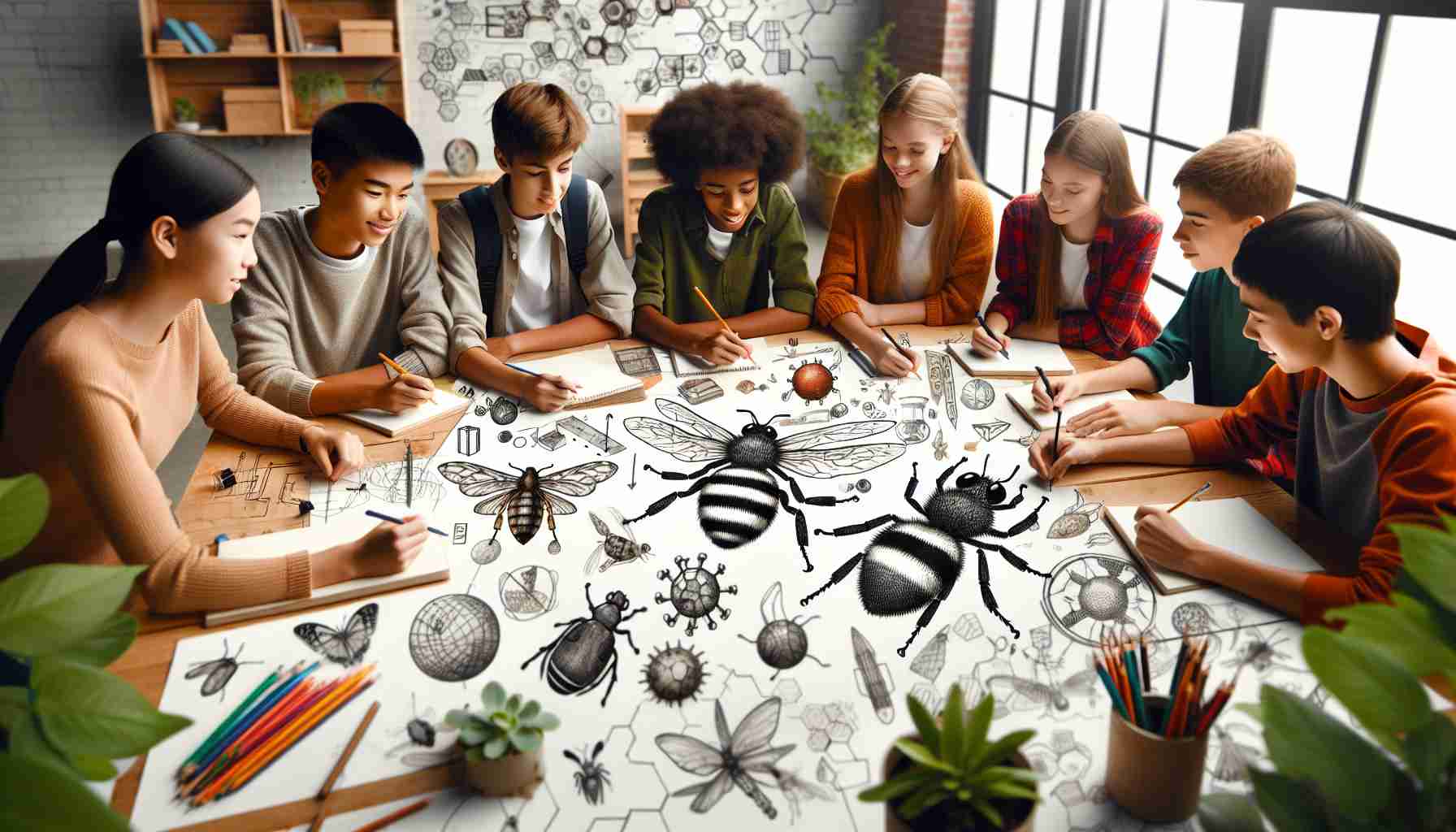
Experiential learning is crucial for fostering creativity and innovation in students. By engaging directly with biological specimens, students are not merely passive recipients of knowledge; they become active participants in a creative process that encourages experimentation and collaboration. The “World Building” course exemplifies this, as students progress from initial sketches to detailed designs, sharing feedback and ideas throughout the process. This collaborative environment reflects real-world dynamics in the video game industry, where teamwork is essential for developing successful projects.
Additionally, the course’s structure allows for continuous iteration and refinement of ideas, mirroring the iterative nature of game design itself. As students present their designs and receive critiques from peers and instructors alike, they learn to adapt and evolve their concepts in response to feedback. This practice not only enhances their technical skills but also cultivates resilience and adaptability—traits that are invaluable in any creative profession.
The integration of natural biology into video game design is not confined to the University of Illinois; it resonates with broader trends in education that prioritize interdisciplinary learning. By examining how other institutions, like Cal Poly Humboldt, incorporate similar methodologies, we see a growing recognition of the value of experiential learning. Programs that bridge the gap between the arts and sciences not only enrich students’ educational experiences but also prepare them for the complexities of modern careers, particularly in fields like video game design.
In conclusion, the “World Building” course at the University of Illinois Urbana-Champaign exemplifies how integrating natural biology into video game design can enhance creativity and innovation. By fostering a collaborative and experiential learning environment, this initiative prepares students to navigate the challenges of the contemporary creative landscape. As educational institutions increasingly embrace interdisciplinary approaches, the potential for students to become not only skilled designers but also informed stewards of the natural world becomes a reality. This model serves as a beacon for future educational initiatives, encouraging a deeper exploration of the connections between art, science, and technology in the pursuit of creative excellence.
The Role of Collaboration in Creative Education
The importance of collaboration in education, particularly within creative fields, cannot be overstated. In the “World Building” class at the University of Illinois Urbana-Champaign, students engage in collaborative projects that closely mirror the teamwork dynamics found in the video game industry. This structure not only prepares them for real-world scenarios but also enhances their creative processes. As students work together to design characters, environments, and narratives, they learn to communicate effectively, share ideas, and provide constructive feedback—skills that are essential in any collaborative endeavor.
Research supports the notion that collaboration can significantly enhance creative outcomes. A study published in Scientific Reports highlights the benefits of co-creation and self-efficacy in human-AI collaboration. It reveals that individuals who engage as co-creators with AI systems, rather than simply editing AI-generated content, experience increased creativity and confidence in their creative abilities. This finding is particularly relevant in the context of the “World Building” course, where students are encouraged to view their designs as part of a collective vision, thereby fostering a sense of ownership and responsibility towards the final product.
Moreover, the integration of technology in collaborative projects opens new avenues for creativity. The course encourages students to explore how AI tools can assist in the design process, allowing for a more dynamic interplay between human creativity and technological capabilities. For instance, students can use AI to generate initial design ideas or to simulate environments, which they can then refine and adapt based on their artistic vision. This approach not only enhances their technical skills but also emphasizes the importance of human agency in the creative process, reinforcing the idea that technology should serve as a collaborator rather than a replacement for human creativity.
In addition to fostering collaboration among peers, the “World Building” class also emphasizes the significance of student involvement in course design. This participatory approach is echoed in various innovative educational programs, such as those at Cal Poly Humboldt, where students actively contribute to shaping their learning experiences. By allowing students to influence the curriculum, educators can create a more engaging and relevant learning environment that caters to diverse interests and learning styles. This involvement not only empowers students but also cultivates a sense of community, as they work together to achieve common goals.
The collaborative nature of the “World Building” class also extends beyond the student cohort. Faculty members, like Michael Curtin, play a pivotal role in guiding students through the creative process, drawing on their industry experience to provide valuable insights. This mentorship fosters an environment where students feel supported in their exploration of ideas, encouraging them to take risks and push the boundaries of their creativity. The synergy between students and faculty exemplifies the transformative potential of collaborative learning, where shared knowledge and expertise lead to richer educational experiences.
Furthermore, the course’s structure mirrors the iterative nature of game design, where feedback and revision are integral to the creative process. As students present their designs and engage in peer critiques, they learn to adapt their ideas and incorporate suggestions, fostering a culture of continuous improvement. This practice not only sharpens their artistic skills but also instills resilience—an essential quality for anyone pursuing a career in the creative industries.
In conclusion, the collaborative framework established in the “World Building” course at the University of Illinois Urbana-Champaign serves as a powerful model for education in creative fields. By emphasizing teamwork, communication, and the integration of technology, this initiative prepares students for the complexities of the modern creative landscape. The lessons learned through collaboration extend beyond the classroom, equipping students with the skills and confidence needed to thrive in their future careers. As educational institutions continue to embrace innovative teaching methods, the potential for students to become not only skilled artists but also effective collaborators and problem-solvers becomes increasingly attainable.
Career Preparation through Hands-on Learning in Creative Fields
Hands-on learning experiences are becoming increasingly vital in preparing students for careers in the dynamic field of video game design. The “World Building” class at the University of Illinois Urbana-Champaign exemplifies this approach, where students engage in experiential learning that bridges artistic creativity with scientific inquiry. By drawing inspiration from real-world biological concepts, particularly the rich diversity found in the insect collection at the Illinois Natural History Survey, students are not only enhancing their design skills but also developing a deeper appreciation for the complexities of nature as they create imaginative game elements.
This hands-on methodology mirrors successful programs at other institutions, such as Ohio University (2025 USNews Ranking: 179) ’s Digital Art + Technology (DAT) program and Lake Forest College’s experiential learning initiatives. At Ohio University, the DAT program emphasizes the integration of art and technology, allowing students to explore digital art creation and fabrication through hands-on projects. Students learn to utilize industry-standard software and tools, preparing them for a variety of careers in digital art and design. This program highlights the importance of adapting to technological advancements, ensuring that students are equipped with relevant skills for the evolving job market.
Similarly, Lake Forest College has prioritized experiential learning across its curriculum, providing opportunities for students to engage in internships, research projects, and collaborative artistic endeavors. This approach not only enhances student engagement but also significantly boosts employability. Research indicates that students who participate in internships are twice as likely to secure employment after graduation. By engaging in real-world experiences, students at Lake Forest College are better prepared to navigate the complexities of their chosen fields, which is particularly important in creative industries like video game design.
The growing importance of digital skills in the job market cannot be overlooked. As technology continues to advance, employers increasingly seek candidates who possess strong computer skills and can navigate various digital platforms. This trend is evident across multiple sectors, including IT, marketing, and creative industries. The ability to effectively utilize digital tools is no longer optional; it is a necessity for career success. Programs that emphasize hands-on learning, like those at Ohio University and Lake Forest College, equip students with the technical expertise required to thrive in this digital landscape.
Moreover, the experiential learning fostered in these programs encourages students to develop critical thinking and problem-solving skills. For instance, in the “World Building” class, students are tasked with creating designs for fictional creatures and environments, requiring them to think critically about ecological and biological implications. This process not only stimulates creativity but also cultivates a sense of responsibility toward environmental stewardship—an increasingly vital consideration in today’s gaming landscape.
As students engage in hands-on projects, they learn to collaborate effectively, mirroring the teamwork dynamics found in the video game industry. The collaborative nature of the “World Building” class, where students share ideas and provide feedback on each other’s designs, reflects real-world scenarios where successful projects are often the result of collective effort. This emphasis on collaboration not only enhances their artistic skills but also prepares them for the realities of working in a team-oriented environment.
In conclusion, the integration of hands-on learning experiences in creative programs like the “World Building” class at the University of Illinois Urbana-Champaign, Ohio University’s DAT program, and Lake Forest College’s initiatives is crucial for preparing students for careers in the rapidly evolving field of video game design. By fostering creativity, enhancing employability, and emphasizing the importance of digital skills, these programs equip students with the tools they need to succeed in an increasingly competitive job market. As educational institutions continue to embrace experiential learning, the potential for students to become innovative designers and informed stewards of the natural world becomes a tangible reality.
Conclusion: The Future of Interdisciplinary Education in Creative Disciplines
The future of interdisciplinary education in creative disciplines is bright, as demonstrated by innovative programs like the “World Building” class at the University of Illinois Urbana-Champaign. This course exemplifies the value of integrating art, science, and technology to foster creativity and prepare students for the workforce. By drawing inspiration from real-world biological concepts, students not only enhance their design skills but also cultivate a deeper understanding of the natural world, which is essential in today’s environmentally conscious society.
The positive outcomes of such interdisciplinary approaches are manifold. Students in the “World Building” class engage in hands-on learning experiences that mirror the collaborative dynamics of the video game industry. As they work together to create imaginative game elements, they develop essential skills in communication, teamwork, and critical thinking. This collaborative environment not only enriches their educational experience but also prepares them for the realities of working in creative fields, where the ability to engage with others and share ideas is crucial.
Moreover, the integration of natural biology into creative disciplines promotes a sense of responsibility towards ecological awareness. As students explore the intricacies of biological diversity, they learn to consider the ecological implications of their designs, fostering a holistic perspective that is increasingly important in the gaming industry. This awareness is vital for creating engaging and meaningful content that resonates with players and reflects contemporary societal values.
The success of the “World Building” course serves as a model for other institutions to follow. By adopting similar innovative teaching methods that blend art, science, and technology, educational programs can cultivate a new generation of designers who are not only skilled artists but also informed stewards of the natural world. This interdisciplinary approach not only enhances creativity but also prepares students for diverse career paths in rapidly evolving fields.
Looking ahead, the implications for the future of education in creative fields are significant. As digital tools and technologies continue to advance, the demand for graduates who possess both artistic talent and technical expertise will only grow. Institutions that prioritize experiential learning and interdisciplinary collaboration will be better positioned to equip students with the skills necessary to thrive in this dynamic landscape.
In conclusion, fostering creativity through interdisciplinary education is essential for preparing students for the challenges and opportunities of the future. By embracing innovative approaches that integrate art, science, and technology, educational institutions can cultivate a rich learning environment that inspires students to explore their creative potential and become leaders in their respective fields. The path forward is clear: as we continue to explore the intersections of diverse disciplines, the potential for growth and development in creative education will expand, paving the way for a more vibrant and innovative future.
Reference:
- Students at University of Illinois Explore ‘World Building’ in Video Games Class
- Cal Poly Humboldt: Bridging Arts and Science for Interdisciplinary Learning
- Ohio University’s Digital Art + Technology Program: Bridging Art and Technology
- Experiential Learning: Key to Student Success at Lake Forest College
- The Role of Co-Creation and Self-Efficacy in Human-AI Creative Collaboration