
Introduction: Addressing the Physical Therapist Shortage
The collaboration between Tufts University (2025 USNews Ranking: 37) School of Medicine (TUSM) and ATI Physical Therapy (ATI) marks a significant response to the growing demand for physical therapists in the United States. With projections indicating a staggering 27% increase in demand for physical therapy services by 2030, it’s clear that the healthcare landscape is evolving, and the need for highly trained professionals is more pressing than ever. This partnership not only aims to address the looming workforce shortages but also enhances access to Doctor of Physical Therapy (DPT) programs, thereby paving the way for aspiring physical therapists to enter the field.
In the current healthcare climate, where the aging population and increased prevalence of chronic conditions demand more comprehensive care, the role of physical therapists is becoming increasingly critical. These skilled professionals are essential for rehabilitation and recovery, helping patients regain mobility and improve their quality of life. However, the existing gap between the demand for physical therapy services and the available workforce is alarming. According to the American Physical Therapy Association, the shortage of physical therapists is already being felt across various settings, including hospitals, outpatient clinics, and rehabilitation centers.
The Tufts-ATI collaboration is particularly noteworthy for its innovative approach to tackling these challenges. By offering scholarships to up to 45 ATI employees each semester for enrollment in TUSM’s DPT programs, the initiative not only reduces financial barriers but also encourages a diverse range of candidates to pursue careers in physical therapy. This is crucial, especially considering that many first-generation college students and individuals from lower-income households often encounter significant hurdles in accessing higher education. By expanding educational opportunities, Tufts and ATI are taking meaningful steps toward creating a more inclusive and representative workforce.
Moreover, the hybrid curriculum that combines online coursework with in-person clinical sessions is a game-changer for those looking to balance education with work commitments. This flexible model caters to a broader array of students, including those who may be juggling family responsibilities or part-time jobs. It recognizes that the future of education lies in accommodating diverse learning styles and life situations, making it easier for aspiring physical therapists to gain the skills and knowledge they need.
The collaboration also emphasizes the importance of community service and clinical skills, which are integral to the training of physical therapists. By enhancing clinical rotation opportunities through ATI’s extensive network of over 850 outpatient clinics, TUSM is ensuring that students receive hands-on experience in real-world settings. This practical exposure is invaluable in preparing them to meet the needs of their future patients effectively.
As the healthcare sector continues to grapple with workforce shortages, initiatives like this one are crucial in shaping the future of physical therapy. By fostering partnerships between academic institutions and industry leaders, we can build a sustainable pipeline of skilled professionals ready to address the challenges of modern healthcare. The Tufts-ATI collaboration not only highlights the urgent need for increased educational access but also sets a precedent for similar partnerships across the healthcare landscape.
In conclusion, as the demand for physical therapy services rises, collaborations such as the one between Tufts University and ATI Physical Therapy are essential in addressing workforce shortages and enhancing educational access. By investing in the next generation of physical therapists, we are not only improving the quality of care available to patients but also ensuring that the healthcare workforce reflects the diversity and needs of the communities it serves. This is a vital step toward a healthier future for all.
Impact of Physical Therapy Workforce Shortages on Healthcare Access
The implications of the physical therapy workforce shortage extend far beyond the immediate challenges faced by healthcare providers; they resonate deeply within the broader healthcare access landscape. In New York, for instance, legislative efforts are underway to expand the scope of practice for physical therapists, a move that advocates argue is crucial for enhancing patient care. The American Physical Therapy Association (APTA) of New York is pushing for a bill that would allow physical therapists to treat patients without a referral for longer periods, thereby reducing wait times and promoting timely access to care. This is particularly important in a state where many residents struggle to secure appointments with primary care physicians due to overwhelming demand and limited availability.
The shortage of healthcare professionals, especially in primary care settings, exacerbates the challenges faced by underserved communities. These populations often experience higher rates of chronic illness and disability, yet they have limited access to essential services like physical therapy. The existing barriers, including geographic isolation, socioeconomic factors, and systemic inequities, only serve to deepen the disparities in health outcomes. As physical therapists are integral in managing conditions that require ongoing rehabilitation—such as post-surgical recovery, stroke rehabilitation, and chronic pain management—the lack of available providers can lead to prolonged suffering and decreased quality of life for many individuals.
Moreover, the shortage of physical therapists is not just a matter of numbers; it is also about the quality of care that patients receive. With fewer professionals available, those who are in practice may find themselves stretched thin, leading to longer wait times for appointments and potentially rushed consultations. This can compromise the quality of care, as therapists may not have sufficient time to develop personalized treatment plans tailored to each patient’s unique needs. In a healthcare landscape where patient-centered care is paramount, this is a concerning trend.
Legislative changes, such as those proposed in New York, represent a proactive approach to addressing these challenges. By allowing physical therapists greater autonomy in treating patients, the state could alleviate some of the burdens on primary care providers, ultimately enhancing the overall efficiency of the healthcare system. However, opposition from certain medical organizations raises valid concerns regarding the coordination of care and the potential risks associated with less oversight. Balancing these concerns with the pressing need for improved access to care is a complex challenge that requires thoughtful dialogue and collaboration among all stakeholders.
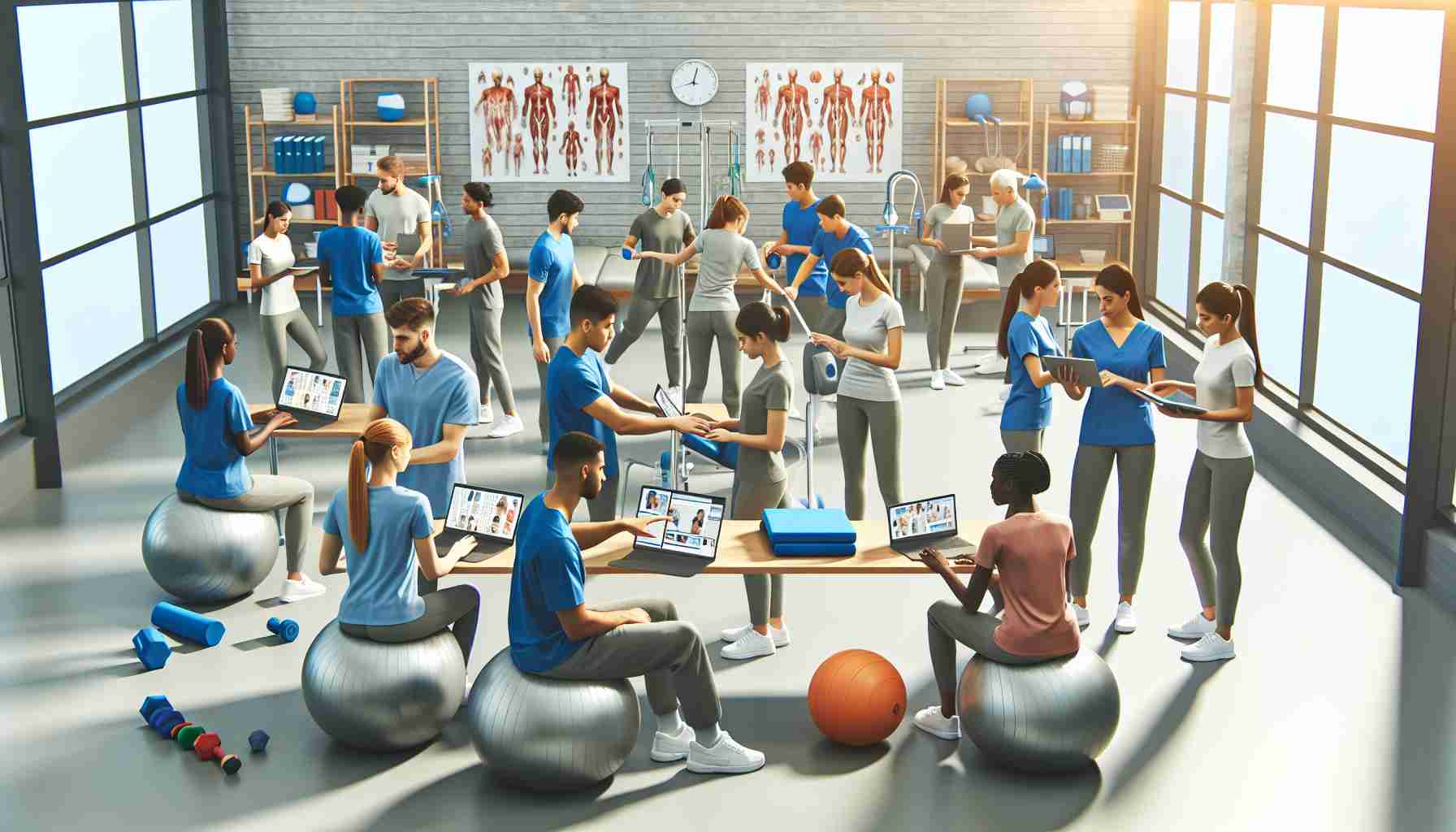
The disparities in healthcare access faced by underserved communities highlight the urgent need for innovative solutions. One potential avenue is the expansion of telehealth services, which have gained traction in recent years, particularly during the COVID-19 pandemic. Telehealth can bridge the gap in access to care, allowing patients in remote or underserved areas to connect with physical therapists and receive guidance without the need for travel. This model not only enhances accessibility but also promotes continuity of care, as patients can receive follow-up consultations and ongoing support from the comfort of their homes.
Furthermore, initiatives aimed at increasing the diversity of the physical therapy workforce are essential in addressing these disparities. Programs that focus on recruiting and training individuals from underrepresented backgrounds can help ensure that the healthcare workforce reflects the communities it serves. This is particularly important in physical therapy, where cultural competence and understanding of the unique challenges faced by diverse populations can significantly impact treatment outcomes. By fostering a more inclusive environment within DPT programs, educational institutions can cultivate a generation of practitioners who are better equipped to meet the needs of all patients.
In addition to legislative and educational reforms, community engagement plays a critical role in improving access to physical therapy services. Collaborations between healthcare providers, academic institutions, and community organizations can create pathways for residents to access care and education. For example, outreach programs that provide free workshops on injury prevention and wellness can empower individuals to take charge of their health while simultaneously raising awareness about the importance of physical therapy.
Ultimately, the physical therapy workforce shortage is a multifaceted issue that requires a comprehensive approach. By advocating for legislative changes, embracing innovative care delivery models, and prioritizing diversity and community engagement, we can begin to dismantle the barriers that prevent underserved populations from accessing the care they need. As we look to the future, it is crucial that we continue to explore and implement solutions that not only address workforce shortages but also promote health equity and improve outcomes for all individuals. The collaboration between Tufts University and ATI Physical Therapy serves as a promising model, demonstrating that when educational institutions and healthcare providers join forces, they can create meaningful change that resonates across the healthcare landscape.
Role of Scholarships in Expanding Access to Healthcare Education
Scholarships play a pivotal role in increasing access to healthcare education, particularly for underrepresented groups who often face significant financial barriers. The collaboration between Tufts University and ATI Physical Therapy exemplifies this commitment to expanding educational opportunities. By providing scholarships to aspiring physical therapists, this initiative not only alleviates the financial strain associated with pursuing a Doctor of Physical Therapy (DPT) degree but also encourages a diverse range of candidates to enter the field.
Financial support through scholarships is especially crucial for first-generation college students and individuals from lower-income households. These groups often encounter a myriad of challenges when navigating the higher education system, including limited access to resources, mentorship, and networks that can facilitate their academic journey. Scholarships can bridge these gaps, offering not just monetary assistance but also a sense of validation and encouragement. When students see that institutions are investing in their potential, it can inspire them to pursue careers they may have previously deemed unattainable.
The National Health Service Corps (NHSC) Scholarship Program is a prime example of how targeted financial support can make a difference. By providing scholarships to students in exchange for a commitment to serve in underserved areas, the NHSC addresses two critical issues: the need for healthcare professionals in high-need communities and the financial burdens that often deter students from pursuing careers in primary care. This model not only enhances access to education but also contributes to a more equitable healthcare system by ensuring that those who serve are representative of the populations they care for.
Local foundations, like the Jeannette L. Musgrave Foundation, are also stepping up to support healthcare education. Drury University’s recent $30,000 grant for nursing scholarships is a testament to the importance of community investment in developing the healthcare workforce. Such funding helps to alleviate the financial pressures faced by nursing students, enabling them to focus on their studies and clinical training rather than worrying about how to pay for their education. This kind of support is essential in regions where healthcare workforce shortages are acute, as it can lead to a more robust pipeline of skilled professionals ready to serve their communities.
Moreover, initiatives like Gold Coast Health’s $1.5 million scholarship program for behavioral health workers highlight the need to diversify the healthcare workforce. By prioritizing scholarships for individuals from marginalized backgrounds—such as first-generation college students, foster youth, and those with prior incarceration experiences—these programs are actively working to create a more inclusive healthcare environment. This not only benefits the students who receive the scholarships but also the communities they will serve, as diverse healthcare teams are better equipped to understand and address the unique needs of their patients.
Financial support through scholarships is not just about making education accessible; it’s about fostering a healthcare workforce that reflects the diversity of the population. Research shows that healthcare providers from underrepresented backgrounds are more likely to work in underserved communities and provide culturally competent care. By investing in the education of these individuals, scholarship programs can help dismantle the systemic barriers that have historically limited access to healthcare careers for many.
The impact of scholarships extends beyond individual students; it reverberates throughout the healthcare system. A more diverse and well-trained workforce can lead to improved patient outcomes, as healthcare providers who share similar backgrounds with their patients may be better able to communicate, empathize, and understand the social determinants of health that affect their communities. This is particularly important in fields like physical therapy, where patient-provider relationships are central to effective treatment and rehabilitation.
In conclusion, the importance of scholarships in expanding access to healthcare education cannot be overstated. By supporting students from diverse and underrepresented backgrounds, scholarship initiatives are not only making higher education more attainable but are also contributing to a more equitable and effective healthcare system. As we look to the future, continued investment in scholarships and financial support for aspiring healthcare professionals will be essential in addressing workforce shortages and improving access to care for all individuals, regardless of their socioeconomic status. The collaboration between Tufts University and ATI Physical Therapy serves as a shining example of how educational institutions and healthcare organizations can work together to create pathways for success, ultimately leading to a healthier and more inclusive society.
Hybrid Learning Models in Professional Healthcare Training
The rise of hybrid learning models in healthcare education is transforming the way aspiring professionals are trained, particularly in the context of the Tufts-ATI collaboration. This innovative partnership is a beacon of hope amidst the pressing demand for physical therapists, as it embraces a blended learning approach that combines online coursework with in-person clinical experiences. The beauty of this model lies in its flexibility, allowing students to tailor their education to fit their unique lifestyles and commitments while still receiving top-notch training.
Blended learning is not just a trend; it’s a necessary evolution in education, especially in fields like healthcare where practical skills are paramount. The hybrid curriculum offered through the Tufts-ATI collaboration is designed to meet the needs of a diverse student population, accommodating those who may be balancing work, family responsibilities, or other commitments. By integrating online courses with hands-on clinical sessions, the program ensures that students are not only gaining theoretical knowledge but also applying it in real-world scenarios. This dual approach enhances their learning experience and better prepares them for the challenges they will face as practicing physical therapists.
Moreover, the growing trend of hybrid education across various healthcare disciplines highlights its potential to address workforce shortages effectively. As the healthcare landscape evolves, so too must the educational pathways that lead to professional practice. The flexibility of hybrid models allows institutions to reach a wider audience, including non-traditional students who may have previously felt excluded from pursuing a career in healthcare. This inclusivity is crucial, particularly in a field where diversity can significantly impact patient care and outcomes.
The Tufts-ATI collaboration exemplifies how hybrid learning can enhance practical skills training. By providing students with access to ATI’s extensive network of over 850 outpatient clinics, the program offers invaluable clinical rotation opportunities. This hands-on experience is vital for developing the competencies required in the field, ensuring that graduates are not only knowledgeable but also equipped to deliver high-quality care. Students can engage with patients, learn from experienced practitioners, and apply their classroom knowledge in real-time, bridging the gap between theory and practice.
Additionally, the hybrid model supports the development of critical soft skills, such as communication, teamwork, and adaptability. In the healthcare environment, these skills are just as important as technical knowledge. By interacting with peers and patients during clinical sessions, students can cultivate these essential attributes, preparing them for the collaborative nature of healthcare delivery. This holistic approach to education fosters well-rounded practitioners who are ready to meet the diverse needs of their future patients.
As the demand for healthcare professionals continues to rise, the significance of hybrid learning models cannot be overstated. They not only provide a pathway for aspiring physical therapists to gain the necessary education but also contribute to a more robust and diverse workforce. By accommodating a variety of learning styles and life situations, hybrid education ensures that more individuals can pursue careers in healthcare, ultimately benefiting the communities they will serve.
In conclusion, the rise of hybrid learning models in healthcare education, as demonstrated by the Tufts-ATI collaboration, represents a transformative shift in how future professionals are trained. By combining online coursework with in-person clinical experiences, this innovative approach enhances practical skills training while accommodating a diverse student population. As we move forward, it is essential that educational institutions continue to embrace and expand hybrid learning models, ensuring that we cultivate a healthcare workforce that is not only skilled but also reflective of the communities it serves. The future of healthcare education is bright, and hybrid models are paving the way for a more inclusive and effective system that meets the challenges of tomorrow.
Importance of Diversity in Doctor of Physical Therapy Programs
The significance of diversity in Doctor of Physical Therapy (DPT) programs is becoming increasingly recognized as a cornerstone of effective healthcare education. Recent studies, such as one published in BMC Medical Education, reveal compelling insights into how diversity characteristics influence essential personal attributes like self-efficacy and resilience among students. These findings are crucial for shaping admissions practices and ultimately enhancing the effectiveness of healthcare education in addressing health disparities.
In the study, which involved 145 first-year DPT students, researchers found that those with one or more diversity characteristics reported higher levels of self-efficacy and resilience compared to their peers without such characteristics. This is particularly noteworthy because self-efficacy—the belief in one’s ability to succeed in specific situations—plays a vital role in how students navigate the challenges of graduate education. Resilience, the capacity to recover quickly from difficulties, is equally important in a demanding field like physical therapy, where students face rigorous coursework and clinical training.
The implications of these findings extend beyond individual student outcomes; they underscore the need for DPT programs to adopt holistic admissions practices that consider the diverse backgrounds and experiences of applicants. By fostering a diverse learning environment, educational institutions can cultivate a community of practitioners who are better equipped to understand and address the unique needs of the populations they serve. This is especially critical in a healthcare landscape that increasingly demands cultural competence and sensitivity.
Moreover, diversity within DPT programs can lead to improved patient outcomes. Research indicates that healthcare providers from underrepresented backgrounds are more likely to work in underserved communities and provide care that is culturally relevant. When patients see providers who reflect their own backgrounds, they may feel more understood and valued, which can enhance the therapeutic relationship and lead to better health outcomes. Thus, increasing diversity in DPT programs is not merely a matter of equity; it is a strategic approach to improving healthcare delivery.
The findings also highlight the importance of addressing systemic barriers that have historically limited access to healthcare careers for many individuals. First-generation college students and those from lower-income households often face significant challenges in pursuing advanced degrees. By implementing targeted recruitment strategies and support systems, DPT programs can create pathways for these students to succeed. Scholarships, mentorship programs, and community outreach initiatives can help bridge the gap, ensuring that aspiring physical therapists from diverse backgrounds have the resources and encouragement they need to thrive.
As we consider the broader implications of these findings, it becomes clear that the healthcare workforce must reflect the diversity of the communities it serves to effectively address health disparities. This calls for continued efforts to foster inclusion within DPT programs and the healthcare workforce at large. Educational institutions must prioritize diversity not only in admissions but also in curriculum development, faculty hiring, and clinical training opportunities. By doing so, they can create a more equitable and effective healthcare system that meets the needs of all individuals.
In conclusion, the significance of diversity in Doctor of Physical Therapy programs cannot be overstated. The connection between diversity characteristics and personal attributes such as self-efficacy and resilience underscores the need for holistic admissions practices that promote a diverse and competent healthcare workforce. As we move forward, it is essential that educational institutions and healthcare organizations continue to invest in diversity and inclusion initiatives, paving the way for a future where all individuals have access to high-quality care that is responsive to their unique needs. The journey toward equity in healthcare education is ongoing, but by championing diversity, we can take meaningful steps toward a more just and effective healthcare system for everyone.
Reference:
- Tufts University and ATI Physical Therapy Launch Innovative Collaboration to Address Physical Therapist Shortage
- New York Physical Therapists Advocate for Expanded Practice Legislation
- Interstate Compact Aims to Alleviate Health-Care Shortages by Empowering Physician Assistants
- A Closer Look at the Mental Health Provider Shortage in the U.S.
- PA and MD Students Awarded National Health Service Corps Scholarships
- Drury University Receives $30,000 Grant for Nursing Scholarships from Musgrave Foundation
- Gold Coast Health Launches $1.5 Million Scholarship Program to Address Behavioral Health Worker Shortage
- Blended Learning Courses Market Set to Reach $254.4 Billion by 2030
- Differences in Personal Characteristics Among Doctor of Physical Therapy Students Based on Sociodemographic Factors
- PTJ Special Issue Focuses on Health Disparities in Physical Therapy
- New York Tech Achieves Notable Rankings in Higher Education
- Nurses Middle College Nashville: A New Pathway for Future Healthcare Professionals
- Ohio’s Investment in School-Based Health Centers: Enhancing Student Wellness