
Introduction to the IDeaTE Program at Vanderbilt University
Vanderbilt University (2025 USNews Ranking: 18) has recently launched its Innovative Design and Technology in Education (IDeaTE) master’s program, a forward-thinking initiative aimed at equipping educators and tech enthusiasts with the skills necessary to navigate the evolving landscape of education. This program, which replaces the former Learning and Design program, is designed to address the pressing need for innovative educational practices that leverage technology and analytics to create effective learning environments.
The IDeaTE program is structured to provide a comprehensive education over two years, requiring students to complete 33 credit hours. This includes a blend of theoretical coursework and practical experiences, such as an internship and a capstone project focused on human-centered design. The curriculum emphasizes the principles of human-centered design, which is crucial for developing educational tools and environments that cater to the diverse needs of learners. By prioritizing the experiences and perspectives of students and educators, the program aims to foster a more inclusive and effective educational landscape.
One of the key objectives of the IDeaTE program is to integrate emerging technologies, including artificial intelligence and learning analytics, into educational practices. This integration is vital as it allows educators to harness data-driven insights to enhance teaching and learning outcomes. For instance, learning analytics can provide real-time feedback on student performance, enabling educators to tailor their instructional strategies to meet individual needs. This personalized approach not only improves student engagement but also prepares them for a future where technology plays an increasingly significant role in various sectors.
Graduates of the IDeaTE program will be well-prepared for a variety of career paths in education and technology. Potential roles include instructional designers, educational technology specialists, and learning experience designers. Additionally, the program opens doors to opportunities in fields such as museum exhibit design, corporate training, and the development of educational applications. This versatility is particularly important in today’s job market, where the demand for professionals who can bridge the gap between education and technology is on the rise.
The significance of the IDeaTE program extends beyond individual career preparation; it reflects a broader commitment to advancing educational practices in response to the challenges posed by technological advancements. As educational institutions increasingly adopt digital tools and platforms, there is a pressing need for professionals who can design and implement effective learning experiences that leverage these technologies. The IDeaTE program positions its graduates to be at the forefront of this transformation, enabling them to contribute meaningfully to the future of education.
Moreover, the program’s focus on human-centered design aligns with the growing recognition of the importance of student and educator experiences in the digital transformation of education. Research has shown that many universities have struggled to meet the expectations of students and staff regarding digital strategies, often leading to dissatisfaction with the educational experience. By emphasizing a human-centered approach, the IDeaTE program aims to address these gaps and ensure that technology serves to enhance, rather than detract from, the learning experience.
In summary, Vanderbilt’s IDeaTE master’s program represents a significant step forward in preparing educators and technology enthusiasts to meet the challenges of modern education. By focusing on human-centered design and the integration of emerging technologies, the program equips its graduates with the skills and knowledge necessary to create effective, inclusive, and innovative learning environments. As the educational landscape continues to evolve, initiatives like the IDeaTE program will be essential in shaping the future of teaching and learning.
The Role of Human-Centered Design in Educational Technology
The launch of Vanderbilt University’s Innovative Design and Technology in Education (IDeaTE) master’s program marks a significant step forward in the integration of human-centered design principles within educational technology. This approach is not merely a trend; it is a critical framework that prioritizes the experiences and needs of students and educators alike. At its core, human-centered design emphasizes empathy, user feedback, and iterative design processes, all of which are essential for creating effective learning environments.
Empathy is the foundation of human-centered design. It requires educators and designers to deeply understand the diverse backgrounds, challenges, and aspirations of their students. This understanding is crucial, especially in a landscape where student expectations are evolving rapidly. A recent article by EY Global highlights that many students feel disconnected from their educational experiences, often due to a lack of consideration for their needs in digital transformation efforts. By fostering empathy, educational institutions can better align their technological initiatives with the realities of student life, ensuring that digital tools enhance rather than hinder the learning experience.
User feedback is another vital component of human-centered design. It involves actively seeking input from students and educators during the design and implementation of educational technologies. This feedback loop not only helps identify potential issues early on but also empowers users by making them active participants in the development process. The IDeaTE program exemplifies this principle by incorporating real-world projects and internships, allowing students to engage with educational technology in a meaningful way. This hands-on experience is invaluable, as it equips future educators with the skills to assess and refine digital tools based on user experiences.
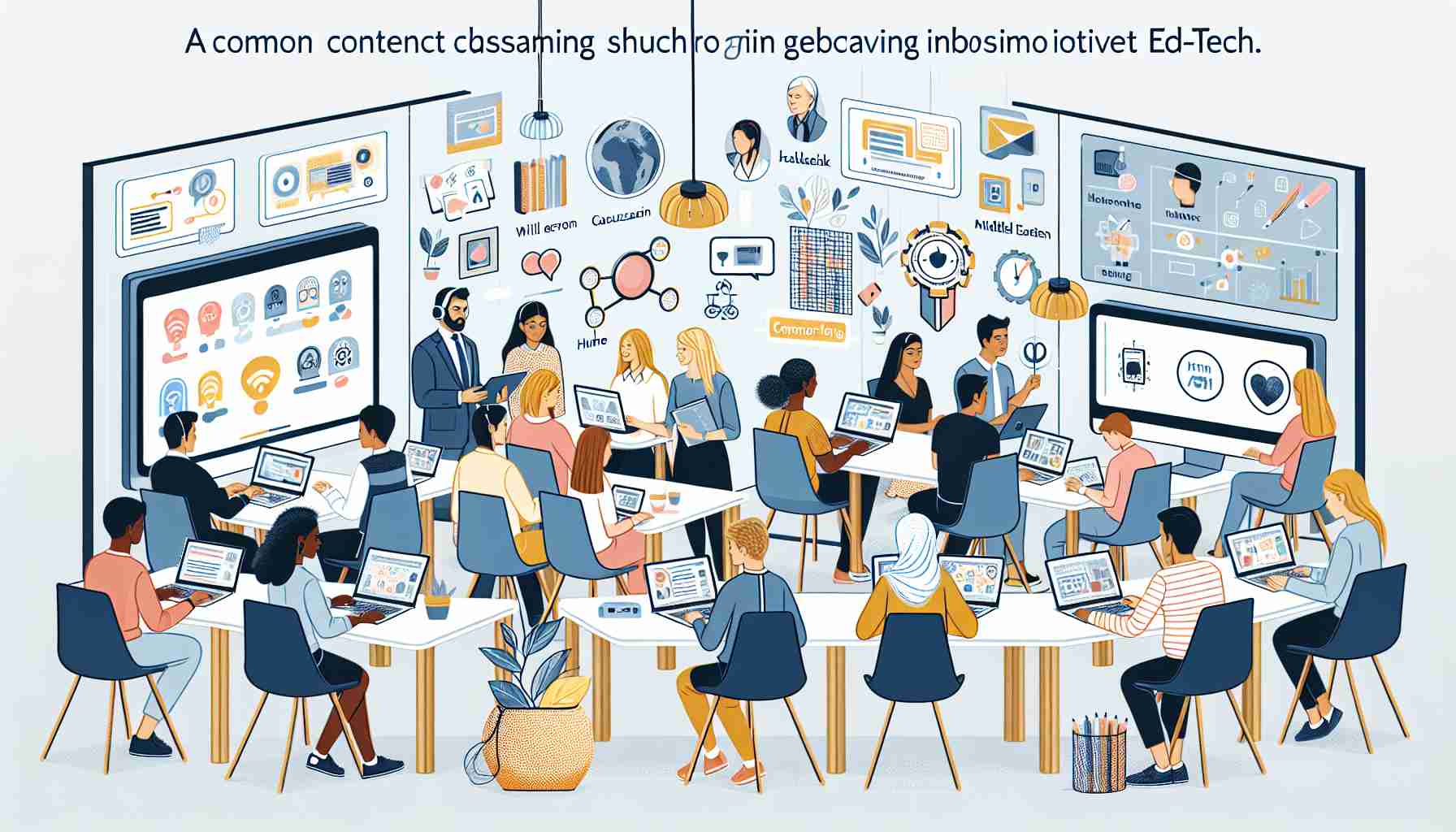
Iterative design processes further enhance the effectiveness of educational technology. This approach encourages continuous improvement, where solutions are tested, evaluated, and refined based on user feedback. The importance of this iterative cycle is underscored in a UNESCO report that emphasizes the need for educational systems to adapt to the complexities of integrating artificial intelligence (AI) into learning environments. By adopting an iterative mindset, educators can ensure that the technologies they implement remain relevant and effective in meeting the evolving needs of students.
The IDeaTE program’s focus on human-centered design aligns with broader trends in educational technology, where institutions are increasingly recognizing the importance of prioritizing user experiences. For instance, a study published in Humanities and Social Sciences Communications highlights the positive attitudes of stakeholders towards AI’s potential to enhance educational experiences. However, it also stresses the need for ethical considerations and a balanced approach that maintains the human element in education. This balance is crucial, as technology should serve to augment, not replace, the essential interactions between educators and students.
Moreover, the integration of AI and learning analytics into educational practices can significantly enhance the personalization of learning experiences. As noted in a World Economic Forum article, AI can automate administrative tasks, allowing educators to focus more on meaningful interactions with students. This shift not only improves teaching efficiency but also fosters an environment where students feel supported and engaged. The IDeaTE program prepares graduates to leverage these technologies effectively, ensuring they are equipped to create inclusive and adaptive learning environments.
In conclusion, the principles of human-centered design are not just theoretical concepts; they are practical strategies that can transform educational technology programs. By emphasizing empathy, user feedback, and iterative design processes, institutions like Vanderbilt are paving the way for a more responsive and effective educational landscape. As the IDeaTE program demonstrates, prioritizing the needs of students and educators is essential for fostering innovation and improving learning outcomes in an increasingly digital world.
Integrating Artificial Intelligence and Learning Analytics in Education
The integration of artificial intelligence (AI) and learning analytics into educational practices is rapidly transforming the landscape of teaching and learning. As highlighted in the recent launch of Vanderbilt University’s Innovative Design and Technology in Education (IDeaTE) master’s program, the focus on leveraging technology and analytics is essential for creating effective learning environments. This program aims to equip educators with the skills necessary to harness AI and learning analytics, ultimately enhancing the educational experience for diverse learners.
One of the most significant benefits of AI in education is its ability to personalize learning experiences. AI technologies can analyze vast amounts of data to identify individual student needs, preferences, and learning styles. This capability allows educators to tailor instructional strategies and resources to meet the unique requirements of each student. For instance, adaptive learning platforms can adjust the difficulty of tasks based on real-time performance, ensuring that students are neither overwhelmed nor under-challenged. Research indicates that personalized learning can lead to improved engagement and academic outcomes, particularly for students who may struggle in traditional learning environments.
Moreover, AI can automate administrative tasks, freeing educators to focus more on teaching and student interaction. By streamlining processes such as grading, attendance tracking, and resource allocation, AI reduces the administrative burden on teachers, allowing them to dedicate more time to fostering critical thinking and problem-solving skills among their students. This shift is particularly crucial in an era where teacher shortages are becoming increasingly prevalent. As noted in the World Economic Forum’s exploration of Education 4.0, AI can support teachers by alleviating routine tasks, thus enhancing the overall learning experience.
In addition to personalizing learning and automating tasks, AI provides real-time insights into student performance. Learning analytics can track student progress and engagement, enabling educators to identify at-risk students early and intervene effectively. This proactive approach not only supports student success but also fosters a culture of continuous improvement within educational institutions. However, the implementation of AI and learning analytics is not without its challenges. Ethical considerations, such as data privacy, algorithmic bias, and the potential for diminishing human interaction in the learning process, must be addressed. A study published in Humanities and Social Sciences Communications emphasizes the importance of developing ethical guidelines to govern AI use in education, ensuring transparency and accountability in its applications.
The IDeaTE program at Vanderbilt University recognizes these challenges and prepares students to navigate the complexities of integrating AI into educational practices. By emphasizing human-centered design and ethical considerations, the program equips future educators with the knowledge and skills necessary to implement AI responsibly. This approach aligns with UNESCO’s AI competency frameworks, which advocate for a human-centered mindset and ethical principles in AI education. As educators learn to balance the benefits of AI with its ethical implications, they can create inclusive and equitable learning environments that empower all students.
Furthermore, the integration of AI and learning analytics into educational practices is closely tied to the evolving landscape of technology in learning environments. As educational institutions adapt to these changes, they must prioritize equity and accessibility in their technological advancements. The World Economic Forum’s framework for Education 4.0 emphasizes the need for AI applications to be designed with equity in mind, ensuring that all students, regardless of their backgrounds, have access to these innovations. This commitment to equity is essential for preventing the exacerbation of existing educational disparities.
In conclusion, the integration of AI and learning analytics into educational practices offers significant potential for enhancing teaching and learning experiences. By personalizing learning, automating administrative tasks, and providing real-time insights into student performance, AI can transform the educational landscape. However, the responsible implementation of these technologies requires careful consideration of ethical implications and a commitment to equity. Programs like IDeaTE at Vanderbilt University are at the forefront of preparing educators to navigate these challenges, ensuring that they are equipped to leverage AI in ways that benefit all learners. As the educational landscape continues to evolve, the thoughtful integration of AI and learning analytics will be crucial in shaping the future of education.
Career Opportunities for Graduates of the IDeaTE Program
Graduates of the Innovative Design and Technology in Education (IDeaTE) program at Vanderbilt University will find themselves well-prepared for a diverse array of career opportunities that leverage their unique skill set in educational technology and design. The program’s emphasis on human-centered design, learning theories, and the integration of emerging technologies positions graduates to excel in various roles, including instructional designers, educational technology specialists, and learning experience designers.
Instructional designers play a crucial role in developing educational programs and materials that enhance learning experiences. They utilize their understanding of learning theories and design principles to create engaging and effective curricula tailored to the needs of diverse learners. The IDeaTE program equips students with the necessary skills to analyze educational needs, design instructional materials, and evaluate the effectiveness of educational interventions. This foundational knowledge is essential for those looking to enter the field of instructional design, where the demand for skilled professionals continues to grow.
Educational technology specialists focus on the implementation and management of technology in educational settings. They work closely with educators to integrate technology into teaching practices, ensuring that it enhances learning outcomes. Graduates from the IDeaTE program will be adept at navigating the complexities of educational technology, including the use of learning analytics and artificial intelligence to personalize learning experiences. This expertise is increasingly sought after as educational institutions strive to adopt innovative technologies that improve student engagement and success.
Learning experience designers take a broader approach, focusing on the overall learning journey of students. They design learning environments that foster collaboration, creativity, and critical thinking. The IDeaTE program’s emphasis on human-centered design prepares graduates to create inclusive and accessible learning experiences that cater to the diverse needs of learners. This role is particularly relevant in today’s educational landscape, where there is a growing recognition of the importance of designing learning experiences that are not only effective but also equitable.
Beyond traditional educational roles, graduates of the IDeaTE program can explore opportunities in corporate training and museum exhibit design. In corporate training, they can apply their skills to develop training programs that enhance employee performance and engagement. The ability to design effective training materials and utilize technology to facilitate learning is a valuable asset in the corporate world, where organizations are increasingly investing in employee development.
Museum exhibit design is another exciting avenue for IDeaTE graduates. This role involves creating engaging and educational exhibits that enhance visitor experiences. By applying principles of design and technology, graduates can develop interactive exhibits that promote learning and engagement in informal settings. This interdisciplinary approach allows for creativity and innovation, making it a fulfilling career path for those passionate about education and design.
To further enhance their employability, graduates are encouraged to pursue additional certifications in learning analytics and emerging technologies. These credentials can provide a competitive edge in the job market, as they demonstrate a commitment to professional development and a deep understanding of current trends in educational technology. Certifications in areas such as artificial intelligence and data analysis can significantly boost career prospects, as organizations increasingly seek professionals who can leverage data to inform instructional design and improve learning outcomes.
In summary, the IDeaTE program at Vanderbilt University prepares graduates for a wide range of career opportunities in educational technology and design. With a strong foundation in human-centered design and the integration of emerging technologies, graduates are well-equipped to thrive in various roles, from instructional designers to corporate trainers and museum exhibit designers. The pursuit of additional certifications further enhances their skill set, ensuring they remain competitive in an evolving job market.
Adapting to the Evolving Landscape of Educational Technology
As educational institutions navigate the rapidly evolving landscape of technology, the need for flexibility, inclusivity, and continuous professional development becomes increasingly paramount. The launch of innovative programs like Vanderbilt University’s IDeaTE exemplifies a proactive approach to preparing educators for the challenges and opportunities presented by emerging technologies. This program emphasizes human-centered design, which is crucial for creating learning environments that cater to diverse student needs. Thought leaders in higher education, such as Alyssa Wise, advocate for a curriculum that not only integrates technology but also prioritizes the human experience in learning.
Flexibility in educational practices allows institutions to adapt to the diverse needs of students, particularly in a post-pandemic world where many learners seek hybrid or fully online options. The COVID-19 pandemic has reshaped student expectations, with a growing demand for accessible and personalized learning experiences. Institutions must embrace this shift by offering varied learning modalities and ensuring that technology enhances, rather than detracts from, the educational experience. This aligns with findings from research conducted by EY Global, which highlights the importance of high-quality teaching that effectively utilizes digital technology to engage students.
Inclusivity is another critical component of adapting to technological advancements in education. Programs like UNESCO’s AI competency frameworks emphasize the need for ethical considerations and a human-centered approach to technology integration. By fostering an inclusive environment, educational institutions can ensure that all students, regardless of their backgrounds, have equitable access to learning opportunities. This is particularly important as AI and learning analytics become more prevalent, as they can either bridge or widen existing educational gaps depending on how they are implemented.
Continuous professional development for educators is essential in this context. As technology evolves, so too must the skills and knowledge of those who teach. Institutions should invest in training programs that equip educators with the necessary tools to effectively integrate technology into their teaching practices. This includes not only technical skills but also pedagogical strategies that promote critical thinking and collaboration among students. The World Economic Forum’s Education 4.0 framework underscores the importance of supporting teachers’ roles through AI, allowing them to focus on meaningful interactions with students while leveraging technology to enhance learning outcomes.
In reflecting on the future of education, it is clear that programs like IDeaTE will play a pivotal role in shaping innovative educational practices. By prioritizing human-centered design, inclusivity, and ongoing professional development, educational institutions can create a dynamic learning environment that prepares students for a technology-driven world. As we move forward, the challenge will be to balance the integration of technology with the essential human elements of teaching and learning, ensuring that education remains a deeply personal and transformative experience for all learners.
Reference:
Vanderbilt Launches Innovative Design and Technology in Education Master’s Program
The Importance of Human-Centered Design in University Digital Transformation
UNESCO Launches New AI Competency Frameworks for Education
Exploring the Impact of Artificial Intelligence on Higher Education: Ethical, Social, and Educational Implications
AI Revolutionizing Education 4.0: Enhancing Learning Through Technology
New York Tech’s School of Architecture and Design: Innovating the Future of Design
Understanding Mechanical Engineering at Michigan Technological University
Top 10 Artificial Intelligence Certifications and Courses for 2025
Adaptive Learning Technology in Primary Education: Implications for Teacher Knowledge and Classroom Management
Navigating Pathways to Success in Higher Education
AI Impact on Education: Its Effect on Teaching and Student Success