
Florida State University’s Ambitious Goal: Reducing Student Debt
On August 20, 2024, Florida State University (FSU) announced its ambitious goal to become the public research university with the lowest student debt in the United States. President Richard McCullough emphasized that while this goal is ambitious, it is not unattainable. Currently, FSU ranks among the top 12 public research universities in terms of low student debt, and there is a strong possibility that it could reach the top position in the coming years. McCullough highlighted the importance of providing a quality education while simultaneously reducing the financial burden on students, noting that graduating with debt can significantly impact their ability to start their lives post-graduation.
As of now, approximately 32% of FSU undergraduates graduate with debt, with an average debt of $14,500, which is significantly lower than the national average of $29,400. Joe O’Shea, the Vice President for Undergraduate Studies, stated that FSU is committed to helping students graduate with the least amount of debt possible, and they are close to achieving this goal. FSU has not raised tuition in the past 11 years, and Florida’s public university tuition rates are among the lowest in the nation, making FSU one of the most cost-effective universities offering world-class education.
The university boasts a high on-time graduation rate of 75%, which helps to alleviate students’ financial burdens. O’Shea pointed out that FSU’s strategies include financial education, increasing scholarship funding, and innovative support programs aimed at reducing student debt levels. Last year, FSU awarded over $105 million in scholarships, thanks to contributions from alumni, donors, and legislative support, which has gradually lowered the average debt level for each graduating class.
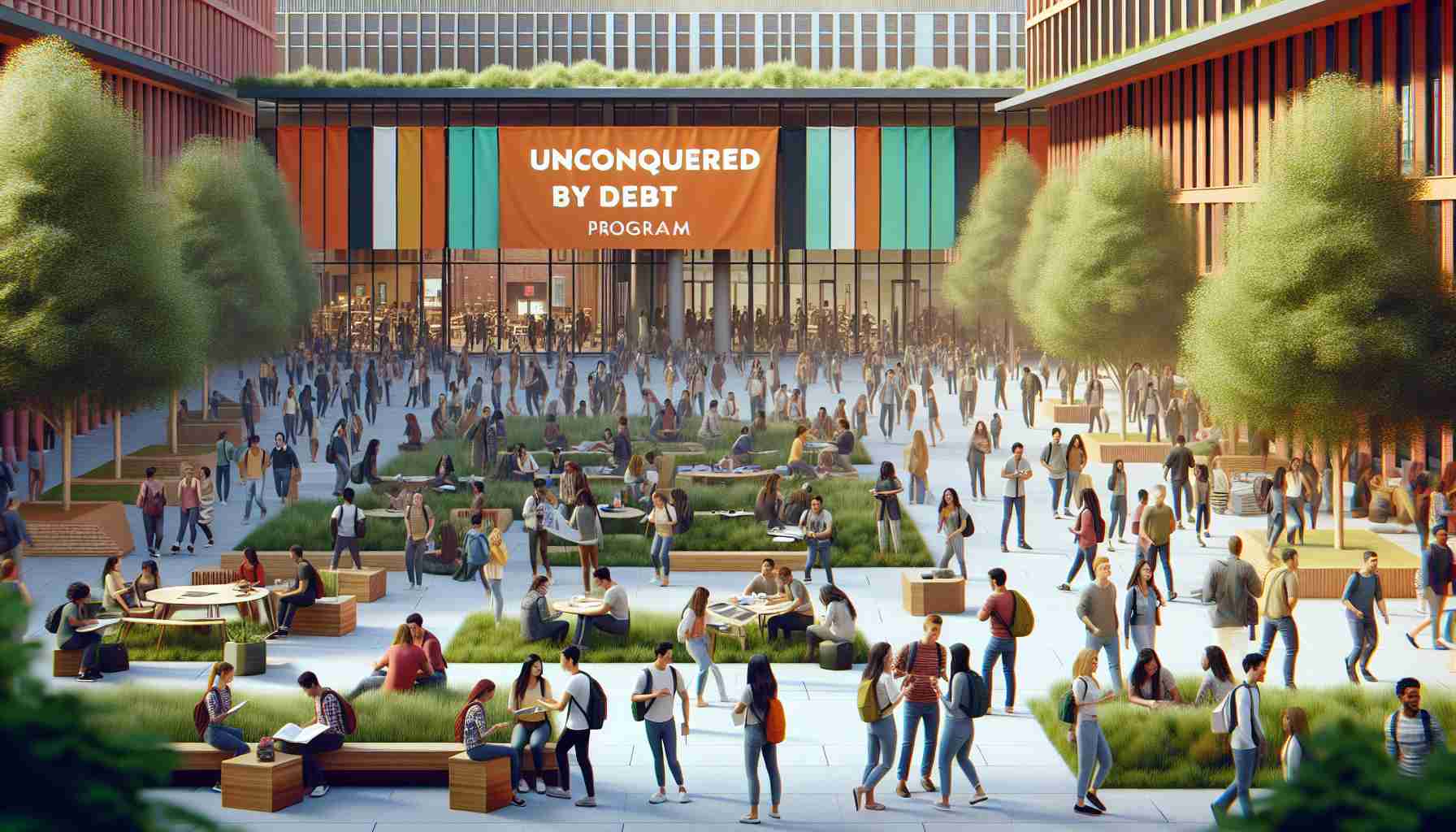
FSU has also launched the “Unconquered by Debt Program,” designed to enhance students’ financial literacy and help them understand financial management, student loans, credit, budgeting, and long-term financial planning. Additionally, FSU provides comprehensive support and scholarships for first-generation college students and those eligible for Pell Grants. The university collaborates with local businesses to offer paid internship opportunities, further alleviating financial pressure on students.
To further reduce students’ financial burdens, FSU’s library has adopted free open educational resources, which significantly cut down on textbook costs. The university has also established retention and ongoing funding to support students facing financial challenges. Despite recent changes in federal policies affecting financial aid processing, FSU remains committed to achieving its long-term goals, ensuring that students can successfully complete their studies and transition smoothly into the workforce.
O’Shea emphasized that FSU’s success relies on the continued contributions of community donors and legislative support. He stressed that the returns on education are not merely financial; FSU is dedicated to empowering students to succeed in various roles, becoming exemplary employees, neighbors, citizens, and friends.
The Impact of Student Debt on Graduates’ Life Choices and Career Paths
The issue of student debt is a pressing concern for many graduates, influencing their life choices and career paths. In today’s educational landscape, students face immense pressure and motivation challenges, particularly in the context of rising tuition and student loans. According to recent reports, approximately 70% of students feel anxious about their financial situations. This pressure not only affects their academic performance but can also lead to anxiety, depression, and burnout. Many students, in an effort to avoid accumulating more debt, opt to complete their studies quickly, often sacrificing the quality of their education and making career choices based more on salary than personal interest.
The burden of student debt has led many graduates to postpone significant life milestones such as buying a home or starting a family. Data indicates that around 50% of millennials with student debt have delayed their home-buying plans. To repay their loans, graduates often feel compelled to remain in high-paying jobs that they do not enjoy, limiting their career flexibility and potentially leading to job dissatisfaction and burnout.
In light of these challenges, the role of educators becomes increasingly important. By connecting academic concepts to real-world applications, educators can effectively enhance students’ motivation to learn. Research shows that clear learning objectives and a focus on skill mastery can help students maintain their motivation and achieve academic success. Educators must continually help students recognize the practical value of what they are learning, especially in relation to their future careers.
In this context, there is a growing call for student loan reform and more affordable educational options. Students can also take proactive measures to manage their finances and education. Universities can assist students in making informed financial decisions by offering financial literacy courses and enhancing support services. These resources can teach students how to budget, understand loans, and plan for the future, empowering them to take control of their financial situations.
Online education and hybrid learning models provide practical solutions for many students. These programs typically have lower tuition costs and offer the flexibility to study while working, avoiding the high expenses associated with campus living. By choosing these options, students can alleviate their debt burden, focus on their studies, and improve their learning outcomes.
In summary, strategically arranging educational processes and making informed choices about learning methods can make students’ academic journeys more fulfilling and manageable. By leveraging online learning, financial literacy resources, and support services, students can make informed decisions that align with their long-term goals, prioritizing personal interests and well-being.
Strategies Implemented by Universities to Reduce Student Debt and Improve Financial Literacy
Florida State University is making significant strides toward its goal of becoming the public research university with the lowest student debt. According to data from the 2022-2023 academic year, approximately 32% of FSU undergraduates graduate with debt, averaging $14,500, which is well below the national average of $29,400. To reduce student debt, FSU has implemented a series of measures, including increasing scholarship and grant funding, expanding financial literacy education programs, and providing paid internships and job opportunities.
Joe O’Shea, the Vice President for Undergraduate Studies, noted that 86.3% of full-time undergraduates received some form of non-loan financial aid during the 2022-2023 academic year. He also emphasized that FSU’s four-year graduation rate of 75% helps to reduce student debt, as students who graduate on time can avoid the additional costs associated with extended enrollment. O’Shea stated, “Our students are not staying in school for five or six years accumulating debt. Our focus on on-time graduation is a key part of our strategy.”
President Richard McCullough described this goal as ambitious yet achievable, stating that FSU currently ranks among the top 12 public research institutions for low student debt and hopes to reach the top position in the coming years. McCullough emphasized, “We want to provide our students with an excellent education while achieving this at the lowest possible cost.”
FSU’s research efforts have been bolstered by support from alumni, donors, and legislative allies, which has helped increase scholarship funding, allowing the university to distribute over $105 million in scholarships last year. Additionally, FSU has maintained stable tuition rates for the past 11 years.
Earlier this year, the State University System Board reported that FSU’s research expenditures reached $400 million in the 2022-2023 academic year, an increase of $75 million from two years ago. In a “State of the University” address in November, McCullough remarked, “This is incredible progress for the university, thanks to our faculty and staff.” He also informed faculty and staff that FSU’s spending target for the next year has been revised to $500 million, with plans to continue building research infrastructure to support this goal.
As FSU’s internal research ambitions grow, external entities are also becoming involved, including the Triumph Gulf Coast Board, which approved a $98.4 million project funding in November to develop aerospace and manufacturing facilities at FSU’s Panama City campus. FSU plans to contribute $65 million to this project over the next decade and aims to secure over $230 million in contracts and grant work. Economic analysts predict that for every dollar spent on this project, there will be $10 in economic activity generated.
The Role of State Funding and Legislative Support in Public University Tuition Rates
On May 21, 2024, the University of Colorado Boulder (2024 USNews Ranking: 105) (CU Boulder) announced that the state legislature had passed several bills aimed at reducing college tuition. These bills include tax credits for Colorado students from families with annual incomes below $90,000, helping them offset tuition and fees over two years. These new legislative measures complement CU Boulder’s recent efforts to lower degree costs and increase access for in-state students, including the expansion of the CU Promise program and a four-year tuition guarantee.
The newly passed bills will be sent to the governor for signature, demonstrating the collaboration between universities and state legislators to create a more affordable college experience. Multiple students and university representatives testified during the legislative session, showcasing the importance of the CU community’s involvement in the legislative process.
The bills passed include:
1. Tuition/Fees Tax Credit (HB24-1340): Eligible students will receive a refundable state income tax credit starting in 2025 to offset tuition and fees for the first 65 credits at Colorado public institutions (including CU Boulder). Students must enroll within two years of high school graduation and complete the FAFSA or Colorado financial aid application, with family incomes below $90,000 and maintaining a minimum GPA of 2.5.
-
Student Educator Stipend Program (HB24-1290): This program provides up to $11,000 per semester for students aspiring to work in education, aimed at alleviating their financial burdens and enhancing the supply of qualified educators in Colorado. This program was initially created by CU’s HB22-1220 in 2022 and expanded through HB24-1290, receiving $4.2 million in state funding.
-
Support for Homeless Youth (HB24-1403): This bill provides support for students who experienced homelessness during high school, ensuring they receive comprehensive financial aid and support services at Colorado higher education institutions. The bill covers tuition and fee balances after other scholarships and grants, up to 132 semester credits.
Additionally, the Colorado legislature approved a significant increase in funding for higher education, with a 9.4% increase (approximately $132 million), including $107 million in operational funding (CU system’s share is $29.3 million) and $25 million in financial aid. This funding increase will enable CU Boulder to provide more financial aid and academic opportunities.
CU Boulder has also launched several initiatives to address students’ financial burdens, including the CU Promise program, which covers tuition and fees for in-state undergraduate students with significant financial need, and has expanded in the 2023-24 academic year to make approximately 3,500 students eligible. Furthermore, CU Boulder’s undergraduate tuition guarantee program offers a fixed tuition rate, ensuring students do not have to worry about unexpected tuition increases over four years.
CU Boulder President Philip DiStefano expressed gratitude for seeing legislators working to make college degrees more accessible and looks forward to continuing collaboration to ensure all Colorado residents can receive an education at the state’s flagship university.
Moreover, the Colorado legislature has passed several other bills, including tax incentives to support quantum technology development and campus gun control measures, further impacting the CU Boulder community.
Comparative Analysis of Student Debt Levels Across Different Public Research Universities in the U.S.
On April 8, 2024, the White House released an economic report on student debt, analyzing the actions taken by the Biden-Harris administration to alleviate student debt and their economic impact. The report noted that over the past 30 years, the rate of increase in college tuition has outpaced median income growth, resulting in many Americans from low- and middle-income families accumulating significant student debt. To address this issue, the government has implemented two primary strategies: Student Debt Relief (SDR) and the SAVE plan. SDR aims to address flaws in the student debt system and alleviate borrowers’ burdens, while the SAVE plan reforms the federal student loan system to improve loan affordability for future students and provide a buffer for current graduates.
The report provides a detailed analysis of the factors contributing to current student debt levels and outlines how SDR and SAVE will improve the economic situations of millions of Americans, enabling them to allocate more funds toward basic living needs, take career risks, start businesses, and purchase homes. Research indicates that student debt relief could lead to billions of dollars in increased consumer spending in the short term and significantly impact borrowers’ mental health, financial security, homeownership rates, and entrepreneurial endeavors. According to simulations by the Council of Economic Advisers (CEA), borrowers with bachelor’s degrees could save an average of $20,000 in loan payments under the SAVE plan, while those with associate degrees could save nearly 90% compared to standard repayment plans.
The report also highlights that college tuition has risen significantly over the past 20 years, although there has been a recent decline; public university tuition is still 56% higher than it was 20 years ago. Meanwhile, the wage premium for college degrees has not increased correspondingly, leaving many borrowers with higher debt and lower income. The government’s debt relief measures have already assisted nearly 4 million Americans and are expected to provide further relief to over 30 million borrowers.
Additionally, the SAVE plan ensures that graduates will not pay more than they can afford when repaying student loans, protecting borrowers from high tuition and low income. The SAVE plan is considered the most affordable student loan repayment plan in U.S. history, significantly reducing borrowers’ monthly payments and shortening the time to loan forgiveness.
The report emphasizes that student debt relief offers not only economic benefits but also alleviates borrowers’ stress and anxiety, improving their quality of life. Research indicates a negative correlation between holding student debt and outcomes such as health status, entrepreneurial intent, and marriage. By alleviating debt burdens, the government aims to improve borrowers’ living conditions.
Finally, the report underscores the significant racial and socioeconomic equity implications of the SAVE plan in promoting affordable education financing, particularly benefiting low-income borrowers. By reducing student debt, the government can enhance borrowers’ purchasing power, stimulate economic growth, and strengthen the potential of the American workforce. In summary, the student debt relief and SAVE plan initiatives of the Biden-Harris administration are set to bring economic improvements to millions of Americans, helping them better pursue education and career development.
The Effectiveness of Scholarship Programs in Reducing Financial Burdens for Students
On January 31, 2024, Temple University in Philadelphia announced the launch of its new “Temple Promise” program, aimed at providing financial support to economically disadvantaged students. This program will offer last-dollar financial aid to full-time freshmen from Philadelphia with family incomes at or below $65,000, helping them cover the gap in tuition and alleviate the financial burden on students.
Temple University President Richard Englert stated, “Higher education at its best is an engine of economic mobility and social mobility. The Temple Promise will provide more students with an affordable pathway to a college degree, reducing debt burdens and having a transformative impact on both the university and the city.”
The program is applicable to students enrolling in the fall of 2024, and all eligible freshmen from Philadelphia can apply. As a last-dollar financial aid program, Temple Promise funds will cover all remaining Pennsylvania in-state tuition and eligible college fees after other scholarships and grants have been awarded.
To qualify for the Temple Promise, students must meet the following criteria:
1. Be admitted as a new freshman for the fall of 2024 at Temple University;
2. Have a permanent address in Philadelphia, qualify for Pennsylvania in-state tuition, and graduate from high school in 2024;
3. Enroll at Temple’s Ambler or main campus;
4. Be registered full-time (12-18 credits);
5. Pursue their first bachelor’s degree;
6. Submit a federal student aid application (FAFSA) before the deadline of April 1, 2024;
7. Be a U.S. citizen or eligible non-citizen;
8. Have a family income at or below $65,000 and demonstrate financial need on the FAFSA.
Temple University’s Vice President for Enrollment Management, Jose Aviles, remarked, “What attracted me to Temple University is its history as an institution built on accessibility, where all students should have the opportunity to pursue a high-quality education. The Temple Promise demonstrates our ongoing commitment to this mission.”
The launch of the Temple Promise program coincides with Temple University’s first entry into the top 100 national universities according to U.S. News & World Report, reflecting Temple’s efforts in graduation rates, performance, and social mobility. Temple University has consistently supported diverse student populations, with over 1,450 Pell Grant recipients among the incoming class of 2027, 39% of whom are first-generation college students.
Additionally, Temple University has implemented the “Fly in 4” program to help students create clear four-year academic plans, ensuring they graduate with as little debt as possible. The Temple Promise program complements Temple’s Cecil B. Moore Scholars Program, which provides academic pathways for students from Philadelphia public schools.
Pennsylvania Governor Josh Shapiro and Philadelphia Mayor Cherelle L. Parker have both expressed support for Temple University’s new initiative, believing it will provide better educational opportunities for students in Philadelphia and promote social mobility. Philadelphia School Superintendent Tony B. Watlington also noted that providing high-quality educational opportunities will change the futures of students and their families.
Conclusion
Florida State University’s commitment to becoming the public research university with the lowest student debt in the United States is a significant step toward addressing the broader issue of student debt that affects many graduates. The university’s strategies, including financial education, increased scholarship funding, and innovative support programs, are essential in reducing the financial burdens on students. The impact of student debt on graduates’ life choices and career paths cannot be understated, as it influences their decisions regarding homeownership, family planning, and career satisfaction.
Moreover, the role of state funding and legislative support in shaping public university tuition rates is crucial. Initiatives like those at the University of Colorado Boulder demonstrate how collaboration between universities and state legislators can create a more affordable college experience. The comparative analysis of student debt levels across different public research universities highlights the need for systemic changes to ensure that higher education remains accessible and affordable for all students.
Scholarship programs, such as Temple University’s Temple Promise, play a vital role in alleviating financial burdens and promoting educational access for economically disadvantaged students. As universities across the nation adopt similar strategies, the hope is that the landscape of higher education will shift toward a more equitable and sustainable model, allowing students to pursue their academic and career aspirations without the overwhelming burden of debt.
In conclusion, the collective efforts of institutions like Florida State University, the University of Colorado Boulder, and Temple University represent a promising movement toward reducing student debt and enhancing financial literacy among students. By prioritizing affordability and accessibility, these universities are not only empowering their students but also contributing to the broader goal of fostering a more educated and economically stable society.
News References:
- FSU Aims to Be No. 1 Research University with Lowest Student Debt
- How To Motivate The Unmotivated
- Florida State University Aims for Top Research Ranking and Low Student Debt
- New Legislation Supports CU Boulder in Making College More Affordable
- The Economics of Administration Action on Student Debt
- New Temple Promise Program for Financially Needy Students