
Introduction to the Animal Instructors Program at Virginia Tech
The Animal Instructors Program at Virginia Tech represents a pioneering approach to veterinary education, merging academic learning with practical, hands-on experience. Launched at the Virginia-Maryland College of Veterinary Medicine, this innovative initiative aims to enhance the educational journey of first-year veterinary students while simultaneously providing essential health services to local pets in the Blacksburg community.
The program’s inception is rooted in the recognition that early exposure to a variety of animal species is crucial for developing well-rounded veterinary professionals. Virginia Edwards, a collegiate assistant professor involved in the program, emphasizes this point, stating, “We get them touching dogs, horses, and cows within the first month they’re at the college.” This early engagement is particularly beneficial for students who may have experience with certain types of animals but lack exposure to others, such as small animals. By facilitating direct interaction with diverse species, the program not only enriches the students’ learning experience but also builds their confidence and practical skills.
The structure of the Animal Instructors Program is designed to foster a supportive learning environment. Students are paired with experienced faculty and licensed veterinarians, ensuring that they receive high-quality instruction and supervision. This mentorship is vital as it allows students to apply theoretical knowledge in real-world settings, bridging the gap between classroom learning and practical application. Abigail Childress, a first-year veterinary student, shared her enthusiasm for the program, noting, “It was really exciting because I got to apply what we’ve been learning in class. I started to feel a little more real, and I enjoyed working with the pets.” Such sentiments reflect the program’s effectiveness in enhancing student engagement and confidence.
A unique aspect of the Animal Instructors Program is its mutually beneficial model, where local pet owners volunteer their animals to serve as ‘instructors.’ In return, these pets receive vital health services, including physical exams, vaccinations, and spay/neuter surgeries, at no cost to their owners. This collaboration not only aids pet owners but also provides students with invaluable opportunities to develop their communication skills with both animals and their owners. Emily Lawrence, another collegiate assistant professor, highlighted the positive feedback from pet owners, who often express surprise at the free services provided. This dynamic creates a sense of community engagement that is essential for both the veterinary students and the local pet owners.
The program operates in both spring and fall sessions, allowing for continuous learning opportunities throughout the academic year. This flexibility ensures that students have consistent access to hands-on experiences, which are critical for their professional development. As the program continues to grow, the veterinary college is actively seeking more volunteers from the community. With around 80 slots available for the neuter program and additional opportunities for physical exams and spay surgeries, the college is eager to expand its reach and impact. Pet owners in the Blacksburg area are encouraged to participate in this initiative, which not only contributes to the education of future veterinarians but also provides valuable health services for their pets.
In summary, the Animal Instructors Program at Virginia Tech exemplifies the importance of hands-on experience in veterinary education. By integrating community service with academic training, the program not only enhances student learning but also fosters a collaborative relationship between the veterinary college and the local community. This innovative model serves as a testament to the evolving landscape of veterinary education, where practical experience is increasingly recognized as a cornerstone of effective training.
The Role of Community Engagement in Veterinary Education
The significance of community engagement in veterinary education is exemplified by the innovative Animal Instructors Program at Virginia Tech’s Virginia-Maryland College of Veterinary Medicine. This program not only enhances the educational experience of first-year veterinary students but also fosters meaningful relationships between the students and the local community. By providing free health services to pets in the Blacksburg area, the program creates a mutually beneficial scenario where both students and pet owners gain valuable insights and experiences.
The Animal Instructors Program immerses students in hands-on veterinary practice early in their education, allowing them to interact with a variety of animal species. This early exposure is crucial for developing a well-rounded skill set, as many students may come with experience in certain areas but lack familiarity with others. Virginia Edwards, a collegiate assistant professor involved in the program, emphasizes the importance of this diverse exposure, stating that students engage with dogs, horses, and cows within their first month. Such experiences not only build confidence but also enhance the students’ ability to communicate effectively with both animals and their owners, a vital skill in veterinary practice.
The program operates on a volunteer basis, where local pet owners bring their animals to serve as ‘instructors’ in exchange for essential health services, including vaccinations and spay/neuter surgeries. This collaboration not only provides students with practical experience but also addresses public health needs within the community. Pet owners often express surprise and gratitude for the free services, highlighting the program’s positive impact on local pet health. This model of community engagement is not unique to Virginia Tech; it mirrors initiatives at other institutions, such as the University of Wisconsin’s Shelter Medicine Program and Purdue University (2025 USNews Ranking: 46) ‘s Healthy Boiler Fair.
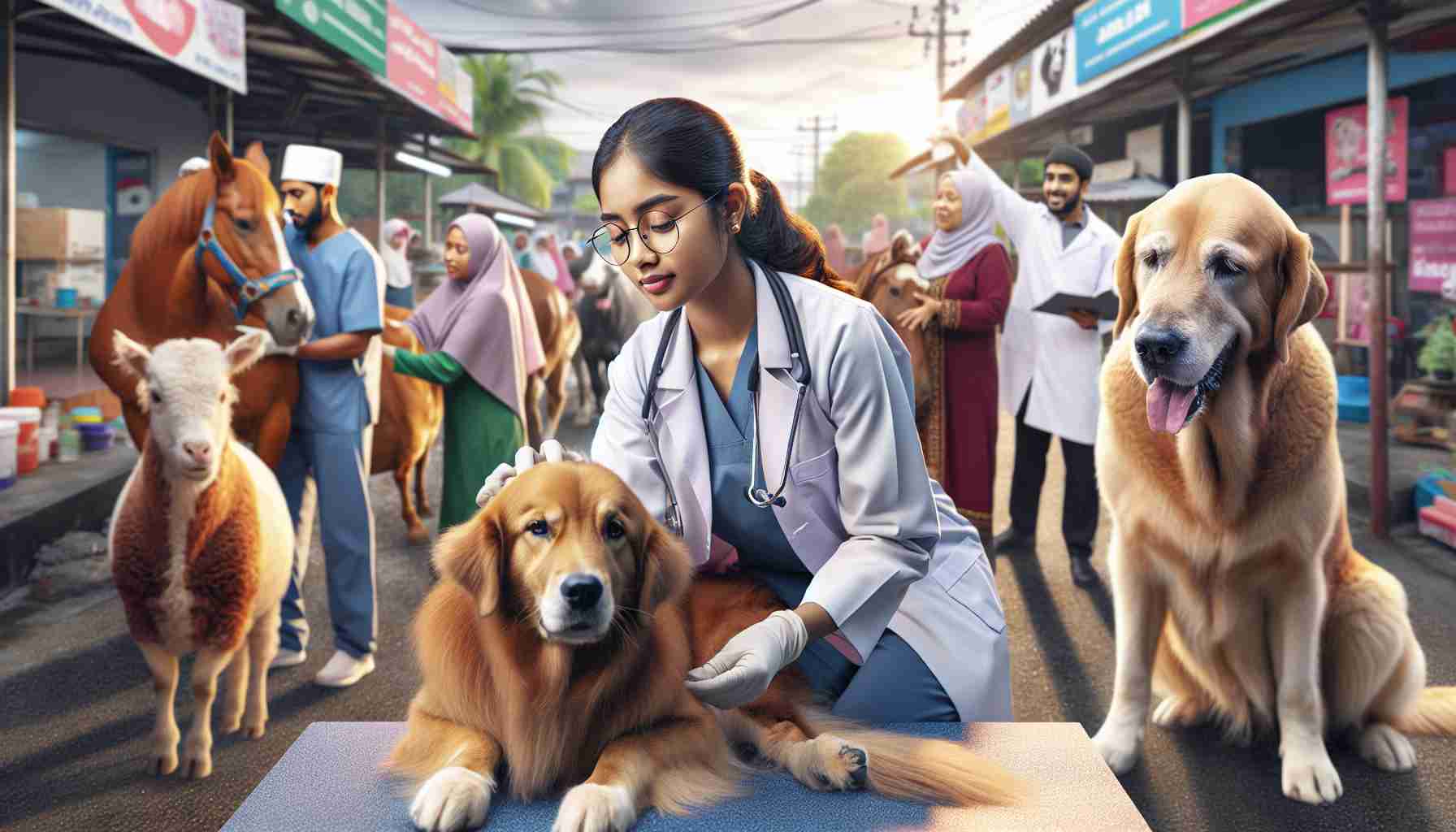
The University of Wisconsin’s Shelter Medicine Program has celebrated a decade of community-engaged care, significantly impacting animal welfare and public health. By involving veterinary students in shelter medicine rotations, the program allows them to gain hands-on experience while addressing the needs of underserved populations. Students learn about the challenges faced by shelter staff and the importance of effective communication, which is essential for successful veterinary practice. The program’s collaborative approach has led to significant public health interventions, such as the response to the H7N2 avian influenza outbreak in New York City shelters, showcasing the effectiveness of community-focused veterinary education.
Similarly, Purdue University’s participation in the Healthy Boiler Fair illustrates the importance of community engagement in veterinary education. By providing accessible information about veterinary services to faculty and staff, the College of Veterinary Medicine reinforces the connection between animal health and overall wellness. Initiatives like the Pete’s Pets Club further foster a sense of community among pet owners affiliated with the university, emphasizing the role of veterinary care in enhancing the quality of life for both pets and their owners.
These programs highlight the critical role of community engagement in veterinary education, demonstrating that such initiatives not only benefit students but also address broader public health concerns. By fostering relationships between veterinary students and their communities, these programs enhance the educational experience while simultaneously improving animal welfare and public health outcomes. The collaborative efforts seen in these initiatives underscore the importance of integrating community service into veterinary training, preparing future veterinarians to meet the diverse needs of the populations they will serve.
Impact of Hands-On Experience on Student Development
The impact of hands-on veterinary education on student confidence and skills development is profound, as evidenced by programs like the Animal Instructors Program at Virginia Tech and summer internships at the University of Delaware. These initiatives not only provide students with essential practical experience but also foster a sense of confidence and competence that is crucial for their future careers in veterinary medicine.
At Virginia Tech, the Animal Instructors Program immerses first-year veterinary students in real-world veterinary practices from the outset of their education. Virginia Edwards, a collegiate assistant professor, emphasizes the importance of early exposure to a variety of animal species, stating, “We get them touching dogs, horses, and cows within the first month they’re at the college.” This early hands-on experience is particularly beneficial for students who may have limited exposure to certain types of animals, such as small animals, before entering the program. The structured environment, where students work alongside experienced faculty and licensed veterinarians, allows them to apply theoretical knowledge in practical settings, significantly enhancing their confidence and skills.
Abigail Childress, a first-year veterinary student, shared her enthusiasm for the program, noting, “It was really exciting because I got to apply what we’ve been learning in class. I started to feel a little more real, and I enjoyed working with the pets.” This sentiment reflects a common experience among students who participate in hands-on programs; they often report a transformation in their self-perception and professional identity as they engage directly with animals and their owners.
Similarly, the University of Delaware’s summer internships provide pre-veterinary students with invaluable real-world experience. Alumni from the Department of Animal and Food Sciences play a crucial role in facilitating these internships, which are highly sought after. Lesa Griffiths, a professor in the department, notes that the demand for these internships often exceeds the available positions, highlighting their significance in the students’ educational journey. Interns like Danny Maney, who had no prior experience with livestock, found the internship transformative. He remarked that the experience encouraged him to try new things and explore various career options, ultimately boosting his confidence in his veterinary skills.
Sydney Iredell, another pre-veterinary student, expressed her excitement about her internship, where she learned about the swine industry and animal welfare. Cheyenne Blaine, who interned at Humane Animal Partners, reported a significant increase in her confidence, particularly in performing challenging tasks like drawing blood from kittens. These testimonials underscore the critical role that hands-on experiences play in shaping students’ professional identities and skill sets.
The importance of early exposure to diverse animal species cannot be overstated. Programs like the Animal Instructors Program and summer internships allow students to interact with a variety of animals, which is essential for developing well-rounded veterinarians. This exposure not only enhances their technical skills but also cultivates empathy and understanding of different species, which are vital traits for any veterinarian. As students learn to communicate effectively with both animals and their owners, they also develop essential interpersonal skills that will serve them throughout their careers.
In conclusion, hands-on veterinary education programs significantly impact student confidence and skills development. By providing early exposure to diverse animal species and real-world veterinary practices, these initiatives prepare students for the challenges they will face in their professional lives. The testimonials from students who have participated in these programs highlight the transformative nature of hands-on experiences, reinforcing the idea that practical education is a cornerstone of effective veterinary training.
Innovative Models in Veterinary Education
The landscape of veterinary education is evolving, with innovative models like the Animal Instructors Program at Virginia Tech leading the way. This program not only enhances the educational experience for veterinary students but also serves the community by providing essential health services to local pets. By allowing first-year students to engage directly with animals from the community, the program fosters a practical learning environment that is crucial for developing the skills and confidence necessary for future veterinarians. Virginia Edwards, a collegiate assistant professor involved in the program, emphasizes the importance of early exposure to a variety of animal species, stating that students begin handling dogs, horses, and cows within their first month. This hands-on experience is vital, particularly for students who may have limited exposure to certain types of animals, such as small pets.
The integration of technology into veterinary education is another significant trend. Tools like ChatGPT are being explored for their potential applications in both clinical practice and educational settings. A recent review highlighted how AI can assist in generating clinical documentation, such as SOAP notes, and even aid in diagnosing conditions by analyzing clinical data. This capability not only streamlines administrative tasks but also enhances the learning experience for students, who can utilize AI to prepare for exams and improve their understanding of complex veterinary concepts. However, the use of AI in veterinary medicine is not without its challenges. Concerns about the accuracy of AI-generated information, the risk of “hallucination” where the AI produces incorrect responses, and ethical considerations regarding data privacy and intellectual property must be addressed.
As veterinary education adapts to incorporate these technological advancements, it is essential to ensure that students are not only proficient in using these tools but also understand their limitations. The goal should be to integrate AI as a supportive resource rather than a replacement for human expertise. This approach aligns with the broader trend of adapting veterinary education to meet the evolving needs of the profession and the public.
Moreover, the role of community engagement in veterinary education cannot be overstated. Programs like the Animal Instructors Program exemplify how collaboration between veterinary schools and local communities can enhance educational outcomes while addressing public health needs. By providing free health services to pets in exchange for their participation as “instructors,” the program creates a win-win scenario that benefits both students and pet owners. This model not only improves animal welfare but also helps students develop vital communication skills, as they learn to interact with pet owners and understand their concerns.
In conclusion, the future of veterinary education lies in innovative models that combine hands-on experience, technological integration, and community engagement. As programs like the Animal Instructors Program continue to evolve, they will play a crucial role in shaping the next generation of veterinarians, ensuring they are well-equipped to meet the challenges of a rapidly changing field. The ongoing dialogue about the ethical implications of AI and the importance of community involvement will be essential in guiding these developments, ultimately leading to improved outcomes for both animals and the communities they serve.
Conclusion: The Future of Veterinary Education and Community Engagement
The success of the Animal Instructors Program at Virginia Tech exemplifies the transformative potential of hands-on experience in veterinary education. By allowing first-year veterinary students to engage directly with animals from the local community, the program not only enhances their practical skills but also fosters a deeper understanding of animal care and welfare. This innovative model serves as a vital bridge between academic learning and real-world application, reinforcing the importance of early exposure to diverse animal species. As students like Abigail Childress have noted, such experiences help them feel more connected to their studies and more confident in their abilities.
Moreover, the program’s community engagement aspect is equally significant. By providing free health services to local pets, it creates a mutually beneficial relationship between the veterinary college and the community. Pet owners gain access to essential veterinary care, while students develop critical communication skills and practical knowledge. This collaborative approach not only enriches the educational experience for students but also addresses public health needs, highlighting the role of veterinary education in promoting animal welfare and community health.
The potential for programs like the Animal Instructors Program to serve as a blueprint for other veterinary schools is clear. As seen in various initiatives across the country, such as the University of Wisconsin’s Shelter Medicine Program and the University of Delaware’s externships, hands-on experiences and community involvement are becoming increasingly recognized as essential components of veterinary training. These programs not only prepare students for their future careers but also strengthen the bond between veterinary professionals and the communities they serve.
In conclusion, the emphasis on hands-on experience, community engagement, and innovative educational models is crucial in shaping the future of veterinary education. Continued support and expansion of initiatives like the Animal Instructors Program are essential for fostering a collaborative approach that benefits students, communities, and animal welfare alike. As veterinary education evolves, it is imperative that institutions prioritize these elements to ensure that future veterinarians are well-equipped to meet the challenges of their profession while making a positive impact on society.
Reference:
Animal Instructors Program Bridges Community and Veterinary Education at Virginia Tech
Veterinary College’s Summer Program Empowers Future Researchers at Virginia Tech
Hands-on Veterinary Experience for University of Delaware Students
SVM’s Program for Shelter Medicine Celebrates 10 Years of Community Engagement and Care
Purdue Veterinary Medicine Showcases Animal Health at Healthy Boiler Fair
Understanding the One Health Approach: A Collaborative Strategy for Health
15 Careers Dedicated to Wildlife Conservation
ChatGPT in Veterinary Medicine: Practical Guidance for Clinics, Education, and Research
Barriers Faced by Veterinarians in Preventing Antimicrobial Resistance: A Qualitative Study
Advancing Innovative Care for Wisconsin Zoo Animals
Rabies in the United States: Protecting Public Health