
Introduction: The Importance of Supporting Community College Transfers
The landscape of higher education in Michigan is undergoing significant transformation, particularly concerning community college transfers to four-year institutions. Community colleges serve as vital gateways for many students, offering affordable education and a pathway to higher degrees. However, the journey from community college to a four-year university is fraught with challenges. In Michigan, the statistics are stark: while 80% of community college students aspire to earn a bachelor’s degree, only 18% achieve this goal. This gap highlights the systemic barriers that hinder students from successfully transferring and completing their degrees.
One of the primary challenges faced by community college students is the complexity of the transfer process. Many students encounter difficulties in credit transferability, often losing credits that do not align with the receiving institution’s requirements. This not only prolongs their educational journey but can also lead to increased financial burdens. Additionally, a lack of clear communication between community colleges and four-year institutions exacerbates these issues, leaving students confused about their options and the steps they need to take to ensure a smooth transition.
Recognizing these challenges, initiatives like the MiLEAP funding are crucial in enhancing support for community college transfers. Recently, Michigan State University (MSU) announced it would receive nearly $1 million from the Michigan Department of Lifelong Education, Advancement and Potential (MiLEAP) to bolster its support systems for transfer students. This funding is part of a broader effort to improve accessibility and degree attainment for Michiganders, aligning with the state’s ambitious Sixty by 30 goal, which aims to increase the number of working-age adults with a college degree or skill certificate to 60% by 2030.
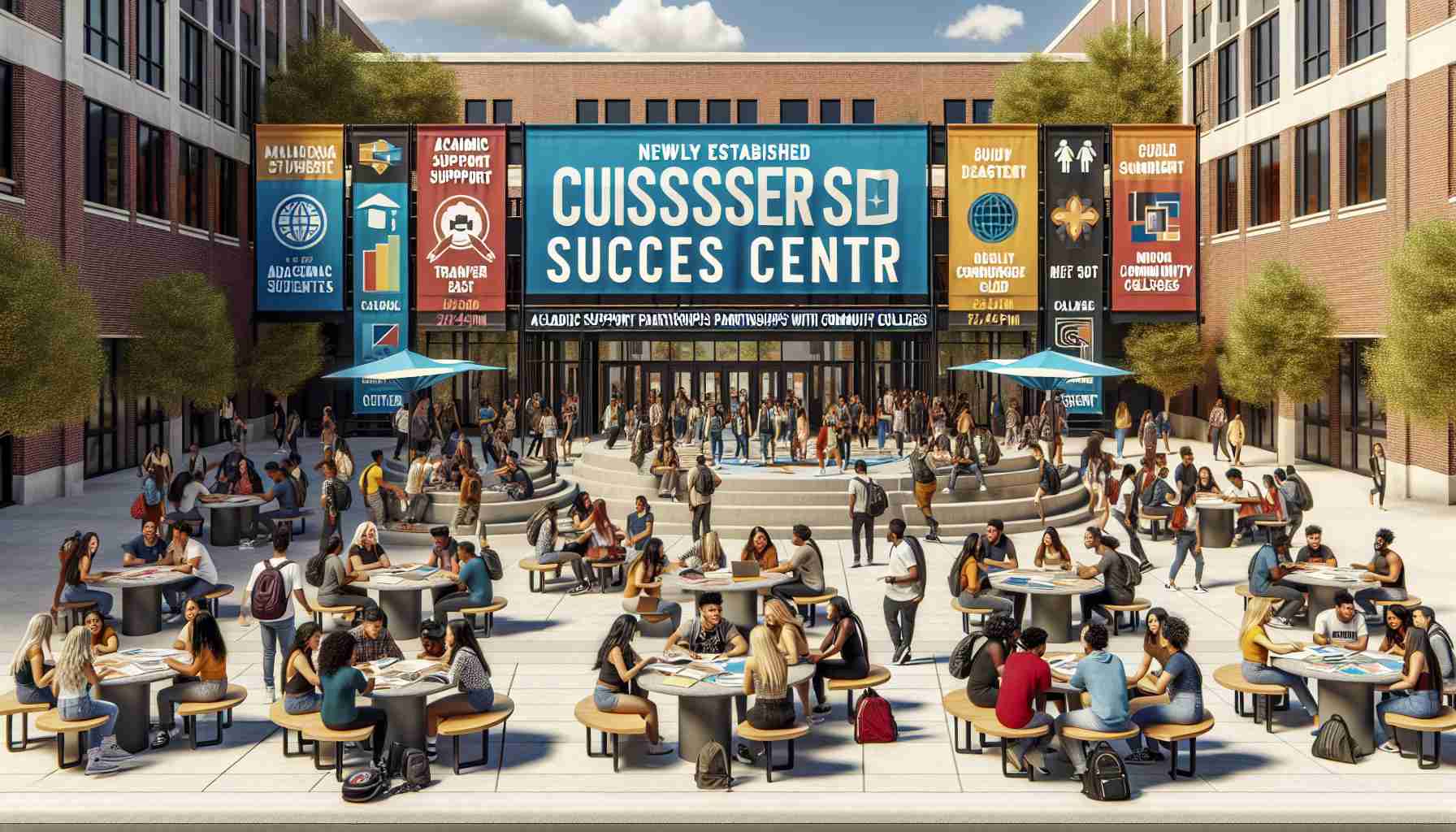
MSU’s commitment to becoming a transfer-friendly institution is evident in its plans to utilize the MiLEAP funding to enhance credit evaluation processes, implement innovative practices, and expand partnerships with community colleges. The establishment of a Transfer Student Success Center and a Transfer Advocacy Council are among the key initiatives designed to create equitable pathways for students. These efforts aim to streamline the transfer process, reduce credit loss, and provide tailored support to meet the unique needs of transfer students.
The importance of such initiatives cannot be overstated. They not only facilitate smoother transitions for students but also contribute to the overall goal of increasing degree attainment in Michigan. By addressing the barriers that community college students face, institutions like MSU are taking significant steps toward fostering a more inclusive and supportive educational environment. As the state continues to invest in these initiatives, the hope is that more community college students will successfully navigate the transfer process and achieve their academic and career aspirations.
The MiLEAP Initiative: Enhancing Support for Transfer Students
Michigan State University (MSU) is set to significantly enhance its support for community college transfer students, thanks to a nearly $1 million grant from the Michigan Department of Lifelong Education, Advancement and Potential (MiLEAP). This funding, part of the newly launched College Success Grant program, aims to address the challenges faced by transfer students and align with Michigan’s ambitious Sixty by 30 goal, which seeks to increase the number of working-age adults with a college degree or skill certificate to 60% by 2030.
The grant will fund several key initiatives designed to create a more supportive environment for transfer students. One of the most notable projects is the establishment of a Transfer Student Success Center located in the MSU Union. This center will serve as a dedicated space for transfer students, providing tailored resources and support to help them navigate their academic journey. By focusing on the unique needs of these students, MSU aims to foster a sense of belonging and community, which is crucial for their success.
In addition to the success center, the grant will also expand the Envision Green program, which was initially developed in partnership with Lansing Community College. This program will now include additional community colleges across Michigan, facilitating smoother transitions for students moving from two-year to four-year institutions. By broadening the scope of Envision Green, MSU hopes to create a more cohesive network of support that can help students overcome barriers to transfer.
Another critical component of the MiLEAP funding is the creation of a Transfer Advocacy Council. This council will focus on reforming policies and practices to ensure equitable pathways for transfer students to complete their degrees. By addressing systemic issues that hinder transfer success, the council aims to create a more inclusive environment that recognizes and values the contributions of transfer students.
Improving credit evaluation processes is also a priority for MSU. The grant will support efforts to streamline these processes, reducing the time it takes for students to have their credits evaluated and minimizing the loss of credits during the transfer. This is particularly important, as many community college students face significant challenges in having their previously earned credits recognized by four-year institutions. By enhancing Credit for Prior Learning opportunities, MSU aims to ensure that students receive appropriate recognition for their academic achievements, thereby facilitating a smoother transition to their bachelor’s degree programs.
The expected outcomes of these initiatives are promising. With MSU already recognized as a leading destination for transfer students in Michigan, the university anticipates that these enhancements will further increase the retention and graduation rates of transfer students. Currently, MSU boasts an impressive 86% completion rate for transfer students, a statistic that underscores the effectiveness of its existing support systems. The MiLEAP funding is expected to build on this success, making community college a more accessible and affordable pathway to a four-year degree.
Moreover, these initiatives align closely with the state’s Sixty by 30 goal, which emphasizes the importance of increasing degree attainment among Michiganders. By investing in the success of community college transfer students, MSU is not only enhancing its own educational offerings but also contributing to the broader economic and social fabric of the state. Governor Gretchen Whitmer has highlighted the significance of this investment, noting that it will help community college transfers earn their bachelor’s degrees, leading to higher incomes and rewarding careers in Michigan.
In summary, the MiLEAP funding awarded to MSU represents a strategic investment in the future of community college transfer students. Through the establishment of a Transfer Student Success Center, the expansion of the Envision Green program, the creation of a Transfer Advocacy Council, and improvements in credit evaluation processes, MSU is poised to create a more equitable and supportive environment for these students. As the university continues to enhance its support systems, it is well-positioned to play a pivotal role in achieving Michigan’s educational goals and ensuring that all students have the opportunity to thrive.
Challenges in the Transfer Process: Insights and Strategies
The transfer process from community colleges to four-year institutions presents a myriad of challenges that can significantly hinder students’ academic progress and success. Recent studies, including the work of Laura Schudde and Huriya Jabbar, highlight the complexities involved in this transition, revealing that only about one-third of community college students successfully transfer to four-year universities, and a mere 16% earn a bachelor’s degree within six years. These statistics underscore the urgent need for systemic reforms to facilitate smoother transitions for students.
One of the primary obstacles faced by community college students is the convoluted credit evaluation process. Many students enter community colleges with the intention of transferring to a four-year institution, yet they often find that the credits they have earned do not transfer as expected. This issue is exacerbated by a lack of communication between community colleges and universities, which can lead to confusion regarding course equivalencies and degree requirements. Students frequently report feeling overwhelmed by the need to navigate these complex systems without adequate guidance. The authors of “Discredited” argue that university faculty and administrators hold significant power in shaping transfer policies, often prioritizing institutional prestige over student success. This dynamic can create barriers that disproportionately affect students from marginalized backgrounds, who may already be at a disadvantage in the academic landscape.
Moreover, the lack of standardized associate degrees further complicates the transfer process. Many community colleges offer a variety of degree programs, but without a uniform structure, students may find themselves taking courses that do not align with the requirements of their intended four-year institution. To address this issue, experts advocate for the establishment of standardized associate degrees that guarantee junior status at public universities upon completion. Such reforms would not only streamline the transfer process but also provide students with a clearer pathway to achieving their academic goals.
In addition to credit evaluation challenges, community college students often face barriers related to support services. Many institutions lack dedicated resources for transfer students, which can leave them feeling isolated and unsupported during a critical transition period. The recent funding awarded to Michigan State University (MSU) through the MiLEAP College Success Grant program exemplifies a proactive approach to addressing these challenges. MSU plans to enhance its support systems by establishing a Transfer Student Success Center and creating a Transfer Advocacy Council to reform policies and practices for equitable pathways to degree completion. These initiatives aim to provide targeted assistance to transfer students, helping them navigate the complexities of the transfer process more effectively.
Furthermore, enhancing communication between community colleges and universities is essential for improving transfer outcomes. Institutions must work collaboratively to ensure that students receive accurate and timely information about transfer policies and requirements. This includes training community college advisers to stay updated on the latest transfer policies and providing students with clear guidance on how to prepare for a successful transition. By fostering a culture of collaboration and transparency, institutions can help demystify the transfer process and empower students to make informed decisions about their educational journeys.
In conclusion, addressing the challenges faced by community college students in the transfer process requires a multifaceted approach that includes improving credit evaluation processes, establishing standardized associate degrees, enhancing support services, and fostering better communication between institutions. By implementing these best practices, higher education stakeholders can create more equitable pathways for student success, ultimately increasing the number of community college students who successfully transfer to four-year institutions and earn their degrees.
The Role of State Initiatives in Increasing Degree Attainment
The recent initiatives in Michigan aimed at increasing college degree attainment reflect a broader commitment to enhancing educational access and success for all residents. The Michigan Guarantee, which provides tuition-free community college for high school graduates, is a significant step in this direction. This program not only alleviates the financial burden on students but also aligns with the state’s ambitious Sixty by 30 goal, which seeks to ensure that 60% of working-age adults hold a college degree or skill certificate by 2030. By making community college more accessible, the Michigan Guarantee serves as a vital entry point for many students, particularly those from underserved backgrounds, to pursue higher education.
Complementing this initiative is the MiLEAP funding, which recently awarded nearly $1 million to Michigan State University (MSU) to enhance support for community college transfer students. This funding is part of a broader strategy to improve the transfer process, which has historically been fraught with challenges. Despite the fact that 80% of community college students aspire to earn a bachelor’s degree, only 18% achieve this goal. The MiLEAP funding aims to address these disparities by improving credit evaluation processes, establishing a Transfer Student Success Center, and expanding partnerships with community colleges. These efforts are crucial in creating equitable pathways for students transitioning from community colleges to four-year institutions.
The significance of community colleges in this landscape cannot be overstated. They serve as essential access points for higher education, particularly for students who may not have the financial means or academic preparation to attend a four-year university directly. Community colleges not only provide affordable education but also offer programs tailored to meet local workforce needs, thereby contributing to the economic vitality of the state. As Michigan grapples with a skills gap in various industries, community colleges play a pivotal role in equipping students with the necessary skills and credentials to thrive in the job market.
Moreover, the focus on equitable access to education is paramount. Research from Wayne State University highlights the transformative value of a college education, emphasizing that higher education leads to better economic outcomes, job security, and improved quality of life. However, disparities persist based on race, gender, and socioeconomic status, underscoring the need for targeted interventions to support historically marginalized groups. Initiatives like the Michigan Guarantee and MiLEAP funding are steps toward addressing these inequities, but ongoing efforts are necessary to ensure that all students have the opportunity to succeed.
In summary, Michigan’s state initiatives, including the Michigan Guarantee and MiLEAP funding, represent a concerted effort to increase college degree attainment and create equitable pathways for students. By enhancing access to community colleges and supporting transfer students, these programs aim to address the educational and workforce needs of the state while fostering a more inclusive higher education system. As these initiatives unfold, their impact on student success and the broader economy will be closely watched, with the hope that they will lead to lasting improvements in educational attainment across Michigan.
Conclusion: Building Equitable Pathways for Student Success
The recent funding awarded to Michigan State University (MSU) through the MiLEAP College Success Grant program represents a significant step toward enhancing support for community college transfer students. With nearly $1 million allocated, MSU aims to implement initiatives that will streamline credit evaluation processes, expand partnerships with community colleges, and create dedicated support systems for transfer students. This investment is particularly crucial given the alarming trend of declining transfer rates in Michigan, where only 18% of community college students achieve their goal of earning a bachelor’s degree.
The initiatives funded by MiLEAP, such as the establishment of a Transfer Student Success Center and the creation of a Transfer Advocacy Council, are designed to address the unique challenges faced by transfer students. By improving credit evaluation processes and minimizing credit loss, MSU is taking proactive measures to ensure that students can transition smoothly from community colleges to four-year institutions. This approach not only benefits individual students but also aligns with broader state goals, such as Michigan’s Sixty by 30 initiative, which seeks to increase the number of working-age adults with a college degree or skill certificate to 60% by 2030.
The collaboration between educational institutions, policymakers, and community organizations is essential in creating equitable pathways for all students. As MSU continues to enhance its support for transfer students, it sets a precedent for other institutions in Michigan and beyond to follow suit. The long-term benefits of these initiatives extend beyond individual success; they contribute to the economic vitality of communities and the state as a whole, fostering a more educated workforce that can drive innovation and growth.
Reference:
MiLEAP Awards Nearly $1M to MSU to Enhance Support for Community College Transfer Students
Michigan Makes Community College Free for High School Graduates
Incumbents and Watchdog Compete for Washtenaw Community College Trustee Seats
Exploring the Complexities of Community College Transfer Processes
California Community College Transfer Rates Fall Short of Goals
Wayne State Research Highlights the Transformative Value of College Education and the Need for Equitable Access
Pathways to College Completion in the San Joaquin Valley
Houston GPS Equity Convening Enhances Student Success and Institutional Equity
Cal State Fullerton Receives $250,000 Grant to Enhance Black Student Success