
Introduction: The Significance of Campus Hubs in Higher Education
The concept of campus hubs is gaining traction in higher education as universities recognize the need for centralized spaces that foster student engagement, collaboration, and community building. These hubs serve as vital points of interaction, where students can connect with peers, faculty, and resources, ultimately enhancing their academic and social experiences. A recent example of this trend is Northeastern University‘s newly opened campus hub in Seattle, which officially launched on October 15, 2024. Housed in a historic 109-year-old warehouse, the Hub has been transformed into a vibrant center designed to promote collaboration among students and faculty across various disciplines, including the Khoury College of Computer Sciences and the College of Engineering.
The Hub’s design reflects a commitment to creating an inclusive environment that encourages interaction and engagement. The first floor features a student center equipped with study spaces, recreational areas, and easy access to staff offices, making it a one-stop shop for student needs. The second floor offers additional quiet study areas and dedicated workspaces for faculty, further emphasizing the importance of collaboration in academic settings. Dean and CEO of Northeastern’s Seattle campus, Dave Thurman, referred to the Hub as the “crown jewel” of the campus, highlighting its role in enhancing the overall student experience.
Northeastern’s investment in this campus hub aligns with a broader trend among universities to create spaces that facilitate community building and academic collaboration. For instance, Elon University has also made significant strides in enhancing student engagement through the development of new facilities and programs that emphasize experiential learning and relationship-building. Similarly, Vanderbilt University is embarking on a project to construct new residential colleges designed to foster collaboration and a sense of belonging among students, further illustrating the growing recognition of the importance of community spaces in higher education.
The impact of these campus hubs extends beyond mere physical spaces; they play a crucial role in shaping student experiences and outcomes. Research has shown that well-designed environments can significantly enhance student engagement and interaction, leading to improved academic performance and social connections. For example, a study published in the journal Humanities and Social Sciences Communications highlights the importance of library environments in fostering student interactions and learning engagement. This underscores the need for universities to prioritize the design of collaborative spaces that cater to the diverse needs of their student populations.
As universities continue to invest in campus hubs and similar facilities, the implications for student experiences are profound. These spaces not only provide essential resources and support but also create opportunities for students to engage with one another and their academic communities. The opening of Northeastern’s Hub in Seattle serves as a compelling case study in this evolving landscape, illustrating how thoughtful design and strategic investment can enhance the educational experience and foster a vibrant campus culture. Other institutions, such as UC San Diego and Vanderbilt University, are also making strides in this direction, further establishing the significance of community spaces in higher education.
The Role of Campus Facilities in Enhancing Student Engagement
The design and functionality of campus facilities play a crucial role in shaping student engagement and collaboration within higher education. Institutions like Northeastern University, Elon University, and UC San Diego have recognized the importance of creating spaces that not only accommodate academic activities but also foster a sense of community among students and faculty. These universities have invested in innovative hubs and neighborhoods that serve as catalysts for interaction, collaboration, and overall student success.
Northeastern University’s newly unveiled Hub in Seattle exemplifies this approach. Housed in a historic warehouse, the Hub has been transformed into a vibrant center for student engagement, featuring spaces designed for study, group work, and recreation. The first floor serves as a student center, equipped with amenities that encourage social interaction, such as ping pong tables and board games. This design reflects a growing understanding that informal spaces can significantly enhance student engagement by providing opportunities for spontaneous interactions among peers. Dean Dave Thurman emphasized that the Hub facilitates collaboration across different academic departments, reinforcing the idea that physical environments can break down silos and promote interdisciplinary learning.
Similarly, Elon University has made strides in enhancing its campus facilities to support student engagement. The university’s strategic plan, Boldly Elon, focuses on leveraging lessons learned over the past three decades to improve the educational experience. The recent introduction of new initiatives and facilities, such as the Loy Farm Living-Learning Community EcoVillage, underscores Elon’s commitment to creating spaces that foster relationship-building and community engagement. President Connie Ledoux Book highlighted that the core values of engagement remain central to Elon’s mission, suggesting that well-designed spaces are integral to achieving these goals.
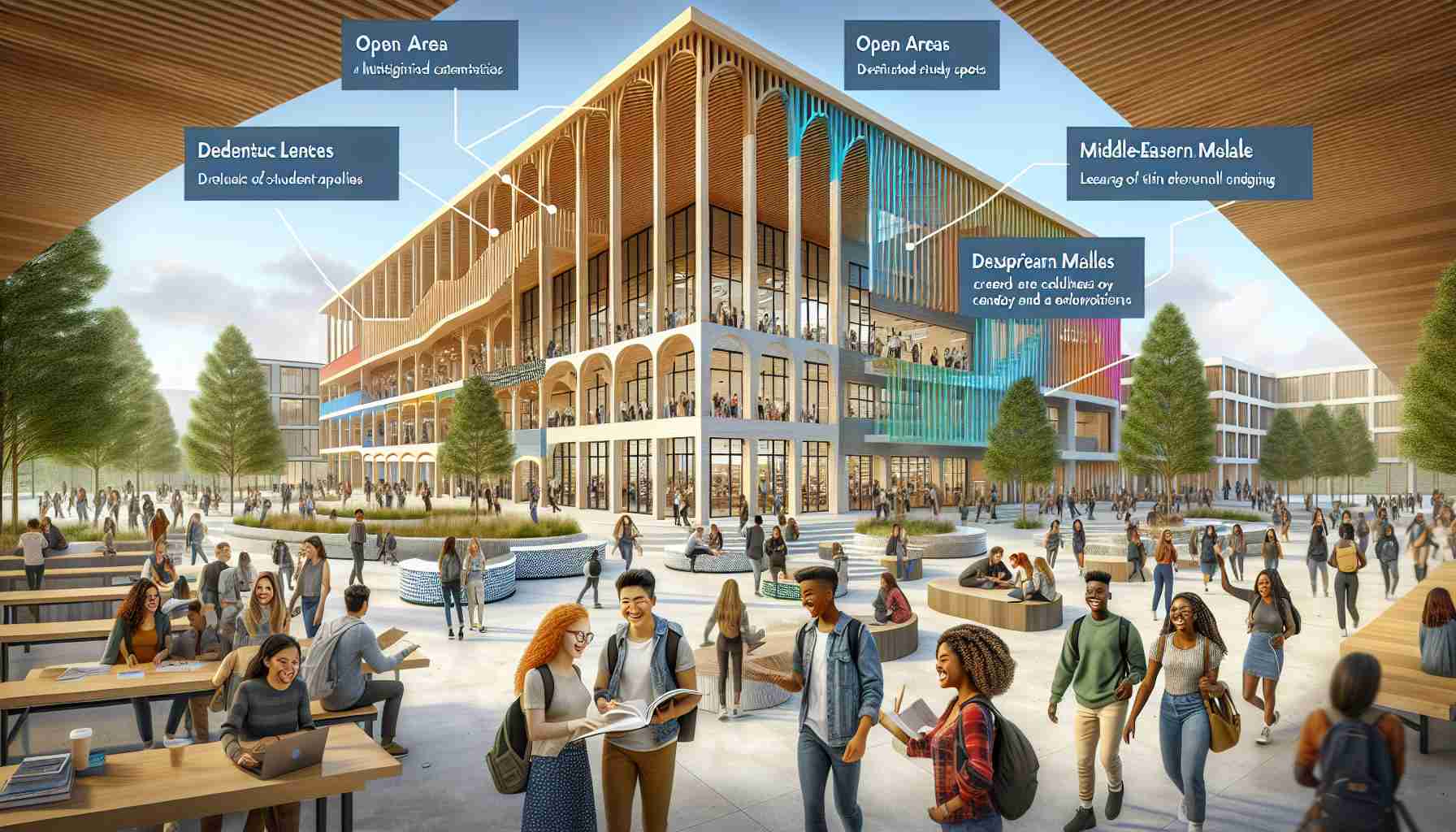
At UC San Diego, the opening of two new living and learning neighborhoods marks a significant investment in student housing and community development. These neighborhoods are designed to enhance the student experience by integrating academic and social opportunities. Chancellor Pradeep K. Khosla noted that the new facilities aim to create a welcoming environment that fosters community among students. The inclusion of amenities such as community kitchens and outdoor gathering spaces reflects a broader trend in higher education to design environments that promote collaboration and social interaction.
Research supports the notion that well-designed campus facilities can lead to increased student engagement. A study published in the journal Humanities and Social Sciences Communications highlights the critical role of library environments in enhancing academic achievement and fostering social creativity among students. The findings suggest that physical spaces significantly influence learning engagement, particularly when they are designed to encourage interaction among students. This aligns with the experiences at Northeastern, Elon, and UC San Diego, where the emphasis on collaborative spaces has been shown to enhance academic performance and student satisfaction.
The psychological and social benefits of well-designed campus facilities cannot be overstated. Spaces that promote collaboration and community contribute to a sense of belonging among students, which is essential for their overall well-being and academic success. For instance, the outdoor deck at Northeastern’s Hub provides a relaxing environment for students and faculty to unwind and connect, reinforcing the idea that social spaces are vital for mental health and community building. Similarly, the new neighborhoods at UC San Diego are designed to create intimate educational environments, allowing students to form deeper connections with their peers and faculty.
In conclusion, the impact of campus facilities on student engagement and collaboration is profound. Institutions like Northeastern University, Elon University, and UC San Diego are leading the way in designing spaces that foster interaction and community among students and faculty. As these universities continue to innovate and invest in their physical environments, they not only enhance the educational experience but also contribute to the holistic development of their students. The ongoing evolution of campus facilities reflects a broader understanding of the importance of creating environments that support collaboration, engagement, and well-being in higher education.
Community Spaces: Bridging Academic and Social Experiences
The recent developments at universities like Vanderbilt University and UC San Diego underscore the critical role that community spaces play in enhancing academic experiences. These institutions are not merely constructing new buildings; they are creating vibrant living-learning environments that integrate academic and social opportunities, fostering a sense of belonging and community among students.
At Vanderbilt University, the announcement of four new residential colleges in the Central Neighborhood is a significant step in the university’s FutureVU initiative, which emphasizes sustainability and accessibility. These residential colleges are designed to be more than just places to live; they are intended to cultivate a collaborative atmosphere where students can engage in integrative learning and leadership development. The design includes mixed-use spaces that encourage interaction, green areas that promote sustainable living, and a variety of living arrangements that cater to diverse student needs. This approach aligns with the university’s long-standing commitment to creating communities that support both academic success and personal growth.
Similarly, UC San Diego’s introduction of new living and learning neighborhoods reflects a strategic investment in student housing that prioritizes community building. The Pepper Canyon West Living and Learning Neighborhood and the Theatre District Living and Learning Neighborhood are designed to enhance the student experience by providing spaces that encourage social interaction and academic collaboration. With amenities such as community kitchens, large courtyards, and outdoor gathering spaces, these neighborhoods aim to create a welcoming environment that fosters connections among students. Chancellor Pradeep K. Khosla’s emphasis on the importance of on-campus housing and community-building initiatives highlights the university’s commitment to supporting student welfare and success.
The integration of academic and social opportunities within these community spaces is crucial for fostering a sense of belonging among students. Research has shown that students who feel connected to their peers and campus community are more likely to succeed academically and persist in their studies. By creating environments that facilitate interaction and collaboration, universities can enhance student engagement and retention. For instance, Vanderbilt’s residential colleges have been designed to promote integrative learning, where students can engage in advocacy and leadership development alongside their academic pursuits. This holistic approach not only enriches the educational experience but also prepares students for success beyond their time at the university.
Moreover, the implications of these developments extend beyond individual student success. By fostering a strong sense of community, universities can enhance their overall campus culture, making them more attractive to prospective students. As competition among institutions intensifies, the ability to offer vibrant, supportive environments will be a key differentiator. The investments made in community spaces at Vanderbilt and UC San Diego are indicative of a broader trend in higher education, where the focus is shifting towards creating inclusive and engaging environments that support the diverse needs of students.
In conclusion, the role of community spaces in enhancing academic experiences at universities cannot be overstated. As institutions like Vanderbilt University and UC San Diego continue to develop living-learning neighborhoods, they are not only improving the physical landscape of their campuses but also enriching the educational journeys of their students. By prioritizing collaboration, engagement, and a sense of belonging, these universities are setting a precedent for how higher education can evolve to meet the needs of today’s students.
Design Elements that Promote Collaboration in Educational Environments
The design of educational environments plays a crucial role in fostering collaboration among students, faculty, and staff, ultimately enhancing learning outcomes and community engagement. Recent developments at universities like Northeastern University, Elon University, and Vanderbilt University illustrate how thoughtful design can create spaces that promote interaction and collaboration.
Northeastern University’s new campus Hub in Seattle exemplifies this approach. The Hub, housed in a historic warehouse, has been transformed into a vibrant center for student engagement, featuring spaces for study, group work, and recreation. The design encourages interactions among students from different disciplines, such as computer science and engineering, which is essential for fostering interdisciplinary collaboration. Research indicates that environments that facilitate social interactions can significantly enhance student engagement and academic performance. A study published in Humanities and Social Sciences Communications highlights the importance of library environments in promoting student interactions, suggesting that well-designed spaces can lead to improved learning outcomes.
Similarly, Elon University has emphasized the importance of community and collaboration in its ongoing transformation. The university’s strategic plan, Boldly Elon, focuses on creating environments that support student engagement and relationship-building. New initiatives, such as the Loy Farm Living-Learning Community EcoVillage, are designed to integrate academic and social experiences, allowing students to collaborate on projects and engage with their peers in meaningful ways. This aligns with findings that suggest collaborative learning environments can enhance student satisfaction and retention.
Vanderbilt University is also making strides in this area with its plans to develop new residential colleges that foster a collaborative atmosphere. These colleges will feature mixed-use spaces designed to integrate academic and social opportunities, promoting a sense of belonging among students. The emphasis on sustainability and accessibility in the design reflects a growing recognition of the need for environments that support both academic success and student well-being. Research has shown that environments that prioritize health and wellness can lead to improved academic performance and overall student satisfaction.
The design principles employed by firms like Moody Nolan further illustrate the impact of thoughtful design on student health and collaboration. Their initiatives in K-12 education focus on creating flexible spaces that promote wellness and collaboration, such as calming zones and outdoor connections. These design elements not only support students’ mental and physical health but also encourage social interactions, which are vital for collaborative learning. The integration of natural elements and community resources in school design has been shown to enhance creativity and focus, further supporting the argument for environments that foster collaboration.
In conclusion, the evidence from various universities underscores the importance of intentional design in creating educational environments that promote collaboration. By prioritizing spaces that facilitate interaction and support student well-being, institutions can enhance both academic and social learning experiences. As universities continue to evolve, the integration of thoughtful design principles will be essential in shaping the future of education and fostering a sense of community among students and faculty.
Northeastern University’s Expansion Strategy and Its Local Implications
Northeastern University’s recent expansion strategy, highlighted by its merger with Marymount Manhattan College and the opening of a new campus hub in Seattle, reflects a broader vision to enhance educational offerings while fostering community engagement. This strategic growth is not merely about increasing enrollment numbers or geographical presence; it is deeply intertwined with the university’s mission to create inclusive and supportive environments for diverse student populations.
The merger with Marymount Manhattan College, a small liberal arts institution facing enrollment challenges, exemplifies Northeastern’s commitment to revitalizing educational opportunities in urban settings. By integrating MMC’s programs with its own resources, Northeastern aims to bolster the creative and performing arts, which have been constrained by financial limitations. This collaboration is particularly significant in a city like New York, where the landscape for small colleges has become increasingly precarious. The merger not only provides a lifeline for MMC but also enriches Northeastern’s offerings, allowing it to cater to a broader spectrum of students seeking specialized education in a vibrant urban environment.
Similarly, the establishment of the new campus hub in Seattle serves as a physical manifestation of Northeastern’s dedication to fostering community among its students, faculty, and staff. Located in the South Lake Union neighborhood, the Hub is designed to be a central space for collaboration and engagement, featuring study areas, recreational facilities, and outdoor spaces that encourage interaction. This approach aligns with contemporary educational trends that emphasize the importance of community spaces in enhancing student experiences. By creating environments that facilitate collaboration, Northeastern is not only addressing the academic needs of its students but also their social and emotional well-being.
However, such expansions are not without challenges. Integrating into local communities requires a nuanced understanding of the unique needs and dynamics of those areas. In Seattle, for instance, Northeastern must navigate the complexities of urban development, including housing affordability and environmental sustainability. The university’s growth must be balanced with a commitment to enhancing the local community, particularly in addressing issues such as the urban heat island effect and the need for green spaces, as highlighted in recent discussions about Seattle’s tree canopy. Engaging with local stakeholders and ensuring that the university’s presence contributes positively to the community will be crucial in this regard.
Moreover, as Northeastern expands its reach, it must remain vigilant in addressing the diverse needs of its student populations. The university’s mission emphasizes social justice and equity, which necessitates a proactive approach to inclusivity. This includes not only providing access to education but also ensuring that the educational experience is enriching and supportive for all students, particularly those from historically marginalized backgrounds. The integration of community-focused initiatives, such as partnerships with local organizations and programs that promote diversity, will be essential in achieving these goals.
Looking ahead, the future of higher education in urban settings like Seattle and New York City will likely be shaped by institutions that prioritize community engagement and adaptability. As universities like Northeastern continue to expand, they have the opportunity to redefine what it means to be an educational institution in a rapidly changing world. By fostering environments that promote collaboration, inclusivity, and community well-being, Northeastern University is positioning itself as a leader in the evolving landscape of higher education, one that recognizes the interconnectedness of academic success and community vitality.
Reference:
Northeastern University Unveils New Campus Hub in Seattle
Elon University Celebrates Opening Day 2024 with Focus on Transformation
The Impact of University Library Environment on Student Engagement and Interaction
Vanderbilt University to Develop New Residential Colleges in Central Neighborhood
UC San Diego Welcomes Students and New Living Neighborhoods
Does Teacher Collaboration Improve Student Achievement? Insights from the German PISA 2012 Sample
Moody Nolan Highlights School Initiatives to Enhance Student Health
Expanding Tree Canopy: A Climate Solution and Livability Boost
Northeastern University Merges with Marymount Manhattan College, Expanding into New York City