
Introduction to Reverse Career Fairs
In the landscape of career development, traditional job fairs have long been the standard approach for connecting students with potential employers. Typically, these events see students donning their best professional attire, armed with resumes, and navigating crowded venues to seek out opportunities. In this model, students are the ones who approach employers, often leading to a one-sided interaction where the pressure is on the student to impress. This conventional setup can result in repetitive conversations and a lack of genuine engagement, as employers may not have the time or incentive to delve deeply into the unique skills and experiences of each candidate.
However, a transformative shift is occurring with the introduction of Reverse Career Fairs, a model that flips this traditional approach on its head. In a Reverse Career Fair, it is the employers who take the initiative to engage with student organizations, allowing students to showcase their skills, projects, and passions in a more dynamic and interactive environment. This format fosters a more meaningful dialogue, as employers can explore the diverse talents and experiences of students in a less pressured setting. By allowing students to present their work and engage in discussions about their organizations, the Reverse Career Fair creates opportunities for authentic connections that can lead to more fruitful employment relationships.
The significance of this shift cannot be overstated. In a world where employers increasingly seek candidates with strong leadership, communication, and critical thinking skills—often honed through involvement in student organizations—the Reverse Career Fair provides a platform for students to demonstrate these competencies in real-time. Employers benefit from this model as well, gaining insights into the capabilities of students beyond what a resume can convey. This approach aligns with the evolving demands of the job market, where soft skills and practical experiences are becoming as crucial as academic qualifications.
Washington University in St. Louis (WashU) recently embraced this innovative model by hosting its inaugural Reverse Career Fair on September 26, 2024. The event took place at the Athletic Complex and featured employers engaging with representatives from various student organizations, including the Society of Women Engineers and WashU Out in STEM. Valeria Taglioni, an analyst at Anheuser-Busch and a WashU alumna, highlighted the value of this format, noting that it allowed her to hear about students’ real experiences and projects, providing a more authentic insight into their capabilities.
The objectives of the Reverse Career Fair at WashU were clear: to foster deeper connections between students and employers, to showcase the diverse talents of student organizations, and to create a more engaging and less intimidating environment for networking. The event was a departure from the university’s larger Career Expo, which typically features a vast number of employers and students, often leading to a more chaotic atmosphere. By focusing on meaningful interactions, the Reverse Career Fair aimed to enhance the quality of engagement between students and potential employers.
As the event unfolded, it became evident that this new model not only met the expectations of employers but also resonated with students eager to share their experiences and skills. For instance, members of the WashU Chess Club showcased their critical thinking abilities, while representatives from the WashU Poker Club highlighted the analytical skills developed through their activities. This emphasis on real-world applications of skills is a hallmark of the Reverse Career Fair, setting the stage for a more effective and engaging recruitment process.
The inaugural Reverse Career Fair at WashU marks a significant step forward in redefining how students and employers interact, paving the way for future events that prioritize meaningful connections and authentic engagement. As more institutions consider adopting this model, the potential for enhanced networking opportunities and improved career outcomes for students becomes increasingly promising.
The Impact of Reverse Career Fairs on Student-Employer Interactions
The inaugural Reverse Career Fair at Washington University in St. Louis (WashU) has introduced a transformative approach to student-employer interactions, allowing students to take the lead in showcasing their skills and experiences. This innovative format not only flips the traditional job fair model but also fosters deeper connections between students and employers, as highlighted by participants like Valeria Taglioni, an analyst at Anheuser-Busch and a WashU alumna. Taglioni noted that the Reverse Career Fair provided a refreshing departure from the repetitive conversations often encountered at conventional job fairs. Instead, it allowed her to engage with students from various organizations, gaining authentic insights into their projects and capabilities.
The effectiveness of Reverse Career Fairs lies in their ability to create a more dynamic and engaging environment for networking. Unlike traditional job fairs, where students often feel pressured to impress employers, the Reverse Career Fair empowers students to present their competencies in a more genuine manner. This shift not only alleviates the anxiety associated with job searching but also encourages students to articulate their experiences and skills in a way that resonates with employers. For instance, members of the WashU Chess Club effectively demonstrated their critical thinking and problem-solving abilities, inviting employers to consider the unique skills that chess players bring to the table. Such interactions highlight the potential for students to showcase their talents beyond the confines of a resume.
Moreover, the Reverse Career Fair format has the potential to increase participation and engagement from diverse student organizations. By welcoming all student groups, including pre-professional, social, and affinity clubs, the event aims to create a more inclusive atmosphere that reflects the varied interests and backgrounds of the student body. Ryan Tyler, co-president of Engineering Test Kitchen, expressed excitement about the networking opportunities this format provides, particularly for groups that tackle real-world problems presented by businesses. This inclusivity not only enriches the employer-student dialogue but also allows employers to connect with a broader range of talent, ultimately enhancing their recruitment efforts.
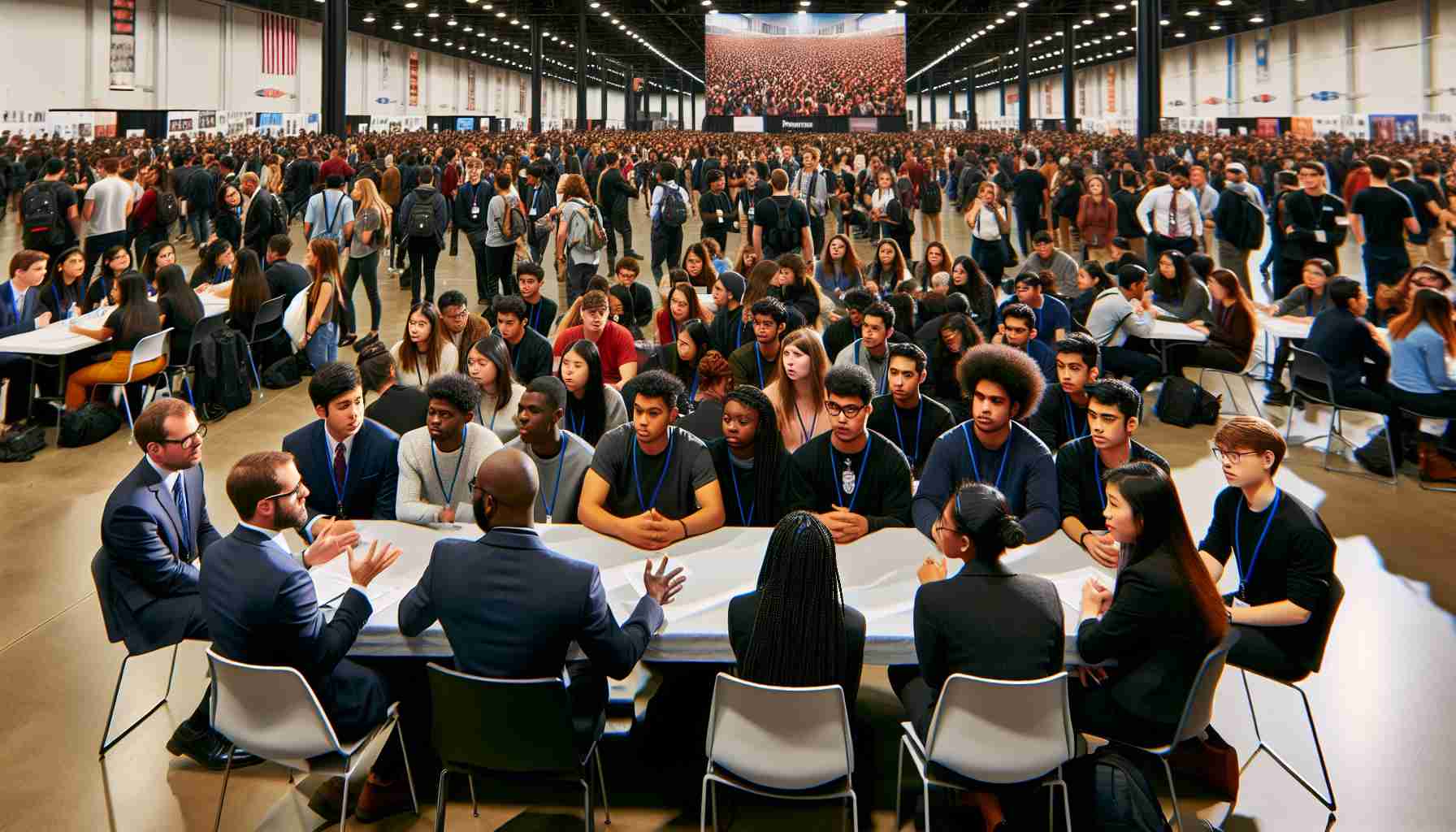
Comparatively, traditional job fairs often suffer from a lack of engagement, as students may feel like mere applicants rather than active participants in the hiring process. The Reverse Career Fair addresses this issue by fostering a more collaborative environment where students can engage with employers on their terms. This approach aligns with similar initiatives at other universities, such as Villanova University, which has also explored innovative career fair formats to enhance student-employer interactions. Villanova’s specialized career fair for civil engineering students, for example, aimed to create a tailored recruitment experience that better served the unique needs of its participants. By focusing on specific fields, these events have demonstrated the effectiveness of targeted networking opportunities in fostering meaningful connections.
The insights gained from the Reverse Career Fair at WashU and similar initiatives at other institutions underscore the importance of rethinking traditional career development strategies in higher education. As employers increasingly seek candidates with strong leadership, communication, and collaboration skills—often honed through involvement in student organizations—events like the Reverse Career Fair provide a platform for students to demonstrate these competencies in a real-world context. This shift not only benefits students by enhancing their networking opportunities but also equips employers with a more comprehensive understanding of the talent available on campus.
In conclusion, the Reverse Career Fair at WashU represents a significant evolution in how students and employers interact, paving the way for more authentic and engaging networking experiences. By allowing students to take the lead in showcasing their skills, this innovative format fosters deeper connections and enhances the overall effectiveness of career development initiatives in higher education. As more institutions adopt similar approaches, the potential for increased participation from diverse student organizations and the cultivation of essential workplace skills will undoubtedly contribute to a more vibrant and inclusive job market.
Innovative Career Development Strategies in Higher Education
In the evolving landscape of higher education, innovative career development strategies are becoming increasingly essential to prepare students for the complexities of the modern job market. One such strategy gaining traction is the integration of career services into the fabric of campus life, as advocated by leaders like Adam Weinberg, president of Denison University. Weinberg emphasizes that liberal arts colleges must evolve beyond traditional educational paradigms to include career readiness as a core component of the student experience. This shift is particularly crucial in light of rising educational costs and a competitive job market that demands more than just a degree.
Weinberg’s approach involves embedding career services throughout various aspects of student life, making them more accessible and relevant. For instance, Denison University has restructured its work-study programs to focus on developing career-related skills, such as technology proficiency and networking. This proactive strategy not only enhances students’ employability but also aligns their academic experiences with the skills that employers are actively seeking. By consulting with campus recruiters, universities can identify specific hard skills that students often lack, thereby closing the skills gap that exists between education and employment.
Complementing this approach is the ‘career everywhere’ strategy implemented by the University of Arizona (2025 USNews Ranking: 109) . This initiative integrates career development into the academic curriculum across various disciplines, ensuring that students are equipped with the necessary skills throughout their undergraduate journey. The University of Arizona has developed a comprehensive four-year career curriculum that guides students from their first year through to graduation, emphasizing the importance of internships, capstone projects, and leadership courses. By incorporating the National Association of Colleges and Employers (NACE) Career Competencies into course syllabi, the university aims to create a “career competency transcript” that showcases graduates’ readiness for the workforce.
Moreover, student organizations play a pivotal role in developing essential workplace skills that are highly valued by employers. These organizations provide students with opportunities to engage in real-world projects, collaborate with peers, and hone their leadership abilities. For example, at Washington University in St. Louis, the inaugural Reverse Career Fair allowed students from various organizations to showcase their skills and experiences directly to employers. This format not only shifted the traditional job fair model but also highlighted the competencies that students develop through their involvement in extracurricular activities. Employers are increasingly recognizing that skills such as critical thinking, teamwork, and effective communication are often cultivated in these settings, making student organizations a vital component of career readiness.
The Reverse Career Fair model exemplifies how innovative career development strategies can enhance student-employer interactions. By allowing employers to engage with student organizations rather than individual candidates, the event fosters a more dynamic and authentic dialogue about career opportunities. This approach not only alleviates the pressure on students to perform in traditional interview settings but also enables employers to gain a deeper understanding of students’ capabilities and experiences. As seen in the experiences shared by participants, such as members of the WashU Chess Club and Poker Club, students can effectively demonstrate their problem-solving and analytical skills in a more relaxed environment, ultimately making a stronger impression on potential employers.
In conclusion, the integration of career services into campus life, along with innovative models like the Reverse Career Fair, represents a significant shift in how higher education institutions are preparing students for the workforce. By fostering collaboration between academic departments, career services, and student organizations, universities can create a holistic approach to career readiness that equips students with the skills and experiences necessary to thrive in a competitive job market. As these strategies continue to evolve, they hold the potential to reshape the landscape of career development in higher education, ensuring that students are not only academically prepared but also career-ready upon graduation.
The Role of Student Organizations in Skill Development
Student organizations play a pivotal role in equipping university students with essential workplace skills that are highly sought after by employers. Through active participation in these organizations, students have the opportunity to develop competencies such as leadership, teamwork, and problem-solving, which are critical in today’s job market. The recent Reverse Career Fair at Washington University in St. Louis (WashU) exemplifies how student groups can effectively showcase these skills to potential employers.
At the Reverse Career Fair, employers engaged directly with student organizations rather than the traditional model where students approach employers. This innovative format allowed groups like the Society of Women Engineers and WashU Out in STEM to present their projects and experiences, highlighting their capabilities in a more authentic manner. Valeria Taglioni, an analyst at Anheuser-Busch and a WashU alumna, noted the value of hearing about students’ real experiences, which provided deeper insights into their skills and passions. This interaction not only showcased the students’ technical abilities but also their soft skills, such as communication and collaboration, which are increasingly important in the workplace.
The involvement in student organizations fosters a sense of community and collaboration among peers, which is essential for developing teamwork skills. For instance, members of the WashU Chess Club demonstrated critical thinking and strategic planning skills, inviting employers to consider how these abilities translate into real-world problem-solving scenarios. Similarly, the WashU Poker Club highlighted the analytical skills of its members, showcasing how their experiences in the game translate to mathematical reasoning and risk assessment—skills that are invaluable in many professional settings.
Moreover, the emphasis on work-based learning (WBL) and career and technical education (CTE) programs further underscores the importance of these student organizations. WBL connects students with employers through practical experiences, allowing them to apply classroom knowledge in real-world contexts. This integration of academic learning with hands-on experiences is crucial for preparing students for future employment. As noted in the WBL framework, structured activities that progress from career awareness to exploration and preparation help students build on their experiences over time, ultimately leading to greater career readiness.
Career and Technical Education (CTE) programs also play a significant role in this development. High-quality CTE programs incorporate rigorous curricula that reflect industry needs, integrating academic and technical skills. Participation in Career and Technical Student Organizations (CTSOs) allows students to engage in leadership opportunities, community service, and competitive events, all of which enhance their career readiness. These experiences not only build essential skills but also foster a sense of belonging and purpose among students, further motivating them to excel in their chosen fields.
The Reverse Career Fair at WashU is a testament to the effectiveness of these student organizations in preparing students for the workforce. By providing a platform for students to demonstrate their skills and engage with employers in a meaningful way, the event highlighted the competencies that are increasingly valued in the job market. As employers continue to seek candidates who can lead, communicate effectively, collaborate, and think critically, the role of student organizations in cultivating these skills cannot be overstated. The success of such initiatives reinforces the need for universities to support and promote student engagement in organizations that foster essential workplace skills, ultimately enhancing students’ employability and career prospects.
Conclusion: The Future of Career Fairs and Student Engagement
The inaugural Reverse Career Fair at Washington University in St. Louis represents a significant shift in the landscape of student-employer interactions, showcasing the transformative potential of innovative career development strategies. By flipping the traditional job fair model, where students typically approach employers, this event allowed employers to engage directly with student organizations, fostering a more dynamic and authentic dialogue. This approach not only enhances networking opportunities but also empowers students to showcase their skills and passions in a more meaningful way.
The success of the Reverse Career Fair underscores the importance of integrating career readiness into the fabric of higher education. As highlighted by Norma Guerra Gaier, the associate vice chancellor for career development at WashU, employers are increasingly seeking candidates who possess not just academic knowledge but also critical soft skills such as leadership, communication, and collaboration. These competencies are often cultivated through active participation in student organizations, which play a crucial role in preparing students for the demands of the job market. The event allowed students from diverse backgrounds, including engineering and social clubs, to present their unique experiences and projects, providing employers with a comprehensive snapshot of the talent available on campus.
Looking ahead, the future of career fairs in higher education may increasingly lean towards models like the Reverse Career Fair, particularly as the job market continues to evolve. With the rise of automation and changing industry demands, institutions must adapt their career development strategies to better equip students for success. This includes exploring alternative career fair formats that prioritize relationship-building and authentic interactions over traditional recruitment methods. As seen in the case of Villanova University’s specialized civil engineering career meetup, tailored recruitment experiences can significantly enhance student engagement and employer satisfaction.
Moreover, the integration of career services into various aspects of campus life, as advocated by leaders like Adam Weinberg of Denison University, is essential for fostering a culture of career readiness. By embedding career development into academic curricula and extracurricular activities, universities can ensure that students are not only prepared for their immediate job prospects but also equipped with the skills necessary for long-term career success.
In conclusion, the Reverse Career Fair at WashU exemplifies the potential of innovative career development strategies to enhance student-employer interactions and improve career readiness. As higher education institutions continue to navigate the complexities of the modern job market, it is imperative to explore alternative career fair models and their impact on student success. By prioritizing the development of essential workplace skills and fostering collaboration between students and employers, universities can better prepare their graduates for the challenges and opportunities that lie ahead.
Reference:
Employers Pitch Opportunities at WashU’s Inaugural Reverse Career Fair
Villanova University Hosts Successful Civil Engineering Career Meetup
Montana State University News Update
Liberal Arts Colleges Must Integrate Career Services into Campus Life
Innovative Approaches to Career Readiness in Higher Education
Introduction to Work-Based Learning: A Comprehensive Guide
Signature Features of High-Quality Career and Technical Education
India’s Employment Crisis: Jobless Growth, Automation Threats, and Climate Change Impact
11 Essential Soft Skills In 2024 (With Examples)
Top 10 Skills Employers Are Looking for in 2024