
George Washington University Completes Arming Implementation: A New Era in Campus Safety
On September 6, 2024, George Washington University (2024 USNews Ranking: 67) (GWU) announced the completion of its police department’s final phase of arming implementation. This significant milestone marks the end of a year-long, phased process aimed at enhancing the university’s ability to respond to life-threatening emergencies. With approximately one-third of the police force, or 22 supervisory officers, now armed, the university has taken a decisive step in its commitment to campus safety. Notably, GWU has chosen not to arm non-supervisory officers, who are primarily responsible for daily interactions with the university community.
The decision to arm the police department was not made in isolation. It was informed by extensive community feedback, which played a crucial role in shaping the policies and training requirements of the GWU Police Department (GWPD). This article will explore the implications of GWU’s arming implementation, the role of community feedback in shaping campus safety policies, and the broader context of police training and accountability in U.S. universities.
The Role of Community Feedback in Shaping Campus Safety Policies
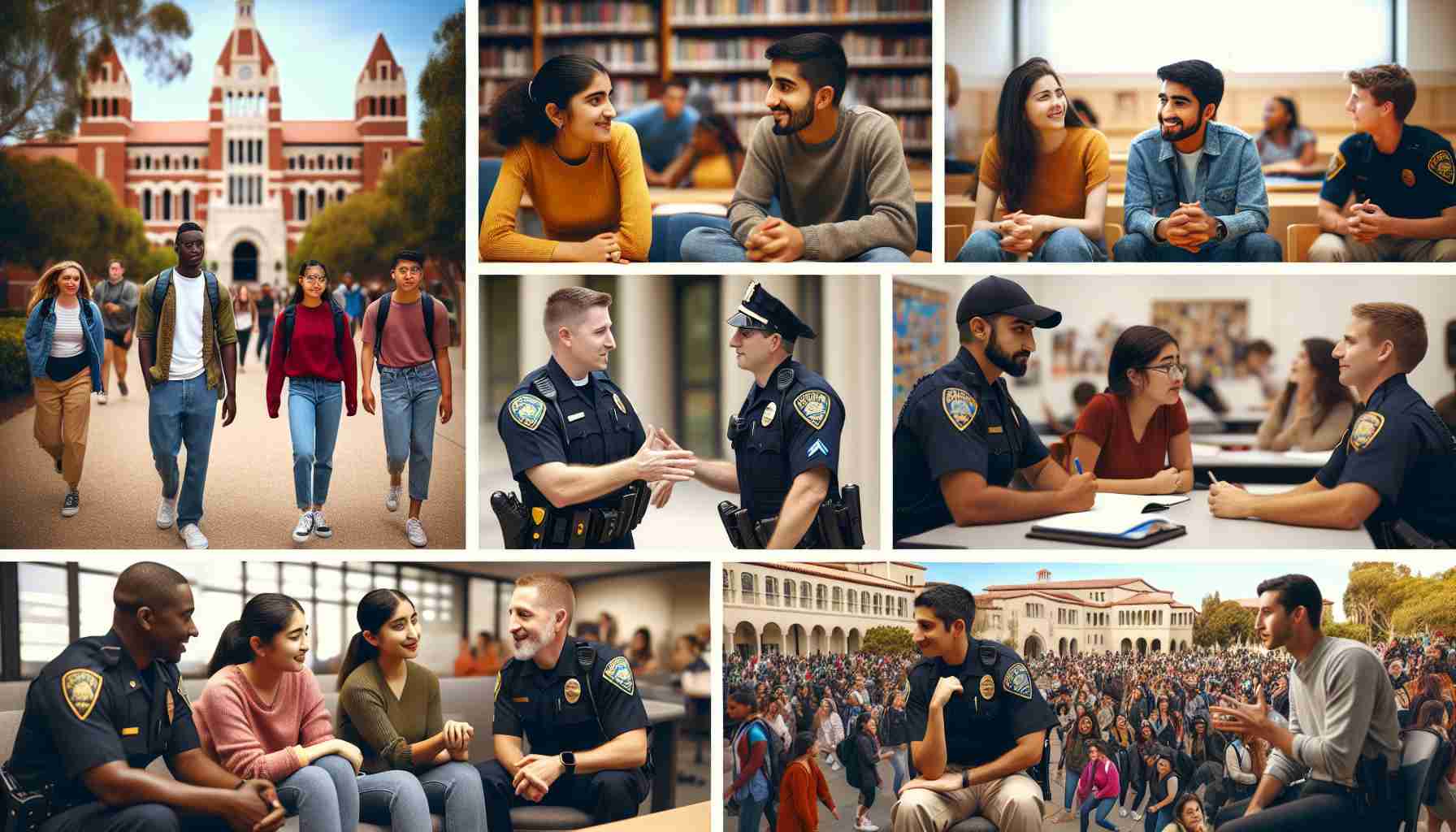
The establishment of a new Campus Safety Advisory Committee at GWU is a testament to the university’s commitment to community engagement. This committee, formed in response to community feedback, aims to enhance awareness and participation in campus safety matters. Comprising students, faculty, staff, and neighborhood representatives, the committee meets regularly to define and share concepts of campus safety, providing annual reports and recommendations.
Community feedback is essential in shaping campus safety policies, as it fosters a sense of ownership and accountability among stakeholders. For instance, at the University of Massachusetts Dartmouth (UMass Dartmouth), the police department has emphasized community policing, focusing on building positive relationships with students and staff. The department’s mission is to provide student-centered policing services, ensuring safety and protection of personal property. This approach not only enhances the quality of life for students but also plays a critical role in recruitment and retention rates.
The importance of community involvement in campus safety is further underscored by the Clery Act, which mandates that universities report campus crime statistics and enhance safety awareness. By encouraging accurate reporting and providing various safety services, universities can create a more secure environment for their communities.
Enhancing Police Training: De-escalation and Crisis Management
As part of the arming implementation process, GWU has updated its police training requirements to include critical areas such as implicit bias, mental health response, and de-escalation techniques. The emphasis on de-escalation is particularly noteworthy, as it equips officers with the skills necessary to manage potentially volatile situations without resorting to force.
Recent research published in Frontiers in Psychology highlights the potential of virtual reality (VR) technology in enhancing police training, particularly in handling mental health crises. The study found that officers who underwent VR training exhibited improved physiological responses and decision-making abilities in high-pressure scenarios. This innovative approach to training could serve as a model for other universities seeking to improve their police training programs.
Moreover, the establishment of an independent review board at GWU to oversee the use of force by armed officers adds an additional layer of accountability. This board will assess whether the use of firearms aligns with the university’s use-of-force policies and will publish annual reports summarizing its findings and recommendations. Such measures are crucial in ensuring that police departments operate transparently and are held accountable for their actions.
The Broader Context of Campus Safety in U.S. Universities
The arming of police departments at universities is not an isolated phenomenon. Across the United States, many institutions are grappling with the complexities of campus safety in an era marked by heightened concerns about violence and security. The tragic events at the Rantoul Police Department in Illinois, where two fatal shootings prompted calls for improved training and transparency, illustrate the urgent need for effective police training and accountability in educational environments.
In response to these challenges, universities are increasingly adopting community-oriented policing models that prioritize collaboration between law enforcement and the campus community. This approach not only enhances safety but also fosters trust and understanding between police officers and students. For example, the police department at UMass Dartmouth has implemented various safety measures, including emergency notifications and crime prevention education, to empower students and staff to take an active role in their safety.
Conclusion: A Path Forward for Campus Safety
The completion of the arming implementation at George Washington University represents a significant step forward in the university’s commitment to campus safety. By actively engaging the community in shaping safety policies and prioritizing comprehensive training for police officers, GWU is setting a precedent for other institutions to follow. The emphasis on de-escalation techniques and the establishment of independent oversight mechanisms are critical components of a responsible approach to campus safety.
As universities across the nation continue to navigate the complexities of campus safety, the lessons learned from GWU’s experience can serve as a valuable guide. By fostering community engagement, prioritizing effective training, and ensuring accountability, universities can create safer environments for students, faculty, and staff alike.
In summary, the journey toward enhanced campus safety is ongoing, and it requires a collaborative effort from all stakeholders involved. As institutions of higher education strive to balance security with the need for a supportive and inclusive environment, the experiences of George Washington University and other universities can inform best practices and pave the way for a safer future.
References
- George Washington University Completes Arming Implementation: GW Today
- UMass Dartmouth Police Department Enhances Campus Safety: UMass Dartmouth
- Temple University Appoints John Fry as 15th President: Temple News
- Enhancing Police De-escalation Skills through VR Training: Frontiers in Psychology
- Rantoul Police Department’s Training Controversy After Fatal Shootings: Illinois Student Newsroom