
Introduction: Syracuse University’s New Center in Washington, D.C.
The recent opening of Syracuse University‘s new center in Washington, D.C., marks a significant milestone in the university’s strategic vision and commitment to enhancing student career opportunities. Located at 1333 New Hampshire Avenue, this center is not merely a physical space; it represents a pivotal hub for students, faculty, and alumni to engage with the heart of American policy-making and public affairs. Chancellor Kent Syverud underscored the center’s importance during the opening ceremony, emphasizing its role in helping students build their futures in a city that serves as a nexus for government, media, and law.
The center is designed to facilitate a range of study away programs, particularly through the Maxwell School of Citizenship and Public Affairs, the Newhouse School of Public Communications, and the College of Law. These programs will enable hundreds of students to immerse themselves in the D.C. environment each year, gaining invaluable experience and insights that are crucial for their professional development. With over 15,000 alumni residing in the area, the center will also serve as a vital link between current students and alumni, fostering mentorship and internship opportunities that can significantly enhance career trajectories.
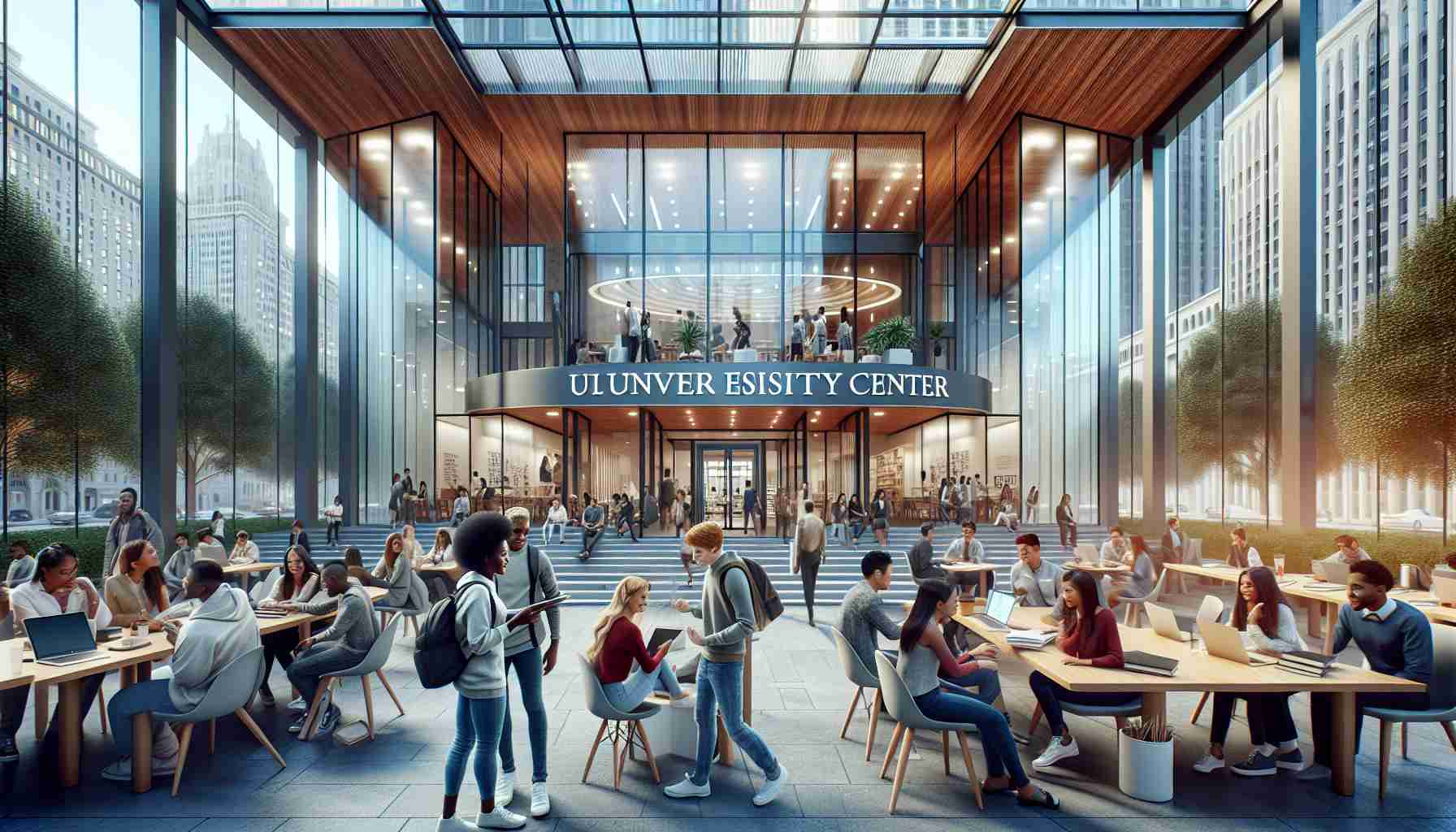
In an era where higher education is increasingly scrutinized for its ability to prepare students for the workforce, Syracuse University’s D.C. center positions the university as a proactive player in addressing these challenges. By creating a dedicated space for academic and professional engagement, the university is not only enhancing its influence in policy discussions but also reinforcing its commitment to student success. The center’s facilities, which include classrooms, lounges, and conference rooms, are designed to support collaborative learning and networking, essential components in today’s competitive job market.
Moreover, the center aligns with Syracuse University’s strategic plan, “Leading With Distinction,” which envisions expanding study away programming and solidifying the university’s presence in Washington, D.C. This initiative reflects a broader trend in higher education, where institutions are recognizing the importance of experiential learning and real-world connections in preparing students for their future careers. As the landscape of higher education evolves, Syracuse University’s D.C. center stands out as a model for how universities can leverage their resources and networks to create meaningful opportunities for their students, ultimately positioning them as leaders and change-makers in their respective fields.
The Impact of University Centers on Student Career Development
The establishment of university centers in Washington, D.C., such as Syracuse University’s new center, represents a significant opportunity for students to enhance their career trajectories through unique access to internships, networking, and mentorship. These centers serve as vital conduits between academic institutions and the professional world, particularly in fields like policy, government, media, and law, where proximity to the nation’s capital can yield substantial advantages.
Syracuse University’s center is designed to facilitate connections between students and its extensive alumni network in the D.C. area, which boasts over 15,000 graduates. This network is crucial for students seeking internships and job placements, as alumni often serve as mentors and provide valuable insights into navigating the complexities of their respective fields. The center’s focus on creating a dedicated space for students to engage with influential professionals underscores the importance of location in shaping career opportunities.
Similar initiatives at other universities highlight the broader implications of such centers. For instance, the University of Central Florida (2025 USNews Ranking: 121) (UCF) has made significant strides in enhancing career readiness through its Kenneth G. Dixon Career Development Center. With a recent $10 million donation aimed at bolstering career services, UCF has established strong partnerships with industry leaders, allowing students to participate in recruitment events, resume reviews, and mock interviews. In the 2023-24 academic year alone, UCF reported over 9,000 student participants and nearly 500 employers at its career expos, demonstrating the effectiveness of its career development initiatives. This model illustrates how strategic investments in career services can lead to increased student engagement and success rates.
Similarly, the University of Chicago‘s Crown Family School of Social Work, Policy and Practice has implemented a program known as “Washington Week,” which immerses students in the D.C. environment. During this annual trip, students connect with alumni and professionals in government, gaining insights into potential career paths. Feedback from participants indicates that these experiences not only empower students but also broaden their understanding of the diverse opportunities available to them. For example, students reported feeling inspired and motivated after meeting accomplished alumni who shared their career journeys, reinforcing the value of mentorship and networking in shaping future leaders.
Statistics further emphasize the importance of these initiatives. Research indicates that students who engage in internships and networking opportunities are more likely to secure employment after graduation. A study by the National Association of Colleges and Employers found that 60% of employers prefer candidates with internship experience, and students who complete internships are 70% more likely to receive job offers. This data underscores the critical role that university centers play in facilitating access to internships and professional networks, ultimately influencing students’ career outcomes.
Moreover, the presence of university centers in strategic locations like Washington, D.C., enhances students’ ability to engage with influential networks. The proximity to government agencies, non-profits, and major media outlets provides students with unparalleled access to internships and job opportunities that may not be available elsewhere. This geographic advantage can significantly impact students’ career trajectories, as they are more likely to secure positions that align with their academic and professional aspirations.
In conclusion, the establishment of university centers in Washington, D.C., such as Syracuse University’s, represents a transformative opportunity for students to enhance their career development. By providing access to internships, networking, and mentorship, these centers play a crucial role in shaping students’ professional futures. As demonstrated by the experiences of other universities like UCF and the University of Chicago, strategic investments in career services and the cultivation of alumni networks can lead to increased student engagement and success, ultimately preparing the next generation of leaders to thrive in their chosen fields.
The Role of Alumni Networks in Supporting Current Students
Alumni networks play a pivotal role in enhancing career opportunities for current students, serving as a bridge between academic experiences and professional success. Universities across the United States are increasingly recognizing the importance of these connections, implementing initiatives that foster engagement between alumni and students. The Neag School of Education at the University of Connecticut (UConn) exemplifies this trend with its dedicated Alumni Board, which focuses on creating meaningful connections and support systems for current students. This board comprises a diverse group of graduates who leverage their experiences to mentor and guide the next generation of educators. By facilitating networking opportunities and professional development programs, the Neag School aims to enhance the educational outcomes and career readiness of its students.
Similarly, the Ted Rogers School of Management at Toronto Metropolitan University has made significant strides in utilizing its alumni network to empower students. Through initiatives like the Co-op Connect Kick-Off and Mock Interview Week, alumni actively engage with students, providing them with invaluable insights and practical skills necessary for navigating the job market. These events not only help students build confidence but also allow alumni to refine their leadership abilities, creating a mutually beneficial relationship that strengthens the entire community. The impressive employment rate of 92.5% for students participating in the Ted Rogers Co-op program underscores the effectiveness of these alumni-driven initiatives in preparing students for successful careers.
The impact of alumni networks extends beyond immediate career opportunities; they also foster long-term relationships that can shape the future of both students and institutions. For instance, the University of Chicago’s Crown Family School of Social Work, Policy and Practice organizes annual trips to Washington, D.C., where students connect with alumni working in influential positions. These interactions not only provide students with insights into potential career paths but also instill a sense of empowerment and inspiration. Alumni serve as role models, demonstrating the diverse opportunities available to graduates and encouraging students to envision themselves as future leaders in their fields.
Moreover, the commitment of alumni to give back to their alma maters can lead to significant philanthropic contributions that enhance educational programs and resources. Kenneth Dixon’s recent $10 million pledge to the University of Central Florida (UCF) is a prime example of how alumni can impact their institutions. His donation aims to bolster career services and athletics, reflecting a deep commitment to student success. Such contributions not only improve the university’s offerings but also create a culture of giving back that inspires current students to engage with their communities and support future generations.
The long-term benefits of strong alumni connections are evident in the professional trajectories of graduates. Alumni who actively participate in mentoring and networking initiatives often find themselves more engaged with their institutions, leading to a cycle of support that benefits both current students and alumni alike. As these connections deepen, they create a robust ecosystem of professional development that can significantly enhance career prospects for students. The collaborative efforts between alumni and current students foster a sense of belonging and community, reinforcing the idea that education is not just about acquiring knowledge but also about building relationships that last a lifetime.
In conclusion, the role of alumni networks in enhancing career opportunities for current students cannot be overstated. Initiatives from institutions like UConn and the Ted Rogers School of Management illustrate the transformative power of alumni engagement in shaping the next generation of leaders. By fostering mentorship, networking, and professional development, universities can create a supportive environment that empowers students to thrive in their careers and contribute positively to society. As these networks continue to evolve, they will undoubtedly play a critical role in the future of higher education, reinforcing the importance of community and collaboration in achieving success.
The Intersection of Collegiate Sports and Public Policy
The recent opening of Syracuse University’s new center in Washington, D.C., represents a significant step in the intersection of collegiate sports and public policy, particularly in the context of the evolving landscape surrounding Name, Image, and Likeness (NIL) opportunities for student-athletes. This center is not merely a physical space; it is envisioned as a hub for dialogue and engagement on critical issues, including the implications of NIL policies that have transformed the collegiate sports environment.
As the NCAA has shifted its stance to allow student-athletes to profit from their NIL, universities are grappling with the complexities of this new reality. Syracuse’s center, with its focus on policy and public affairs, is ideally positioned to facilitate discussions that can inform and shape the future of NIL regulations. The panel discussion at the center’s opening, featuring prominent figures such as James Phillips, commissioner of the Atlantic Coast Conference, and Syracuse’s own women’s basketball coach Felisha Legette-Jack, underscores the urgency and relevance of these conversations. Their insights can help illuminate the potential benefits and pitfalls of NIL for student-athletes, as well as the broader implications for collegiate athletics.
The emergence of initiatives like Phil Knight’s Division Street at the University of Oregon further exemplifies how universities are responding to the NIL landscape. Division Street aims to empower student-athletes by providing them with the tools and resources to navigate NIL opportunities effectively. This model not only supports athletes in monetizing their personal brands but also emphasizes the importance of education in understanding the legal and financial ramifications of such deals. As Syracuse University seeks to establish itself as a thought leader in this arena, it can draw lessons from Oregon’s approach, potentially creating a similar framework that prioritizes student-athlete education and protection.
The implications of these trends extend beyond individual athletes; they challenge the traditional structures of collegiate sports. As universities adapt to a new era where athletes can engage in commercial activities, the need for informed policy-making becomes paramount. Institutions must consider how to balance the interests of student-athletes with the integrity of collegiate sports. This includes addressing concerns about equity, as not all athletes will have the same opportunities to capitalize on their NIL rights. The discussions facilitated by Syracuse’s center can play a crucial role in advocating for policies that ensure fair access and support for all student-athletes, regardless of their sport or marketability.
Moreover, the center’s strategic location in Washington, D.C., allows for direct engagement with policymakers and stakeholders who influence the regulatory landscape of collegiate athletics. By fostering connections between students, alumni, and industry leaders, Syracuse can create a robust network that not only supports student-athletes but also contributes to the development of sound public policy. This aligns with the university’s broader strategic plan, “Leading With Distinction,” which emphasizes the importance of preparing students to be informed citizens and leaders in their fields.
As the collegiate sports landscape continues to evolve, the relationship between sports and public policy will only grow in significance. Syracuse University’s new center stands as a testament to the university’s commitment to addressing these challenges head-on, providing a platform for critical discussions that can shape the future of collegiate athletics. By leveraging its resources and expertise, Syracuse has the potential to lead the way in creating a more equitable and informed environment for student-athletes navigating the complexities of NIL opportunities.
Conclusion: Strategic Planning and Future Directions for Syracuse University
The recent opening of Syracuse University’s new center in Washington, D.C., represents a significant milestone in the university’s strategic plan, “Leading With Distinction.” This initiative not only enhances the university’s presence in the nation’s capital but also serves as a vital resource for students, faculty, and alumni, fostering connections that can lead to career advancement and impactful engagement in policy and public affairs. Chancellor Kent Syverud’s remarks during the opening ceremony underscored the center’s role as a catalyst for student success, emphasizing the importance of Washington, D.C., as a hub for future leaders in various fields, including government, media, and law.
The center is designed to facilitate study away programs from the Maxwell School of Citizenship and Public Affairs, Newhouse School of Public Communications, and the College of Law, allowing students to immerse themselves in the political and social dynamics of the capital. With over 15,000 alumni in the area, the center will also serve as a bridge connecting current students with experienced professionals who can provide mentorship and internship opportunities. This alignment with the university’s strategic goals highlights the importance of alumni networks in supporting current students’ career development, a theme echoed across various institutions.
Moreover, the center’s commitment to supporting the D’Aniello Institute for Veterans and Military Families (IVMF) further illustrates Syracuse University’s dedication to addressing the unique needs of veteran students. By providing a permanent presence in Washington, the center aims to enhance the IVMF’s impact on veterans and their families, aligning with broader trends in higher education that prioritize inclusivity and support for diverse student populations.
As Syracuse University continues to implement its strategic plan, the establishment of this center is a clear indication of the institution’s forward-thinking approach to education and community engagement. The university’s vision for the future emphasizes the need for ongoing investment in student resources, alumni engagement, and policy advocacy, ensuring that students are well-equipped to navigate the complexities of their chosen fields.
In conclusion, the opening of Syracuse University’s center in Washington, D.C., is not merely a physical expansion but a strategic move that embodies the university’s commitment to student success and institutional growth. As the landscape of higher education evolves, it will be essential for universities to explore further research and initiatives that enhance their role in society, particularly in fostering connections between students and the professional world. The center stands as a testament to the potential of higher education institutions to serve as catalysts for change, empowering students to become influential leaders in their communities and beyond.
Reference:
Syracuse University Opens New Center in Washington, D.C.
Kenneth Dixon Pledges $10 Million to Empower UCF Students’ Career Readiness, Elevate Athletics
Crown Students Leave Trip to Washington, D.C. Feeling ‘Empowered’
Meet the Neag School’s 2024-25 Alumni Board
Empowering the Next Generation: Alumni Support for Students at Ted Rogers School of Management
Phil Knight’s New Venture Aims to Empower UO Student-Athletes with NIL Opportunities
The Impact of the Post-9/11 GI Bill on Veteran Education and Employment Outcomes
Universities Support Creates Pathway for Veterans to Find New Purpose
2023 Higher Education Power 100: Influential Leaders in New York’s Academic Landscape
Nancy Cantor: A Visionary Leader in Higher Education