
Introduction: The Role of Physician Assistants in Healthcare
Physician Assistants (PAs) are increasingly recognized as essential players in the healthcare landscape, bridging gaps in patient care and enhancing access to medical services. Their versatility allows them to work across a broad spectrum of specialties, from primary care to emergency medicine, making them invaluable assets in various medical settings. With the growing demand for healthcare services, particularly in underserved areas, the role of PAs is more critical than ever.
One of the driving forces behind the rising need for PAs stems from the ongoing physician shortage, exacerbated by factors such as an aging population and the increasing prevalence of chronic diseases. As healthcare systems strive to deliver quality care while managing costs, PAs step in to alleviate the burden on physicians, allowing for more efficient patient management and improved outcomes. Their training equips them with a comprehensive understanding of medical practices, enabling them to perform a wide range of tasks, including diagnosing illnesses, developing treatment plans, and even assisting in surgeries.
The educational journey of a PA is rigorous and multifaceted, typically involving a master’s degree program that spans approximately 27 months. At institutions like Weill Cornell Medicine, the PA curriculum emphasizes hands-on experience through clinical rotations across various specialties. This structure not only prepares students to handle diverse medical scenarios but also fosters adaptability and critical thinking—skills that are essential in today’s fast-paced healthcare environment.
On January 17, 2025, Weill Cornell Medicine held a welcoming ceremony for its newest cohort of PA students, marking the beginning of a transformative journey. Among the 34 students receiving their short white coats was Jordyn Green, whose inspiration to pursue a career in healthcare blossomed during a challenging emergency room visit with her father. This personal connection to the healthcare system is a common thread among many PA students, as they often draw motivation from their own experiences and the desire to make a positive impact on patients’ lives.
During the ceremony, Kelly R. Porta, the newly appointed director of the PA program, highlighted the significance of the white coat, urging students to view it as a symbol of their commitment to humanism and patient advocacy. This sentiment was echoed by Jordan Dragon, a recent graduate who shared her own journey of resilience and the importance of leaning on support networks throughout their training. Such narratives underscore the emotional and psychological challenges that PA students may face as they navigate the demands of their education.
The diversity of backgrounds among PA students enriches their learning environment and enhances their ability to connect with patients from various walks of life. For instance, Jeremy Wilson, a first-generation college graduate, spoke about how his grandmother’s influence inspired him to pursue a career in patient care after gaining clinical experience in different healthcare settings. His story exemplifies the profound impact that personal experiences can have on career choices in the medical field.
As these new students embark on their educational journeys, they will encounter a myriad of challenges, from mastering complex medical knowledge to managing the emotional toll of patient care. However, the support they receive from faculty, peers, and mentors will be crucial in helping them overcome obstacles and thrive in their roles as future PAs. The commitment to fostering a collaborative and supportive learning environment is essential, as it will empower these students to become compassionate and competent healthcare providers, ready to meet the evolving needs of the communities they serve.
With the foundation laid during their time at Weill Cornell Medicine, these PA students are set to embark on a path that not only promises personal growth but also holds the potential to reshape the healthcare landscape. As they don their white coats and step into their clinical rotations, they carry with them the hopes and expectations of a profession that is vital to the future of healthcare delivery. Their journey ahead is filled with opportunities to make a meaningful difference, and the healthcare system will undoubtedly benefit from their dedication and expertise.
The White Coat Ceremony: A Symbol of Commitment
The white coat ceremony stands as a pivotal rite of passage for physician assistant (PA) students, symbolizing not just the beginning of their professional journey but also their commitment to the core values of healthcare—humanism, patient advocacy, and service to underserved communities. This ceremonial moment, where students don their short white coats for the first time, encapsulates the weight of responsibility they are about to shoulder and the profound impact they will have on the lives of their future patients.
For Jordyn Green, the experience of receiving her white coat was deeply personal. Reflecting on her emergency room visit with her father, she shared how that moment solidified her desire to enter the healthcare field. It’s a sentiment that resonates with many PA students, who often find their motivations rooted in personal experiences—whether it’s a family health crisis, a transformative encounter with healthcare professionals, or a lifelong aspiration to contribute to the well-being of others. These narratives not only highlight the emotional journey of students but also underscore the human connection that is central to the practice of medicine.
Similarly, Jeremy Wilson’s journey is steeped in familial inspiration. As a first-generation college graduate, he spoke candidly about the influence of his grandmother, a former nursing assistant, who ignited his passion for patient care. Wilson’s story is a testament to the powerful role that personal histories play in shaping career aspirations. His path, marked by hard work and determination, reflects the resilience that many PA students must cultivate as they navigate the rigorous demands of their training.
The white coat itself serves as a tangible reminder of the ideals these students are expected to embody. During the ceremony, Kelly R. Porta, the director of the PA program, emphasized that the coat symbolizes a commitment to humanism and ethical patient care. This message is echoed across various medical institutions, where similar ceremonies reinforce the importance of compassion and integrity in the healthcare profession. For instance, at the Geisel School of Medicine, students are reminded of their duty to serve with kindness and empathy as they embark on their medical journeys, illustrating a shared commitment to these values across the educational landscape.
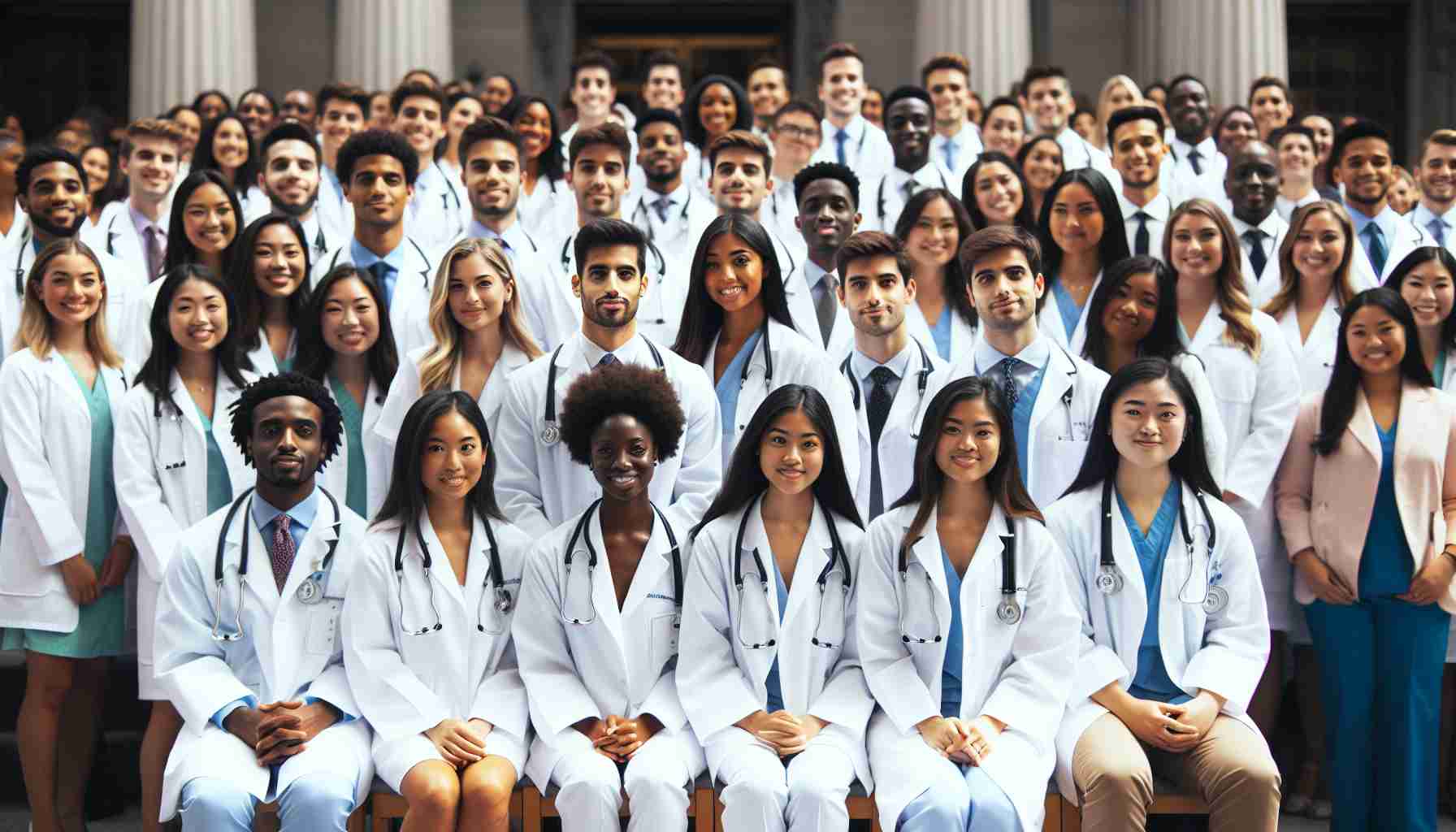
Moreover, the significance of the white coat extends beyond individual experiences; it represents a collective commitment to addressing healthcare disparities. Many PA programs, including Weill Cornell’s, emphasize service to underserved communities as a cornerstone of their training. This focus is crucial in today’s healthcare environment, where access to quality care remains a pressing issue. By instilling these values in their students, medical schools are not only preparing them to be skilled practitioners but also advocates for change in the healthcare system.
As these PA students step into their clinical rotations, they will face numerous challenges—intense coursework, emotional strain, and the complexities of patient interactions. Yet, the support they receive from faculty and their peers will be instrumental in helping them navigate these hurdles. The importance of mentorship and a strong support network cannot be overstated; it is through these connections that students can find encouragement and guidance, fostering resilience as they adapt to the demands of their chosen profession.
In drawing parallels with other institutions, like the T.H. Chan School of Medicine, where students recite the Oath of Maimonides during their white coat ceremony, we see a shared understanding of the responsibilities that come with the title of a healthcare provider. This tradition reinforces the ethical commitment students make to their future patients, reminding them of the trust placed in them by society.
Ultimately, the white coat ceremony is more than just a symbolic act; it is a celebration of the journey these students are about to undertake. It marks the transition from aspiring healthcare professionals to individuals equipped with the knowledge and compassion necessary to make a meaningful difference in the lives of their patients. As they don their coats, they carry with them not only their personal stories but also the collective aspirations of a profession dedicated to healing and service. The future of healthcare relies on these committed individuals, who are poised to become the next generation of compassionate providers, ready to tackle the challenges ahead and advocate for those in need.
Challenges Faced by PA Students During Training
As these PA students embark on their demanding training, the challenges they face are multifaceted and can be overwhelming. The rigorous curriculum is designed to equip them with the skills needed to excel in a fast-paced healthcare environment, but it also comes with significant emotional and mental stress. The intensity of their studies, coupled with the weight of patient care responsibilities, can lead to burnout—an issue that has garnered increasing attention in recent years.
Research indicates that first-generation health professionals, such as many of the new PA students at Weill Cornell Medicine, are particularly susceptible to experiencing higher levels of burnout and exhaustion. A study published in the Physical Therapy & Rehabilitation Journal highlighted that these students often navigate their academic journeys without the support systems that more experienced peers might take for granted. They juggle the demands of rigorous coursework with financial pressures and family obligations, which can intensify feelings of isolation and stress. This reality is particularly poignant for students like Jeremy Wilson, who, as a first-generation college graduate, may feel the weight of expectations not only from themselves but from their families and communities as well.
The emotional toll of medical education is not to be underestimated. The pressure to succeed can lead students to sacrifice their mental well-being for the sake of academic performance. This phenomenon was further explored in a longitudinal study that showed how stress negatively impacts the career aspirations of medical students, particularly among women. The findings revealed that high stress levels often lead students to lower their career ambitions, settling for less challenging roles rather than aiming for leadership positions. This trend is concerning, especially in a field that requires resilience and a strong commitment to patient care.
To combat these challenges, the establishment of robust support networks is essential. Institutions like the University of Utah have begun to take proactive steps, securing federal grants aimed at enhancing training in rural behavioral health. This initiative not only addresses the critical need for mental health services in underserved areas but also emphasizes the importance of preparing PA students to tackle these challenges head-on. By integrating mental health training into their curriculum, schools can better equip students to handle the emotional demands of their future roles.
Mentorship programs also play a pivotal role in supporting PA students throughout their training. They provide a platform for students to connect with experienced professionals who can offer guidance, share their own experiences, and help navigate the complexities of medical education. The importance of mentorship is underscored by findings that suggest first-generation students benefit significantly from having mentors who understand the unique challenges they face. Regular check-ins and supportive relationships can foster a sense of belonging and encourage students to voice their struggles, ultimately reducing feelings of isolation.
Moreover, universities are increasingly recognizing the need for mental health resources tailored specifically to the demands of healthcare education. Institutions should prioritize making mental health services accessible and affordable, ensuring that students can seek help without stigma. By creating an environment where mental health is openly discussed and supported, schools can significantly improve the educational experience for PA students.
The commitment to fostering a supportive environment is not only beneficial for the students but is also vital for the future of healthcare. As these PA students prepare to enter the workforce, they will carry with them the lessons learned from their training experiences—lessons about resilience, empathy, and the importance of community support. By addressing the challenges they face during their education, we can help cultivate a generation of healthcare providers who are not only skilled in their profession but also equipped to advocate for their patients’ well-being.
The journey ahead for these PA students is undoubtedly filled with hurdles, but with the right support and resources, they can emerge as compassionate and competent healthcare providers. As they don their white coats and step into their clinical rotations, they will not only be armed with medical knowledge but also with the resilience and understanding necessary to navigate the complexities of patient care. The future of healthcare depends on their success, and it is imperative that we continue to invest in their training, well-being, and professional development.
The Impact of Personal Experiences on Career Choices
Personal experiences play a pivotal role in shaping the career trajectories of Physician Assistant (PA) students, often serving as the catalyst that ignites their passion for healthcare. Take Jozie Ashleson, a second-year PA student at Northern Arizona University (2025 USNews Ranking: 244) , for example. Her journey into the medical field was profoundly influenced by her younger sister’s diagnosis with Type 1 diabetes, which resulted in a life-threatening hospitalization. This early exposure to healthcare not only sparked her interest but also instilled a deep desire to positively impact the lives of patients and their families. Such narratives are not uncommon among PA students, who frequently draw motivation from personal or familial health crises, compelling them to pursue careers where they can make a tangible difference.
In Jozie’s case, her initial ambition was to become a forensic anthropologist, inspired by the television show “Bones.” However, as she delved deeper into her academic pursuits, it became clear that her true passion lay in direct patient interaction. This shift underscores how formative experiences can redirect career aspirations, highlighting the fluid nature of career paths in the medical field. For many PA students, the journey is not linear; rather, it is shaped by a combination of personal experiences, academic interests, and a commitment to serving others.
Family health issues often serve as a significant motivator for students entering the PA profession. The emotional weight of witnessing a loved one’s struggle can catalyze a desire to understand healthcare better and to provide support to others in similar situations. This theme resonates with Jeremy Wilson, who credits his grandmother—a former nursing assistant—with inspiring his journey into healthcare. As a first-generation college graduate, he reflects on how her encouragement and his clinical experiences in diverse healthcare settings solidified his decision to pursue the PA route. These personal stories illustrate the profound impact that family dynamics and health-related experiences can have on shaping career choices in medicine.
Moreover, the influence of gender stereotypes cannot be overlooked when discussing career aspirations among PA students. Research has shown that societal expectations and stereotypes often dictate the paths individuals feel are available to them. Female students, in particular, may find themselves grappling with the dual pressures of pursuing a demanding career while conforming to traditional gender roles that suggest they should be nurturing and emotionally supportive. A study published in the Physical Therapy & Rehabilitation Journal highlighted that female medical students report higher stress levels and lower career aspirations compared to their male counterparts. This disparity can lead to women settling for less ambitious roles, ultimately impacting the diversity of leadership within the healthcare field.
The intersection of personal experiences and societal pressures creates a complex landscape for PA students as they navigate their educational journeys. Institutions must recognize these dynamics and work to foster an environment that encourages all students, regardless of gender, to pursue their aspirations without the constraints of stereotypes. Initiatives aimed at promoting gender equity within medical education are crucial in empowering students to embrace their ambitions fully.
Additionally, the role of mentorship cannot be overstated. For many PA students, having access to mentors who understand their unique challenges can significantly enhance their educational experience. Mentorship programs that connect students with experienced healthcare professionals can provide invaluable guidance, helping students navigate the emotional and academic demands of their training. These relationships not only bolster resilience but also foster a sense of belonging within the healthcare community.
As Jozie continues her clinical rotations, she reflects on how her past experiences have informed her approach to patient care. She values the collaborative nature of the PA role, which allows her to work alongside physicians and other healthcare providers to deliver patient-centered care. This collaborative spirit is essential in addressing the diverse needs of patients and communities, particularly in underserved areas where access to healthcare is often limited.
Ultimately, the personal experiences that shape PA students’ career choices are not just stories of individual journeys; they reflect a broader narrative about the importance of empathy, resilience, and community in healthcare. As these students don their white coats and step into their clinical rotations, they carry with them the lessons learned from their pasts—lessons that will undoubtedly inform their practice and enhance their ability to connect with patients. The future of the PA profession hinges on these narratives, as they underscore the vital role that personal experiences play in fostering compassionate and effective healthcare providers.
Conclusion: The Future of Physician Assistants in Healthcare
As we look ahead to the future of the Physician Assistant (PA) profession, it’s clear that the landscape is evolving in response to the needs of our healthcare system. The recent changes, such as Oregon’s landmark decision to transition the title from “Physician Assistant” to “Physician Associate,” illustrate a broader movement toward enhancing the recognition of PAs as integral members of healthcare teams. This title change reflects a commitment to accurately represent the roles and responsibilities of PAs, which, in turn, could lead to greater public understanding and appreciation of the profession.
Continued support for PA students is paramount. As they navigate the challenges of rigorous training, it’s essential that educational institutions provide robust support networks, mentorship opportunities, and mental health resources. These elements not only help students cope with the stresses of their education but also prepare them to deliver compassionate care to patients in high-pressure environments. By fostering resilience and a sense of community among PA students, we can cultivate a generation of healthcare providers who are not only skilled but also deeply committed to patient advocacy and care.
The evolving role of PAs in healthcare cannot be overstated. As they increasingly take on responsibilities that were traditionally reserved for physicians, PAs are positioned to address the growing demands of the healthcare system, particularly in underserved areas. Their training equips them to manage a diverse array of medical issues, and their collaborative approach enhances the efficacy of healthcare delivery. This adaptability is crucial as we face ongoing challenges such as physician shortages and increasing patient loads.
Legislative changes, like those seen in Oregon, may serve as a catalyst for similar movements across the country, potentially leading to a nationwide recognition of PAs as essential healthcare providers. Such changes not only enhance the profession’s visibility but also empower PAs to advocate for their roles within the healthcare system more effectively.
Ultimately, the commitment of PAs to patient care is unwavering. As they embark on their journeys, these students carry with them the hopes of their communities and the promise of a healthcare system that is increasingly collaborative and patient-centered. Their contributions will be vital in addressing the healthcare needs of a diverse population, and with continued support and recognition, the future of the PA profession looks bright. The dedication of these emerging professionals will undoubtedly resonate through the lives they touch and the communities they serve, ensuring that quality healthcare remains accessible to all.
Reference:
- Physician Assistant Students Begin Their Educational Journeys at Weill Cornell Medicine
- Humans of NAU: Jozie Ashleson – Future Physician Assistant Making an Impact
- The Role of Physician Associates in Modern Healthcare: A Vital Asset or a Problem?
- Oregon Becomes First State to Change Physician Assistant Title to Physician Associate
- Career Intentions of Medical and Nursing Students in Vietnam: A Study at VinUniversity
- Stress and Career Aspirations: A Longitudinal Study of Medical Students
- Understanding Gender Stereotypes: Definitions, Effects, and Solutions
- Largest T.H. Chan School of Medicine Class Celebrated at White Coat Ceremony
- Geisel School of Medicine Celebrates White Coat Ceremony for Class of 2028
- White Coat Ceremony Welcomes Class of 2028 to the Medical Profession
- University of Utah PA Program Receives $2 Million Grant to Enhance Rural Behavioral Health Training
- Pennsylvania’s Commitment to Early Learning and Child Development
- OCDEL Launches Scholarship for Infant Mental Health Certification Through University of Pittsburgh
- UTSA Mock Interviews Equip Pre-Health Students for Medical Careers
- Binghamton University Secures $4.5 Million Grant for Mental Health Services in Schools
- First-Generation Health Professionals Report Higher Burnout Rates, Study Finds