
Introduction: The Rise of Graduate Workers Unions
The landscape of graduate workers’ unions in the United States has undergone a significant transformation in recent years, marked by a surge in collective action and labor movements across various universities. The recent seven-month strike at Boston University (2025 USNews Ranking: 41) (BU) serves as a pivotal example of this trend, highlighting the motivations and challenges faced by graduate workers in their pursuit of better wages, benefits, and working conditions. As graduate students increasingly recognize their essential role in the academic ecosystem—often serving as teaching assistants, researchers, and contributors to university operations—their demands for fair compensation and support have gained momentum.
The Boston University Graduate Workers Union (BUGWU) initiated its strike on March 25, 2024, after months of negotiations that began in July 2023. The union’s demands included substantial increases in stipends, improved healthcare benefits, and enhanced support for childcare and parental leave. The strike, which became the longest in BU’s history, was not just a response to inadequate pay but also a reflection of broader systemic issues within higher education, where graduate workers often find themselves in precarious positions with limited financial security. The union’s call for a minimum annual stipend of approximately $58,100 starkly contrasted with the university’s initial offers, which many workers deemed insufficient to meet the high cost of living in Boston.
The motivations behind the unionization efforts at BU resonate with a larger movement seen across the country, where graduate workers are increasingly advocating for their rights. The successful strike at the University of California system in 2022, which resulted in significant pay increases and job protections, has inspired similar actions at other institutions. Reports indicate that union representation among graduate student employees has surged by over 130% since 2012, underscoring a growing recognition of the need for collective bargaining to secure living wages and essential benefits.
The implications of the BU strike extend beyond the immediate gains achieved through the ratified contract, which promises improvements in wages and benefits for approximately 3,000 graduate students. This event signals a shift in the labor landscape of higher education, where graduate workers are increasingly seen as vital contributors to the academic mission of their institutions. As they continue to organize and advocate for their rights, the outcomes of such strikes will likely influence labor relations and policies at universities nationwide, setting a precedent for future negotiations and collective action. The BU strike exemplifies the power of solidarity among graduate workers and the potential for meaningful change in their working conditions, reflecting a broader trend of labor activism within academia.
The Boston University Graduate Workers Union Strike: A Case Study
The Boston University Graduate Workers Union (BUGWU) strike, which began on March 25, 2024, marked a pivotal moment in the landscape of labor relations within higher education. Spanning nearly seven months, it became the longest strike in the university’s history and one of the most significant labor actions in recent U.S. academia. The union, representing approximately 3,000 graduate students engaged in teaching and research roles, initiated the strike after extensive negotiations that had commenced in July 2023 failed to yield satisfactory results regarding stipends and benefits.
The union’s initial demands were ambitious, seeking a substantial increase in stipends—approximately 50%—to address the high cost of living in Boston, alongside improved benefits such as enhanced healthcare, childcare support, and paid parental leave. Specifically, the union aimed for a minimum annual stipend of $62,440 for Ph.D. students and a minimum hourly wage of $41.63 for non-Ph.D. workers. However, the university’s offers fell short, proposing a stipend increase to $42,159 for Ph.D. students and a commitment to raise the minimum hourly wage from $15 to $18.
The strike was characterized by significant public support, including rallies that featured prominent political figures such as U.S. Representative Ayanna Pressley and Senator Elizabeth Warren, who emphasized the importance of economic justice for graduate workers. The union’s actions disrupted teaching and grading processes, drawing attention to the essential role graduate students play in the university’s academic and research missions. As the strike progressed, tensions escalated, with the union filing unfair labor practice charges against the university, alleging harassment and theft of personal items from union members—claims that the university denied.
Despite the challenges, union members remained resolute in their commitment to achieving a fair contract. As the fall semester approached, the urgency for a resolution intensified, leading to the involvement of a federal mediator and a change in university leadership, with a new provost and president taking office during the strike. This shift in administration brought renewed hope for negotiations, but frustrations persisted as union leaders expressed concerns over the university’s perceived hostility and lack of cooperation.
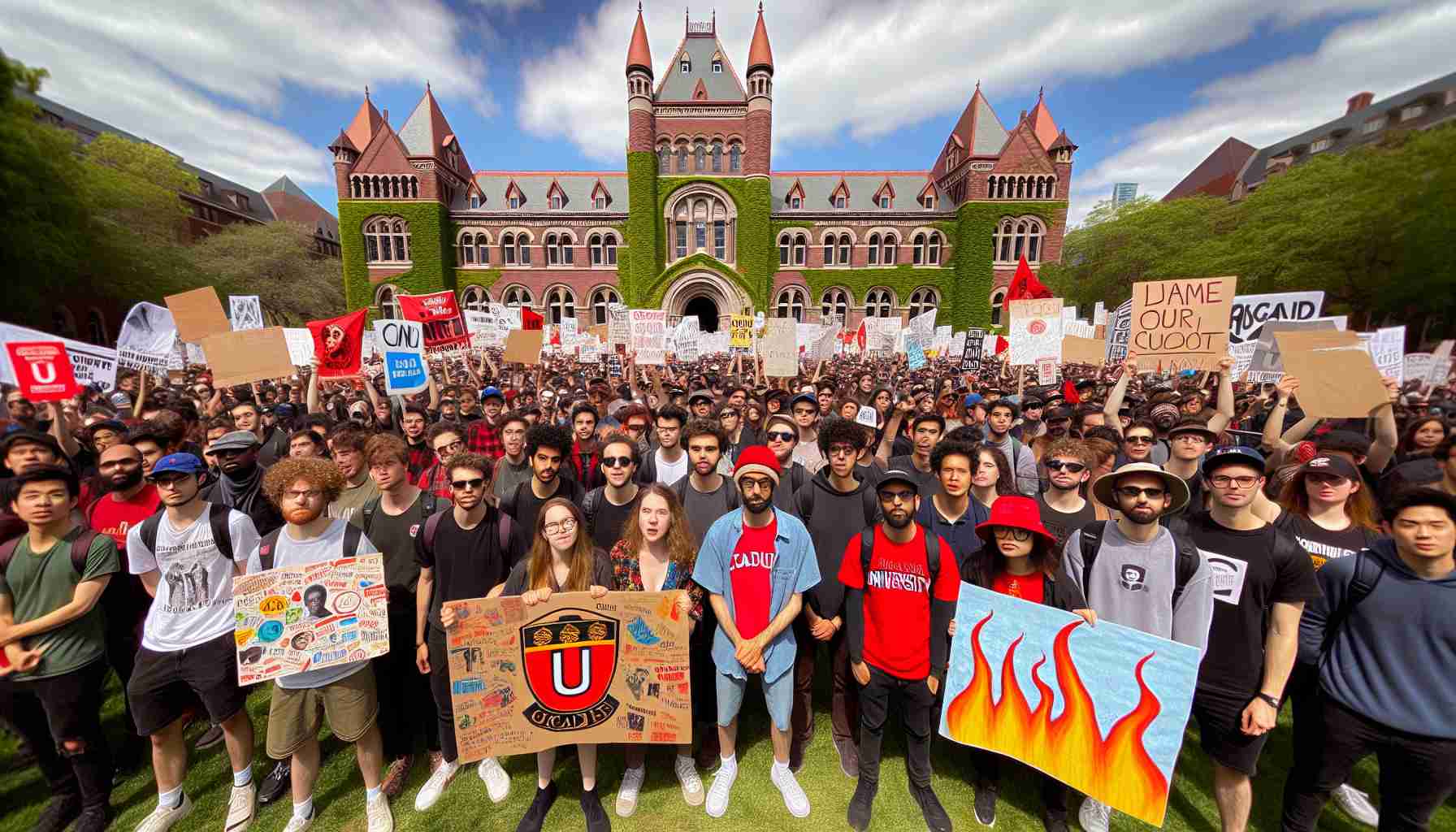
On October 17, 2024, the strike concluded with the ratification of a new three-year contract, which was approved by 87% of voting members. The contract included several key provisions: a minimum annual stipend of $45,000 for Ph.D. students, 3% annual raises, and enhanced benefits such as an increase in paid childcare leave from eight to 14 weeks. While the contract represented a significant improvement for many graduate workers, it fell short of some major demands, including the sought-after stipends and comprehensive tuition coverage for all graduate workers.
Voices from both sides reflected the impact of the strike on the university community. Freddy Reiber, a data science graduate student and union member, expressed pride in the outcome, highlighting the strength of the membership and the support from the broader labor community. He acknowledged that while the contract was a victory, the union would continue to advocate for further improvements in future negotiations. Eric Munson, another graduate worker, noted the personal sacrifices made during the strike, particularly for those with families, but emphasized that collective action was essential for securing better support for future graduate workers.
University officials, including BU Provost Gloria Waters, commented on the agreement, stating that it was a competitive contract that would enhance the quality of life for graduate student workers. The university’s leadership recognized the contributions of graduate students and expressed a commitment to addressing their needs through the collective bargaining process. However, the dissatisfaction among some union members regarding unmet demands underscored the ongoing challenges in labor relations within academia.
The successful resolution of the BU Graduate Workers Union strike not only impacted the graduate workers at Boston University but also resonated within the broader labor movement in higher education. The strike exemplified a growing trend of unionization among graduate students across the United States, reflecting a collective push for better working conditions and fair compensation. As graduate workers continue to organize and advocate for their rights, the outcomes of such strikes are likely to influence labor policies and practices at universities nationwide, setting a precedent for future negotiations and labor relations in higher education.
Comparative Analysis of Graduate Worker Contracts Across Major Universities
The landscape of graduate worker contracts across U.S. universities reveals a significant disparity in stipends, benefits, and working conditions, reflecting broader trends in labor movements within higher education. Recent contracts negotiated by graduate worker unions at institutions such as Boston University (BU), the University of Washington (UW), and the University of California (UC) illustrate both the progress made and the challenges that remain in securing equitable treatment for graduate students.
At Boston University, the Graduate Workers Union (BUGWU) recently ratified a new contract after a historic seven-month strike, which was the longest in the university’s history. The contract guarantees a minimum annual stipend of $45,000 for Ph.D. students, along with 3% annual raises over its three-year duration. While this represents a significant increase for the lowest-paid doctoral students, many union members expressed dissatisfaction, as their initial demands included stipends of $62,400 and a minimum hourly wage of $42 for non-Ph.D. workers. The contract also includes enhanced benefits, such as increased paid childcare leave and childcare subsidies, but falls short of providing free tuition for all graduate workers and cost-of-living adjustments tied to local rent increases.
In contrast, the University of Washington achieved a historic 36% pay raise for its academic student employees (ASEs) in a recent contract negotiation. This agreement followed a one-day strike and included provisions for zero-cost health care premiums and paid leave for immigration hearings. However, some ASEs noted that despite the substantial raise, the contract did not fully address their financial struggles, particularly in light of rising living costs. The union’s efforts at UW reflect a growing recognition of the contributions of graduate students to the university’s academic operations, as they increasingly take on teaching and research roles traditionally held by tenured faculty.
The University of California system has also been at the forefront of graduate worker unionization, with a historic strike in 2022 involving 48,000 unionized graduate workers. This strike resulted in significant pay increases and job protections, setting a precedent for other institutions. The UC system’s graduate workers have successfully negotiated multiple contracts that have led to a 151% increase in base wages since 2000, showcasing the power of collective bargaining in improving graduate student welfare.
The differences in contracts across these institutions highlight a broader trend of increasing unionization among graduate workers, which has surged by over 130% since 2012. This movement is driven by a desire for better pay, job security, and improved working conditions, as graduate students often face precarious employment situations. The recent successes of graduate worker unions at various universities indicate a shift in the labor landscape, with more students recognizing the importance of collective action in advocating for their rights.
Moreover, the role of unions in addressing issues such as harassment and discrimination within academic environments cannot be overlooked. Many graduate worker unions have pushed for third-party arbitration processes to ensure fair treatment and accountability, reflecting a growing awareness of the need for systemic changes in higher education.
As graduate worker unions continue to gain traction, the outcomes of their collective bargaining efforts will be crucial in shaping the future of graduate student welfare across the United States. The contracts negotiated at institutions like BU, UW, and UC serve as important benchmarks, illustrating both the progress made and the ongoing challenges in achieving equitable treatment for graduate workers. The increasing recognition of the vital role that graduate students play in academia underscores the importance of continued advocacy and collective action in the pursuit of fair compensation and working conditions.
The Broader Impact of Graduate Workers Unions on Higher Education
The recent ratification of the Boston University Graduate Workers Union (BUGWU) contract marks a pivotal moment not only for the university but also for the broader landscape of labor movements within higher education. The successful conclusion of a seven-month strike, which is now the longest in BU’s history, underscores a significant trend: the rise of graduate workers unions across the United States. This movement is reshaping the dynamics of labor relations in academia, as graduate students and postdoctoral fellows increasingly seek collective bargaining power to improve their working conditions and benefits.
The success of unions like BUGWU is reverberating through other institutions, inspiring similar movements at universities nationwide. The recent surge in unionization among graduate students—evidenced by a 133% increase in unionized graduate student employees since 2012—reflects a growing recognition of the need for collective action in addressing systemic issues such as low pay, job insecurity, and inadequate benefits. The momentum gained from high-profile strikes, such as the one at the University of California system in 2022, has set a precedent that encourages graduate workers at other institutions to organize and advocate for their rights.
Collective bargaining has emerged as a crucial mechanism for shaping university policies and improving the welfare of academic workers. The new contract at BU, which includes significant wage increases and enhanced benefits, exemplifies how collective action can lead to tangible improvements in the lives of graduate workers. The contract guarantees a minimum annual stipend of $45,000 for Ph.D. students, along with provisions for childcare support and health insurance coverage. These gains not only benefit current workers but also set a standard for future negotiations, as unions continue to push for more comprehensive support systems.
Moreover, the rise of graduate worker unions is contributing to a broader labor movement that transcends individual institutions. As graduate students and postdoctoral fellows unite to demand better conditions, they are also aligning with other labor movements, such as those among faculty and support staff. This solidarity is vital in amplifying their voices and increasing their bargaining power. The recent successes of unions at prestigious institutions like MIT, Yale, and Duke demonstrate that the collective efforts of academic workers can lead to significant changes in labor policies and practices.
The implications of this trend extend beyond immediate financial gains. The collective bargaining process fosters a sense of community among academic workers, helping to combat the isolation often felt in academia. As graduate workers organize, they not only advocate for better wages but also for a more equitable and supportive academic environment. This shift is particularly important in light of the increasing reliance on graduate students for teaching and research roles, as universities hire fewer tenure-track faculty.
In conclusion, the rise of graduate workers unions, exemplified by the recent achievements of the BUGWU, signals a transformative moment in higher education labor movements. As more graduate students and postdoctoral fellows engage in collective bargaining, they are not only improving their own working conditions but also contributing to a national trend that seeks to redefine labor relations in academia. The successes of these unions will likely inspire further organizing efforts, as academic workers continue to advocate for their rights and strive for a more just and equitable academic landscape.
Conclusion: The Future of Graduate Workers Unions and Labor Movements in Academia
The recent developments surrounding graduate workers unions, particularly the successful ratification of the Boston University Graduate Workers Union (BUGWU) contract, signal a pivotal moment in the landscape of labor relations within higher education. The seven-month strike, which culminated in a historic agreement, not only highlights the pressing need for fair compensation and improved working conditions for graduate students but also reflects a broader trend of unionization across U.S. universities. As graduate workers increasingly mobilize for their rights, the implications extend beyond individual institutions, potentially reshaping the future of labor movements in academia.
The BUGWU’s contract, which promises significant wage increases and enhanced benefits, is emblematic of the collective power that graduate workers can wield when they unite. With 87% of union members voting in favor of the new agreement, the outcome underscores the importance of solidarity among academic workers. This collective action has proven essential in negotiating better terms, as seen in other successful unionization efforts across the country, including those at the University of California and the University of Washington. The momentum gained from these victories is likely to inspire further organizing efforts among graduate students and postdoctoral fellows, who face similar challenges of low pay and job insecurity.
However, the journey toward equitable working conditions is fraught with challenges. Despite the gains made, many graduate workers express dissatisfaction with the limitations of their contracts, indicating that the fight for fair treatment is far from over. The ongoing struggle for comprehensive benefits, job security, and living wages remains a critical focus for unions. As graduate workers continue to advocate for their rights, they must navigate institutional resistance and the complexities of labor negotiations, which can be exacerbated by changing university administrations and policies.
Looking ahead, the potential for continued growth in graduate workers unions appears promising. The increasing recognition of the vital role that graduate students play in teaching and research, coupled with a growing public awareness of their struggles, may foster an environment conducive to further unionization efforts. As more academic workers join the movement, the collective bargaining power of these unions will likely strengthen, enabling them to negotiate more favorable terms for their members.
In conclusion, the significance of collective action in advocating for fair treatment and equitable working conditions in higher education cannot be overstated. The recent successes of graduate workers unions, including the BUGWU, serve as a testament to the power of solidarity and the potential for transformative change within academia. As these movements continue to evolve, they will play a crucial role in shaping the future of labor relations in higher education, ensuring that the voices of graduate workers are heard and respected. The ongoing commitment to collective bargaining and advocacy will be essential in addressing the systemic issues that have long plagued academic employment, paving the way for a more just and equitable academic landscape.
Reference:
Seven-Month Strike Ends as BU Graduate Workers Union Ratifies Contract
Grad Students Are Unionizing in Droves. Can Postdocs Lead the Next Wave?
Graduate Worker Unions Achieve Significant Gains and Bolster Labor Movement
Boston University Graduate Workers’ Strike Becomes Longest in a Decade
Teacher Strikes: Recent Trends, Legalities, and Impacts
UW Graduate Students Secure Historic 36% Raise Amid Union Gains
The Widening Public-Sector Pay Gap and the Role of Unions
New Research Shows Teacher Strikes Benefit Educators Without Harming Students
BU Graduate Workers Strike for Better Contracts and Benefits
Boston University Graduate Worker Strike Concludes with New Contract
The Union Boom in Higher Education: A Surge in Faculty and Graduate Student Unionization