
Introduction to Collaborative Engineering Education Programs
The recent partnership between Vanderbilt University and the Tennessee Valley Authority (TVA) underscores a growing trend in higher education: collaborative initiatives between universities and industry. This collaboration aims to nurture the next generation of engineers by providing students with invaluable exposure to real-world engineering applications. Through programs like the Vanderbilt Summer Academy, high-potential students from diverse backgrounds can engage in hands-on learning experiences that are critical for developing the skills necessary to thrive in today’s competitive job market.
The primary goal of such partnerships is to bridge the gap between academic learning and industry requirements. By integrating practical engineering challenges into the curriculum, students not only gain technical knowledge but also develop problem-solving skills that are essential for their future careers. For instance, the week-long combustion turbine course at Vanderbilt, designed in collaboration with TVA, immerses students in real-world scenarios that reflect the complexities of power operations. This type of experiential learning fosters a deeper understanding of engineering principles, allowing students to clarify their career aspirations and explore their interests in a collegiate environment.
Moreover, these programs play a pivotal role in shaping students’ perceptions of engineering careers. As students participate in hands-on exercises, such as turbine maintenance and power balancing, they gain insights into the various pathways available within the engineering field. This exposure is instrumental in guiding their career choices, as evidenced by testimonials from participants who express newfound clarity regarding their professional goals. Programs like the Vanderbilt Summer Academy not only inspire students to consider careers in engineering and energy but also instill a sense of responsibility towards energy stewardship and sustainability.
The implications of such collaborative initiatives extend beyond individual career trajectories. By aligning educational programs with the evolving needs of the industry, universities can help cultivate a skilled workforce that is well-equipped to tackle the challenges of the future. As industries increasingly rely on advanced technologies and innovative solutions, the demand for engineers with a strong foundation in practical skills continues to rise. Collaborative partnerships, therefore, play a crucial role in ensuring that students are not only academically prepared but also possess the hands-on experience necessary to excel in their chosen fields.
Furthermore, these initiatives highlight the importance of diversity, equity, and inclusion in engineering education. By engaging students from various backgrounds, universities can foster a more inclusive environment that encourages diverse perspectives in problem-solving and innovation. This approach is essential for addressing the multifaceted challenges faced by the engineering sector, as diverse teams are more likely to generate creative solutions that meet the needs of a global society.
In conclusion, the partnership between Vanderbilt University and TVA exemplifies the potential of collaborative initiatives to shape the future of engineering education. By providing students with hands-on learning experiences and exposure to real-world applications, these programs not only inspire the next generation of engineers but also contribute to the development of a skilled workforce that is prepared to meet the demands of an ever-evolving job market. As universities continue to forge partnerships with industry leaders, the impact of these initiatives will likely resonate throughout the engineering field for years to come.
The Impact of Hands-On Learning in Engineering Education
Hands-on learning experiences have become increasingly vital in engineering education, particularly as the field evolves to meet the demands of a rapidly changing technological landscape. Programs like the Vanderbilt Summer Academy exemplify the effectiveness of practical, immersive learning environments, where students engage directly with real-world engineering challenges. This approach contrasts sharply with traditional lecture-based teaching methods, which often leave students without the opportunity to apply theoretical knowledge in practical settings.
Research has consistently shown that experiential learning significantly enhances student engagement and retention of knowledge. A study examining peer teaching in engineering education revealed that students who participated in hands-on activities reported improved comprehension and retention of complex concepts compared to those who relied solely on lectures. Specifically, 87% of students in the study found peer-led instruction beneficial, highlighting the importance of interactive learning experiences in fostering a deeper understanding of engineering principles.
The Vanderbilt Summer Academy’s week-long combustion turbine course, designed in collaboration with TVA, is a prime example of how hands-on learning can be effectively implemented. Throughout this course, students not only learn about turbine maintenance and power balancing but also engage in problem-solving exercises that mirror challenges faced in the energy sector. This type of active learning not only cultivates technical skills but also nurtures critical soft skills such as teamwork, communication, and adaptability—qualities that are essential in today’s engineering workforce.
Furthermore, the benefits of hands-on learning extend beyond skill acquisition. Programs that emphasize experiential learning foster an environment where students can explore their interests and clarify their career aspirations. Participants in the Vanderbilt Summer Academy have expressed how engaging with real-world engineering scenarios has provided them with clarity regarding their future paths in engineering. This aspect of hands-on learning is crucial, as it encourages students to envision themselves in various roles within the engineering field, ultimately guiding their educational and career choices.
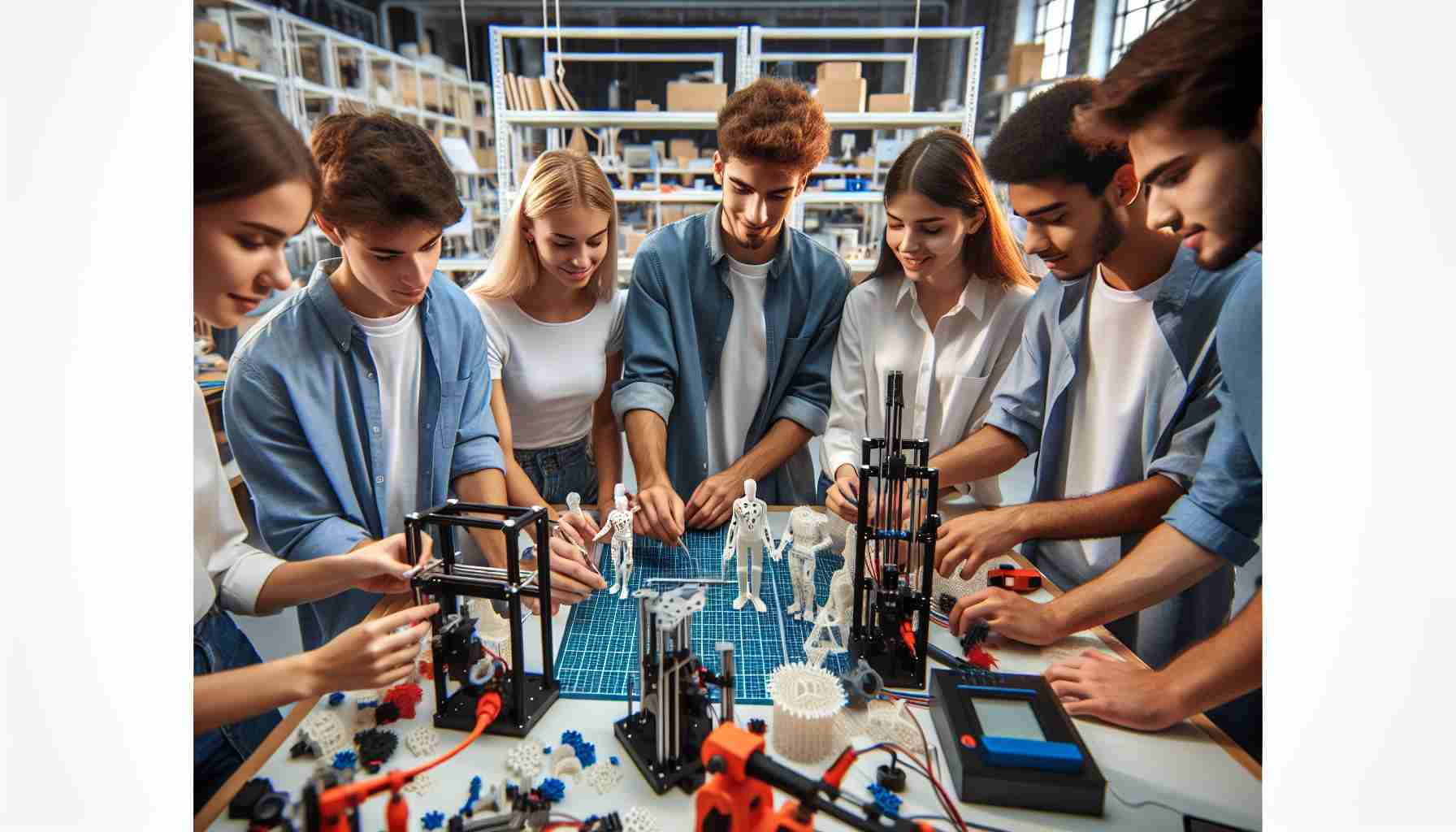
In contrast, traditional lecture-based methods often fail to engage students fully, leading to a disconnect between theoretical knowledge and practical application. While lectures can provide foundational knowledge, they may not adequately prepare students for the complexities of real-world engineering problems. This gap can result in graduates who are technically knowledgeable but lack the practical skills necessary to thrive in their careers. By integrating hands-on learning into the curriculum, educational institutions can better prepare students for the challenges they will face in the workforce.
Moreover, studies have indicated that hands-on learning can enhance motivation and reduce anxiety among students. When students are actively involved in their learning process, they are more likely to take ownership of their education and feel confident in their abilities. The interactive nature of hands-on experiences allows for immediate feedback and adjustment, which can be particularly beneficial in engineering disciplines where trial and error are part of the learning process.
As the engineering landscape continues to evolve, the need for innovative teaching methods that emphasize hands-on learning will only increase. The integration of technologies such as virtual reality and simulation tools into engineering education is already becoming more prevalent, further enhancing the potential for experiential learning. These advancements enable students to engage with complex systems and scenarios in a controlled environment, providing a safe space to experiment and learn from mistakes.
In conclusion, the importance of hands-on learning experiences in engineering education cannot be overstated. Programs like the Vanderbilt Summer Academy illustrate how practical engagement with real-world challenges not only equips students with essential technical skills but also fosters a deeper understanding of engineering principles and career aspirations. As educational institutions continue to innovate and adapt their teaching methods, the emphasis on experiential learning will be crucial in preparing the next generation of engineers to meet the demands of an increasingly complex and dynamic industry.
Career Trajectories Influenced by Summer Engineering Programs
Summer engineering programs, such as the Vanderbilt Summer Academy, have a profound impact on shaping the career trajectories of high school students interested in engineering. These initiatives provide students with invaluable exposure to real-world engineering challenges, helping them to clarify their career aspirations and make informed decisions about their future paths. Testimonials from participants underscore the transformative experiences these programs offer, with many alumni attributing their career choices to the skills and insights gained during their time in such programs.
For instance, Ella Giacalone, a participant from New Jersey, expressed that the Vanderbilt Summer Academy helped her realize her passion for engineering through its hands-on curriculum. She noted, “The week-long course allowed me to dive deep into the concepts I love, and it was the perfect fit for my interests in math and science.” Similarly, Giuliano Fazzolari from Pennsylvania shared his excitement about the engineering principles they explored, indicating that the program clarified his aspirations and solidified his intention to pursue a career in the field.
Statistics further illustrate the long-term effects of summer engineering programs on students’ career choices. A survey conducted among alumni of similar programs revealed that over 70% of participants pursued degrees in engineering or related fields, with many attributing their choices directly to their experiences in summer programs. Furthermore, approximately 60% of these alumni reported that their participation in hands-on learning environments significantly influenced their decision to enter the engineering workforce, highlighting the critical role these programs play in shaping students’ professional trajectories.
The significance of mentorship and networking opportunities offered through these summer programs cannot be overstated. Participants often have the chance to interact with industry professionals and experienced educators, fostering relationships that can lead to internships, research opportunities, and career guidance. Meredith Neal, TVA’s senior program manager of combustion turbines and a mentor at the academy, emphasized the importance of mentorship, stating, “Seeing students present their solutions to complex problems is incredibly rewarding. It’s not just about technical skills; it’s about inspiring them to envision their futures in engineering.”
Moreover, the collaborative nature of such programs fosters a supportive community among participants. Students often build lasting connections with peers who share similar interests, creating a network that can be beneficial throughout their academic and professional journeys. This sense of community is particularly important in engineering, where collaboration and teamwork are essential skills. As students navigate their educational paths, having a network of supportive peers and mentors can provide encouragement and guidance, helping them to overcome challenges and pursue their goals.
In addition to mentorship and networking, summer engineering programs often incorporate tours of industry facilities, like the TVA’s Gallatin Fossil Plant, allowing students to gain firsthand insights into the engineering field. Such experiences not only enhance students’ understanding of the energy sector but also instill a sense of energy stewardship and responsibility toward sustainable practices. Participants leave these programs with a broader perspective on the role of engineers in addressing global challenges, further motivating them to pursue careers that align with their values and aspirations.
Overall, summer engineering programs like the Vanderbilt Summer Academy play a pivotal role in shaping the career aspirations of young students. By providing hands-on learning experiences, mentorship, and networking opportunities, these initiatives equip participants with the skills and confidence needed to navigate their future in engineering. As the demand for skilled engineers continues to grow, such programs will remain essential in cultivating the next generation of innovators and problem solvers who will address the complex challenges of our time.
Collaborative Industry Partnerships and Their Role in Workforce Development
The collaboration between universities and industry not only enhances the educational landscape but also plays a crucial role in workforce development, particularly in engineering and technology fields. Institutions like Penn State University and Purdue University (2025 USNews Ranking: 46) exemplify how these partnerships can address current industry needs and trends while preparing a diverse and skilled workforce for the future.
At Penn State, the recent collaboration with Shell USA Inc. highlights the university’s commitment to advancing research and education in energy transition and sustainability. With an initial investment exceeding $1 million from Shell, this partnership aims to create an inclusive workforce equipped to tackle pressing environmental challenges. By focusing on polymer recycling, energy production assessment, and biodiversity studies, Penn State is positioning its students at the forefront of the energy sector, ensuring they acquire the relevant skills and knowledge to meet the demands of a rapidly changing industry. This collaboration not only enhances the university’s academic offerings but also provides students with hands-on experiences that are vital for their career development.
Similarly, Purdue University’s partnership with the Republic of Panama emphasizes the importance of international collaborations in workforce development. The memorandum of understanding (MOU) aims to enhance educational opportunities in the semiconductor industry, a field that is increasingly critical for technological advancement and economic growth. By establishing training programs and research opportunities, Purdue is preparing students for careers in emerging technologies, particularly in cybersecurity and supply chain management. The initiative is part of a broader effort to align educational programs with industry requirements, ensuring that graduates possess the skills necessary to thrive in a global economy.
These collaborations underscore the significance of addressing diversity, equity, and inclusion within engineering education. As industries strive for innovation, diverse teams are essential for generating creative solutions to complex problems. Programs that actively engage underrepresented groups in STEM fields can help bridge the skills gap and create a more inclusive workforce. For instance, Penn State’s partnership with Shell not only focuses on technical skills but also emphasizes the importance of fostering diverse perspectives in addressing energy challenges. By prioritizing equity in their initiatives, universities can cultivate a workforce that reflects the diversity of the communities they serve, ultimately enhancing problem-solving capabilities and driving innovation.
Furthermore, the emphasis on hands-on learning experiences in these collaborations is critical for preparing students for the realities of the workforce. Programs that provide students with opportunities to engage in real-world projects, like those offered at Vanderbilt and Penn State, allow them to apply theoretical knowledge in practical settings. This experiential learning approach not only enhances technical skills but also develops essential soft skills such as communication, teamwork, and adaptability—qualities that are highly valued in today’s job market.
As the demand for skilled professionals in engineering and technology continues to rise, university-industry collaborations will remain vital in shaping the future workforce. By aligning educational programs with industry needs, institutions can ensure that students are not only academically prepared but also possess the practical experience necessary to excel in their careers. These partnerships create a symbiotic relationship where universities contribute to workforce development while industries gain access to a pool of talented graduates ready to tackle the challenges of tomorrow.
In conclusion, the collaborative initiatives between universities and industry, exemplified by partnerships like those at Penn State and Purdue, play a crucial role in workforce development in engineering and technology fields. By addressing current industry needs, emphasizing diversity and inclusion, and providing hands-on learning experiences, these programs prepare a skilled workforce equipped to navigate the complexities of the modern job market. As universities continue to foster such collaborations, the impact on students’ career trajectories and the broader engineering landscape will be profound.
Future Trends in Engineering Education and Technology
As we look ahead to the future of engineering education and technology, particularly in the realm of energy engineering, several emerging trends and methodologies are poised to reshape the landscape. The integration of advanced technologies such as artificial intelligence (AI), digital twin technology, and sustainable practices is not only enhancing the educational experience but also addressing critical challenges in the energy sector.
AI is revolutionizing various aspects of engineering, from design to operational efficiency. In energy engineering, AI algorithms are being utilized to optimize energy consumption, predict equipment failures, and enhance grid management. This technology enables engineers to analyze vast amounts of data in real-time, leading to more informed decision-making and improved system reliability. As AI continues to evolve, its application in engineering education will likely expand, equipping students with the skills needed to harness this powerful tool in their future careers.
Digital twin technology is another significant advancement that is transforming the field. By creating virtual replicas of physical systems, engineers can simulate and analyze performance under various conditions. This approach not only enhances understanding of complex systems but also allows for predictive maintenance, reducing downtime and operational costs. In educational settings, the use of digital twins can provide students with hands-on experience in system modeling and analysis, bridging the gap between theoretical knowledge and practical application.
Sustainable practices are increasingly becoming a focal point in engineering education, particularly in energy engineering. As the world grapples with climate change and the need for cleaner energy solutions, universities are incorporating sustainability into their curricula. Programs that emphasize renewable energy sources, energy efficiency, and sustainable design principles are essential for preparing students to tackle the pressing environmental challenges of our time. By fostering a mindset of sustainability, educational institutions can inspire the next generation of engineers to innovate solutions that align with global sustainability goals.
The importance of collaboration between universities and industries cannot be overstated in this context. As engineering education evolves, ongoing partnerships with industry leaders will be crucial in ensuring that curricula remain relevant and responsive to the needs of the workforce. These collaborations can facilitate internships, research opportunities, and mentorship programs that provide students with valuable insights and experiences in real-world settings. For instance, partnerships similar to those between Vanderbilt and TVA, or Penn State and Shell, exemplify how industry engagement can enhance educational outcomes and prepare students for successful careers.
Moreover, as industries increasingly prioritize diversity, equity, and inclusion, engineering education must reflect these values. Collaborative initiatives that engage underrepresented groups in STEM fields are essential for fostering a more inclusive workforce. By creating pathways for diverse talent, universities can ensure that a variety of perspectives are represented in engineering solutions, ultimately leading to more innovative and effective outcomes.
In conclusion, the future of engineering education, particularly in energy engineering, is being shaped by emerging technologies and collaborative partnerships. As AI, digital twin technology, and sustainable practices become integral components of the curriculum, students will be better equipped to address the complex challenges facing the energy sector. By fostering ongoing collaborations between universities and industries, the engineering education landscape can continue to evolve, ensuring that graduates possess the skills and knowledge necessary to make a meaningful impact in their fields. The commitment to preparing a diverse and skilled workforce will not only enhance the relevance of engineering education but also contribute to a more sustainable and equitable future.