
Introduction: The Transformative Power of Internships
Internships have become a cornerstone of higher education, particularly for students pursuing careers in fields like environmental science. These experiences not only provide practical skills but also serve as transformative journeys that can shape career aspirations and personal growth. Jessica Watley, a sophomore at Michigan State University (2025 USNews Ranking: 63) , exemplifies this transformation through her internship at Argonne National Laboratory (ANL). Her experience highlights the profound impact that internships can have on students, especially those from underrepresented backgrounds in STEM fields.
Watley’s journey began with a visit to ANL, where she was inspired by the lab’s commitment to research and innovation. As a dual major in environmental sciences and management, she was eager to immerse herself in an environment that aligned with her academic interests. The supportive culture at ANL, where many staff members had once been interns themselves, helped alleviate her initial anxieties about her capabilities. This sense of community is crucial for students, particularly those who may feel isolated in their academic pursuits. Watley’s experience underscores the importance of mentorship and peer support in fostering confidence and encouraging exploration in research.
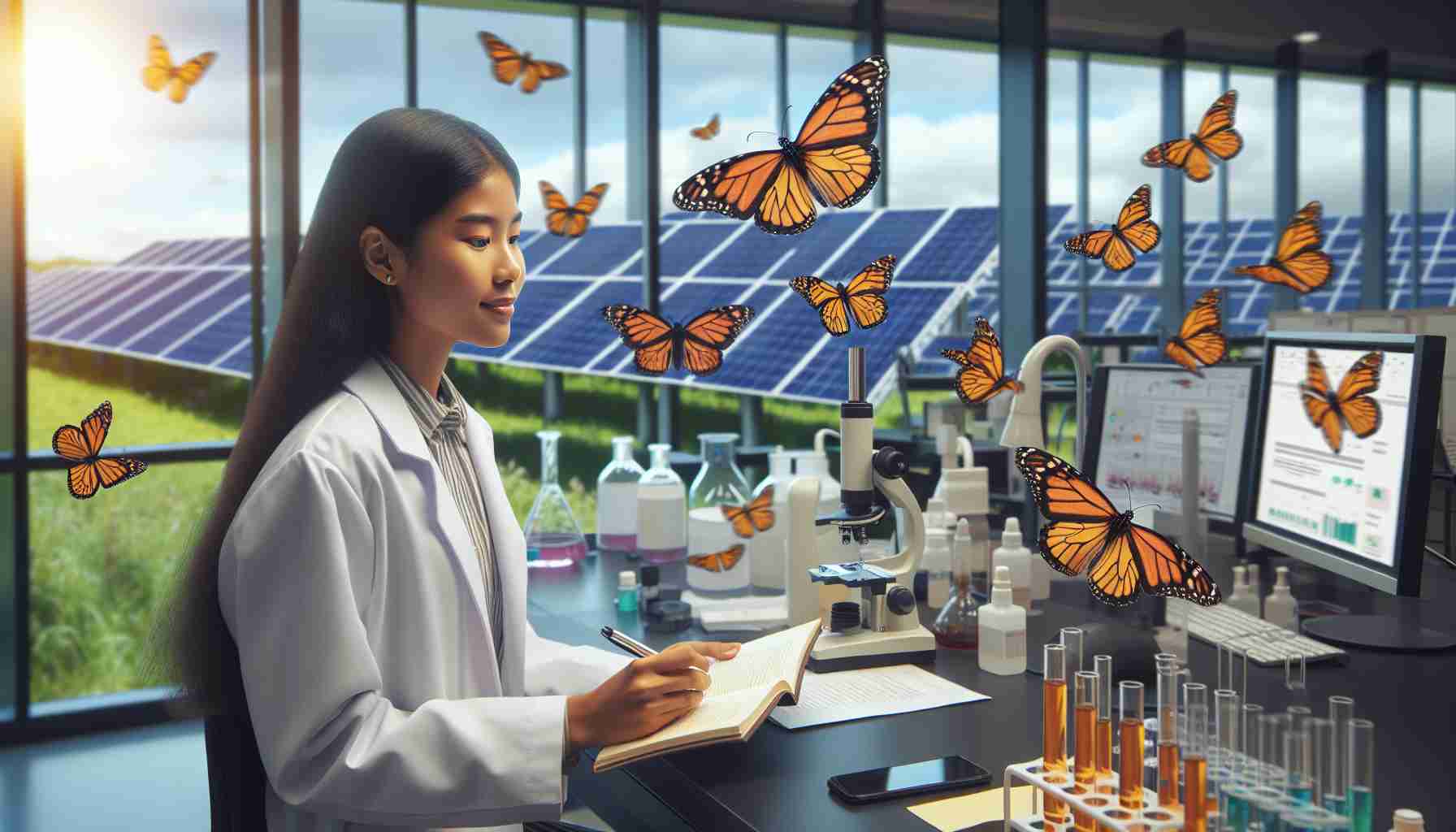
During her internship, Watley conducted research on the effects of solar farms on monarch butterfly populations, a project that not only contributed to her academic knowledge but also ignited her passion for environmental advocacy. Her findings revealed the dual nature of solar farms as potential habitats for wildlife while also posing risks such as habitat fragmentation. This nuanced understanding of sustainable energy practices is vital for future environmental scientists, as it emphasizes the need for solutions that balance ecological integrity with energy production. Watley’s research experience at ANL not only solidified her career aspirations but also instilled a sense of responsibility towards environmental stewardship.
Moreover, Watley’s identity as a Black, queer woman played a significant role in her internship experience. She expressed gratitude for the inclusive environment at ANL, which allowed her to thrive and feel accepted. This aspect of her journey highlights the critical need for diversity and inclusion in STEM fields. As organizations like NASA and Spelman College work to enhance representation and support for underrepresented groups, Watley’s story serves as a reminder of the importance of creating spaces where all students can feel valued and empowered to pursue their passions.
The implications of internships extend beyond individual experiences; they can influence broader trends in career development and diversity in STEM. Programs like the Delaware Department of Natural Resources and Environmental Control (DNREC) internship initiative and Trinity College’s summer internships demonstrate the growing recognition of the need for hands-on experiences that prepare students for the workforce. These programs not only provide valuable skills but also foster a new generation of environmental professionals committed to sustainability and public service.
As we reflect on the significance of internships in shaping the future of environmental science, it is essential to recognize their role in promoting sustainable practices and addressing the pressing challenges of our time. Watley’s transformative experience at ANL exemplifies how internships can serve as a catalyst for personal and professional growth, ultimately contributing to a more diverse and inclusive workforce in STEM fields. The journey of students like Watley is a testament to the power of experiential learning and the potential it holds for inspiring the next generation of environmental advocates.
The Role of Internships in Career Development for Environmental Science Students
Internships play a pivotal role in shaping the career trajectories of environmental science students, providing them with invaluable hands-on experience, networking opportunities, and essential skill development. Jessica Watley’s transformative internship at Argonne National Laboratory (ANL) exemplifies how such experiences can ignite passion and clarify career paths for students in this field. Watley, a dual major in environmental sciences and management, found her internship not only enriching in terms of professional skills but also crucial in helping her discover her commitment to environmental advocacy.
At ANL, Watley engaged in research that examined the effects of solar farms on monarch butterfly populations, a project that underscored the intersection of sustainable energy practices and local ecosystems. This kind of research experience is vital for students, as it allows them to apply theoretical knowledge in real-world contexts, enhancing their understanding of complex environmental issues. The supportive environment at ANL, where many staff members were once interns themselves, fostered a sense of belonging and encouraged Watley to pursue her research interests with confidence. This mentorship aspect is a significant benefit of internships, as it helps students navigate their professional journeys while building a network of contacts in their field.
Similarly, the Delaware Department of Natural Resources and Environmental Control (DNREC) offers a robust internship program that provides students with full-time, paid positions across various divisions related to environmental science. Interns at DNREC gain hands-on experience in roles ranging from wildlife biology to environmental compliance, allowing them to explore different facets of the environmental sector. This exposure is crucial for students to clarify their career aspirations and develop a diverse skill set that enhances their employability. The program’s focus on sustainability and public service aligns with the growing demand for professionals who can address environmental challenges, making it an attractive option for aspiring environmental scientists.
Trinity College also highlights the transformative impact of internships on its students, showcasing a range of experiences that have opened doors for many. For instance, Diarra Sadji, an environmental science major, interned at the Connecticut Department of Administrative Services, where she participated in sustainability projects. Her internship allowed her to explore both the scientific and bureaucratic aspects of environmental issues, providing a comprehensive understanding of the field. Such multifaceted experiences are essential for students, as they prepare them for the complexities of environmental careers, where interdisciplinary knowledge is often required.
The networking opportunities that arise from internships cannot be overstated. Watley’s experience at ANL culminated in her presenting her research at a symposium, where she received positive feedback and connected with professionals in her field. This kind of exposure is invaluable, as it not only boosts confidence but also opens doors to future job opportunities. Interns often find that the relationships they build during their internships can lead to mentorship, job offers, or collaborations in their future careers.
Moreover, internships help students develop critical skills that are highly sought after in the environmental sector. For instance, Watley’s research required her to analyze data, communicate findings effectively, and work collaboratively with her peers. These skills are essential for any professional in the environmental field, where teamwork and effective communication are key to addressing complex challenges. Programs like those at DNREC and Trinity College emphasize skill development, ensuring that students are well-prepared for the demands of the workforce.
In conclusion, internships serve as a crucial bridge between academic learning and professional practice for environmental science students. They provide hands-on experience, foster networking opportunities, and facilitate skill development, all of which are essential for clarifying career paths and enhancing employability in the environmental sector. As demonstrated by the experiences of students like Watley, Sadji, and others, these opportunities not only shape their professional identities but also empower them to make meaningful contributions to environmental advocacy and sustainability.
Diversity and Inclusion in STEM: A Critical Perspective
The significance of diversity and inclusion in STEM fields cannot be overstated, particularly when it comes to creating equitable opportunities for underrepresented groups through internships. Initiatives like NASA’s partnership with the NAACP and Spelman’s virtual hub for Black women in STEM are pivotal in addressing the historical disparities that have long plagued these fields. By actively engaging underrepresented students and providing them with the necessary resources and mentorship, these programs aim to cultivate a new generation of diverse leaders in science, technology, engineering, and mathematics.
NASA’s collaboration with the NAACP, formalized through a Space Act Agreement, is a strategic move to enhance diversity in STEM education. This partnership is designed to attract students of color to STEM careers, allowing them to build their identities in these fields while gaining practical experience through NASA’s educational programs. The integration of NASA’s STEM lessons into the NAACP’s Afro-Academic, Cultural, Technological and Scientific Olympics (ACT-SO) program exemplifies a commitment to fostering an inclusive environment where all students can thrive. This initiative not only provides scholarships and incentives but also opens doors for mentorship and exposure to NASA’s facilities, which can be transformative for young minds aspiring to enter STEM.
Similarly, Spelman College’s establishment of a virtual hub dedicated to supporting Black women in STEM represents a significant step towards inclusivity. Funded by a generous grant from Google, this hub aims to provide a comprehensive platform for research engagement, mentorship, and professional networking. By creating state-of-the-art laboratories and collaborative environments, Spelman is addressing the systemic barriers that have historically limited the visibility and recognition of Black women’s contributions to STEM. This initiative is not merely about providing resources; it is about fostering a sense of belonging and empowerment, encouraging students to pursue careers in fields where they have often been underrepresented.
Jessica Watley’s experience at Argonne National Laboratory (ANL) serves as a powerful testament to the importance of supportive environments for diverse interns. As a Black, queer woman, Watley found that the inclusive culture at ANL was instrumental in her personal and professional growth. The lab’s core values of respect, integrity, and teamwork created a space where she felt accepted and encouraged to explore her research interests. This sense of belonging is crucial for interns from underrepresented backgrounds, as it alleviates the anxieties that often accompany new experiences in predominantly white and male-dominated fields.
Watley’s research on the effects of solar farms on monarch butterfly populations not only highlights her academic capabilities but also underscores the importance of diverse perspectives in addressing environmental challenges. Her findings contribute to a broader understanding of sustainable energy practices and their implications for local ecosystems. By fostering an environment where diverse interns can thrive, organizations like ANL are not only investing in the future of these individuals but also in the advancement of innovative solutions to pressing global issues.
The initiatives by NASA and Spelman College, along with Watley’s experience at ANL, illustrate a growing recognition of the need for diversity and inclusion in STEM fields. These efforts are essential in dismantling the barriers that have historically hindered the participation of underrepresented groups. By creating equitable opportunities through internships and mentorship programs, these organizations are paving the way for a more inclusive and innovative future in STEM. The impact of such initiatives extends beyond individual success; they contribute to a richer, more diverse scientific community that is better equipped to tackle the complex challenges of our time.
Sustainable Energy Practices and Their Ecological Impact
Jessica Watley’s research on the effects of solar farms on monarch butterfly populations provides a compelling case study in the intersection of sustainable energy practices and local ecosystems. As she discovered during her internship at Argonne National Laboratory, solar farms can serve as both a boon and a challenge for local wildlife, particularly for species like the monarch butterfly, which relies on milkweed as its primary host plant. Watley’s findings indicate that while solar farms can create new habitats, they also risk fragmenting existing ecosystems, which can disrupt the delicate balance necessary for species survival.
The implications of Watley’s research extend beyond the immediate context of solar energy and monarch butterflies. They highlight a broader trend in environmental science where sustainable energy practices must be carefully designed to consider their ecological impacts. This is particularly relevant as the world increasingly turns to renewable energy sources to combat climate change. The challenge lies in ensuring that these practices do not inadvertently harm local ecosystems, which are already under stress from climate change and habitat loss.
Globally, initiatives aimed at mitigating climate change impacts on coastal communities underscore the importance of integrating sustainable practices with ecological considerations. Coastal areas, home to over 2 billion people, face significant threats from rising sea levels and extreme weather events. A comprehensive global action plan has been proposed to enhance the resilience of these communities through sustainable resource management and technological innovation. This plan emphasizes the need for community engagement and the development of adaptive strategies tailored to local needs, which echoes the findings of Watley’s research. Just as solar farms must be designed with local wildlife in mind, so too must coastal adaptation strategies consider the unique ecosystems that support human livelihoods.
Research like Watley’s is crucial in informing sustainable practices and policy decisions. By examining the specific interactions between renewable energy infrastructure and local species, scientists can provide valuable insights that help shape more effective environmental policies. For instance, if solar farms are shown to support monarch populations when designed with milkweed preservation in mind, this could lead to guidelines that promote biodiversity alongside energy production. Such research not only aids in the development of sustainable energy solutions but also fosters a deeper understanding of the interconnectedness of human activities and natural ecosystems.
Moreover, the importance of diversity and inclusion in STEM fields cannot be overlooked in this context. As Watley, a Black, queer woman, navigated her internship, her unique perspective enriched the research environment at Argonne National Laboratory. Diverse voices in environmental science are essential for addressing the multifaceted challenges posed by climate change and sustainability. By fostering an inclusive atmosphere, institutions can encourage innovative solutions that reflect a broader range of experiences and insights, ultimately leading to more effective environmental practices.
In conclusion, the relationship between sustainable energy practices and local ecosystems is complex and requires careful consideration. Watley’s research serves as a reminder that as we pursue renewable energy solutions, we must also prioritize the health of the ecosystems that sustain us. By integrating ecological research into the development of sustainable practices, we can work towards a future where energy production and biodiversity coexist harmoniously, ultimately benefiting both the environment and local communities.
Conclusion: Embracing Opportunities for Growth and Change
Jessica Watley’s experience at Argonne National Laboratory (ANL) serves as a powerful testament to the transformative potential of internships, particularly in the field of environmental science. Her journey from uncertainty to clarity about her career aspirations highlights how hands-on experiences can ignite passion and foster personal growth. Watley’s research on solar farms and their impact on monarch butterfly populations not only contributed to the scientific community but also underscored the importance of sustainable practices in energy production. This intersection of research and real-world application is crucial for students aspiring to make a difference in environmental science.
Moreover, Watley’s narrative emphasizes the significance of diversity and inclusion within STEM fields. As a Black, queer woman, she found a supportive environment at ANL that allowed her to thrive. This aspect of her experience is particularly relevant in today’s context, where initiatives aimed at enhancing diversity in STEM are gaining momentum. Institutions like NASA and Spelman College are actively working to create spaces that empower underrepresented groups, ensuring that diverse voices are included in the conversation about environmental advocacy and innovation.
The importance of internships extends beyond individual development; they play a critical role in shaping the future of environmental science. Programs like those offered by the Delaware Department of Natural Resources and Environmental Control (DNREC) and Trinity College illustrate how structured internship opportunities can cultivate a new generation of professionals committed to sustainability. These experiences not only provide practical skills but also foster a sense of community and belonging, which is essential for personal and professional growth.
As students consider their paths in environmental science, they are encouraged to seek out internship opportunities that align with their passions. Embracing these experiences can lead to significant personal and professional development, echoing Watley’s message of pursuing one’s dreams without fear of inadequacy. The journey through internships is not just about gaining experience; it is about discovering one’s identity and potential in a field that is increasingly vital to our planet’s future.
Reference:
Student Reflects on Transformative Internship at Argonne National Laboratory
DNREC Announces Full Summer 2024 Internship Program
Summer Internships ‘Open Many Doors’ for Trinity Students
NASA and NAACP Collaborate to Enhance Diversity in STEM Education
Spelman College Launches Virtual Hub to Empower Black Women in STEM
Global Action Plan to Mitigate Climate Change Impact on Coastal Communities
Responsible Travel: Tips for Sustainable Tourism Practices
Sustainable Consumption Practices Among Chinese Youth: Insights and Implications
Enhancing Multicultural Competence in Counseling