
The Transformative Impact of Philanthropy in Higher Education
The recent $13 million donation from the Dimond family to Cornell University‘s Nolan School of Hotel Administration is a shining example of how philanthropy can reshape the educational landscape, especially for first-generation college students. This contribution is more than just a financial boost; it represents a commitment to accessibility and opportunity in higher education. The Dimond family’s endowment, which specifically targets scholarships for students who are the first in their families to attend college, is a crucial step toward leveling the playing field for those who often face significant hurdles in accessing higher education.
Philanthropic contributions like the Dimond family’s gift serve multiple purposes. First and foremost, they directly support scholarships that alleviate the financial burdens faced by students. For many first-generation college students, the cost of tuition, fees, and living expenses can be overwhelming. By providing financial assistance, these scholarships not only make college more affordable but also empower students to focus on their studies rather than worrying about how to pay for their education. This is particularly important given that nearly 20% of Cornell’s Class of 2026 identified as first-generation students, highlighting a substantial demographic that stands to benefit from such initiatives.
Moreover, philanthropy enhances the institutional reputation of universities. When a prestigious institution like Cornell receives a significant donation, it sends a message about the university’s commitment to excellence and its ability to attract support from successful alumni and benefactors. This, in turn, can lead to additional donations and partnerships, creating a virtuous cycle of giving and support. As Kate Walsh, the inaugural Dimond Family Dean of the Nolan School, noted, this gift not only reflects the generosity of the Dimond family but also their belief in the transformative power of education. Institutions that can showcase their ability to attract philanthropic support often find themselves in a stronger position to recruit top faculty, enhance academic programs, and expand facilities.
The culture of giving fostered by such donations is equally significant. When alumni and benefactors see their contributions making a tangible impact on students’ lives, it encourages a sense of community and shared responsibility. This culture can lead to increased alumni engagement, as graduates feel more connected to their alma mater and are inspired to give back. For instance, at San Diego State University, a recent report indicated that over 12,000 donors contributed to a record $132 million raised in a single fiscal year. This level of engagement not only supports current students but also ensures that future generations will benefit from enhanced resources and opportunities.
Looking beyond Cornell, other institutions have also successfully leveraged philanthropic support to uplift their student bodies. For example, the University of Iowa recently established its inaugural Bridge to Success Scholarship, which recognizes and supports first-generation students. This initiative reflects a growing trend among universities to prioritize scholarships that specifically address the unique challenges faced by these students. Similarly, Midwestern State University has implemented robust support systems for its first-generation population, providing resources and community connections that help students navigate the complexities of college life.
The impact of philanthropy extends beyond just financial support; it plays a vital role in fostering educational equity. By prioritizing scholarships for first-generation students, universities can help break the cycle of poverty and create pathways for upward mobility. The Dimond family’s commitment to education exemplifies how targeted philanthropy can address systemic barriers and empower individuals to achieve their dreams.
As we consider the broader implications of such contributions, it’s clear that the intersection of philanthropy and education is a powerful force for change. The Dimond family’s donation to Cornell is just one instance of how generous giving can transform lives and institutions alike. By investing in the futures of first-generation students, universities can cultivate a diverse and talented workforce that is equipped to meet the challenges of tomorrow’s job market, particularly in industries like hospitality that are facing significant labor shortages.
In conclusion, the significance of philanthropic contributions in higher education cannot be overstated. As we witness the transformative effects of the Dimond family’s gift to Cornell, it becomes evident that such initiatives are essential for fostering accessibility, enhancing institutional reputation, and creating a culture of giving. The ripple effects of these donations will not only benefit current students but will also pave the way for future generations to thrive in an increasingly competitive world.
Addressing the Needs of First-Generation College Students
Transitioning from the powerful narrative of philanthropy and its role in shaping educational landscapes, let’s dive deeper into the specific challenges faced by first-generation college students. The Dimond family’s scholarship initiative at Cornell serves as a poignant case study, illuminating the barriers these students encounter and the transformative potential of targeted support.
First-generation college students often navigate a maze of obstacles that can feel daunting and isolating. Financial struggles are among the most significant hurdles; many come from families with limited financial resources, making the cost of higher education a formidable barrier. According to recent statistics, nearly 20% of Cornell’s Class of 2026 identified as first-gen, reflecting a substantial demographic that often lacks the financial safety nets that many of their peers take for granted. For these students, scholarships like those created by the Dimond family can mean the difference between pursuing a dream and abandoning it due to financial constraints.
But financial support is just one piece of the puzzle. First-generation students frequently encounter a lack of familial guidance in navigating the complexities of higher education. Unlike their peers, who may have parents or siblings familiar with the college experience, first-gen students often find themselves without the roadmap that can simplify the journey. This absence of guidance can lead to feelings of confusion and self-doubt, as they grapple with everything from course selection to understanding financial aid options. The University of Iowa’s Bridge to Success Scholarship, which recognizes the unique challenges faced by first-gen students, exemplifies how institutions can provide not just financial support but also a sense of belonging and community.
Moreover, the importance of community and institutional support cannot be overstated. Programs specifically designed for first-gen students, such as those at Midwestern State University, help create networks that foster resilience and success. MSU Texas boasts a robust array of resources, including mentorship programs and community engagement initiatives that empower first-gen students to thrive academically and personally. These support systems are critical in combating the feelings of isolation that can plague first-generation students, providing them with the tools and connections necessary to navigate their college experience successfully.
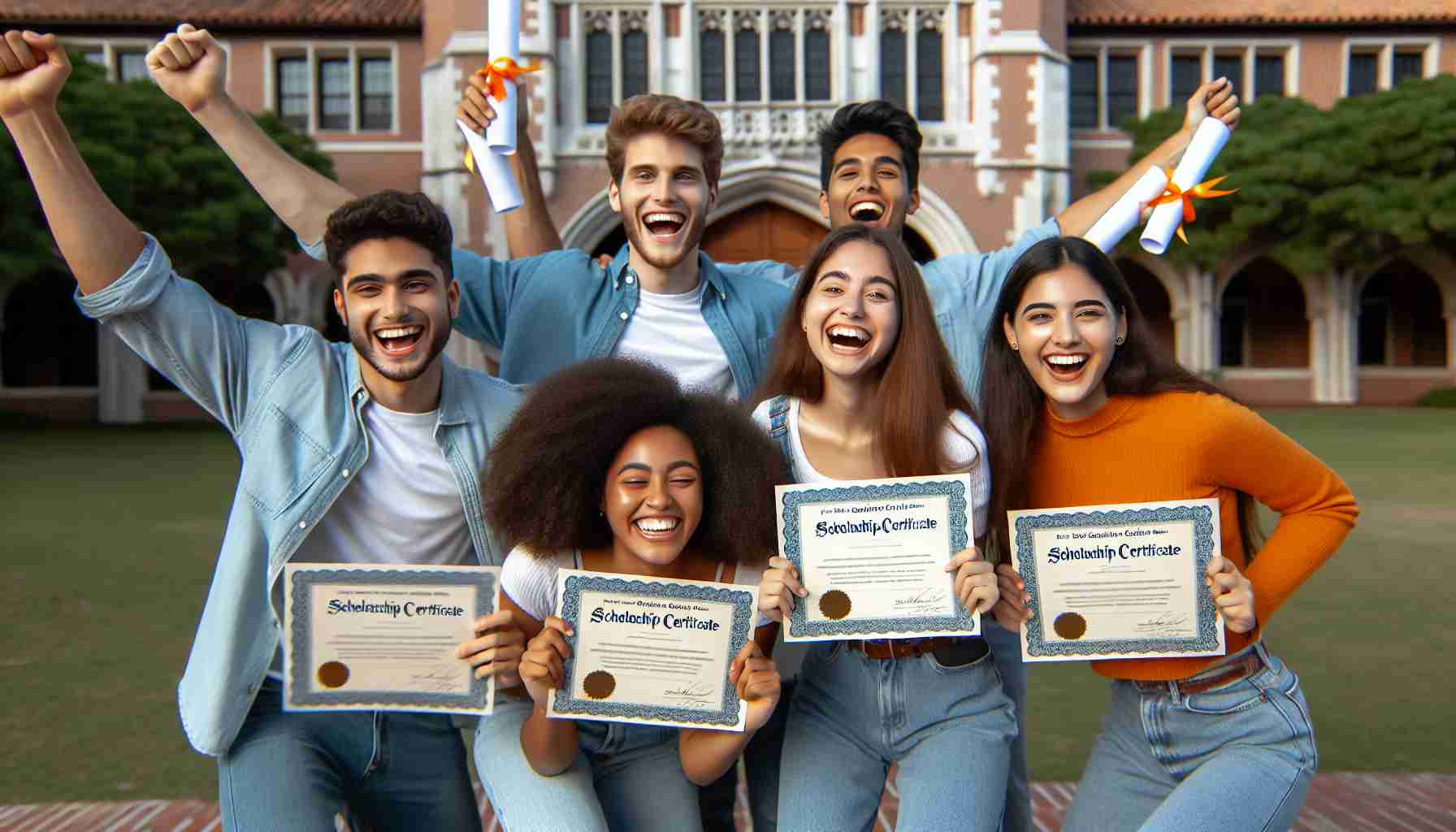
The role of scholarships in promoting social mobility is also a vital aspect of this discussion. By investing in first-generation students, universities are not just providing financial aid; they are actively working to dismantle systemic barriers that perpetuate cycles of poverty and inequality. The Dimond family’s commitment to supporting first-gen students at Cornell is a clear example of how targeted philanthropy can create pathways for upward mobility. When students are given the resources to succeed, they are more likely to graduate, pursue advanced degrees, and ultimately contribute positively to their communities.
This theme of empowerment extends beyond individual students. As first-generation students succeed, they often become role models for younger siblings and peers, demonstrating that higher education is attainable. Their achievements can inspire others in their communities to pursue similar paths, creating a ripple effect that fosters educational aspirations across generations. This idea is echoed in the experiences of students like Dayanara Sanchez and Hollie Byrne at the University of Iowa, who are not only focused on their personal success but also on setting a positive example for those who come after them.
Furthermore, the impact of these initiatives is not just confined to the students themselves; it reverberates throughout the academic institutions. When first-generation students succeed, it enhances the overall diversity and richness of the university community. Their unique perspectives and experiences contribute to a more inclusive educational environment, fostering a culture of understanding and collaboration. As universities like Cornell, Iowa, and MSU Texas continue to prioritize first-gen support, they not only uplift individuals but also enhance their institutional reputation and academic offerings.
In conclusion, the challenges faced by first-generation college students are multifaceted, encompassing financial, social, and emotional dimensions. The Dimond family’s scholarship initiative at Cornell is a testament to the power of philanthropy in addressing these challenges head-on. By providing targeted support, universities can help bridge the gap for first-gen students, empowering them to overcome obstacles and achieve their academic and career goals. As we look to the future, it’s clear that continued investment in first-generation students is essential for fostering a more equitable and accessible higher education landscape. The collective efforts of institutions, alumni, and benefactors will play a crucial role in shaping a brighter future for these aspiring scholars.
Trends in Hospitality Education and Career Opportunities
The hospitality industry is undergoing a seismic shift, and educational institutions are stepping up to meet the evolving demands of this dynamic sector. With the recent labor shortages underscored by the U.S. Chamber of Commerce, it’s clear that universities must adapt their hospitality programs to prepare students for a rapidly changing job market. The Dimond family’s generous donation to Cornell’s Nolan School of Hotel Administration is a pivotal moment in this transformation, providing a significant boost to educational opportunities in hospitality while addressing the pressing need for skilled professionals.
As we look ahead, the integration of technology and sustainability into hospitality curricula is paramount. The industry is increasingly reliant on digital advancements to enhance guest experiences and streamline operations. For instance, understanding hospitality management software, customer relationship management systems, and online booking platforms has become essential for aspiring professionals. Moreover, with the rise of artificial intelligence and data analytics, students must be equipped with the skills to leverage these technologies effectively. The hospitality sector is projected to create millions of jobs by 2027, and educational institutions must ensure that their graduates are not only job-ready but also capable of leading in an increasingly tech-driven environment.
Sustainability is another crucial aspect that educational programs must embrace. As the global focus on eco-friendly practices intensifies, hospitality education must incorporate courses on sustainable tourism, corporate social responsibility, and green hotel management. This shift not only prepares students to meet industry demands but also aligns with broader societal goals of environmental stewardship. By instilling these values in future hospitality leaders, institutions can contribute to a more responsible and sustainable industry.
The Dimond family’s endowment is more than just a financial contribution; it symbolizes a commitment to enhancing educational opportunities in hospitality. With this support, Cornell’s Nolan School can expand its curriculum, invest in cutting-edge technology, and create partnerships with industry leaders. Such collaborations are vital for providing students with hands-on experiences that bridge the gap between theoretical knowledge and real-world application. For example, internships and training programs with hotels and resorts can offer invaluable insights into industry expectations and the skills needed for success.
Furthermore, as the hospitality industry grapples with labor shortages, the implications for career opportunities are profound. The demand for skilled workers is on the rise, and educational institutions must adapt to ensure their programs are aligned with industry needs. By fostering connections with employers and staying attuned to labor market trends, universities can help students navigate the complexities of the job market and secure meaningful employment upon graduation.
The broader implications of these educational adaptations extend beyond individual career success. A well-trained workforce contributes to the overall growth and stability of the hospitality sector, which is crucial for economic recovery and development. As institutions like Cornell invest in preparing students for the future, they are also playing a role in shaping a resilient and innovative industry capable of meeting the challenges of tomorrow.
In conclusion, the evolving landscape of hospitality education is a response to the industry’s pressing needs, particularly in light of labor shortages. By integrating technology and sustainability into curricula, educational institutions can equip students with the skills necessary for future job markets. The Dimond family’s donation to Cornell stands as a beacon of hope for enhancing educational opportunities in hospitality, ultimately paving the way for a new generation of professionals ready to lead in a rapidly changing world. As universities continue to adapt and innovate, they will not only empower their students but also contribute to the growth and sustainability of the hospitality industry as a whole.
Alumni Engagement and Its Role in University Development
Alumni play a pivotal role in shaping the future of their alma maters, and their engagement through philanthropy is more critical than ever. The recent appointments of new leaders in alumni relations at prestigious institutions like Harvard and Penn State signal a renewed focus on fostering connections between universities and their graduates. These leaders bring fresh perspectives and strategies aimed at enhancing alumni involvement, which is essential for driving philanthropic support and ensuring the long-term success of their institutions.
At Harvard, the appointment of James J. Husson as the new vice president for alumni affairs and development is a significant development. With over three decades of experience in higher education fundraising, Husson’s track record includes notable roles at the University of Pennsylvania and Boston College. His deep understanding of alumni engagement and commitment to philanthropy comes at a time when American universities are navigating a complex landscape of donor expectations. Husson’s return to Harvard is a promising indication that the university is poised to strengthen its ties with alumni, encouraging them to give back to the institution that helped shape their futures.
Similarly, Penn State’s selection of Alyssa M. Wilcox as vice president for development and alumni relations marks a strategic move to enhance alumni engagement. With her extensive background in philanthropy, including a successful tenure at Purdue University (2025 USNews Ranking: 46) where she played a key role in securing a historic $100 million gift, Wilcox is well-equipped to lead Penn State’s fundraising efforts. Her vision for cultivating relationships with the university’s vast alumni network of over 775,000 individuals highlights the importance of creating a culture of giving that resonates with both current and former students.
These leadership changes are not merely administrative; they represent a broader trend in higher education where universities are increasingly recognizing the value of alumni as vital partners in their mission. Successful alumni-driven initiatives can lead to substantial funding for scholarships, research, and campus development. For instance, at Vanderbilt University, an anonymous alumnus recently pledged to match qualifying gifts for the basketball program, showcasing how alumni contributions can significantly enhance student experiences and institutional resources.
Moreover, the impact of alumni engagement extends beyond financial contributions. Alumni often serve as mentors, providing guidance and support to current students navigating their academic and career paths. By fostering a sense of community and belonging, universities can encourage alumni to become active participants in their institutions’ growth. This engagement not only enriches the educational environment but also helps create a pipeline of future alumni who are motivated to give back.
The importance of building lasting relationships between universities and their graduates cannot be overstated. Philanthropic contributions from alumni not only provide essential funding but also enhance the overall reputation of the institution. When successful alumni publicly acknowledge their educational experiences and the role their universities played in their achievements, it sends a powerful message to potential donors and prospective students alike. This narrative of success can inspire others to contribute, creating a virtuous cycle of giving that benefits current and future generations.
Institutions like Harvard, Penn State, and Vanderbilt are setting the stage for a new era of alumni engagement, one that prioritizes meaningful connections and collaborative efforts. As these universities implement innovative strategies to enhance alumni relations, they are likely to see an increase in philanthropic support that can transform their campuses and empower students. The collective efforts of alumni and their alma maters will ultimately shape the future of higher education, ensuring that institutions can continue to provide exceptional educational opportunities for all.
In essence, the role of alumni in university development is evolving, and it’s up to institutions to harness this potential. By investing in alumni relations and fostering a culture of giving, universities can secure the resources they need to thrive in an increasingly competitive landscape. As we witness the transformative power of alumni engagement, it becomes clear that these relationships are not just beneficial—they are essential for the continued success and growth of higher education.
The Future of Philanthropy in Higher Education
As we look toward the future of philanthropic giving in higher education, a few emerging trends are impossible to ignore. Donors are increasingly demanding measurable impacts from their contributions, which means universities must adapt their fundraising strategies to align with these expectations. Gone are the days when a donation was simply a badge of prestige; today’s philanthropists want to see how their investments translate into real-world outcomes, especially when it comes to enhancing educational opportunities for underrepresented populations like first-generation college students.
Fostering a culture of philanthropy within educational institutions is paramount. Universities must not only promote the importance of giving but also create transparent channels for donors to witness the impact of their contributions. This can be achieved through regular updates, success stories, and engagement opportunities that showcase how donations are transforming lives. The Dimond family’s commitment to funding scholarships for first-gen students at Cornell is a perfect example of how targeted philanthropy can create meaningful change, and it sets a precedent for future initiatives.
Moreover, as universities navigate these evolving donor expectations, there’s a tremendous opportunity to further enhance support for underrepresented student populations. By prioritizing scholarships and resources for first-generation students, institutions can play a crucial role in dismantling barriers to higher education. The potential for future donations to create pathways for these students is immense, and it’s vital that universities seize this moment to cultivate an inclusive environment that empowers all students to thrive.
In essence, the future of philanthropy in higher education hinges on adaptability, transparency, and a commitment to equity. As institutions embrace these principles, they will not only secure vital funding but also foster an educational landscape where every student has the opportunity to succeed.
Reference:
- Dimond Family Donates $13 Million to Support Scholarships at Cornell’s Nolan School
- University of Iowa Awards First Bridge to Success Scholarships to First-Generation Students
- Support and Resources for First-Generation Students at MSU Texas
- Record-Breaking $4 Million Raised for Student Scholarships at St. John’s University President’s Dinner
- Understanding America’s Labor Shortage: The Most Impacted Industries
- Hospitality Education: Preparing for the 2027 Job Market
- Philanthropy Drives Excellence at San Diego State University
- James J. Husson Appointed New Vice President for Alumni Affairs and Development at Harvard University
- Alyssa M. Wilcox Appointed Vice President for Development and Alumni Relations at Penn State