
Introduction: The Significance of Supply Chain Management Education
In today’s interconnected global economy, the significance of supply chain management (SCM) education cannot be overstated. As industries grapple with increasing complexities and disruptions, the demand for skilled professionals who can navigate these challenges has surged. Recognizing this need, Syracuse University‘s Martin J. Whitman School of Management has recently been ranked among the top 25 graduate programs in SCM by Gartner, achieving a commendable No. 22 position. This accolade not only highlights the program’s commitment to excellence but also underscores the evolving landscape of SCM education, which is becoming increasingly vital for preparing future leaders in the field.
Historically, SCM programs in the United States have evolved significantly since their inception. The Whitman School, for instance, boasts the distinction of housing the nation’s first SCM program, which began as a specialization in traffic and transportation in 1919. Over the decades, the focus has shifted from traditional logistics and transportation to encompass a broader range of topics, including risk management, sustainability, and the integration of advanced technologies. This evolution reflects the changing dynamics of global commerce, where supply chains are no longer linear but rather intricate networks that require a comprehensive understanding of various factors, including geopolitical influences, technological advancements, and environmental considerations.
The recent recognition of Syracuse’s program by Gartner is particularly timely, as industries face unprecedented challenges such as supply chain disruptions caused by the COVID-19 pandemic, geopolitical tensions, and climate change. These challenges have highlighted the critical need for professionals who are not only well-versed in traditional SCM principles but also equipped with the skills to adapt to rapidly changing circumstances. The Whitman School’s emphasis on experiential learning, through internships and corporate partnerships, ensures that students are prepared to meet the demands of the industry head-on. Faculty members, like Burak Kazaz, emphasize the importance of supply chain risk management, a skill set that has gained prominence in light of recent global disruptions.
Moreover, the program’s historical roots and its current standing reflect a broader trend in SCM education across the U.S. As more universities recognize the importance of equipping students with the necessary tools to thrive in a complex global environment, we see a proliferation of innovative programs designed to address contemporary challenges. For instance, Boston University has launched a Master of Science in Supply Chain Management program that focuses on data-driven decision-making and sustainability, catering to the growing demand for professionals who can manage intricate global networks effectively.
The relevance of SCM education extends beyond academic institutions; it is also crucial for industries seeking to enhance their operational efficiency and resilience. Companies are increasingly looking for graduates who can bring fresh perspectives and innovative solutions to their supply chain operations. The connection between academia and industry is vital, as evidenced by the partnerships that programs like Whitman’s have established with major corporations such as Amazon and IBM. These collaborations not only provide students with valuable networking opportunities but also ensure that the curriculum remains aligned with industry needs.
As we delve deeper into the implications of these developments, it becomes clear that the landscape of SCM education is not static. It is continuously evolving to meet the demands of a global economy that is increasingly characterized by uncertainty and complexity. The recognition of programs like Syracuse’s by Gartner serves as a testament to the importance of high-quality SCM education in preparing the next generation of leaders who will navigate these challenges and drive innovation in the field.
The Evolution of Supply Chain Management Programs in the U.S.
The historical development of Supply Chain Management (SCM) programs in the United States reflects a significant evolution in response to the changing dynamics of global commerce and industry needs. The roots of SCM education can be traced back to the early 20th century, with Syracuse University establishing the nation’s first SCM program in 1919. Initially focused on traffic and transportation, this program laid the groundwork for what would become a critical area of study as businesses began to recognize the importance of efficient supply chain operations in achieving competitive advantage.
Over the decades, the field of supply chain management has expanded dramatically, evolving from a niche focus on logistics to a comprehensive discipline that encompasses procurement, production, distribution, and customer service. This transformation was driven by several factors, including globalization, technological advancements, and the increasing complexity of supply chains. As companies began to operate on a global scale, the need for skilled professionals who could manage intricate supply chain networks became paramount. Academic institutions responded by developing specialized programs that not only addressed the technical aspects of supply chain management but also integrated strategic thinking and leadership skills.
In the 1980s and 1990s, the rise of just-in-time (JIT) manufacturing and lean management principles further propelled the demand for SCM education. Universities began to incorporate these concepts into their curricula, emphasizing the importance of minimizing waste and optimizing processes. Programs started to include case studies and real-world applications, allowing students to engage with contemporary challenges faced by businesses. This shift towards practical learning was crucial in preparing graduates to meet the evolving demands of the industry.
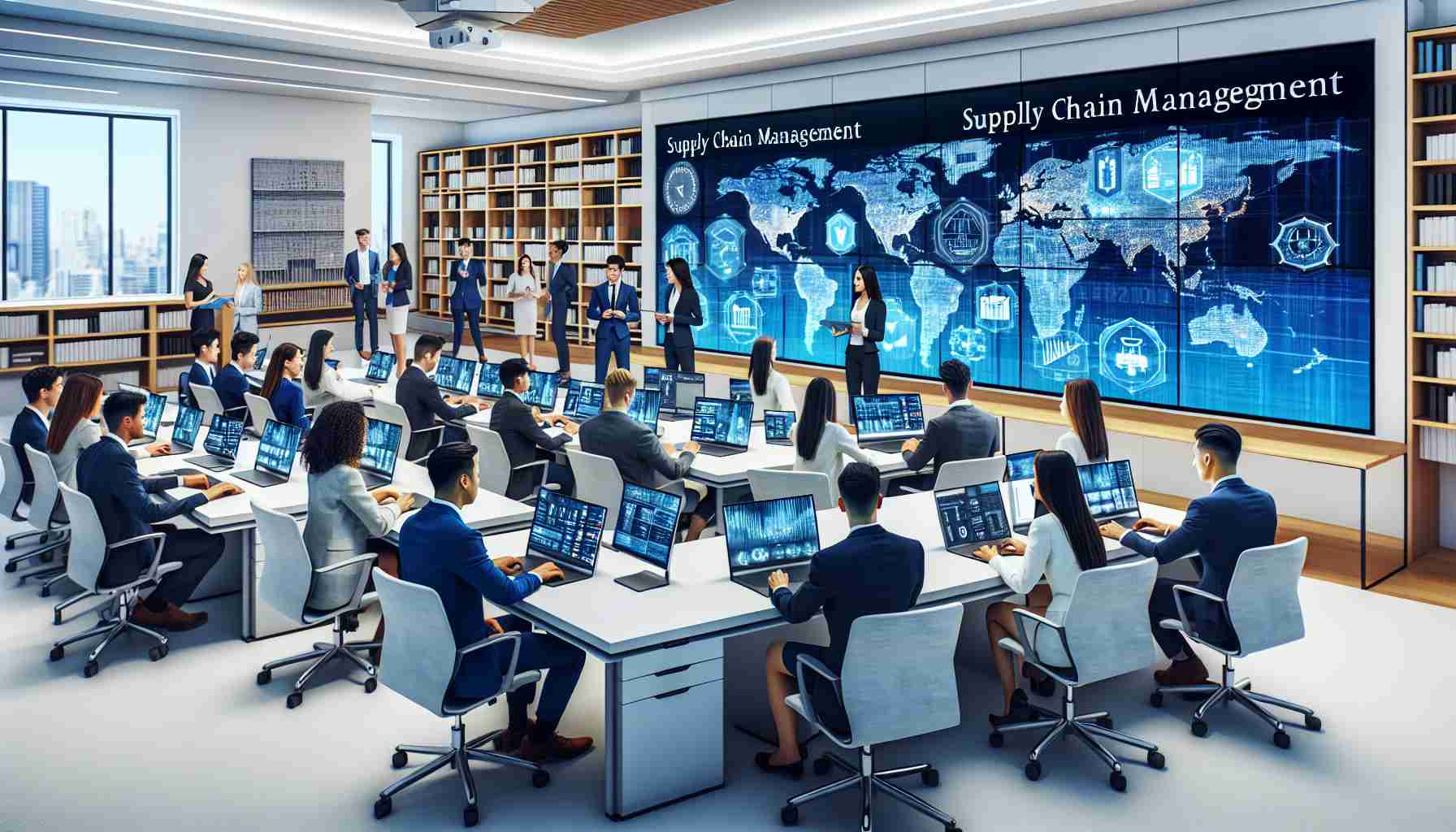
As the 21st century approached, the landscape of supply chain management continued to change, particularly with the advent of digital technologies. The integration of data analytics, artificial intelligence, and automation into supply chain processes has transformed how companies operate. In response, academic programs have adapted their curricula to include these emerging technologies, ensuring that students are equipped with the skills necessary to navigate a rapidly changing environment. For instance, Boston University’s recent launch of a Master of Science in Supply Chain Management program reflects this trend, offering specializations in areas such as analytics and risk management to prepare students for the complexities of modern supply chains.
Moreover, the role of academic institutions in shaping SCM practices has become increasingly significant. Universities have established partnerships with industry leaders, creating opportunities for students to gain hands-on experience through internships, co-ops, and collaborative projects. These partnerships not only enhance the educational experience but also ensure that the curriculum remains relevant to the needs of employers. For example, Syracuse University’s Whitman School of Management emphasizes experiential learning through corporate partnerships and networking events, which are integral to its SCM program. This focus on real-world application is essential in a field where practical skills are highly valued.
The increasing emphasis on sustainability and ethical practices in supply chain management has also influenced the development of academic programs. As businesses face mounting pressure to adopt environmentally friendly practices, universities are incorporating sustainability into their curricula. This shift reflects a broader recognition of the role that supply chains play in addressing global challenges, such as climate change and resource scarcity. Programs are now teaching students how to implement sustainable practices within supply chains, preparing them to lead initiatives that align with corporate social responsibility goals.
In summary, the historical development of SCM programs in the U.S. illustrates a responsive and adaptive educational landscape that has evolved alongside the industry. From its origins in traffic and transportation to its current status as a multifaceted discipline, SCM education has continually adapted to meet the changing demands of the marketplace. The integration of experiential learning, industry partnerships, and a focus on sustainability underscores the commitment of academic institutions to prepare graduates for successful careers in this critical field. As the supply chain landscape continues to evolve, these programs will play a vital role in shaping the future of supply chain management practices.
Impact of Supply Chain Management Education on Industry Practices
The impact of Supply Chain Management (SCM) education on industry practices is increasingly significant, particularly as programs at institutions like Syracuse University and Boston University evolve to meet the demands of a rapidly changing global landscape. These programs are not only preparing students for traditional roles within supply chains but are also equipping them with the skills necessary to address contemporary challenges, such as sustainability and risk management.
Syracuse University’s Martin J. Whitman School of Management, recently ranked among the top 25 SCM programs by Gartner, emphasizes experiential learning as a cornerstone of its curriculum. This approach allows students to engage directly with industry through internships, corporate partnerships, and networking events. Burak Kazaz, a prominent faculty member, highlights the program’s focus on supply chain risk management, a critical area of study given the disruptions experienced in recent years. The integration of real-world experiences into the academic framework not only enhances students’ understanding of theoretical concepts but also prepares them to implement these concepts in practical settings.
Similarly, Boston University’s Metropolitan College has launched a Master of Science in Supply Chain Management program that addresses the complexities of modern supply chains. The curriculum is designed to be data-driven and emphasizes agility and resilience, reflecting the current needs of the industry. Students engage in capstone projects that tackle real-world business challenges, collaborating with major corporations like Amazon and Coca-Cola. This hands-on experience is crucial for developing the analytical and problem-solving skills that employers seek in graduates.
Recent studies underscore the importance of sustainable supply chain management (SSCM) practices, which are becoming increasingly vital as industries face pressure to adopt environmentally friendly operations. Research published in “Frontiers in Environmental Science” indicates that top management support and effective supplier management are positively correlated with SSCM. This finding suggests that educational programs must not only teach students about sustainability but also instill the leadership qualities necessary to drive these initiatives within organizations. By fostering a culture of sustainability, graduates can significantly influence their future employers’ practices, aligning corporate strategies with environmental goals.
Corporate partnerships play a pivotal role in enhancing educational outcomes in SCM programs. These collaborations provide students with access to industry insights and networking opportunities that are invaluable for career advancement. For instance, Syracuse’s partnerships with major corporations ensure that the curriculum remains relevant and aligned with industry needs. Graduates from these programs are often sought after by companies looking for leaders who can navigate the complexities of modern supply chains.
Experiential learning is a critical component of SCM education, as it allows students to apply theoretical knowledge in practical settings. Programs that incorporate internships, co-ops, and real-world projects enable students to develop essential soft skills, such as communication and teamwork, alongside technical competencies. The University of Cincinnati (2025 USNews Ranking: 152) ‘s Carl H. Lindner College of Business exemplifies this approach, boasting high job placement rates due to its emphasis on experiential learning. Graduates emerge not only with academic credentials but also with the practical experience that employers value.
As the supply chain landscape continues to evolve, the integration of advanced technologies such as AI, data analytics, and automation is reshaping industry practices. Educational programs must adapt to these changes by incorporating relevant technological training into their curricula. The rise of generative AI and machine learning in supply chain operations highlights the need for graduates who are proficient in these areas. By equipping students with the skills to leverage these technologies, universities can ensure that their graduates are prepared to lead in a digital-first environment.
In conclusion, the impact of SCM education on industry practices is profound, with programs at Syracuse University and Boston University leading the way in preparing students for the challenges of modern supply chains. Through a combination of experiential learning, corporate partnerships, and a focus on sustainability, these programs are not only enhancing educational outcomes but also shaping the future of supply chain management. As industries continue to navigate complexities and disruptions, the role of well-prepared graduates will be crucial in driving innovation and resilience within supply chains.
Trends in Supply Chain Risk Management and Their Implications for Businesses
The landscape of supply chain management (SCM) is rapidly evolving, particularly in response to recent global disruptions that have highlighted vulnerabilities in traditional supply chain models. As organizations grapple with these challenges, there is a marked shift towards integrating advanced technologies such as artificial intelligence (AI), data analytics, and automation into supply chain risk management strategies. These technologies are not only enhancing operational efficiency but also improving visibility and resilience, which are critical in navigating the complexities of modern supply chains.
One of the most significant trends is the adoption of generative AI, which allows companies to process vast amounts of data and adapt their supply chain operations accordingly. This capability is particularly valuable in procurement and manufacturing, where real-time data analysis can lead to more informed decision-making and streamlined processes. As organizations increasingly rely on data-driven insights, the need for professionals skilled in these technologies is becoming paramount. Educational programs are responding by incorporating AI and data analytics into their curricula, ensuring that graduates are well-equipped to meet the demands of the industry.
Moreover, the emphasis on sustainability and Environmental, Social, and Governance (ESG) considerations is reshaping supply chain practices. Companies are under growing pressure to address their Scope 3 emissions, which encompass the entire value chain, and to adopt sustainable practices that minimize environmental impact. This shift is prompting educational institutions to integrate sustainability into their SCM programs, preparing students to implement eco-friendly practices and engage with suppliers on sustainability initiatives. For instance, the Master of Science in Supply Chain Management program at Boston University emphasizes the importance of sustainability alongside traditional supply chain principles, equipping students with the knowledge to lead in this area.
The role of experiential learning in SCM education is also gaining traction. Programs that offer internships, corporate partnerships, and real-world projects are becoming increasingly popular, as they provide students with hands-on experience that is crucial for understanding the complexities of supply chains. The Martin J. Whitman School of Management at Syracuse University, for example, emphasizes experiential learning through its strong industry connections, allowing students to engage directly with leading companies in the field. This approach not only enhances students’ technical skills but also fosters critical soft skills such as communication and problem-solving, which are essential in today’s collaborative work environments.
As the supply chain landscape continues to evolve, educational programs are adapting to ensure that graduates are prepared to navigate these complexities effectively. The integration of advanced technologies, a focus on sustainability, and the emphasis on experiential learning are all critical components of modern SCM education. Institutions that recognize and respond to these trends will not only enhance their programs but also contribute to the development of a skilled workforce capable of addressing the challenges and opportunities that lie ahead in the field of supply chain management.
Conclusion: The Future of Supply Chain Management Education
The recent recognition of Syracuse University’s Martin J. Whitman School of Management as one of the top 25 graduate programs in supply chain management (SCM) by Gartner Inc. underscores the evolving landscape of SCM education and its critical role in shaping future industry leaders. As the demand for skilled professionals in this field continues to grow, it is imperative that academic programs adapt to meet the dynamic needs of the industry. The Whitman School’s emphasis on experiential learning, corporate partnerships, and a curriculum that addresses contemporary challenges such as supply chain risk management positions its graduates to excel in a competitive job market.
The integration of real-world experiences through internships, networking events, and partnerships with major corporations like Amazon and IBM not only enhances the educational experience but also ensures that students are well-prepared to tackle the complexities of modern supply chains. This approach reflects a broader trend in business education, where institutions are increasingly recognizing the importance of aligning academic programs with industry demands. As highlighted in various studies, including those focusing on sustainable supply chain management, the ability to adapt and innovate is crucial for both educational institutions and the businesses they serve.
Looking ahead, the future of SCM education will likely be characterized by a continued emphasis on collaboration between academia and industry. Programs that foster strong connections with businesses will be better positioned to equip students with the skills necessary to lead innovations in supply chain practices. This is particularly relevant as organizations face mounting pressures to enhance sustainability and resilience in their operations. The integration of advanced technologies, such as AI and data analytics, into SCM curricula will also be essential in preparing graduates to navigate the complexities of digital supply chains.
Moreover, as the industry evolves, so too must the educational frameworks that support it. Continuous adaptation of academic programs will be vital in addressing emerging challenges, such as geopolitical tensions, environmental sustainability, and the need for agile supply chain strategies. By fostering a culture of innovation and responsiveness, educational institutions can empower SCM graduates to not only meet current industry needs but also to drive future advancements in the field.
In conclusion, the recognition of programs like the Whitman School’s SCM graduate program serves as a testament to the importance of high-quality education in shaping the future of supply chain management. As the landscape continues to change, the collaboration between educational institutions and businesses will be paramount in developing the next generation of leaders who can contribute to more resilient and sustainable supply chains. The potential for SCM graduates to lead innovations in this critical area is immense, and their contributions will be essential in addressing the challenges and opportunities that lie ahead.
Reference:
Whitman School of Management’s Supply Chain Program Ranked Among Top 25 by Gartner
The Role of Management Support and Justice in Sustainable Supply Chain Management
Enhancing Environmental Performance in Transport Infrastructure through Stakeholder Engagement and Lean Supply Chain Management
Supply Chain Trends 2024: The Digital Shake-Up
6 Ways Supply Chain Trends Impact Businesses
Catholic University’s Busch School of Business: Merging Faith and Career Success
University of Cincinnati Achieves High Job Placement Rates for Business Graduates
Boston University Launches Master of Science in Supply Chain Management Program
Army Medical Logistics Command Celebrates Five Years of Service and Innovation
Seton Hall University Innovates Business Education with Microcredentials and Global Focus
Bentley University Expands Strategic Partnerships to Enhance Student Opportunities