
Introduction: The Significance of Fulbright Scholarships
The Fulbright Program, established in 1946, stands as a beacon of hope and collaboration in the realm of international educational exchange. Named after Senator J. William Fulbright, who championed the initiative, this program was designed to enhance mutual understanding between the people of the United States and other nations through educational and cultural exchange. With a mission that resonates more than ever in our interconnected world, the Fulbright Program has awarded over 400,000 grants to individuals seeking to study, teach, and conduct research abroad, thereby fostering global understanding and peace.
The significance of the Fulbright Program cannot be overstated. It serves as a platform for scholars, educators, and students to immerse themselves in different cultures, share knowledge, and build lasting relationships that transcend borders. This academic exchange is not merely about gaining knowledge; it’s about cultivating empathy and understanding in a world often divided by misunderstanding and conflict. The program encourages participants to engage with local communities, listen to diverse perspectives, and contribute to collaborative solutions for pressing global issues.
As we dive into the achievements of the University of Maryland (UMD) and other leading institutions, it’s worth noting that the recognition of UMD as a top producer of Fulbright students for the 2024-25 academic year is a testament to its commitment to these ideals. With 17 students receiving Fulbright scholarships this year, including a remarkable range of research projects that span the globe—from environmental studies in Ghana to medical education narratives in Korea—UMD is clearly making waves in the realm of international education.
In this article, we will explore UMD’s notable Fulbright achievements, highlighting the impactful projects undertaken by its students. We will also broaden the lens to include the contributions of other institutions, such as Illinois State University and the University of South Florida (2025 USNews Ranking: 91) , showcasing how these programs enhance educational experiences and promote cultural understanding. Furthermore, we will delve into the environmental and social challenges addressed by Fulbright research, illustrating the critical role of academic inquiry in tackling global issues.
So, whether you’re a prospective student, an educator, or simply someone interested in the transformative power of education, buckle up! This journey through the world of Fulbright scholarships promises to be enlightening and inspiring, shedding light on the incredible work being done by students and scholars dedicated to making a difference in our world.
University of Maryland’s Fulbright Achievements
At the heart of UMD’s recent accolades in the Fulbright Program lies a tapestry of diverse and impactful projects that reflect the university’s commitment to addressing global challenges through education and research. Among the standout recipients is JaKyah Beatty, a Master of Public Policy graduate whose research in Ghana focuses on the environmental and economic implications of the staggering influx of secondhand clothing. With an estimated 15 million tons of secondhand garments entering Ghana each week, her work is not just academically rigorous but socially vital. Beatty is on a mission to uncover sustainable solutions for reusing this textile waste, which poses significant challenges to both local economies and the environment. By interviewing sellers in the secondhand textile market and exploring industrial processes that regenerate worn clothes into new fabric, she aims to weave together a narrative of sustainability that could inspire similar initiatives worldwide.
But JaKyah is just one piece of the puzzle. UMD’s Fulbright cohort is a microcosm of the university’s broader mission to foster change through innovative research across various fields and countries. For instance, one student is using the Fulbright opportunity to study how Korean medical students interpret patients’ illness narratives, a project that could enhance understanding of patient-centered care in medical education. Another recipient is forecasting climate-related diseases in the Philippines, a project that underscores the urgent need for proactive healthcare strategies in the face of climate change.
Then there’s Caterina Ieronimo, who has taken her Fulbright scholarship to Sicily to investigate the intersection of legal action and immigrant rights, focusing on how the law can assist those wrongfully accused of smuggling. Her work emphasizes the importance of creating a sense of belonging and home for displaced individuals, a theme that resonates deeply in today’s global landscape where migration is often fraught with peril and misunderstanding.
The range of projects undertaken by UMD Fulbright students demonstrates not only the diversity of academic inquiry but also the profound impact these initiatives can have on local communities. By engaging directly with the issues at hand, these students are not just studying problems; they are actively participating in the solutions, bridging gaps between cultures and contributing to a greater understanding of shared human experiences.
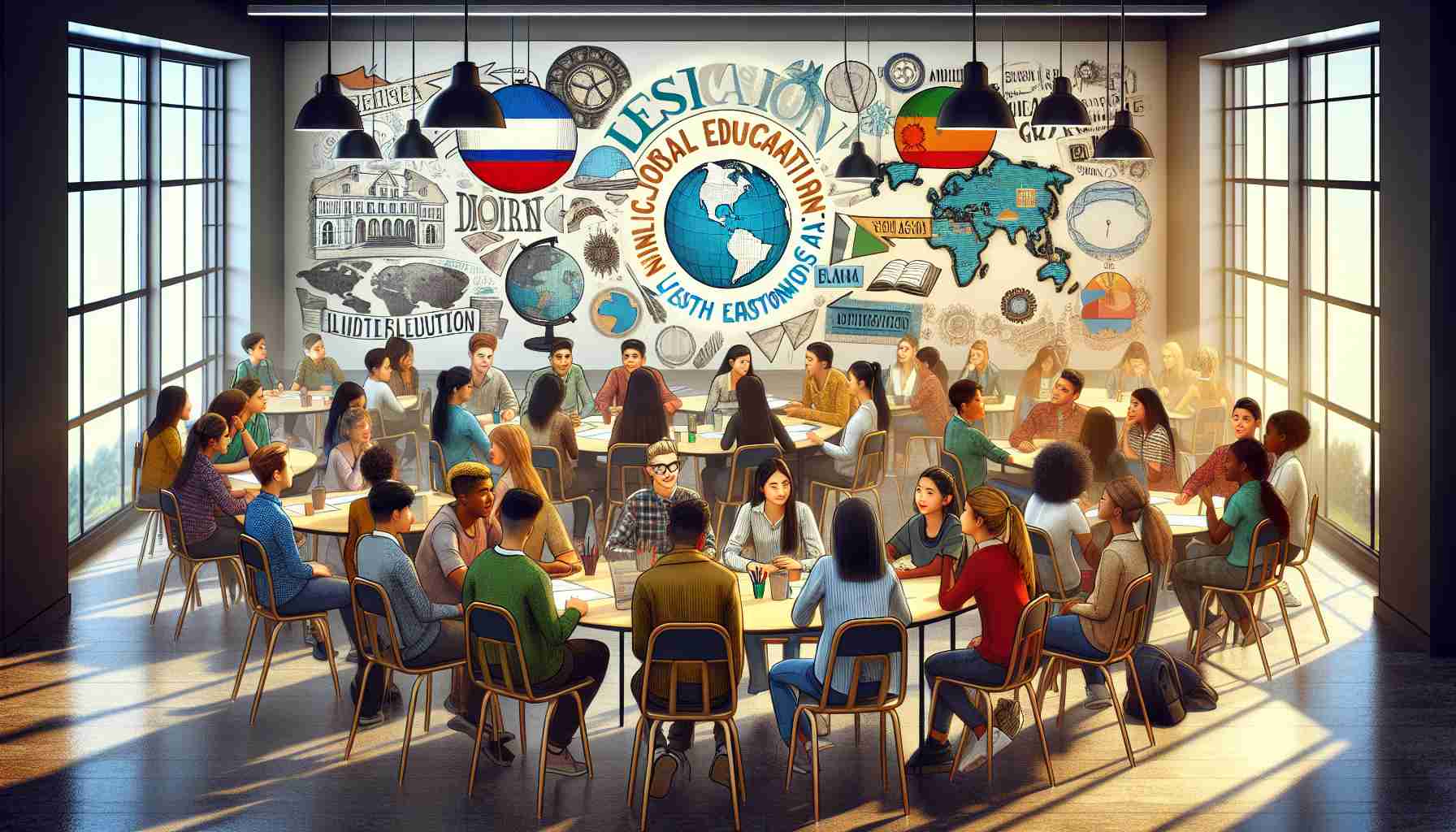
Supporting these ambitious projects is UMD’s robust infrastructure designed to help students secure prestigious scholarships like the Fulbright. The National Scholarships Office and the Office of International Affairs work hand in hand to guide students through the application process, offering workshops, mentorship, and resources to ensure they are well-prepared to embark on their international journeys. Marsha Rozenblit, UMD’s Fulbright faculty adviser and a history professor, has expressed her delight at the number of students qualifying for Fulbright awards, highlighting how this recognition showcases the excellence of UMD’s programs at both the graduate and undergraduate levels.
This support is crucial, as the Fulbright Program is not merely a gateway to international experiences; it is a catalyst for fostering mutual understanding and peaceful relations between nations. Each project undertaken by UMD’s Fulbright scholars contributes to a larger narrative of global collaboration, where knowledge and cultural exchange pave the way for innovative solutions to pressing issues. The university’s sustained success in producing Fulbright scholars is a testament to its dedication to these ideals, reflecting a commitment to nurturing a new generation of leaders who are equipped to tackle the complexities of our world.
As we continue to explore the broader implications of Fulbright scholarships on global education, it becomes clear that UMD is not alone in its endeavors. Other institutions, such as Illinois State University and the University of South Florida, are also making significant strides in promoting cultural understanding and enhancing educational experiences through their own Fulbright initiatives. The collective impact of these programs highlights the importance of academic exchange in fostering a more interconnected and empathetic world, one where future leaders are prepared to engage with and address the challenges that lie ahead.
In essence, the achievements of UMD’s Fulbright scholars not only illuminate the paths of individual students but also serve as a beacon of hope for what can be accomplished when education is harnessed as a tool for social change. With a focus on sustainability, social justice, and cultural exchange, these projects are shaping the future of international education and reinforcing the vital role that academic inquiry plays in building a better world.
The Broader Impact of Fulbright Scholarships on Global Education
The broader implications of Fulbright scholarships extend far beyond individual accomplishments; they embody a transformative approach to global education that resonates across universities and cultures. Institutions like Illinois State University (ISU) and the University of South Florida (USF) are prime examples of how such programs can enhance educational experiences, promote cultural understanding, and cultivate globally aware educators and scholars.
At Illinois State University, the Global Outreach Program (I-GO) exemplifies this ethos by connecting education majors with learners worldwide. Launched during the unprecedented times of the COVID-19 pandemic, I-GO has thrived by providing future educators with diverse, equitable, and inclusive teaching experiences through innovative online platforms. This program allows students to engage in workshops that focus on instructional strategies tailored for children from various backgrounds, followed by teaching online lessons to K-12 students in partner schools across countries like Cambodia, Indonesia, and South Korea. The beauty of I-GO lies in its ability to transcend geographical barriers, creating a rich tapestry of cross-cultural interactions that not only enhance the teaching skills of participants but also broaden their perspectives on education itself.
The faculty involved in the I-GO program, such as Dr. Do-Yong Park, emphasize the importance of cross-cultural content and language teaching, which enriches the educational experience for both the instructors and their international students. This initiative not only benefits the students in the program but also strengthens the faculty’s research and teaching practices, highlighting the reciprocal nature of educational exchange. As future educators hone their skills in culturally responsive instruction, they are simultaneously contributing to the development of a more inclusive and understanding global society.
Similarly, the University of South Florida (USF) has carved out a significant niche in the realm of Fulbright scholarships, being recognized as a leading producer of Fulbright Scholars. The university’s commitment to fostering mutual understanding through education is evident in the diverse backgrounds of its Fulbright recipients, who engage in impactful research across various disciplines. From economics to engineering, these scholars are not only enhancing their professional expertise but also establishing long-term global partnerships that benefit both USF and its international collaborators.
USF President Rhea Law has articulated the significance of these partnerships, emphasizing that they facilitate the exchange of ideas and collaborative research endeavors that ultimately enrich the educational experiences of all involved. The Fulbright program at USF serves as a vital gateway to global engagement, allowing faculty and students to connect with peers worldwide and bringing valuable insights back to the university. This dynamic interplay between local and global perspectives fosters a learning environment that is not only academically rigorous but also deeply rooted in the realities of our interconnected world.
However, while the benefits of international educational exchange programs are manifold, they are not without challenges. The recent suspension of federal grant funding for various study-abroad scholarships, including the Fulbright Program, has cast a shadow of uncertainty over the international education sector. This funding freeze, albeit temporary, serves as a stark reminder of the fragility of support systems that underpin these transformative initiatives. Students and program administrators alike are left grappling with the potential ramifications of such abrupt policy changes, which could limit participation and disrupt the carefully cultivated networks of collaboration that have taken years to establish.
Yet, within these challenges lie opportunities for growth and adaptation. As institutions navigate funding uncertainties, they are also prompted to innovate and seek alternative avenues for support. This resilience is crucial, as the need for global educational exchange is more pressing than ever. In a world characterized by rapid change and complex challenges, the cultivation of globally aware educators and scholars is essential for fostering understanding and cooperation among nations.
The Fulbright Program, along with initiatives at universities like ISU and USF, exemplifies the potential of academic exchange to bridge cultural divides and promote peace. As students engage in research that addresses pressing global issues—be it environmental sustainability, social justice, or cultural understanding—they are not merely participants in a program; they are agents of change. By fostering a generation of leaders who are equipped to confront the complexities of our world, these educational initiatives contribute to a more harmonious and interconnected global community.
In conclusion, the broader implications of Fulbright scholarships underscore the critical role of international educational exchange in shaping a more empathetic and informed world. As universities continue to champion such programs, they not only enhance the educational experiences of their students but also contribute to the development of a new generation of leaders committed to addressing the challenges of our time. The journey of these scholars is a testament to the power of education as a tool for social change, reminding us of the importance of fostering mutual understanding and cooperation in an increasingly divided world.
Environmental and Social Challenges Addressed by Fulbright Research
JaKyah Beatty’s research on the environmental impact of secondhand clothing in Ghana is a compelling example of how Fulbright scholars are not just engaging in academic inquiry; they are also addressing urgent global issues that resonate deeply with sustainability and social justice. With the fast fashion industry generating an overwhelming amount of textile waste, the ramifications are felt acutely in developing countries like Ghana, where the influx of secondhand garments can overwhelm local economies and contribute to environmental degradation. Beatty’s work, which involves interviewing market sellers and exploring innovative ways to repurpose this textile waste, exemplifies the kind of grassroots solutions that can emerge from academic research.
The environmental challenges posed by the fast fashion industry are staggering. As highlighted in various articles, the production of textiles has nearly doubled in the past two decades, leading to a staggering amount of waste—an estimated 85% of textiles end up in landfills each year. The U.S. alone generates approximately 11.3 million tons of textile waste annually, which translates into a garbage truck full of clothing being discarded every second. This throwaway culture not only depletes natural resources but also significantly contributes to pollution. The fashion industry is a major player in carbon emissions, accounting for about 10% of the global total. Beatty’s research is a timely reminder that addressing these issues requires not just awareness but actionable solutions rooted in local contexts.
Moreover, the social injustices intertwined with fast fashion cannot be overlooked. The industry often exploits labor in developing countries, where workers face unsafe conditions and minimal pay. This exploitation is further exacerbated by the exportation of secondhand clothing, which can undermine local textile industries and lead to economic instability. By focusing on the environmental and economic implications of this influx, Beatty’s project aims to empower local communities to find sustainable solutions that can help mitigate these adverse effects.
In tandem with environmental issues, there are significant social challenges that Fulbright scholars are tackling, particularly concerning the rights of immigrants. Caterina Ieronimo’s project in Sicily, which investigates legal avenues for assisting immigrants wrongfully accused of smuggling, highlights the intersection of law and social justice. In an era where migration is often met with hostility and misunderstanding, her work emphasizes the necessity of creating a sense of belonging for displaced individuals. This is especially crucial given the rising tide of anti-immigrant sentiment in many parts of the world. By advocating for legal protections and support for immigrants, Ieronimo’s research underscores the importance of empathy and understanding in addressing the multifaceted challenges faced by these communities.
The legal support for immigrants is a critical area of concern, especially in light of recent policy shifts that have made it increasingly difficult for many to navigate the complexities of the immigration system. Initiatives like San Francisco’s Immigrant Services and Resources provide essential legal assistance, healthcare, and educational support to immigrants, asylees, and refugees. These services not only help individuals secure their rights but also foster a sense of community and belonging. The collaborative efforts of local governments and organizations demonstrate how targeted support can make a significant difference in the lives of immigrants, ensuring they have access to the resources they need to thrive.
As we reflect on the work of Fulbright scholars like Beatty and Ieronimo, it becomes clear that their research is not isolated; it is part of a larger movement towards sustainability and social justice. By addressing pressing global issues through academic inquiry and cultural exchange, these scholars are paving the way for innovative solutions that resonate across borders. Their projects serve as a reminder that education is a powerful tool for change, capable of transforming not only individual lives but also entire communities.
In conclusion, the contributions of Fulbright scholars are vital in tackling the pressing environmental and social challenges of our time. Their work exemplifies the intersection of academic research and real-world impact, highlighting the importance of sustainability and social justice in our increasingly interconnected world. As we support and celebrate these initiatives, we must also advocate for continued investment in international educational exchange programs, ensuring that future generations of scholars are equipped to address the complexities of our global landscape. The journey of these scholars, driven by a commitment to fostering understanding and cooperation, is a testament to the transformative power of education in creating a more equitable and sustainable future for all.
Conclusion: The Future of Fulbright and Global Education
As we look toward the future of the Fulbright Program and similar international educational initiatives, it’s essential to recognize the pivotal role they play in fostering peace and understanding across cultures. The recent recognition of UMD as a top producer of Fulbright students highlights not only individual achievements but also the collective impact of these programs in shaping a new generation of leaders who are committed to addressing global challenges.
However, the landscape of international education is currently facing significant hurdles, particularly in light of recent funding challenges that jeopardize the sustainability of these vital programs. The temporary suspension of federal grant funding for study-abroad scholarships, including the Fulbright Program, serves as a stark reminder of the fragility of support systems that underpin these transformative experiences. This funding freeze has left students and educators in a state of uncertainty, raising concerns about the future of academic exchange and the opportunities it provides for cultural understanding and collaboration.
Despite these challenges, the need for international education is more pressing than ever. In a world increasingly defined by division and misunderstanding, programs like Fulbright are essential for cultivating empathy, promoting dialogue, and fostering relationships that transcend borders. They empower students to engage with diverse perspectives, develop innovative solutions to pressing global issues, and contribute to a more interconnected and compassionate world.
Looking ahead, it is crucial for institutions, policymakers, and communities to rally around the importance of international education programs. Continued support and investment in initiatives like the Fulbright Program will ensure that future generations of scholars are equipped with the knowledge, skills, and cultural competencies necessary to navigate and address the complexities of our global landscape. By fostering a new wave of leaders committed to peace and understanding, we can collectively work towards a brighter future—one where education serves as a bridge, not a barrier, in our quest for a more harmonious world.
Reference:
- University of Maryland Recognized as Top Producer of Fulbright Students for 2024-25
- Illinois State University’s I-GO Program Connects Education Majors with Global Learners
- USF Recognized as a Leading Producer of Fulbright Scholars for 2024-25
- US State Department Suspends Study Abroad Grants, Impacting Fulbright and Other Programs
- The Business Case for Sustainable Fashion: Insights from Industry Research
- Environmental Sustainability in the Fashion Industry: Urgency for Change
- The Environmental Impact of Fast Fashion: A 2025 Outlook
- Students Travel to Nagasaki to Learn About Promoting Peace
- Shimada Friendship Park: A Symbol of Peace and Cultural Exchange between Richmond and Shimada
- Universities Urged to Foster Peacebuilding Leadership in Cameroon
- Integrating Medical Humanities to Combat Burnout in Chinese Medical Education
- Top Public Health Stories of 2024 from UC Berkeley
- The Medical Humanities’ Struggle for Recognition at Harvard University
- San Francisco’s Immigrant Services and Resources: A Comprehensive Guide
- Supporting Immigrants and Refugees in This Challenging Moment
- Mass Deportations Threaten Community Stability, Expert Warns