
 ## The Importance of Orientation Programs in U.S. Colleges: A Closer Look at North Carolina State University’s Wolfpack Welcome Week
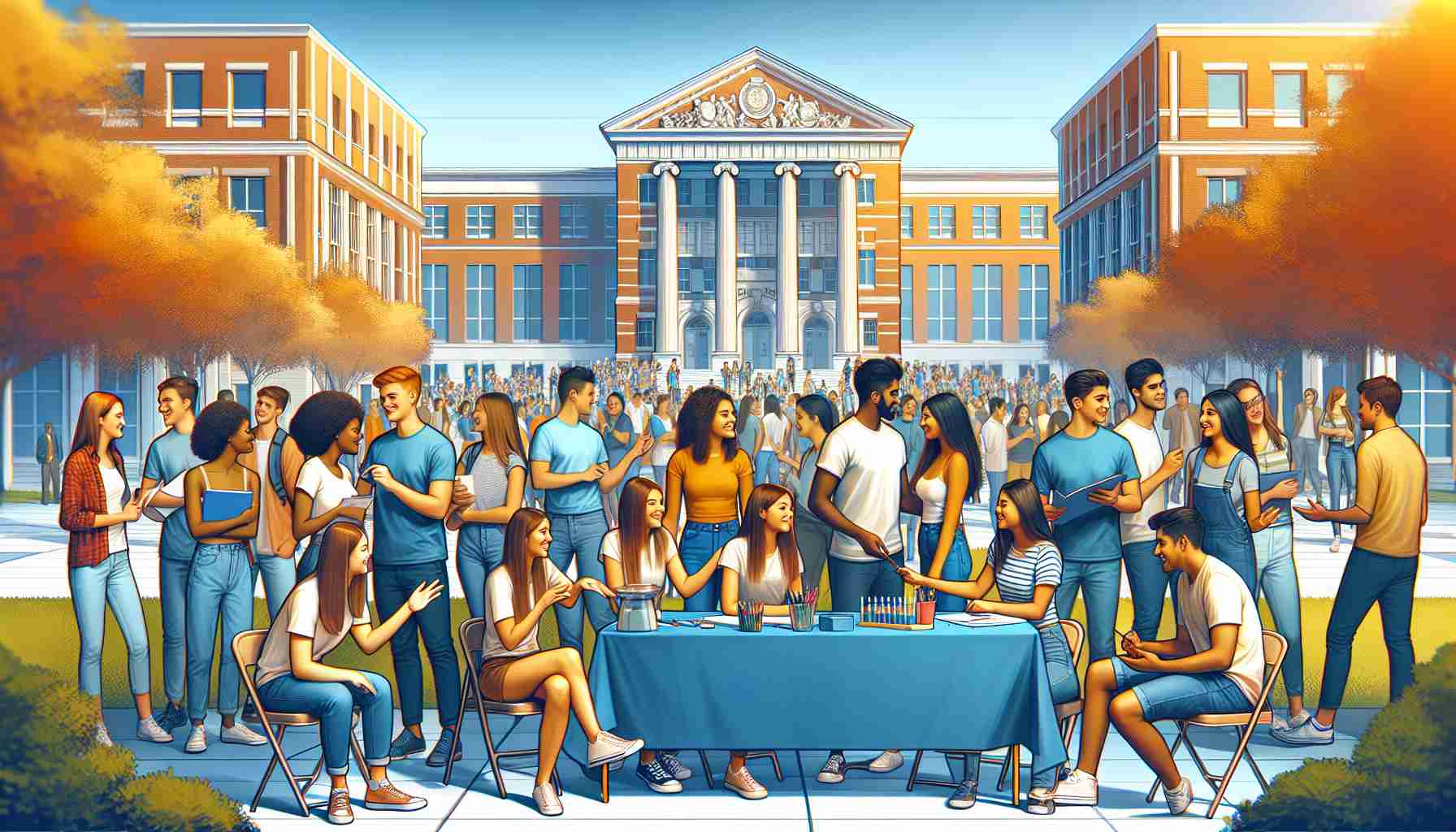
On August 19, 2024, North Carolina State University (NC State) hosted its annual Wolfpack Welcome Week (WWW), a comprehensive orientation program designed to help incoming freshmen acclimate to campus life, forge new friendships, and prepare for their upcoming college experience. This week-long event featured a variety of activities, including social gatherings, open houses, campus tours, performing arts auditions, and volunteer opportunities, ensuring that new students could fully immerse themselves in the joys of university life.
The WWW included a series of signature events, such as the New Student Convocation, RecFest, Respect the Pack, Moonlight Howl and Run, Student Involvement Fair, and Packapalooza street festival. These activities not only provided a platform for freshmen to showcase themselves but also offered opportunities for interaction with peers, helping them build a social network.
The New Student Convocation served as the opening event of WWW, where thousands of freshmen gathered to experience the school’s enthusiasm and vitality. RecFest was an interactive event showcasing the university’s sports and wellness resources, attracting numerous new students. The Respect the Pack event emphasized unity and diversity within the campus community, encouraging students to participate together and leave their mark.
Additionally, WWW encouraged freshmen to explore the campus and familiarize themselves with iconic buildings and landmarks, such as the Memorial Bell Tower, North Carolina Court, and the Free Expression Tunnel. These locations are not only symbols of campus culture but also important spaces for students’ future learning and living experiences.
To further assist freshmen in their transition to campus life, the university provided a wealth of resources and support, including the Student Leadership and Engagement Center, which offers opportunities and resources for students to engage in campus activities. Freshmen could learn about over 750 registered student organizations at the Student Involvement Fair, helping them find like-minded friends.
Academically, WWW included college connection events to help freshmen understand their academic affiliations and establish good study habits. The university’s Academic Success Center offered tutoring, peer mentoring, and writing support to ensure students could start their academic journey on the right foot.
Moreover, the university placed a strong emphasis on students’ mental and physical health, encouraging freshmen to utilize campus health resources and pay attention to their physical, emotional, and social well-being. By participating in health activities, freshmen could relax, meet new friends, and build a solid social network.
Finally, WWW provided a wealth of borrowing resources, allowing students to borrow various equipment and materials to help them adapt to college life. Whether borrowing sports equipment, musical instruments, or technology for studying, the university made it convenient for students.
In summary, North Carolina State University’s Wolfpack Welcome Week offers a fulfilling and enjoyable start to the academic year, helping freshmen find a sense of belonging in their new environment and embark on a rewarding college experience.
The Impact of Orientation Programs on Student Retention Rates in Universities
The significance of orientation programs like Wolfpack Welcome Week extends beyond mere socialization; they play a crucial role in student retention rates. Research has shown that effective orientation programs can significantly improve the likelihood of students remaining enrolled in their institutions. For instance, a study conducted at West Virginia University (WVU) revealed that their Research Apprenticeship Program (RAP) notably increased student retention rates, particularly among marginalized groups. This program, initiated in 2017, aimed to provide mentorship and research opportunities for first- and second-year students. The findings indicated that participants had a higher retention rate than the overall average, with 92% of first-year students continuing into their second year.
Cinthia Pacheco, the director of the RAP program, noted that the initiative successfully recruited marginalized students, including first-generation, minority, and low-income students. The study’s authors emphasized that programs like RAP offer unique practical experiences that are often hard to find in most universities, fostering better problem solvers and enhancing students’ academic journeys.
The RAP program’s success highlights the importance of creating supportive environments for students, particularly those from historically marginalized backgrounds. The connections formed with caring adults, such as faculty mentors, were identified as key factors in students’ transitions to university life. This sense of belonging is critical for retention, especially for students who may feel a stronger sense of responsibility to their families and communities.
As universities across the United States strive to improve retention rates, they can draw valuable lessons from programs like RAP. By investing in mentorship and research opportunities, institutions can create a more inclusive and supportive environment that encourages students to persist in their academic pursuits.
The Role of Social Events in Fostering Community Among College Freshmen
Social events, such as those organized during Wolfpack Welcome Week, are instrumental in fostering a sense of community among college freshmen. A recent commentary by Natalie Molina, a student at Ithaca College, emphasized the importance of creating supportive communities for students of color. Molina’s experience of cultural shock and identity crisis upon entering college was alleviated when she found a community of peers who shared similar backgrounds.
Through her involvement in the “Sisters 2 Sisters” organization, which supports women of color, Molina recognized the significance of providing a sense of belonging to others. The organization hosted events that celebrated the achievements of BIPOC (Black, Indigenous, and People of Color) students, creating a milestone for community engagement. Such initiatives not only empower students but also contribute to their overall well-being and academic success.
Molina’s journey underscores the critical role that social events play in helping students navigate the challenges of college life. By participating in extracurricular activities, students can build connections, develop leadership skills, and enhance their sense of identity within the campus community. This is particularly important in an increasingly diverse and inclusive society, where students from various backgrounds seek spaces where they feel valued and represented.
As colleges and universities continue to prioritize diversity and inclusion, the organization of social events that cater to underrepresented groups will be essential. These events not only foster community but also promote understanding and collaboration among students from different backgrounds, ultimately enriching the overall college experience.
Exploring the Importance of Mental Health Resources for New College Students
The transition to college can be a challenging time for many students, often accompanied by mental health concerns. A study published in Frontiers in Public Health highlighted the impact of the “Learning Sustainable Well-Being” (LSW) course offered at the University of California-San Diego (2024 USNews Ranking: 28) (UCSD). The research pointed to a growing mental health crisis, with nearly half of individuals experiencing mental health issues at some point in their lives. College students, in particular, face significant social, familial, and academic pressures that can exacerbate these challenges.
The LSW course, established in 2014, aims to enhance students’ mental health and resilience through interdisciplinary knowledge, including mindfulness, psychology, and neuroscience. The course employs experiential and seminar-based teaching methods, encouraging students to explore and improve their mental well-being. Participants reported significant improvements in their self-assessed mental health, with 97% indicating that the course enhanced their overall happiness.
The success of the LSW course underscores the need for universities to adopt comprehensive preventive mental health approaches. By integrating mental health education into the curriculum, institutions can better equip students with the skills to navigate the challenges they may face during their college years. This proactive approach is particularly crucial for students who may not recognize their need for mental health services.
As universities strive to support their students’ mental health, they must prioritize the development and promotion of resources that address the unique challenges faced by college students. By fostering a culture of mental well-being, institutions can help students build resilience and thrive in their academic and personal lives.
The Significance of Academic Support Services in the Transition to University Life
Academic support services are vital in helping students transition smoothly into university life. Pittsburg State University (PSU) exemplifies this commitment by offering a range of student success programs, including academic advising, career guidance, tutoring, and workshops on study skills. These services are designed to support all students, whether they are recent high school graduates, transfer students, or international students.
At PSU, academic advising provides students with expert assistance in achieving their educational goals. Career development services help students explore career options, develop professional skills, and strategize for job searches. The university also offers the Pitt CARES program, specifically aimed at helping freshmen navigate their transition to college.
To enhance academic performance, PSU provides various workshops that focus on improving study skills. Additionally, the university offers resources for parents to better support their students during this critical time. Tutoring services are available to reinforce classroom learning and ensure students make academic progress.
For students with special needs, PSU offers disability services to ensure they receive the necessary academic support and accommodations. The writing center provides feedback on assignments, helping students become confident and effective writers. For those undecided about their major, PSU offers exploratory learning opportunities to assist them in finding their academic direction.
Furthermore, PSU has established the Gorillas4Hire employment platform, connecting students with on-campus and off-campus job opportunities. The university encourages students to engage in leadership opportunities, helping freshmen adapt to college life. The communication center focuses on enhancing students’ oral communication skills, enabling them to present confidently in speeches and oral reports.
By providing a comprehensive array of academic support services, Pittsburg State University demonstrates its commitment to fostering an inclusive and supportive learning environment. This approach ensures that every student has the opportunity to succeed academically and professionally.
The Influence of Campus Landmarks on Student Identity and Belonging
Campus landmarks play a significant role in shaping students’ identities and sense of belonging. A recent announcement from the University of Utah regarding structural changes to its student affairs office illustrates the complexities of maintaining inclusivity while adhering to new state laws. The new legislation mandates that student services must be accessible to all students, regardless of personal identity characteristics.
As a result, the university plans to close several existing resource centers, including those focused on equity and student belonging, and consolidate their services into a new center. This restructuring aims to ensure that all students receive the support they need while also celebrating cultural diversity and awareness.
The changes at the University of Utah reflect a broader trend in higher education, where institutions are grappling with the balance between inclusivity and compliance with legal requirements. The commitment to maintaining a diverse and inclusive campus environment is essential for fostering a sense of belonging among students.
Landmarks and cultural centers on campus serve as vital spaces for students to connect with their identities and communities. By celebrating events such as Liberation Day, Martin Luther King Week, Pride Week, and Cultural Heritage Month, universities can create opportunities for students to engage with their cultural backgrounds and foster a sense of belonging.
As colleges and universities navigate the complexities of inclusivity, they must prioritize the preservation of spaces that honor diverse identities and experiences. By doing so, they can create an environment where all students feel valued and supported, ultimately enhancing their overall college experience.
Conclusion
The Wolfpack Welcome Week at North Carolina State University exemplifies the critical role that orientation programs play in helping students transition to college life. By providing a rich array of activities and resources, WWW fosters a sense of belonging and community among incoming freshmen. The impact of such programs extends beyond socialization; they significantly influence student retention rates, mental health, academic success, and the development of identity.
As universities across the United States strive to create inclusive and supportive environments, they can draw valuable lessons from successful orientation programs like WWW. By prioritizing mentorship, social events, mental health resources, academic support services, and the celebration of campus landmarks, institutions can enhance the overall college experience for all students. Ultimately, these efforts contribute to the development of well-rounded individuals who are equipped to thrive in their academic and personal lives.