
Introduction: The Evolution of Plant Science Education at UConn
The University of Connecticut (UConn) is stepping into a new era with its decision to rename the Sustainable Plant and Soil Systems major to Plant Science, set to take effect in the summer semester of 2025. This change isn’t just a cosmetic update; it stems from a comprehensive market analysis that aimed to assess the job landscape and gauge how UConn’s program stacks up against similar offerings at other universities. Feedback from students, faculty, and staff played a crucial role in this decision, highlighting the need for a name that resonates more clearly with industry standards and expectations.
The department head, Sydney Everhart, emphasized that the new name will better align the program with the demands of the job market, making it more recognizable to prospective students and employers alike. This change reflects a broader trend in higher education, where institutions are increasingly tasked with ensuring their programs meet the evolving needs of the workforce. As industries change and grow, so too must the educational pathways that prepare students for these careers.
One of the driving forces behind this shift is the need for clarity. Current students have expressed that the previous name, Sustainable Plant and Soil Systems (SPSS), was often confusing to those outside the field. Robert Eselby, a student in the program, noted that the new designation will make it easier to explain what they study and the career opportunities that await them. This is crucial, especially in a competitive job market where clarity can make all the difference in attracting the right candidates.
Moreover, the renaming initiative is expected to enhance UConn’s visibility in national rankings for plant science programs. Previously, the unique name of the major may have hindered its recognition, but with a more conventional title, the program stands a better chance of being compared favorably with its peers. This is significant not only for the university’s reputation but also for the graduates who will benefit from increased recognition in their respective fields.
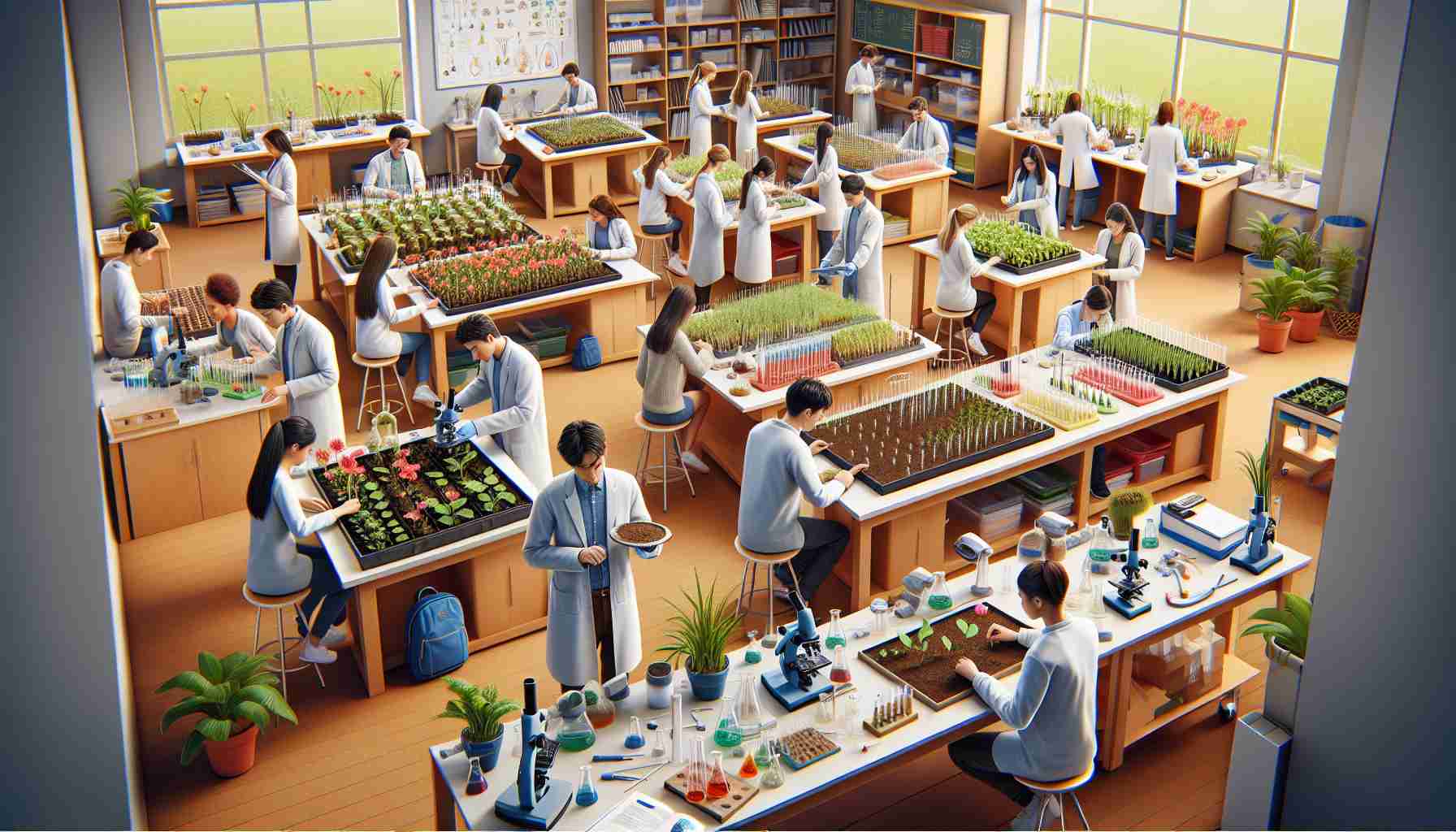
The curriculum under the new Plant Science major will continue to emphasize practical, hands-on experiences through lab courses, field studies, and internships. Students will engage with critical topics like bioremediation, environmental restoration, and sustainable agricultural practices. The hands-on approach is vital in preparing students to tackle real-world challenges in plant systems, ensuring they leave UConn with both theoretical knowledge and practical skills.
Interestingly, this shift at UConn mirrors broader trends in plant science education across the country. Many universities are reevaluating their programs to ensure they remain relevant and attractive to students. For instance, institutions like Iowa State University and Cape Fear Community College have also made program adjustments in response to industry trends, focusing on clear communication of their academic offerings to enhance student enrollment and career prospects.
As the landscape of higher education continues to evolve, UConn’s decision to rename its major serves as a reminder of the importance of aligning academic programs with industry needs. The move not only positions UConn to better serve its students but also reflects a growing recognition among educational institutions of the necessity to adapt and innovate in response to changing workforce demands.
This renaming initiative is more than just a title change; it’s a strategic maneuver that encapsulates the university’s commitment to providing relevant, high-quality education that prepares students for successful careers in plant science. As we look ahead, it will be fascinating to see how UConn and other universities navigate this dynamic landscape, ensuring their programs remain both impactful and aligned with the needs of the job market.
Impact of Program Name Changes on Student Enrollment and Career Opportunities
Renaming academic programs is not merely a superficial adjustment; it can significantly influence student enrollment and career trajectories. As we’ve seen with UConn’s transition to the Plant Science major, this shift is a response to both market demands and student feedback. The clarity of program names plays a pivotal role in attracting prospective students and ensuring they understand the career paths available to them.
Take Iowa State University (ISU), for example. Recently, ISU reported a remarkable 16% increase in student enrollment over the past five years, a trend attributed to the rising interest in its STEM programs. This growth isn’t coincidental; it reflects ISU’s proactive approach to aligning its academic offerings with industry trends. By clearly communicating the relevance of its programs, ISU has positioned itself as an attractive option for students seeking careers in high-demand fields. The university’s strategic renaming of the College of Human Sciences to the College of Health and Human Sciences further exemplifies this alignment with workforce needs, enhancing its appeal to students interested in health-related careers.
Similarly, Cape Fear Community College (CFCC) has made significant strides by launching programs that respond directly to local industry demands. The introduction of a career pilot program aimed at addressing the shortage of commercial airline pilots is a prime example of how educational institutions can adapt to meet workforce needs. This initiative not only provides students with a clear pathway to a lucrative career but also supports local economic development. The geomatics curriculum at CFCC, designed to meet the demand for professionals in surveying and geospatial technologies, showcases the college’s commitment to offering relevant educational programs that resonate with community needs.
Data on enrollment trends underscores the importance of these changes. Clear and descriptive program names can enhance visibility and attract students. For instance, a study from the National Center for Education Statistics indicates that programs with straightforward titles tend to experience higher enrollment rates. When students can easily grasp the focus of a program, they are more likely to enroll, particularly in competitive fields where job prospects are paramount.
Moreover, renaming programs can significantly enhance graduates’ navigation of the job market. As UConn’s Everhart pointed out, the new Plant Science designation is expected to facilitate easier identification of career opportunities for graduates. This clarity can lead to improved job placement rates, as employers are more likely to recognize and understand the qualifications associated with clearly named degrees. In a job market that increasingly emphasizes specific skills and competencies, having a program title that aligns with industry terminology can make a substantial difference.
However, aligning academic programs with workforce demands isn’t without its challenges. Institutions must navigate the complexities of maintaining academic rigor while adapting to changing industry landscapes. As highlighted in a report by Deloitte Insights, many universities are currently facing a crisis in leadership and public trust, making it essential for them to articulate a clear value proposition. This means not only offering programs that are in demand but also ensuring that they provide high-quality education that prepares students for real-world challenges.
The success stories of UConn, ISU, and CFCC illustrate that when institutions take the initiative to rename and restructure their programs, they can create a more engaging and relevant educational experience for students. This proactive approach fosters a culture of adaptability, where universities can respond to the evolving needs of both students and employers.
Ultimately, the renaming of academic programs, as demonstrated by UConn’s shift to Plant Science, is a strategic move that reflects a broader trend in higher education. As institutions continue to adapt to industry demands, the focus on clear, relevant program names will undoubtedly play a crucial role in enhancing student enrollment and career prospects. By staying attuned to the needs of the workforce, universities can ensure their graduates are well-prepared to navigate the complexities of the job market and contribute meaningfully to their fields. As the editor, I can’t help but feel excited about the future of plant science education and the innovative paths that lie ahead for students ready to embark on their careers.
Trends in Plant Science Education and Curriculum Development
As we dive deeper into the evolution of plant science education, it’s essential to highlight the growing emphasis on hands-on experiences and practical training across academic programs. The integration of experiential learning has become a key trend in agricultural and horticultural studies, transforming how students engage with their education and preparing them for the real-world challenges they will face in their careers.
At the forefront of this movement is the University of Connecticut, which is not just renaming its Sustainable Plant and Soil Systems major to Plant Science but also reinforcing its commitment to providing students with practical, hands-on experiences. The curriculum will encompass lab courses, field studies, and internships that allow students to delve into critical topics such as bioremediation, environmental restoration, and sustainable agricultural practices. This approach ensures that graduates are not only well-versed in theoretical concepts but also equipped with the skills necessary to implement these principles in real-world scenarios.
The emphasis on experiential learning is echoed at Michigan State University (MSU), where faculty have transformed their Agronomy Farm into a dynamic educational hub. Events like the Michigan NGSS On the Farm STEM Dairy Immersive Experience showcase how MSU is actively engaging educators and students alike in the intersection of agriculture and STEM. By providing hands-on demonstrations and discussions surrounding essential agricultural practices, MSU is fostering a new generation of professionals who are equipped to tackle the complexities of food production and environmental stewardship.
Moreover, Oklahoma State University (2025 USNews Ranking: 196) (OSU) is also making strides in this direction with its Student Farm initiative. Under the leadership of Dr. Justin Quetone Moss, the farm serves as a living classroom where students participate in every aspect of agricultural production—from planting to harvesting. This immersive experience not only enhances students’ understanding of agricultural processes but also connects them with local food systems, as produce is distributed to community food banks. The hands-on approach at OSU cultivates a sense of responsibility and community engagement among students, reinforcing the importance of sustainable practices in agriculture.
These initiatives highlight a broader trend in plant science education that prioritizes practical training as a means to enhance student engagement. When students can directly apply what they’ve learned in the classroom to real-world situations, they are more likely to retain that knowledge and develop a deeper understanding of the subject matter. This experiential learning model not only prepares students for their future careers but also instills a sense of confidence and competence as they navigate the complexities of the agricultural field.
UConn’s transition to the Plant Science major, with its focus on hands-on experiences, is emblematic of a growing recognition among universities of the importance of practical training. As industries evolve and the job market becomes increasingly competitive, educational institutions are realizing that providing students with opportunities to engage in applied learning is not merely an enhancement but a necessity. This shift not only aligns academic programs with industry needs but also empowers students to become active participants in their education.
The integration of hands-on experiences in plant science education is not without its challenges. Institutions must balance the need for practical training with the rigorous academic standards expected in higher education. However, as demonstrated by UConn, MSU, and OSU, the benefits of experiential learning far outweigh the hurdles. By fostering an environment where students can engage with their studies through practical application, universities are preparing them to meet the demands of the workforce head-on.
As we look ahead, it’s clear that the future of plant science education lies in the hands of institutions willing to innovate and adapt. UConn’s changes, along with the initiatives at other universities, reflect a commitment to providing relevant, high-quality education that equips students with the skills and experiences necessary for success in their careers. The emphasis on hands-on learning not only enhances student engagement but also prepares graduates to tackle real-world challenges in the field of plant science.
In conclusion, the trend towards experiential learning in plant science education is a promising development that aligns academic programs with the evolving needs of the workforce. By prioritizing practical training and hands-on experiences, universities like UConn, MSU, and OSU are setting a new standard for how we educate the next generation of plant scientists. As the editor, I’m excited to witness how these changes will shape the future of plant science education and empower students to make meaningful contributions to their fields. The journey ahead is filled with potential, and I can’t wait to see how these innovative approaches will inspire future leaders in agriculture and horticulture.
Comparative Analysis of Plant Science Programs Across Universities
As we shift our focus to a comparative analysis of plant science programs across various universities, it becomes evident that institutions are taking unique approaches to curriculum design, industry alignment, and student engagement. The landscape of plant science education is as diverse as the fields it encompasses, and universities like the University of Nebraska–Lincoln (UNL) and East Texas A&M University are shining examples of how tailored programs can meet the demands of a rapidly evolving agricultural sector.
At UNL, the School of Biological Sciences emphasizes interdisciplinary collaboration, which is crucial for addressing complex biological questions. Their curriculum spans two major domains: Ecology, Evolution, & Behavior (EEB) and Genetics, Cellular, & Molecular Biology (GCMB). This dual focus allows students to engage in a variety of research methodologies, from field studies to genomic analyses, fostering a comprehensive understanding of plant biology and ecology. Faculty members are involved in cutting-edge research that intersects with human health and environmental sustainability, making the program not only relevant but also impactful. For instance, studies on the genetic basis of diseases and the ecological impact of climate change are just a few areas where students can contribute to significant advancements. This commitment to research and real-world application positions UNL as a leader in plant science education, ensuring that graduates are well-prepared to tackle contemporary challenges in agriculture and beyond.
In contrast, East Texas A&M University takes a more hands-on approach through its College of Agricultural Sciences and Natural Resources (CASNR). This college is dedicated to experiential learning, offering students opportunities to engage directly with horticulture, livestock, and wildlife. The curriculum is designed to cultivate practical skills alongside theoretical knowledge, preparing students for diverse careers in agriculture. With programs ranging from Agribusiness to Sustainable Agriculture, students can tailor their education to align with their career aspirations. CASNR also emphasizes community engagement through events and competitions, fostering a sense of collaboration and camaraderie among students. This active participation in the agricultural community not only enhances learning but also builds networks that are invaluable in the job market.
Both UNL and East Texas A&M University exemplify how academic programs can adapt to meet the evolving demands of the agricultural sector. UNL’s focus on interdisciplinary research prepares students for roles that require a deep understanding of both ecological and molecular aspects of plant science. Meanwhile, East Texas A&M’s commitment to hands-on experiences equips students with the practical skills needed to excel in various agricultural careers. This blend of research and practical training is essential in a field where innovation and sustainability are paramount.
Moreover, the collaboration between academia and industry is becoming increasingly vital. As highlighted in recent discussions, universities are recognizing the importance of aligning their programs with industry needs to enhance student employability. This trend is evident in the curriculum development at both UNL and East Texas A&M, where faculty actively engage with industry partners to ensure that students are equipped with relevant skills and knowledge. For instance, partnerships with local agricultural businesses provide students with internship opportunities that allow them to apply their learning in real-world contexts, creating a seamless transition from education to employment.
The adaptability of these programs is further underscored by the changing landscape of the agricultural sector, which is influenced by technological advancements and sustainability challenges. As the industry shifts towards more sustainable practices, universities are responding by incorporating topics such as bioremediation, soil health, and climate-resilient agriculture into their curricula. This forward-thinking approach not only prepares students for current job markets but also positions them as leaders in the future of agriculture.
In conclusion, the comparative analysis of plant science programs at UNL and East Texas A&M University reveals a rich tapestry of educational approaches that prioritize both research and practical training. By aligning their curricula with industry needs and fostering hands-on experiences, these institutions are not only enhancing student engagement but also ensuring that graduates are well-equipped to meet the challenges of a dynamic agricultural landscape. As the editor, I am excited to see how these innovative programs will continue to evolve, shaping the next generation of plant scientists who will undoubtedly make significant contributions to the field. The future of plant science education is bright, and it is inspiring to witness the dedication of universities to prepare students for success in an ever-changing world.
Conclusion: The Future of Plant Science Education
As we wrap up our exploration of the evolution of plant science education, it’s essential to reflect on the broader implications of aligning academic programs with industry needs and the role of hands-on experiences in shaping the future of education. UConn’s transition to the Plant Science major underscores the significance of adapting curricula to meet the evolving demands of the workforce. The emphasis on practical training, as seen in UConn, MSU, and OSU, not only enhances student engagement but also equips graduates with the essential skills required to tackle real-world challenges in the field.
Moving forward, universities face the ongoing challenge of continuously adapting their programs to stay relevant in a rapidly changing landscape. The integration of experiential learning and alignment with industry standards will be crucial in preparing the next generation of plant scientists. Institutions like UConn are at the forefront of this transformation, fostering a culture of innovation that encourages students to engage actively with their education.
The opportunities ahead are vast, but they require a commitment from universities to embrace change and prioritize the needs of both students and the industries they will enter. As we look to the future, it’s clear that the path to success in plant science education lies in a collaborative effort between academia and industry, ensuring that graduates are not only knowledgeable but also prepared to lead in a dynamic and evolving field. The journey is just beginning, and I, as the editor, am thrilled to witness how these developments will shape the future of plant science and the careers of those passionate about making a difference in agriculture and environmental stewardship.
Reference:
- UConn’s Sustainable Plant and Soil Systems Major to be Renamed Plant Science in 2025
- Iowa State University Reports Increased Enrollment and Upcoming Changes
- Aligning Educational Programs with Community Needs
- MSU Faculty Transform Farm into Educational Hub for STEM Learning
- Moss Appointed Director of OSU Student Farm
- Research Areas at the University of Nebraska–Lincoln’s School of Biological Sciences
- 2024 Higher Education Trends: Challenges and Opportunities for U.S. Universities