
Introduction: The Importance of Campus Safety in Fall and Winter
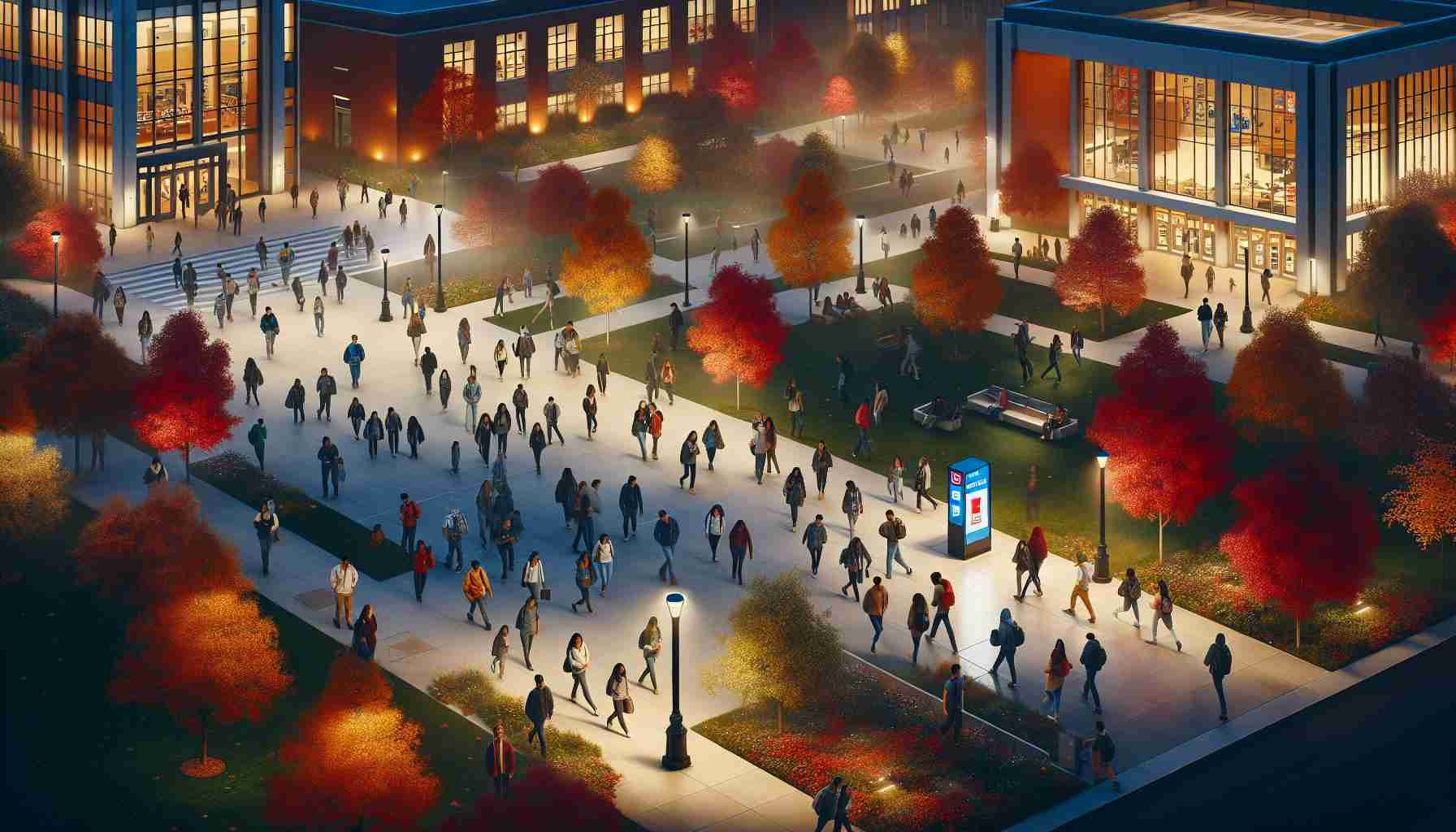
As the fall and winter seasons approach, the issue of campus safety becomes increasingly critical for universities across the United States. With the end of Daylight Savings Time on November 3, 2024, the shift to shorter days and longer nights presents unique challenges that can heighten the risk of crime on campuses. Captain Adam Gilmore of the Case Western Reserve University (CWRU) Police Department emphasizes the importance of vigilance during this time, noting that reduced daylight can create opportunities for criminal activity. He advises students, faculty, and staff to remain aware of their surroundings, avoid distractions such as earbuds, and refrain from wearing hoods that limit peripheral vision.
The statistics surrounding crime rates during the fall and winter months support Captain Gilmore’s concerns. Research indicates that crime rates often increase as darkness falls earlier in the evening, making it essential for university communities to adopt proactive measures to enhance safety. Gilmore’s insights serve as a reminder that safety is a shared responsibility, and community involvement is vital in maintaining a secure environment. He encourages individuals to report any suspicious activity to campus police and utilize resources such as the Spartan Safe app, which allows users to share their location with friends in real-time while walking.
In response to the heightened safety concerns during these months, universities are implementing various strategies and resources aimed at improving campus security. For instance, many institutions are enhancing their lighting in high-traffic areas and parking lots to deter potential criminal activity. The University of Georgia has invested significantly in security upgrades, including improved lighting and surveillance systems, while also introducing Campus Safety Ambassadors to provide an additional layer of security during evening hours.
Moreover, universities are increasingly leveraging technology to bolster safety measures. The introduction of mobile safety apps, such as the UGA Safe app and Virginia Tech’s Hokie Ready app, provides students with immediate access to emergency services and safety features like location sharing. These technological advancements not only enhance personal safety but also foster a sense of community by encouraging students to look out for one another.
As the academic year progresses, it is crucial for university communities to remain vigilant and engaged in safety initiatives. Collaboration between campus police and local law enforcement agencies is also essential in addressing crime trends and developing effective prevention strategies. Institutions like Ohio State University (2025 USNews Ranking: 41) have established task forces that include representatives from various sectors to enhance safety measures both on and off campus.
In summary, as the fall and winter seasons bring about changes in daylight and potential increases in crime rates, universities must prioritize campus safety through community vigilance, technological resources, and collaborative efforts with local law enforcement. The proactive measures being implemented across campuses aim to create a secure environment where students, faculty, and staff can thrive academically and personally, even as the days grow shorter.
Safety Tips for Students: Navigating the Darker Months
As the fall and winter seasons approach, students at universities across the U.S. must prioritize their safety, especially as daylight hours dwindle and the potential for crime increases. Captain Adam Gilmore of the Case Western Reserve University (CWRU) Police Department emphasizes the importance of being aware of one’s surroundings. He advises students to avoid distractions such as earbuds while walking, as these can significantly impair situational awareness. This simple yet effective tip can help students remain vigilant and responsive to their environment, particularly during the darker months when visibility is reduced.
In addition to personal awareness, utilizing campus resources can enhance safety. The Spartan Safe app, for instance, offers features like a “friend walk” function, allowing users to share their location with friends in real-time. This can be particularly useful for students walking alone at night, providing an added layer of security. CWRU also provides blue light emergency phones across campus, ensuring that help is readily accessible in case of an emergency. Similarly, the Safe Ride program offers transportation for students during late hours, further promoting safety on campus.
Other universities echo these sentiments, highlighting the importance of community involvement in maintaining safety. Oberlin College, for example, has released health guidance that underscores the significance of hydration, sleep, and physical activity for overall well-being. Staying hydrated not only supports physical health but also enhances cognitive function, which is crucial for students navigating their academic responsibilities. Regular physical activity, even simple exercises like brisk walking, can improve mood and reduce stress, making students more resilient to the challenges of college life.
Moreover, establishing a healthy sleep routine is vital, especially as students transition back to academic life after summer breaks. Oberlin recommends aiming for at least seven hours of sleep each night, which can help students maintain focus and energy levels throughout the day. This holistic approach to health and safety emphasizes that students must take responsibility for their well-being, which in turn contributes to a safer campus environment.
Community involvement is another critical aspect of campus safety. Captain Gilmore encourages students to be observant and report any suspicious activity to campus police. This proactive approach fosters a culture of vigilance and support among students, faculty, and staff. By working together and looking out for one another, the university community can create a safer environment for all.
In addition to personal vigilance and community engagement, technological resources play a significant role in enhancing safety on college campuses. Many universities are investing in security measures such as improved lighting, surveillance cameras, and emergency call stations. For instance, the University of Georgia has introduced the UGA Safe app, which includes features for immediate police contact and location sharing. These technological advancements not only provide students with tools to enhance their safety but also serve as a deterrent to potential criminal activity.
As the seasons change and the days grow shorter, it is essential for students to remain proactive about their safety. By being aware of their surroundings, utilizing campus resources, maintaining their health, and engaging with their community, students can significantly reduce their risk of becoming victims of crime. The collective responsibility of ensuring safety on campus lies not only with law enforcement but also with each individual member of the university community.
The Impact of Daylight Savings Time on Safety and Crime Rates
As Daylight Savings Time (DST) comes to an end on November 3, 2024, the implications for personal safety and crime rates become increasingly relevant, particularly for college communities like that of Case Western Reserve University (CWRU). Captain Adam Gilmore of the CWRU Police Department has underscored the heightened risks associated with the transition to darker evenings, which can create opportunities for criminal activity. The shift from longer daylight hours to earlier sunsets can lead to an increase in crime, as visibility decreases and potential offenders may feel emboldened to act under the cover of darkness.
Research has shown a correlation between the end of DST and a rise in certain types of crime. A study published in the Journal of Environmental Psychology found that crime rates tend to increase in the weeks following the time change, particularly in urban areas where lighting conditions are poor. The darker evenings can lead to a rise in thefts, assaults, and other crimes, as individuals are less likely to be seen or identified. This trend is particularly concerning for college students who may be walking alone at night or returning to campus after evening activities.
Moreover, the health impacts of the time change cannot be overlooked. The disruption of sleep patterns associated with the transition to standard time can exacerbate feelings of fatigue and anxiety, which may further compromise personal safety. The American Academy of Sleep Medicine has noted that many individuals experience sleep disturbances following the time change, leading to decreased alertness and impaired judgment. This can make students more vulnerable to crime, as they may be less aware of their surroundings or less able to respond to potential threats.
The ongoing debate surrounding the necessity of DST also highlights the broader implications for mental health. Critics argue that the biannual clock changes can contribute to seasonal affective disorder (SAD), a type of depression that occurs during the fall and winter months when daylight is limited. Symptoms of SAD include fatigue, irritability, and changes in sleep and appetite, all of which can impact a student’s ability to navigate their environment safely. As Captain Gilmore pointed out, maintaining awareness of one’s surroundings is crucial for personal safety, and mental health challenges can hinder this vigilance.
In light of these concerns, universities are encouraged to implement proactive measures to enhance campus safety as the days grow shorter. This includes increasing campus lighting, promoting safety apps that allow students to share their locations with friends, and encouraging community involvement in crime prevention strategies. For instance, CWRU offers resources such as the Spartan Safe app, which includes a “friend walk” feature, allowing users to share their real-time location while walking. Such initiatives can help mitigate the risks associated with darker evenings and empower students to take charge of their safety.
As the conversation around DST continues, it is essential for university communities to remain vigilant and proactive in addressing the potential safety risks that accompany the end of daylight saving time. By fostering a culture of awareness and encouraging the use of available resources, institutions can help ensure that students feel secure as they navigate their campus during the darker months ahead.
Technological Resources and Community Collaboration for Enhanced Safety
In recent years, universities across the United States have increasingly recognized the importance of enhancing campus safety through technological resources and community collaboration. Institutions like the University of Georgia and Virginia Tech are leading the way with innovative initiatives aimed at creating safer environments for students, faculty, and staff.
The University of Georgia (UGA) has made a significant investment in campus security, allocating $7.3 million to enhance safety measures as students return for the fall semester. This funding is part of a broader commitment that has seen UGA invest over $23 million in campus safety over the past eight years. Key initiatives include the installation of additional surveillance cameras, improved lighting, and the introduction of a new unit of Campus Safety Ambassadors. These ambassadors will provide a visible presence on campus, escorting students during evening hours and maintaining communication with UGA Police to respond to emergencies. Furthermore, UGA has developed the UGA Safe app, which features tools like Mobile BlueLight for immediate police contact and a Friend Walk function for real-time location sharing among friends. This multifaceted approach not only enhances physical security but also empowers students to take an active role in their safety.
Similarly, Virginia Tech has emphasized the importance of preparedness and community engagement in its safety protocols. The university’s Hokie Ready app serves as a vital resource, offering features that allow users to share their locations and access emergency information. Virginia Tech’s commitment to safety is reflected in its collaborative efforts among various departments, including the police and emergency management services, to ensure a comprehensive approach to campus security. The university encourages community members to engage in basic emergency preparedness, highlighting that safety is a collective responsibility.
Collaboration between university police and local law enforcement is another critical component of enhancing campus safety. The Ohio State University exemplifies this through its partnerships with local agencies, including the Columbus Division of Police. By holding monthly meetings and establishing a task force that includes students, staff, and public health professionals, Ohio State has implemented significant safety enhancements that have led to a decrease in off-campus crime. The university has also expanded its police force and non-sworn security personnel, demonstrating a proactive approach to safety that involves the entire community.
Community involvement is essential in fostering a culture of safety on campus. At Barnard College, for instance, the administration has responded to rising crime rates by focusing on community engagement and education. The college plans to implement safety workshops and awareness programs to empower students to take proactive measures in ensuring their own safety. This collaborative spirit is echoed in Ohio State’s community roundtable initiative, which encourages dialogue among various stakeholders to address safety concerns, such as housing-code enforcement and street lighting.
As universities continue to navigate the complexities of campus safety, the integration of technology and community collaboration emerges as a powerful strategy. By investing in innovative resources and fostering partnerships with local law enforcement, institutions can create a safer environment for their communities. The ongoing efforts at UGA, Virginia Tech, and Ohio State serve as models for other universities seeking to enhance their safety protocols and engage their communities in meaningful ways.
Conclusion: A Collective Responsibility for Campus Safety
As the fall season approaches and daylight hours decrease, the importance of campus safety becomes increasingly critical for the Case Western Reserve University (CWRU) community. Captain Adam Gilmore of the CWRU Police Department has shared essential safety tips and resources to help students, faculty, and staff navigate the challenges posed by the darker months ahead. With the end of Daylight Savings Time on November 3, 2024, the shift to shorter days can create opportunities for crime, making vigilance a key component of personal safety.
Gilmore emphasizes the need for individuals to remain aware of their surroundings, advising against wearing hoods that limit peripheral vision and using earbuds while walking. These simple adjustments can significantly enhance one’s ability to detect potential threats. Additionally, he highlights the importance of vehicle security, recommending that individuals lock their cars and keep valuables out of sight to deter theft. The CWRU Police Department even offers free steering wheel locks as a proactive measure to enhance vehicle security.
In addition to personal vigilance, community involvement plays a vital role in maintaining campus safety. Gilmore encourages everyone to report suspicious activities to the CWRU police, reinforcing the idea that safety is a shared responsibility. The availability of resources such as the Spartan Safe app, which includes a “friend walk” feature for real-time location sharing, and blue light emergency phones positioned around campus, further empower the community to take an active role in their safety.
The collaboration between university police and local law enforcement is another critical aspect of ensuring a secure environment. Regular meetings between CWRU Police and neighboring police departments help to identify crime trends and develop strategies for prevention. This partnership not only enhances the university’s safety protocols but also fosters a sense of community among students, faculty, and local residents.
As we prepare for the fall and winter months, it is essential for the CWRU community to remain vigilant and engaged in promoting safety on campus. By utilizing available resources and actively participating in safety initiatives, students, faculty, and staff can contribute to a secure and supportive environment. The insights shared by Captain Gilmore serve as a reminder that safety is not solely the responsibility of law enforcement but a collective effort that requires the involvement of every member of the university community.
In conclusion, the importance of vigilance, community involvement, and the use of resources cannot be overstated when it comes to ensuring campus safety during the fall and winter months. Students, faculty, and staff are encouraged to take an active role in promoting safety on campus and to utilize the resources available to them. By working together, the university community can foster a safe and supportive environment for all, ensuring that everyone can thrive academically and personally. Let us all commit to being proactive in our safety efforts and support one another in creating a secure campus atmosphere.
Reference:
CWRU Police Captain Adam Gilmore Discusses Fall Safety Tips
Nine Essential Items for International Students Preparing for College
Oberlin College Releases Fall 2024 Health Guidance for Students and Staff
Daylight Savings Time 2024: Key Dates and Insights
Daylight Saving Time 2024: When to Change Your Clocks in the U.S.
Manchester’s Retiring Police Chief Takes New Role with Easterseals
Barnard College Reports Increase in Crime Rates in Annual Security and Fire Safety Report
Virginia Tech Emphasizes Campus Safety and Preparedness in Community Letter
University of Georgia Enhances Campus Security with New Initiatives
Ohio State Safety Director Highlights Community Partnerships for Enhanced Campus Security