
Introduction: The Evolution of Career Services in Higher Education
The landscape of career services in U.S. universities is evolving at a breakneck pace, and it’s about time! With the job market becoming increasingly competitive and complex, the need for robust career support has never been more critical. As students gear up to launch their careers, universities are recognizing that they must do more than merely provide a degree; they need to equip students with the tools and insights necessary to navigate a multi-generational workforce. This is where career services step in, acting as the bridge between academic knowledge and real-world application.
Take Dartmouth College, for instance. The recent establishment of its Center for Career Design is a perfect reflection of this shift. Under the leadership of Joseph Catrino, the center is set to embrace a design-thinking approach to career planning. This method emphasizes empathy and understanding, encouraging students to explore their interests and articulate their skills effectively. Catrino’s vision is particularly timely, given that we now have five generations coexisting in the workplace—from Baby Boomers to Gen Z—each with its own set of expectations and values. Understanding these dynamics is crucial for students as they prepare to step into roles that will require collaboration across generational lines.
The integration of design thinking in career services isn’t just a trend; it’s a necessary evolution. It encourages students to view their career paths through a lens that aligns with their personal values and aspirations. This is especially significant in a world where job seekers are increasingly looking for roles that resonate with their ethical beliefs and personal goals. The emphasis on aligning career choices with individual values helps students not only find jobs but also cultivate meaningful careers that reflect who they are.
Moreover, initiatives like Dartmouth’s Center for Career Design are part of a broader movement among universities to enhance career readiness. The University of Houston, for example, has launched a strategic plan aimed at boosting student success through enhanced career services. This plan focuses on building stronger employer partnerships and developing inclusive programs that cater to the diverse needs of the student body, particularly first-generation and underrepresented students. Such initiatives highlight the importance of accessibility in career services, ensuring that all students have the support they need to thrive.
The role of career services extends beyond just providing job-search strategies; they are becoming integral to the overall educational experience. By collaborating with faculty and integrating career readiness into the academic curriculum, universities can create a more holistic approach to student development. This not only enhances engagement but also ensures that students are better prepared for the realities of the job market.
As we look to the future, it’s clear that the integration of design thinking and a focus on personal values will play a pivotal role in shaping career services. Universities must continue to adapt, embracing innovative practices that prepare students for the challenges of a rapidly changing workforce. The emphasis on internships and experiential learning opportunities will also be crucial, as these experiences provide students with the practical skills and connections they need to succeed.
The ongoing evolution of career services in higher education is not just about adapting to trends; it’s about fundamentally rethinking how we prepare students for their professional journeys. By fostering a culture that values personal alignment and adaptability, universities can empower students to navigate their career paths with confidence and clarity. The future of career services is bright, and as students step into this new landscape, they will be equipped not only to find jobs but to build fulfilling careers that resonate with their identities and aspirations.
Case Studies: Innovative Career Services Initiatives
Dartmouth’s Center for Career Design is just one shining example in a sea of innovative initiatives aimed at redefining career services in higher education. This center stands out not only for its commitment to design thinking but also for its holistic approach to student engagement and career readiness. Joseph Catrino, the center’s inaugural executive director, emphasizes the importance of understanding students’ identities and aspirations as they navigate their professional journeys. This philosophy is crucial in today’s job market, where the expectations of employers are constantly evolving and becoming more nuanced.
At Dartmouth, the integration of a design-thinking framework aims to empower students to explore their interests and articulate their skills effectively. This approach is particularly relevant given the diverse generational landscape of the workforce. As Catrino pointed out, we now have five generations working side by side, each bringing unique values, communication styles, and expectations to the table. By fostering an environment where students are encouraged to reflect on their personal values and career aspirations, the Center for Career Design helps them prepare for a workplace that demands collaboration across generational lines.
Similarly, the University of Houston is making waves with its latest strategic plan, which is laser-focused on enhancing student success. This initiative is a response to the increasing demand for comprehensive career support, especially for first-generation and underrepresented students. The University Career Services (UCS) aims to build stronger employer partnerships, ensuring that students gain relevant work experiences that can significantly boost their career readiness. By emphasizing inclusivity and accessibility, UCS is paving the way for a more equitable approach to career services, ensuring that every student has the chance to thrive in their professional journey.
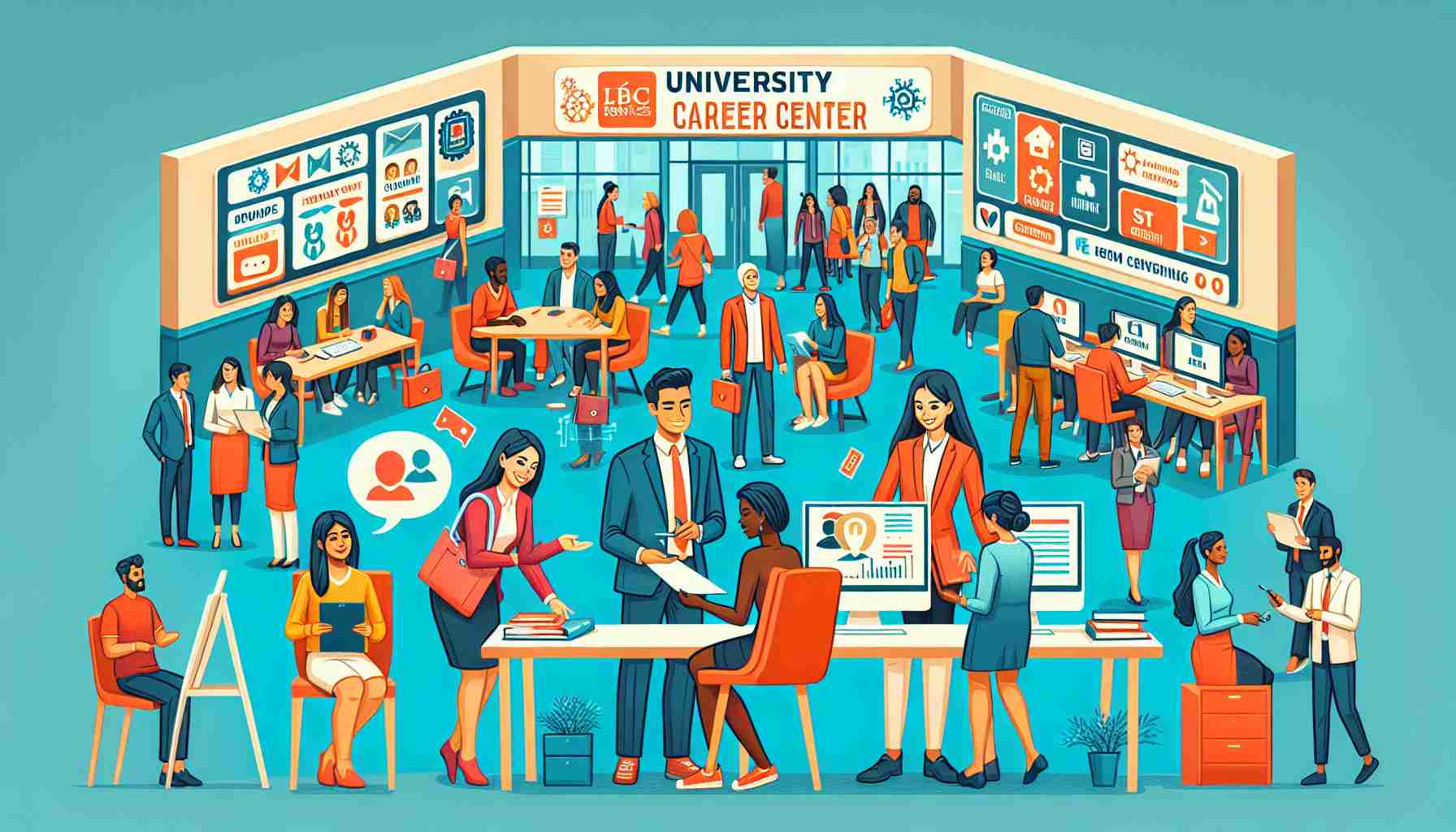
Success stories from students like Zeinab El Hawari at St. John’s University further illustrate the transformative power of effective career services. Zeinab’s journey, marked by uncertainty during the pandemic, showcases how proactive engagement with career resources can lead to unexpected and fulfilling career opportunities. With guidance from her career advisor, she navigated her interests, attended career fairs, and ultimately secured a position that aligned with her passions. Her experience underscores the importance of mentorship and personalized support in shaping students’ professional paths.
Moreover, the rising trend of integrating experiential learning opportunities, such as internships, into university curricula is essential in preparing students for the realities of the job market. Programs that facilitate real-world experiences not only enhance employability but also build confidence and professional networks. For instance, Dartmouth’s new satellite undergraduate career center and the $15 million challenge initiative to enhance internship accessibility exemplify how universities are taking concrete steps to ensure students can access valuable experiences that will propel them into their careers.
As we explore these case studies, it becomes evident that the evolving landscape of career services is not merely about helping students land jobs; it’s about equipping them with the mindset and skills necessary to thrive in an ever-changing workforce. The emphasis on design thinking and aligning career paths with personal values serves as a guiding principle for students as they navigate their futures. In a world where adaptability is key, these initiatives are setting the stage for a generation of graduates who are not only ready for their first job but also equipped to build meaningful and impactful careers.
In conclusion, the initiatives at Dartmouth, the University of Houston, and St. John’s University reflect a broader trend in higher education: a commitment to enhancing career services that truly serve the diverse needs of today’s students. As universities continue to innovate and adapt, the integration of design thinking, experiential learning, and personalized support will be vital in preparing students for success in a multi-generational workforce. The future of career services is not just about job placement; it’s about fostering a culture that empowers students to navigate their unique career paths with confidence and purpose.
Trends in Career Development: Preparing for the Future Workforce
As we dive deeper into the current trends in career development for college graduates, it’s essential to recognize the transformative impact of technological advancements and shifting workplace dynamics on the skills and competencies that are increasingly in demand. With the rise of artificial intelligence (AI), the landscape of career preparation has shifted dramatically, creating a pressing need for students to develop proficiency in these emerging technologies. Employers are now seeking candidates who can leverage AI tools to enhance productivity and innovation. This trend emphasizes the importance of integrating AI education into university curricula, ensuring that students are not only aware of these technologies but are also comfortable utilizing them in their future careers.
However, it’s not just about technical skills. The job market is witnessing a renaissance of creative careers, particularly in fields like digital media and content creation. Graduates from social sciences, humanities, and arts backgrounds are finding exciting opportunities in areas such as multimedia storytelling, interactive media design, and even digital anthropology. These roles require a blend of creativity and technological savvy, showcasing the need for a versatile skill set that can adapt to various industries. As Erin Berthon from Chapman University points out, the fusion of art and technology is paving the way for new career paths that were previously unimaginable. This trend highlights the importance of nurturing creativity alongside technical skills in educational programs, ensuring that graduates are well-equipped to thrive in diverse and dynamic work environments.
Adaptability is another critical competency that graduates must cultivate to succeed in today’s rapidly changing job market. The pandemic has accelerated the pace of change across industries, making it imperative for students to develop a mindset geared toward flexibility and resilience. Career services are playing a pivotal role in this regard by emphasizing the importance of experiential learning opportunities, such as internships and co-ops. These hands-on experiences not only provide students with practical skills but also expose them to real-world challenges, fostering the adaptability needed to navigate unforeseen circumstances in their careers.
For instance, Dartmouth’s recent initiatives to enhance internship accessibility reflect an understanding of the economic barriers that often hinder students from gaining valuable experience. By launching a significant fundraising challenge, the college is taking proactive steps to ensure that internships are financially viable for all students, particularly in fields that traditionally lack paid opportunities. This commitment to inclusivity is crucial in preparing a diverse workforce that can respond effectively to the challenges of the modern job market.
Moreover, the role of alumni networks in supporting career services cannot be overstated. Universities are increasingly leveraging their alumni communities to provide mentorship, networking opportunities, and job placements for current students. The University of Northern Colorado (2025 USNews Ranking: 352) , for example, has established the UNC Bear Network, which connects graduates with valuable career resources and events designed to foster professional growth. Such initiatives not only enhance job placement rates but also create a sense of community among graduates, reinforcing the idea that career development is a lifelong journey.
As we explore these trends, it’s clear that the future of career services is evolving to meet the demands of a multifaceted job market. The integration of AI skills, the rise of creative careers, and the emphasis on adaptability are just a few of the key themes shaping career development for college graduates. By fostering an environment that prioritizes experiential learning and alumni engagement, universities can empower students to build successful careers that reflect their values and aspirations.
In conclusion, the landscape of career development for college graduates is undergoing a significant transformation, driven by technological advancements and the need for adaptability. As universities continue to innovate their career services, the focus on AI skills, creative opportunities, and experiential learning will be crucial in preparing students for the complexities of the modern workforce. The commitment to inclusivity and the active involvement of alumni networks will further enhance the support available to students, ensuring that they are well-equipped to navigate their professional journeys with confidence and purpose. The future looks bright for graduates who are ready to embrace these emerging trends and carve out their unique paths in the workforce.
Navigating a Multi-Generational Workforce: Challenges and Strategies
Navigating a multi-generational workforce is like trying to dance to a song with five different beats playing simultaneously. Each generation—Baby Boomers, Generation X, Millennials, Generation Z, and even the Silent Generation—brings its own unique rhythm, expectations, and communication styles to the workplace. This diversity can lead to some pretty interesting dynamics, but it can also create challenges that organizations must address to foster collaboration and engagement.
One of the primary hurdles in this multi-generational environment is the distinct communication preferences that vary across age groups. For instance, older generations often prefer face-to-face interactions and formal communication, while younger employees are more inclined to use digital platforms and informal channels. This divergence can lead to misunderstandings and frustration if not managed properly. As corporate leaders, it’s essential to create an inclusive culture that values open dialogue and encourages employees to share their preferences. By establishing common communication protocols and providing training on effective cross-generational communication, organizations can bridge the gap and cultivate a more harmonious workplace.
Flexibility is another key aspect in managing a multi-generational workforce. Research shows that younger generations, particularly Millennials and Gen Z, prioritize work-life balance and flexible work arrangements. On the other hand, Baby Boomers may lean towards traditional office hours and structures. To accommodate these varying preferences, organizations should consider offering a range of work arrangements, such as remote work options, flexible hours, and hybrid models. This adaptability not only enhances employee satisfaction but also boosts productivity, as employees feel more empowered to work in ways that suit their lifestyles.
In addition to flexibility, inclusive leadership practices are vital for engaging a multi-generational workforce. Leaders must recognize the unique contributions of each generation and actively seek to create an environment where every voice is heard. This can be achieved through mentorship programs that pair younger employees with seasoned professionals. Such initiatives not only facilitate knowledge sharing but also foster a sense of belonging and mutual respect among employees of different ages. By encouraging collaboration and valuing the diverse perspectives that each generation brings, organizations can unlock creativity and innovation.
Moreover, as the workforce evolves, so too must the strategies that career services employ to prepare students for these diverse environments. Universities play a crucial role in equipping students with the skills they need to thrive in a multi-generational workplace. This includes teaching students about the importance of adaptability, effective communication, and collaboration. Career services should focus on providing experiential learning opportunities, such as internships and co-ops, that allow students to engage with a variety of professionals across different generations. These experiences not only help students build their networks but also give them a firsthand understanding of the complexities of working with diverse teams.
The implications of these generational dynamics extend beyond the workplace; they also impact how universities prepare their students for future careers. As organizations increasingly seek candidates who can navigate diverse work environments, career services must emphasize the development of soft skills, such as emotional intelligence and cultural competence. By fostering these skills, universities can help students become more effective collaborators, regardless of the generational differences they may encounter in their careers.
In conclusion, managing a multi-generational workforce requires a thoughtful approach that prioritizes communication, flexibility, and inclusive leadership. Organizations that embrace these strategies will not only enhance employee engagement but also create a more dynamic and innovative workplace. As students prepare to enter this diverse environment, career services must equip them with the tools and experiences necessary to thrive amidst the generational complexities of the modern job market. By fostering adaptability and collaboration, universities can empower the next generation of professionals to navigate their careers with confidence and purpose, regardless of the generational beats they may encounter along the way.
Conclusion: The Future of Career Services in Higher Education
As we wrap up this exploration of the evolving landscape of career services in higher education, it’s crucial to underscore the vital role these services play in shaping students’ professional trajectories. The initiatives we’ve discussed—from Dartmouth’s innovative Center for Career Design to the comprehensive strategies at the University of Houston—highlight a clear trend: universities are recognizing that career preparation is not merely an add-on but a fundamental aspect of the educational experience.
The ongoing evolution of career services is a response to the changing demands of the workforce, which increasingly requires graduates to possess a blend of technical skills, adaptability, and emotional intelligence. As we’ve seen, the integration of design thinking into career planning is a powerful approach that enables students to align their career paths with their personal values and aspirations. This alignment is particularly significant in a job market that values authenticity and purpose, as graduates seek roles that resonate with their identities.
Moreover, the emphasis on collaboration with alumni networks is a game changer. Alumni not only provide mentorship and networking opportunities but also serve as a bridge between current students and the realities of the job market. Their involvement enriches the career services landscape, ensuring that students have access to insights and connections that can propel their careers forward. The success stories we’ve highlighted, like that of Zeinab El Hawari from St. John’s University, illustrate the transformative impact that proactive engagement with career resources can have on students’ lives.
As universities continue to adapt and innovate, it’s essential for them to remain proactive in enhancing career services. This includes integrating emerging technologies, such as AI skills training, into the curriculum, as well as fostering a culture of inclusivity that supports all students, particularly those from underrepresented backgrounds. The commitment to making internships and experiential learning opportunities accessible to all students is also a critical aspect of this evolution. By addressing the financial barriers that often limit access to these experiences, universities can ensure that every student has the opportunity to gain the practical skills and connections necessary for career success.
In conclusion, the future of career services in higher education is bright and full of potential. By embracing innovative approaches like design thinking, fostering strong alumni connections, and prioritizing inclusivity, universities can equip their graduates to navigate the complexities of the modern workforce with confidence and purpose. As we continue to witness the rapid changes in the job market, the adaptability and forward-thinking nature of career services will be paramount in preparing students for the challenges and opportunities that lie ahead in their careers. The journey from student to professional is no longer a solitary path; it is a collaborative journey supported by a robust framework of career services that empowers graduates to thrive in a diverse and dynamic world.
Reference:
- Dartmouth Appoints Joseph Catrino as Inaugural Executive Director of Center for Career Design
- University Career Services at University of Houston Launches New Strategic Plan to Boost Student Success
- Finding Success through Career Services: An Impact Story
- Celebrating a Decade of Success: Fleishman Career Center at Binghamton University Marks 10-Year Anniversary
- Top Career Trends for 2024: Opportunities for Social Sciences, Humanities, and Arts Graduates
- Are AI Skills Essential for College Students’ Career Preparation?
- Graduating Seniors Report Post-Graduation Destinations
- Alumni Career Success and Support at UNC
- UNLV Career Services & Workforce Development Enhances Support for Students and Alumni
- Mercyhurst University Enhances Career Development Support for Students and Alumni
- Integrating Life Design Principles to Enhance Student Success in Higher Education
- Navigating the Multigenerational Workforce: Strategies for Corporate Leaders
- Exploring Leadership Intelligence During Generational Diversity Month
- Navigating the Challenges of a Multi-Generational Workforce