
Introduction to Climate Change Education at UC San Diego
On September 26, 2024, UC San Diego made a significant stride in climate change education by announcing the Jane Teranes Climate Change Education Requirement (JTCCER). This initiative stands as a pioneering effort within the University of California system and marks the first time a major public university has mandated climate change education as a graduation requirement. The JTCCER requires all incoming first-year students to complete a one-quarter course focused on climate change, thereby ensuring that graduates possess a foundational understanding of one of the most pressing issues of our time.
The motivation behind implementing the JTCCER is rooted in the urgent need for comprehensive climate education across all academic disciplines. As climate change continues to pose existential threats to ecosystems, economies, and communities, it is imperative that students from diverse fields of study are equipped with the knowledge and skills to engage with these challenges. Chancellor Pradeep K. Khosla emphasized that this requirement aims to provide students, regardless of their major, with a robust understanding of climate change and its implications. By integrating climate education into the curriculum, UC San Diego is not only fostering informed citizens but also preparing future leaders who can contribute to climate solutions.
The legacy of Jane Teranes, after whom the requirement is named, is a testament to the importance of climate education and diversity in STEM fields. Teranes, a respected professor at the Scripps Institution of Oceanography, was a passionate advocate for climate education and played a pivotal role in developing programs that supported underrepresented students in science. Tragically, she passed away in July 2022, just before the proposal for the JTCCER was finalized. Naming the requirement in her honor serves as a tribute to her contributions and commitment to fostering a more inclusive and informed academic community.
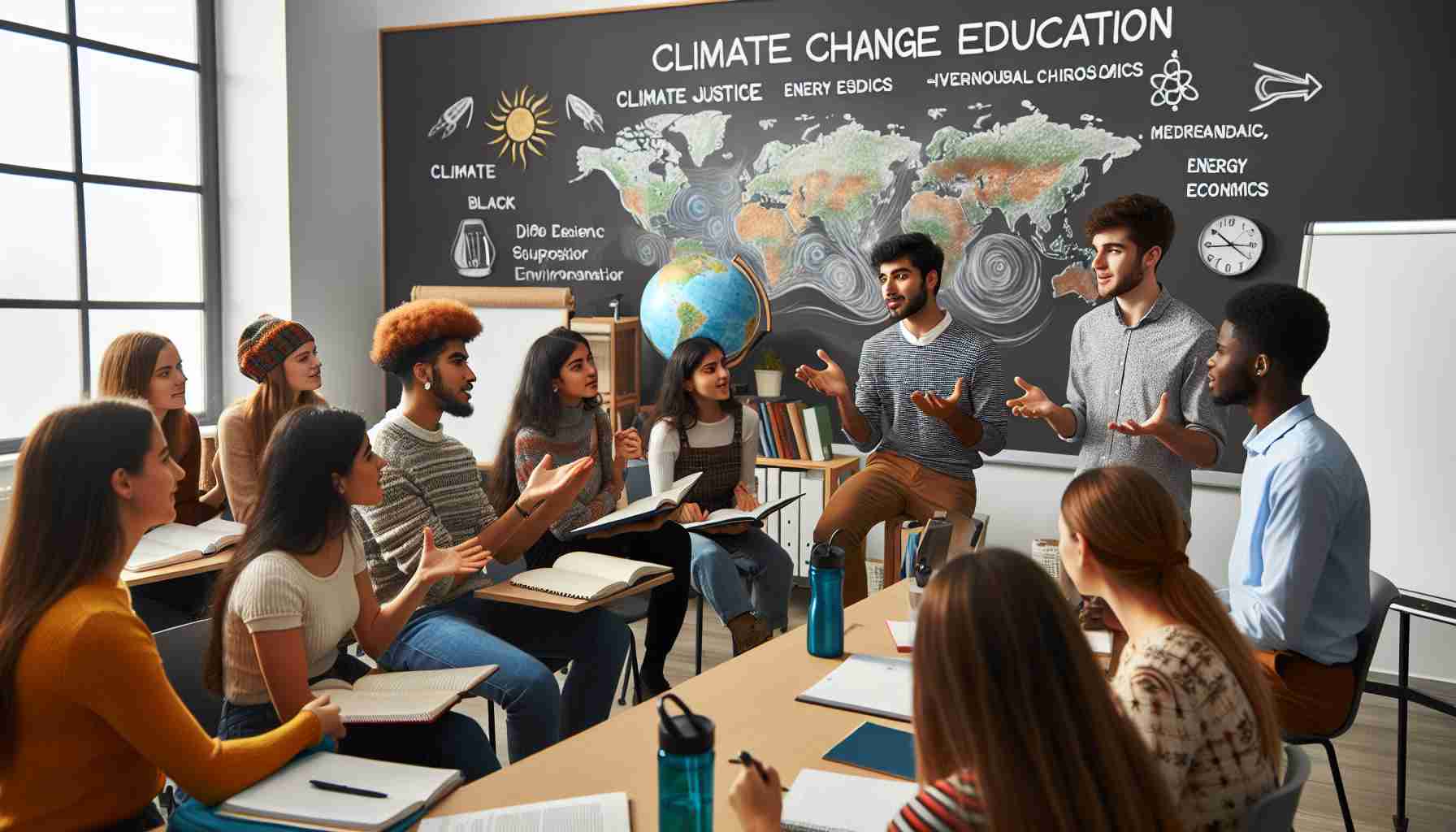
The JTCCER is designed to be interdisciplinary, with over 40 approved courses spanning various subjects, including climate justice, energy economics, and environmental philosophy. This approach encourages students to explore climate change from multiple perspectives, integrating scientific, cultural, and political dimensions into their learning. By allowing students to fulfill this requirement through courses that align with their major-specific and general education requirements, UC San Diego ensures that the initiative does not add to students’ academic burdens. Incoming transfer students are exempt from this requirement but are encouraged to engage with the approved courses, further promoting a culture of climate awareness across the university.
The development of the JTCCER was informed by recommendations from UC San Diego’s Campus Committee on Climate Change, which led to the formation of a dedicated workgroup focused on climate change education. This collaborative effort involved faculty, administration, and students, reflecting a commitment to inclusivity and shared governance in shaping educational policies. The workgroup drew inspiration from the university’s existing Diversity, Equity, and Inclusion (DEI) requirement, ensuring that the new climate requirement would be seamlessly integrated into the academic framework.
As the JTCCER takes effect, it is poised to have a profound impact on students’ engagement with climate issues and their understanding of the interconnectedness of various disciplines in addressing these challenges. The initiative not only reflects UC San Diego’s leadership in climate science and education but also sets a precedent for other institutions to follow. By equipping students with essential knowledge about climate change, the university is fostering a generation of graduates who are prepared to tackle the complexities of environmental issues, thereby contributing to a more sustainable future.
Impact of Climate Change Education on Student Engagement and Awareness
The introduction of the Jane Teranes Climate Change Education Requirement (JTCCER) at UC San Diego marks a pivotal moment in higher education, particularly in the realm of climate change education. This initiative is not merely a curricular addition; it represents a strategic effort to enhance student engagement and awareness regarding one of the most pressing issues of our time. Research consistently underscores the importance of scientific literacy in empowering students to become active agents of change, particularly in the context of climate change. A study published in Frontiers in Education highlights that fostering new forms of scientific literacy is essential for students to navigate complex societal challenges, including climate change. This transformative approach to education encourages students to engage with climate issues across practical, political, and personal dimensions, thereby enhancing their agency and capacity for meaningful action.
The JTCCER aims to equip students from diverse academic backgrounds with the knowledge and skills necessary to understand and address climate change. By mandating a one-quarter course focused on climate change, UC San Diego is ensuring that all students, regardless of their major, are exposed to critical climate issues. This interdisciplinary approach is vital, as it allows students to explore climate change from various perspectives, including scientific, cultural, and political angles. The requirement is designed to align with existing general education and major-specific requirements, thereby integrating climate education into the broader academic experience without extending students’ time to graduation.
Research indicates that educational initiatives like the JTCCER can significantly enhance students’ knowledge and attitudes towards climate action. For instance, a study conducted at Erasmus Medical Center in Rotterdam demonstrated that medical students who participated in a serious game focused on climate change and health reported increased knowledge and a heightened sense of moral responsibility to address climate issues. This emotional engagement is crucial, as it reflects a growing awareness of the interconnectedness of climate change and societal health, and it underscores the need for educational frameworks that foster resilience and agency among students.
Moreover, the emotional responses students have towards climate change cannot be overlooked. Many students express feelings of despair and helplessness when confronted with the scale of the climate crisis. This highlights the necessity for educational frameworks that not only impart knowledge but also cultivate resilience and a sense of agency. The JTCCER, by providing a structured yet flexible approach to climate education, has the potential to address these emotional challenges. By empowering students to see themselves as part of the solution, the initiative can help mitigate feelings of despair and foster a proactive mindset.
The outcomes of similar educational initiatives further underscore the potential of the JTCCER to enhance student engagement. For example, the Humanities and Social Sciences Communications study on a Massive Open Online Course (MOOC) for teachers revealed significant improvements in participants’ climate change competence, which encompasses knowledge, abilities, and attitudes related to climate change. The findings suggest that when educational programs are designed to be engaging and accessible, they can lead to substantial advancements in climate literacy and foster a sense of responsibility among participants.
In conclusion, the JTCCER at UC San Diego is poised to play a transformative role in climate change education. By mandating climate-focused courses for all incoming students, the initiative not only enhances scientific literacy but also empowers students to become active participants in addressing climate challenges. As research indicates, educational frameworks that integrate knowledge with emotional engagement and resilience are essential for preparing students to navigate the complexities of climate change. The JTCCER stands as a model for other institutions, demonstrating the potential of climate change education to inspire a generation of informed, engaged citizens ready to tackle the environmental challenges of our time.
Comparative Analysis of Climate Change Education Requirements
The introduction of the Jane Teranes Climate Change Education Requirement (JTCCER) at UC San Diego marks a significant milestone in the landscape of climate change education within higher education. This initiative, which mandates that all incoming first-year students complete a course focused on climate change, aligns with a growing global trend among universities to integrate climate education into their curricula. However, the JTCCER also stands out as a pioneering model, particularly within the context of public universities in the United States, where few institutions have adopted similar graduation requirements.
Globally, universities are increasingly recognizing the importance of equipping students with the knowledge and skills necessary to address climate change. For instance, institutions in Europe, such as the University of Edinburgh and the University of Amsterdam, have implemented comprehensive sustainability programs that include mandatory courses on climate change for all students. These programs often emphasize interdisciplinary approaches, encouraging students to explore climate issues from various academic perspectives, much like the JTCCER’s requirement for courses to cover at least 30% climate-related content. This interdisciplinary focus is crucial, as climate change is a multifaceted issue that intersects with fields such as economics, politics, and health.
In addition to traditional course offerings, the rise of Massive Open Online Courses (MOOCs) has further expanded access to climate change education. A recent study from the University of Salamanca highlighted the effectiveness of a MOOC designed to enhance climate change competence among educators, demonstrating significant improvements in knowledge and attitudes towards climate action. MOOCs provide a flexible and scalable way to reach diverse audiences, making them an attractive option for universities looking to enhance climate literacy. The findings suggest that such online platforms can complement traditional classroom learning, offering additional resources for students and educators alike.
Comparative studies on the effectiveness of online versus face-to-face learning in environmental science courses reveal that both modalities can achieve similar educational outcomes. Research conducted at Fort Valley State University found no significant differences in student performance between online and face-to-face environmental science courses, indicating that the choice of instructional modality may depend more on student preferences and circumstances than on inherent educational effectiveness. This insight is particularly relevant as universities, including UC San Diego, consider how to best deliver climate change education in a way that meets the needs of a diverse student body.
The JTCCER’s emphasis on interdisciplinary learning and its integration into existing general education requirements reflect a broader trend in higher education towards holistic approaches to climate education. Institutions like Colorado State University are also developing multidisciplinary climate education programs that leverage their research strengths, aiming to prepare students to tackle climate challenges through various disciplinary lenses. This approach not only enhances students’ understanding of climate change but also fosters a sense of agency and responsibility, empowering them to become active participants in addressing environmental issues.
As universities worldwide continue to adopt and refine climate change education requirements, UC San Diego’s JTCCER has the potential to serve as a model for other institutions. By mandating climate education across all disciplines, the JTCCER not only honors the legacy of Jane Teranes but also positions UC San Diego as a leader in climate education. The initiative underscores the importance of preparing future graduates to engage with one of the most pressing challenges of our time, ensuring that they are equipped with the knowledge and skills necessary to contribute to climate solutions, regardless of their field of study. This growing trend in climate change education reflects a collective recognition of the urgent need for informed and engaged citizens capable of navigating the complexities of a changing world.
The Role of Interdisciplinary Studies in Climate Change Education
The urgency of addressing climate change has never been more pronounced, and universities are increasingly recognizing the need for interdisciplinary approaches to tackle this global challenge. The Jane Teranes Climate Change Education Requirement (JTCCER) at UC San Diego exemplifies this shift, mandating that all incoming students engage with climate change through a course that spans various academic disciplines. This initiative not only honors the legacy of Jane Teranes, a champion of climate education, but also serves as a model for breaking down academic silos that often hinder comprehensive understanding and action on climate issues.
Interdisciplinary studies are crucial in developing holistic solutions to climate change, as the problem itself is multifaceted, intersecting with science, policy, economics, and social justice. For instance, Colorado State University (CSU) is actively fostering interdisciplinary research and education through its Climate Initiative, which aims to equip students with the knowledge and skills necessary to address climate challenges from multiple perspectives. By integrating earth systems science, ecology, and sociopolitical aspects of climate change into its curriculum, CSU is preparing a new generation of leaders who can navigate the complexities of climate resilience.
Similarly, the University of Rhode Island (URI) and the Rhode Island School of Design (RISD) have received significant funding to conduct collaborative research projects focused on climate change and community resilience. Their approach emphasizes the importance of diverse expertise in developing effective climate adaptation strategies, particularly for communities disproportionately affected by climate impacts. Projects like “Equitable Nature-based Climate Solutions” highlight the necessity of incorporating social equity into environmental strategies, showcasing how interdisciplinary collaboration can lead to more inclusive and effective solutions.
The need for interdisciplinary education is further underscored by research indicating that students who engage with climate change across various disciplines are more likely to develop a nuanced understanding of the issue. A study published in Frontiers in Education emphasizes the importance of scientific literacy in empowering young people to become active agents of change. By integrating climate education into diverse curricula, universities can foster critical thinking and problem-solving skills that are essential for addressing the complexities of climate change.
Moreover, the collaborative nature of interdisciplinary projects encourages students to learn from one another, fostering a sense of community and shared responsibility. For example, the serious game developed at Erasmus Medical Center in Rotterdam not only enhanced medical students’ knowledge of climate change but also facilitated peer learning and critical reflection on their roles as future healthcare professionals. This collaborative learning environment is vital for nurturing the moral responsibility that students feel towards addressing climate issues.
As universities continue to implement interdisciplinary programs and requirements like the JTCCER, they are not only preparing students to confront climate challenges but also setting a precedent for other institutions to follow. The integration of climate change education across various fields of study is essential for cultivating a generation of informed, engaged citizens who can contribute to sustainable solutions. By breaking down academic silos and fostering collaboration, universities can enhance climate resilience and community engagement, ultimately leading to more effective responses to one of the most pressing issues of our time.
Future Trends in Climate Change Curriculum Development
The recent introduction of the Jane Teranes Climate Change Education Requirement (JTCCER) at UC San Diego marks a pivotal moment in the evolution of climate change curriculum development in higher education. As the first initiative of its kind at a major public university, the JTCCER not only sets a precedent for other institutions but also highlights the growing recognition of climate change as a critical issue that transcends disciplinary boundaries. This requirement mandates that all incoming first-year students complete a course focused on climate change, thereby ensuring that graduates from diverse fields possess a foundational understanding of environmental challenges.
The implications of the JTCCER extend beyond UC San Diego, as it may inspire similar requirements at other universities. As institutions grapple with the urgency of climate change, the adoption of mandatory climate education could become a trend, reflecting a broader commitment to preparing students for the realities of a warming planet. This shift aligns with the increasing demand for interdisciplinary approaches to education, where students are encouraged to explore climate issues through various lenses, including science, policy, and ethics. Such an approach not only enriches the educational experience but also fosters a generation of graduates equipped to tackle complex global challenges.
However, the integration of climate change education into university curricula is not without its challenges. Institutions must navigate the delicate balance of expanding educational requirements while ensuring that students do not face additional burdens that could extend their time to graduation. The JTCCER’s design, which aligns with existing general education requirements, serves as a model for how universities can innovate their curricula without compromising student progress. This careful consideration is essential as universities face increasing scrutiny regarding their value propositions and the outcomes they deliver to students.
In addition to curriculum innovation, the landscape of higher education is being reshaped by broader trends, including the rise of artificial intelligence (AI) and public-private partnerships. The integration of AI into educational practices presents both opportunities and challenges, as institutions must adapt to new technologies that can enhance learning while also addressing concerns about equity and access. Furthermore, public-private partnerships are becoming increasingly prevalent, offering universities new avenues for funding and resource sharing. However, these partnerships also raise questions about the potential impacts on educational quality and institutional integrity.
As universities evolve to meet the demands of a changing world, their role in promoting social mobility and addressing global challenges becomes ever more critical. Climate change education is a vital component of this mission, as it empowers students to become informed citizens capable of driving meaningful change in their communities. By equipping graduates with the knowledge and skills necessary to understand and address environmental issues, universities can play a transformative role in shaping a sustainable future.
In conclusion, the JTCCER at UC San Diego represents a significant step forward in climate change education, setting a precedent for other institutions to follow. As universities continue to innovate their curricula in response to the pressing challenges of climate change, they must also navigate the complexities of the evolving educational landscape. The future of climate change education in higher education will depend on the ability of institutions to embrace interdisciplinary approaches, leverage new technologies, and foster partnerships that enhance educational outcomes. Ultimately, the commitment to climate change education is not just an academic endeavor; it is a crucial investment in the future of our planet and the generations that will inherit it.
Reference:
UC San Diego Introduces Climate Change Education Requirement for Graduating Students
Scientific Literacies for Change Making: Equipping the Young to Tackle Current Societal Challenges
Medical Students’ Knowledge and Attitudes on Climate Change Enhanced by Serious Game
Comparative Analysis of Student Performance in Online vs. Face-to-Face Environmental Science Courses
Improvement of Attitudes and Skills Through a MOOC on Climate Change Science
Interdisciplinary Research and Education: Key to Tackling Climate Change
URI and RISD Receive $3.4 Million for Climate Change Research
UC San Diego Introduces Climate Change Education Requirement for Undergraduates
Bryan Alexander Announces New Book Project on Higher Education Crisis
2024 Higher Education Trends: Challenges and Opportunities in American Universities