
Introduction: Celebrating Milestones in Dental Education
On January 22, 2025, the University of Connecticut (2025 USNews Ranking: 70) (UConn) School of Dental Medicine celebrated a pivotal moment for its fourth-year students from the Class of 2025: the announcement of their residency placements. Known as “the Match,” this event signifies not just the culmination of years of hard work but also the beginning of a new chapter in their professional journeys. It’s a time filled with excitement, anticipation, and a touch of nervousness as these aspiring dental professionals prepare to transition from the classroom to hands-on clinical practice.
For dental students, matching into a residency program is akin to winning a golden ticket. It opens doors to specialized training that will shape their careers and influence their contributions to community health. Dr. Steven Lepowsky, dean of the School of Dental Medicine, expressed immense pride in the achievements of the Class of 2025, noting that these students are set to enter some of the most competitive residency programs in the nation. His words reflect not only the individual accomplishments of the students but also the collective dedication and resilience they have demonstrated throughout their rigorous training.
This year’s graduating class consists of 51 students, with an impressive 21 choosing to remain in Connecticut for their residency training. The choices made by these students reveal a rich tapestry of specializations, underscoring the evolving landscape of dental medicine. A staggering 62% of the students will pursue general dentistry, while others are venturing into specialties such as endodontics, oral maxillofacial surgery, orthodontics, pediatrics, and prosthodontics. The diversity in their selections speaks volumes about the multifaceted nature of dental care and the increasing demand for specialized services within communities.
Quotes from students like Samira Abdelrehim and Olivia Dort shed light on the personal significance of their residency matches. Samira, who will be staying at UConn for a residency in pediatric dentistry, expressed gratitude for the supportive community that has nurtured her throughout her educational journey. Similarly, Olivia, who will specialize in endodontics at UConn, highlighted the invaluable mentorship she received during her predental experience. These sentiments echo the importance of community and support in shaping the future of dental professionals.
Another noteworthy match is Juan Mitchell from Clarkston, Georgia, who will pursue a general practice residency at St. Francis in Hartford, Connecticut. His involvement in the Urban Service Track program, which focuses on addressing the healthcare needs of underserved urban populations, underscores the vital role that residency programs play in enhancing community health. Juan’s commitment to serving local populations during his residency reflects a broader trend among dental graduates who are increasingly aware of the social responsibilities that come with their profession.
Meanwhile, Dedrian Barrett from Miami, Florida, is set to attend the University of Alabama for a residency in periodontology. He looks forward to building a supportive network similar to what he experienced at UConn, highlighting the importance of community connections in the journey of a dental professional. The experiences shared by these students not only illustrate their individual paths but also emphasize the collective mission of UConn’s dental program to prepare graduates who are equipped to make a positive impact on their communities.
As we look ahead, the significance of residency matches extends beyond individual career trajectories. They represent a commitment to addressing the evolving needs of community health through specialized dental care. The choices made by the Class of 2025 reflect a growing recognition of the importance of diversity in dental specialties, which is crucial in meeting the varied healthcare demands of our society. As these students embark on their residency journeys, they carry with them the hope and determination to drive positive change within the field of dental medicine and beyond.
Impact of Dental Residency Programs on Community Health
Dental residency programs serve as a crucial linchpin in the broader framework of community health, especially as we explore the residency placements of UConn students and their alignment with significant health initiatives. The commitment of these young professionals to serve local populations is not merely a personal ambition; it reflects a concerted effort to address healthcare disparities, particularly in underserved communities.
Take, for instance, the Urban Service Track program that Juan Mitchell participated in. This initiative is designed to train healthcare professionals who are dedicated to serving the health needs of urban populations that often face barriers to accessing adequate care. By engaging in such programs, dental residents are not just honing their clinical skills; they are also becoming advocates for health equity. This commitment is echoed across various institutions, including the University of Utah, which has made strides in enhancing oral health care for underserved communities through innovative residency programs and research initiatives.
The University of Utah School of Dentistry, for example, has established an Office of Research aimed at improving community oral health, demonstrating a proactive approach to integrating dental care with broader health services. This office has facilitated partnerships with Medicaid, allowing for extensive population health research that addresses oral health inequities. The focus here is not only on providing dental care but also on understanding how oral health intersects with general medical and mental health services. This holistic approach is essential, as it recognizes that dental health is an integral part of overall health, particularly for vulnerable populations.
Moreover, the development of specialty dental residency programs at institutions like the University of Utah is a direct response to the shortage of specialty dentists in the region. By training residents in fields such as periodontology, endodontics, and oral-maxillofacial surgery, these programs are ensuring that future dentists are equipped to meet the diverse needs of their communities. The emphasis on interdisciplinary collaboration within these residency programs further enhances their effectiveness, as it fosters a culture of teamwork among healthcare professionals.
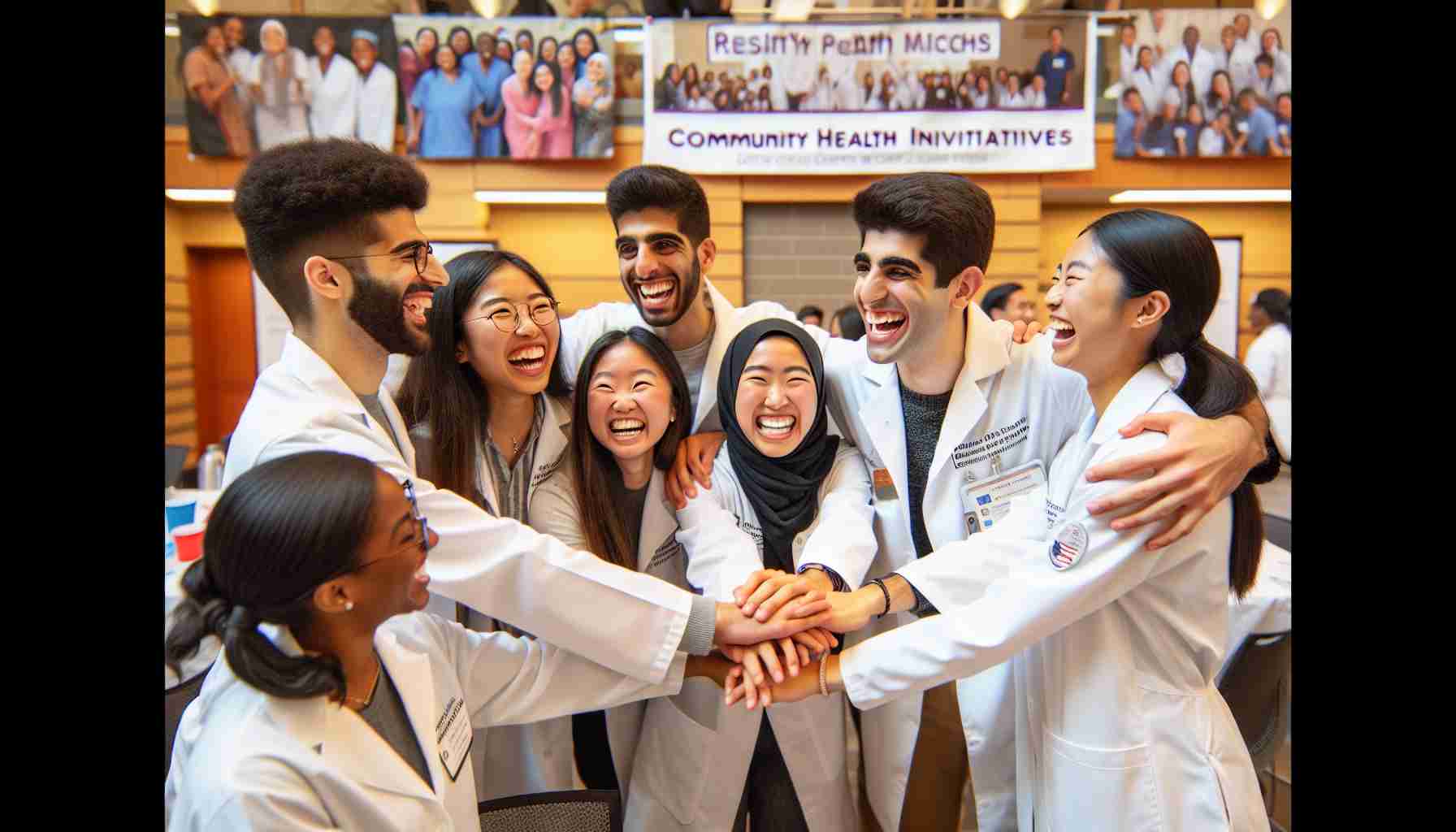
Similarly, the University of North Carolina (UNC) is making significant strides in improving healthcare access through its strengthened training programs. With an $11 million grant from the Health Resources and Services Administration (HRSA), UNC is bolstering health workforce training in community health centers. This funding is critical in addressing the shortage of healthcare providers in underserved areas, reinforcing the idea that where students receive their training significantly influences where they ultimately practice. By enhancing training opportunities in these communities, UNC is contributing to a more equitable healthcare landscape.
The importance of integrating dental care with overall health services cannot be overstated. Research has shown that individuals with access to comprehensive healthcare, including dental services, experience better health outcomes. Programs that encourage dental residents to engage with the broader healthcare system are vital in promoting this integration. As these future dental professionals embark on their residencies, they carry the potential to bridge gaps in care, advocate for their patients, and ultimately contribute to the health of their communities.
As we consider the impact of dental residency programs on community health, it becomes clear that these initiatives are not just about training skilled professionals; they are about cultivating a workforce that is aware of and responsive to the unique needs of the populations they serve. The Class of 2025 from UConn, with its diverse specializations and commitment to community service, exemplifies this ethos. As they enter their respective residency programs, they are poised to make a lasting impact, not only in their chosen specialties but also in the lives of the individuals and communities they will serve.
In this ever-evolving landscape of dental medicine, the role of residency programs extends far beyond individual career development. They are a vital component in the quest for health equity, ensuring that every community has access to the quality care they deserve. As we celebrate the achievements of these students, we also look forward to the positive changes they will bring to the field of dental medicine and the communities they will serve.
Trends in Dental Specialties and Their Future
As we dive deeper into the trends shaping dental specialties, it’s essential to recognize how the choices of the UConn Class of 2025 reflect broader shifts in the dental profession. The landscape of dental education is evolving, with certain specialties gaining traction among students. This trend is not merely a reflection of personal preference but is influenced by a myriad of factors, including technological advancements, changing healthcare demands, and the evolving needs of patients.
Recent data from studies, such as the one conducted on Saudi Arabian postgraduate education, illustrates these dynamics. Over the last decade, the number of dental postgraduates in Saudi Arabia surged dramatically, with a notable increase in interest for specialties like Prosthodontics and Endodontics. This mirrors the trends observed in the UConn Class of 2025, where a significant percentage of students opted for general dentistry, while others gravitated towards specialized fields. The implications of these choices are profound; as students pursue specific specialties, they are effectively shaping the future workforce of dental professionals who will cater to diverse patient needs.
One of the driving forces behind the growing popularity of certain specialties is the rapid advancement of technology in dentistry. Innovations such as artificial intelligence, teledentistry, and digital imaging are revolutionizing how dental care is delivered and perceived. For instance, AI is not just a buzzword; it’s being integrated into diagnostic processes, enhancing both the accuracy of treatments and the educational experience for students. As the field becomes more tech-centric, students are naturally drawn to specialties that leverage these advancements, positioning themselves at the forefront of a changing industry.
Moreover, the COVID-19 pandemic has accelerated shifts in healthcare demands, prompting a reevaluation of how dental services are provided. The pandemic underscored the importance of preventive care and the integration of dental services into broader health frameworks. As a result, specialties that emphasize holistic care and interdisciplinary collaboration are gaining traction. This trend aligns with the insights from a position paper on dental education trends, which emphasizes the necessity for educational programs to adapt and prepare students for the realities of modern dental practice.
The evolving patient needs also play a crucial role in shaping specialty preferences among dental students. As populations age and health issues become more complex, there is a growing demand for specialized care that addresses specific conditions. For instance, the rise in chronic diseases has led to an increased need for dental professionals trained in managing conditions like diabetes and cardiovascular diseases, which have direct implications for oral health. This shift is reflected in the choices made by UConn students, who are increasingly aware of the social responsibilities tied to their professional roles.
However, as the landscape shifts, it is imperative that educational programs evolve in tandem. The Saudi Arabian study highlights potential employment challenges for graduates, suggesting that the rapid expansion of dental education may outpace the availability of positions in certain specialties. This reality necessitates a strategic approach to workforce planning, ensuring that the educational outcomes align with the healthcare demands of the communities these graduates will serve.
Additionally, the emphasis on mentorship within dental education cannot be overstated. Programs that foster strong mentor-mentee relationships are crucial for guiding students as they navigate their specialty choices. Mentorship provides invaluable insights into the practical realities of different fields, helping students make informed decisions about their futures. Initiatives like the partnership between 123Dentist and the University of Toronto exemplify how structured mentorship can bridge the gap between academic learning and real-world practice.
As we look to the future, the trends in dental specialties are poised to continue evolving. The choices made by students today will undoubtedly influence the trajectory of the dental profession. By embracing technological advancements, responding to changing healthcare demands, and recognizing the importance of mentorship, we can ensure that the next generation of dental professionals is well-equipped to meet the diverse needs of their communities.
The UConn Class of 2025 stands as a testament to these trends, embodying the aspirations and challenges of a new era in dental medicine. As they embark on their residency journeys, they carry with them the potential to drive innovation, advocate for health equity, and ultimately shape the future of dental care. The implications of their choices extend far beyond individual careers; they signal a commitment to a more responsive and inclusive dental profession that prioritizes the health and well-being of all communities.
The Role of Mentorship in Dental Education
In the realm of dental education, mentorship emerges as a vital catalyst for success, shaping the careers of aspiring dental professionals and enhancing the quality of care they provide. The experiences of dental practitioners, such as Dr. Sara Makary, underscore the profound impact that mentorship can have on the trajectory of one’s career. Dr. Makary’s journey is a testament to how guidance and support can transform a fledgling dentist into a confident leader in the field.
Initially, Dr. Makary embarked on her career in corporate dentistry, a path many recent graduates choose for its stability and structured environment. While she valued the foundational skills she acquired during this time, she soon recognized a significant gap in personalized guidance. It was this realization that propelled her to seek out mentorship opportunities, leading her to a small group practice where she found the coaching and support she desperately needed. This pivotal transition not only bolstered her clinical skills but also refined her ability to communicate effectively with patients—a crucial aspect of dental practice that can often be overlooked in traditional training settings.
The importance of mentorship extends beyond individual experiences; it fosters a culture of continuous learning and professional development within dental schools and residency programs. By engaging in mentorship, seasoned professionals can help bridge the gap between theoretical knowledge and practical application, equipping new graduates with the tools necessary to thrive in their careers. Dr. Makary emphasizes that effective mentorship encompasses various dimensions, including clinical skills, patient relationships, and even business acumen. This holistic approach ensures that mentees are well-rounded professionals ready to tackle the complexities of modern dental practice.
Moreover, initiatives like the partnership between 123Dentist and the University of Toronto exemplify the growing recognition of mentorship’s role in dental education. This collaboration aims to provide dental students with hands-on mentorship experiences, allowing them to connect with industry leaders and gain insights that extend beyond the classroom. Such programs not only enhance students’ practical skills but also instill a sense of community and support that is essential for their professional growth.
The mutual benefits of mentorship are evident for both mentors and mentees. For seasoned professionals, mentoring offers an opportunity to reflect on their own practices, share their knowledge, and contribute to the development of the next generation of dentists. It can also provide a pathway for older dentists to develop succession plans for their practices, ensuring that their legacy continues even as they transition into retirement. This reciprocal relationship enriches the dental profession as a whole, creating a cycle of support and learning that benefits everyone involved.
As we examine the broader implications of mentorship within dental education, it becomes clear that fostering a robust mentorship culture is essential. Dental schools and residency programs must prioritize the establishment of mentorship frameworks that actively connect students with experienced professionals. This connection not only enhances clinical skills but also cultivates a sense of belonging and community among dental students, which can significantly impact their overall educational experience.
The importance of mentorship is further highlighted by the experiences of students like Olivia Dort, who credits her decision to specialize in endodontics to the invaluable guidance she received during her predental experience at UConn. Her story illustrates how mentorship can illuminate diverse career paths, helping students navigate the complexities of their choices and ultimately leading them to fulfilling professional lives.
In conclusion, the role of mentorship in dental education cannot be overstated. It serves as a cornerstone for developing competent, compassionate, and socially responsible dental professionals. As the Class of 2025 at UConn embarks on their residency journeys, they do so with the knowledge that they are part of a larger community—a community that values guidance, support, and the sharing of knowledge. The commitment to nurturing future generations of dentists through mentorship will not only enhance individual careers but will also elevate the entire profession, ensuring that it remains responsive to the evolving needs of society. By embracing mentorship, we can pave the way for a brighter future in dental medicine, one that prioritizes excellence, equity, and community health.
Challenges Faced by Dental Students During Residency
As dental students transition into their residency training, they encounter a myriad of challenges that can significantly impact their educational experience and future careers. The journey is often marked by a demanding workload, heightened stress levels, and an intense pressure to excel in a highly competitive environment. This phase of their education is not merely a continuation of their studies; it’s a rigorous testing ground that shapes their resilience, adaptability, and professional identity.
One of the primary challenges faced by dental residents is the overwhelming workload that comes with their new responsibilities. Balancing clinical duties, patient care, and academic requirements can lead to long hours and fatigue. A study published in BMC Medical Education highlights that many residents report feeling overworked, with little time for self-care or personal life. This relentless pace can lead to burnout, which not only affects their well-being but also the quality of care they provide. The pressure to perform at a high level can be daunting, especially for those who are accustomed to being top achievers in their academic careers.
Moreover, the competitive nature of residency programs adds another layer of stress. As students vie for limited positions in sought-after specialties, the fear of falling short can be palpable. This is particularly evident in programs like those at UConn, where the caliber of applicants is exceptionally high. The pressure to excel can sometimes lead to unhealthy comparisons among peers, fostering an environment where self-doubt and anxiety thrive. The importance of mental health support during this critical time cannot be overstated, as institutions must provide resources to help students navigate these challenges effectively.
In addition to the internal pressures, dental students also face external challenges related to the broader landscape of dental education and employment opportunities. Recent studies indicate a demographic shift in the dental workforce, with an increasing number of graduates entering the field. While this is a positive development, it raises concerns about potential oversaturation in certain specialties. For instance, the rapid expansion of dental postgraduate education in countries like Saudi Arabia has led to a dramatic increase in the number of dental specialists, raising questions about future employment opportunities. As the number of graduates grows, so does the need for strategic workforce planning to ensure that educational programs align with the healthcare demands of the communities they will serve.
The implications of the current healthcare workforce shortages are felt acutely in dental education. As the demand for dental care continues to rise, especially in underserved areas, the pressure on residents to fill these gaps becomes more pronounced. Programs like the Urban Service Track, which Juan Mitchell participated in, are crucial in addressing these disparities by training healthcare professionals who are committed to serving communities with limited access to care. However, the effectiveness of such initiatives hinges on the ability of dental students to manage their residency challenges while remaining focused on their mission to serve.
Support systems within dental schools and residency programs play a vital role in helping students navigate these challenges. Institutions must foster an environment where mentorship, peer support, and mental health resources are readily available. The experiences shared by students like Samira Abdelrehim and Olivia Dort emphasize the importance of community in alleviating the pressures of residency. Their stories reflect how a strong support network can provide encouragement and guidance, making the transition into residency a more manageable and fulfilling experience.
As we consider the future of dental education and practice, it is essential to recognize that the challenges faced by dental students during residency are not isolated incidents; they reflect broader trends within the healthcare system. The evolving landscape of dental specialties, driven by factors such as technological advancements and changing patient needs, necessitates a responsive approach to education and training. By addressing the challenges faced by dental students and implementing supportive measures, we can ensure that the next generation of dental professionals is well-prepared to meet the demands of the field.
In conclusion, the journey through dental residency is fraught with challenges that require resilience, adaptability, and a strong support system. As we celebrate the achievements of the Class of 2025 at UConn, we must also acknowledge the hurdles they face and the importance of fostering an environment that prioritizes their well-being. By addressing these challenges head-on, we can cultivate a workforce that is not only skilled but also compassionate and ready to serve the diverse needs of their communities. The future of dental education and practice hinges on our ability to support these aspiring professionals as they navigate the complexities of their training and emerge as leaders in the field.
Reference:
- UConn Dental Students Celebrate Residency Matches for Class of 2025
- University of Utah School of Dentistry Achieves Growth and Innovation in 2024
- UNC Awarded $11 Million to Enhance Healthcare Training in Underserved Areas
- Demographic Shifts and Employment Challenges in Saudi Dental Postgraduate Education (2013-2023)
- Mentorship: A Key to Success in Dentistry
- 123Dentist Partners with University of Toronto to Enhance Dental Education
- The Next Generation of Physician-Researchers: Insights from Medical Students and Residents
- From ‘Do No Harm’ to ‘Do More Good’: The Need for a Diverse Healthcare Workforce
- Intercultural Sensitivity in Chilean Healthcare Students: A Study at Universidad de La Frontera
- Inspiring Rural Youth to Consider Healthcare Careers through an Interprofessional Healthcare Traveling Roadshow